

Commentary
From anime heroes to online gaming communities, Morocco’s Gen Z is building a new protest culture. What does this digital imagination reveal about youth politics, and how should institutions respond?
Abdelilah Farah
{
  "authors": [
    "Mounir Rached"
  ],
  "type": "commentary",
  "blog": "Sada",
  "centerAffiliationAll": "",
  "centers": [
    "Carnegie Endowment for International Peace"
  ],
  "collections": [],
  "englishNewsletterAll": "",
  "nonEnglishNewsletterAll": "",
  "primaryCenter": "Carnegie Endowment for International Peace",
  "programAffiliation": "",
  "programs": [],
  "projects": [],
  "regions": [
    "Middle East",
    "Lebanon",
    "Levant"
  ],
  "topics": [
    "Economy"
  ]
}
Source: Getty
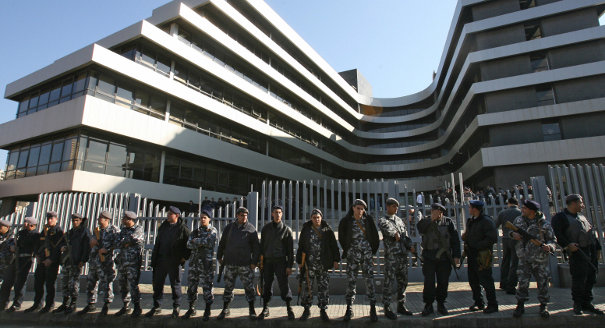
The region’s crises have had a profound impact on the Lebanese economy and revealed its fragile state.
The regional economic instability that has been a byproduct of the Arab Spring—as well as the effects of the Syrian crisis—has dealt a blow to the Lebanese economy, aggravating its problems and exposing its internal weaknesses. Lebanon’s growth in gross domestic product (GDP) this past calendar year has gone down significantly to 1 percent or less from 3.5 percent in 2011—and the prospects for 2013 are just as gloomy.
All basic sectors have been gravely affected by regional unrest. Exports, tourism, and transportation have gone down sharply due to the interruption of main routes and the deterioration of regional and national security. Direct investment (particularly in the housing market) has balked, and a ripple effect has spread to all other sectors. Inflation has crept up to 10 percent this past year from 6 percent in 2011, reflecting significant increases in prices from a number of factors—including the injection of liquidity beyond the absorptive capacity of the economy, the recent minimum wage increase, and decreased productivity. Unemployment is rising in nearly all sectors—particularly among the youth entering the labor market for the first time—and the trade gap is widening; it reached USD 14 billion in 2012, reflecting a slowdown in exports of goods and services, and the balance of payments registered record deficits of USD 4 billion in 2011-2012. This has been compounded by slowing Gulf economies which have, in turn, lowered their demand for foreign labor.
These developments primarily reflect the heavy toll exerted by external events. Furthermore, the perennial economic problems that have been ignored for decades have crippled the government capacity to respond to these external stresses. Among these is the costly and inefficiently managed public sector—including the cellular companies that, according to the Ministry of Finance, provide about 20 percent of government revenue, as well as the transportation network and the power sector. The country’s court system, regulations, and public financial management face serious issues of governance; and both line ministries and municipalities are feeble and inefficient due to undertrained civil servants, low standards of governance, weak public financial management, and impeding regulations. Municipalities’ budgets rely mostly (sometimes as much as 80 percent) on transfers from the central government; these transfers are not provided on a timely basis and thus constrain local governments from executing their projects. Additionally, standards and requirements for municipal performance are not well-defined or properly guided, leading to waste and weak overall performance. The debt burden (140 percent of GDP) does not allow for much fiscal freedom, and interest payments on debt take up one-third of all spending. Over time, this has left less room in the budget for infrastructure and social spending. Furthermore, revenues rely heavily on consumption taxes, and income tax evasion is very high, estimated at near 50 percent which constrains capacity to generate more revenue.
The influx of Syrian refugees has created an additional fiscal burden on the government to provide basic services. As many of the refugees seek employment in Lebanon, their presence has added pressure to the labor market. The influx has strained services in health, education, and housing—and in some instances led to higher prices. The manpower inflow could have brought foreign exchange and additional liquidity to the banking system, but the economy is not responding to the increased demand generated by refugees—the situation is seen, at least in part, as temporary and not worth investing in. Furthermore, the controversial wage increase—a stopgap measure to address the worsening economic situation—will limit the government’s ability to spend on other programs (such as infrastructure and other spending that results in job creation) that could in part address without increasing budget deficit. The wage increase will result in a nearly 24 percent one-time shock increase in public wages. The impact of this increase (not realized yet) on the economy and on the budget have not been fully assessed, and Lebanon’s economic outlook is rather bleak particularly in the context of unfavorable global and regional circumstances.
In terms of response, the government has recently requested budget support from international donors to finance the burden of the Syrian refugees, but no particular action has been taken to address the current recession. The government is also attempting to find a revenue source for the estimated USD 1.2 billion additional cost (according to the Ministry of Finance), and is looking to remedy the additional deficit of the wage increase without addressing the overall financing needs of the budget. The current proposal to raise revenue as a means of compensating for the wage increase has not been carefully studied, such as the increase in the tax rate on interest earned on deposits from 5 percent to 7 percent, value-added tax increase to 12 percent. For instance, the tax rate increase on deposit earnings and its impact on overall interest rates, debt cost, debt service, capital flows, investment, and (ultimately) competitiveness and growth have not been evaluated: it may result in a net cost rather than net revenue. Similarly, the value-added tax increase may not lead to realizing net revenue; a tax increase could, in fact, neutralize the expansionary impact of the wage increase. Therefore, the fiscal policy stance has not responded to the current needs, but to an outstanding wage issue instead. Monetary policy has focused on increasing deposits and inflows through high interest rates aimed ultimately at protecting reserves and the exchange rate. Likewise, this approach certainly has not provided a stimulus to the economy, and marginal measures to boost housing demand through interest subsidies are not sufficiently large to have an impact.
Banks in Lebanon remain reasonably safe; their non-performing loan portfolio has worsened slightly, though mostly for small enterprises (with loans less than LBP 20 million, or USD 13200) which constitute 80 percent of the total number of non-performing debtors. According to the Central Bank of Lebanon, banks have adequate reserves at 80% against non-performing loans. Inflows from abroad have continued, albeit at a slower pace, and dollarization has not changed in recent months. The abatement of flows was reflected in the larger balance of payments deficits. The Syrian crisis’s impact on Lebanese banks has so far been well-contained and is being signaled in the slower demand for credit. Lebanese banks’ asset portfolios remain stable and well-diversified, though banks themselves have refrained from accumulating further government debt. Instead, their deposits at the Central Bank have risen, which in turn has acquired a much larger share of government debt—reaching over 17 percent by the end of September 2012. This change in banks’ portfolios does not change their risk, however, as diversification has taken place within the public sector. Increased government financing by the central bank, though, could worsen the inflationary outlook.
There are concerns that the crisis in Syria could have a dramatic impact on Lebanese banks through capital flight and lower loans due to the slower economic activity. Unable to fully utilize all their liabilities—that is, deposits—smaller banks’ excess reserves are paid interest by the Central Bank to support them, but there is a limit to the extent that Lebanon’s Central Bank can absorb them without incurring a burdensome cost. Banks’ assets in Syrian branches are estimated at USD 2 billion and belong to the strongest banks, which have reserve coverage and do not impose an unreasonable added risk. They grew rapidly before the crisis, and can assume a similar role when the conflict is resolved. In the meantime, the Central Bank incurs losses.
In sum, both the regional upheavals and the Syrian crises have had a profound impact on the Lebanese economy, and further revealed the fragility of its structure and performance. So far, the government has not planned a response to the country’s worsening economic performance. But with the financial constraints facing the government—and in combination with the internal political divisions—it is unclear how Lebanon can manage to steer itself out of a dire economic crisis altogether.
Mounir Rached is the vice-president of the Lebanese Economic Association and an advisor to Lebanon's Ministry of Finance.
Mounir Rached
Carnegie does not take institutional positions on public policy issues; the views represented herein are those of the author(s) and do not necessarily reflect the views of Carnegie, its staff, or its trustees.
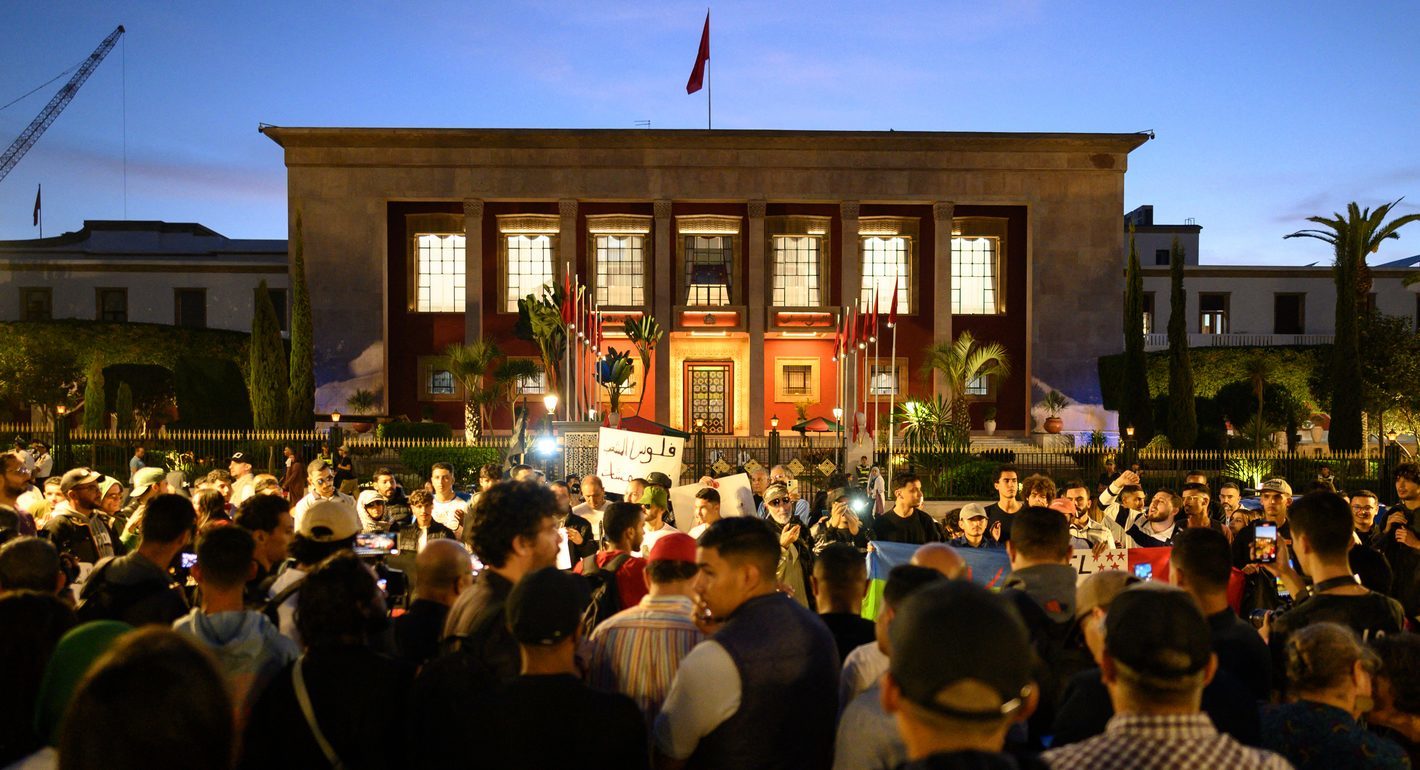
From anime heroes to online gaming communities, Morocco’s Gen Z is building a new protest culture. What does this digital imagination reveal about youth politics, and how should institutions respond?
Abdelilah Farah
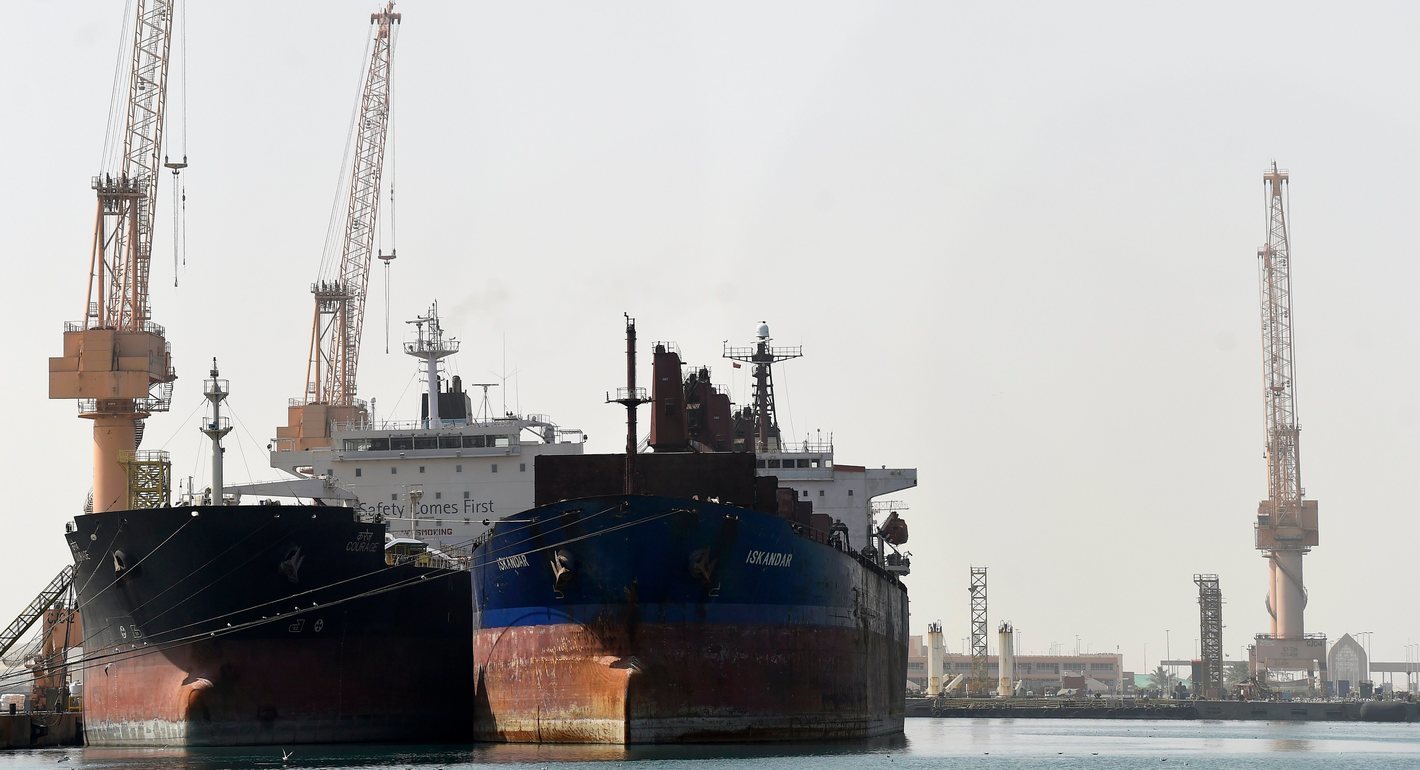
In a volatile Middle East, the Omani port of Duqm offers stability, neutrality, and opportunity. Could this hidden port become the ultimate safe harbor for global trade?
Giorgio Cafiero, Samuel Ramani
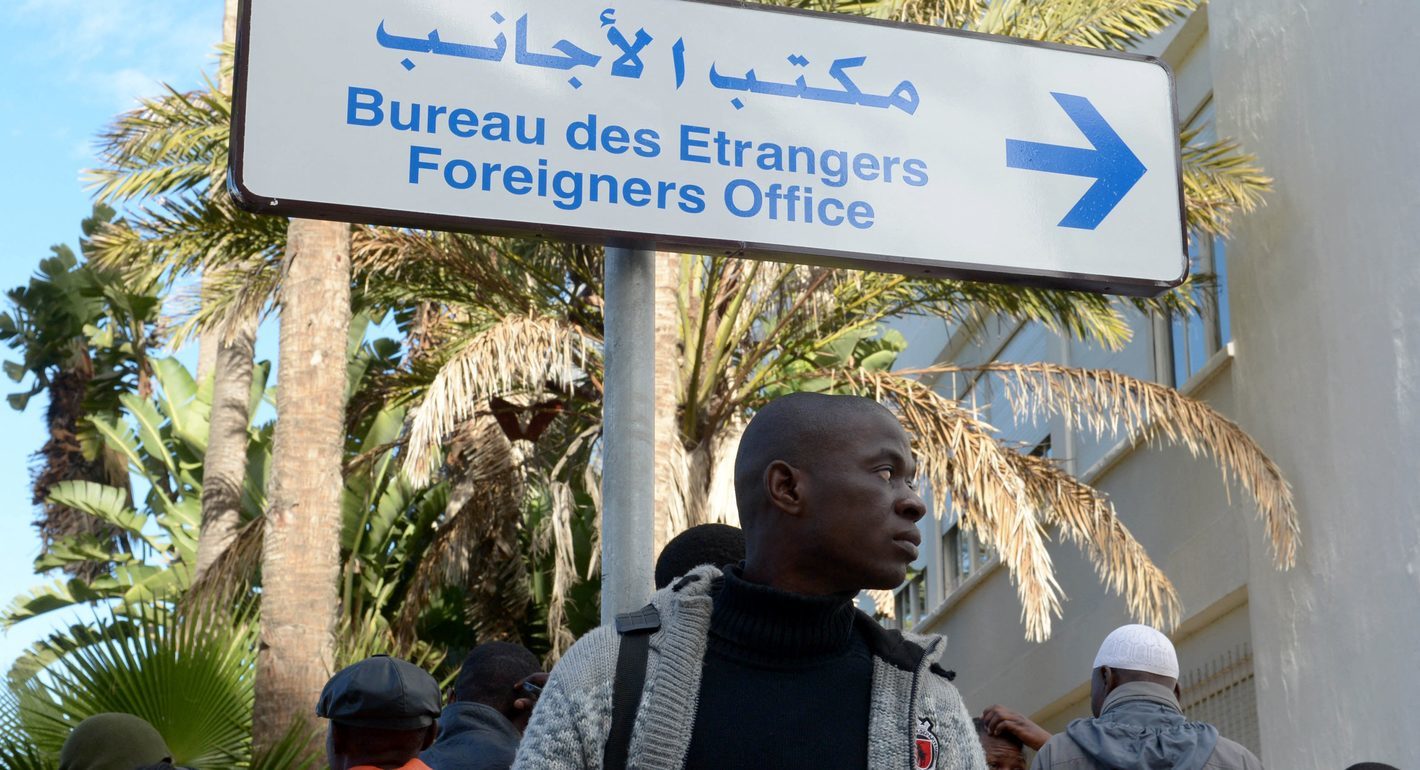
Is Morocco’s migration policy protecting Sub-Saharan African migrants or managing them for political and security ends? This article unpacks the gaps, the risks, and the paths toward real rights-based integration.
Soufiane Elgoumri
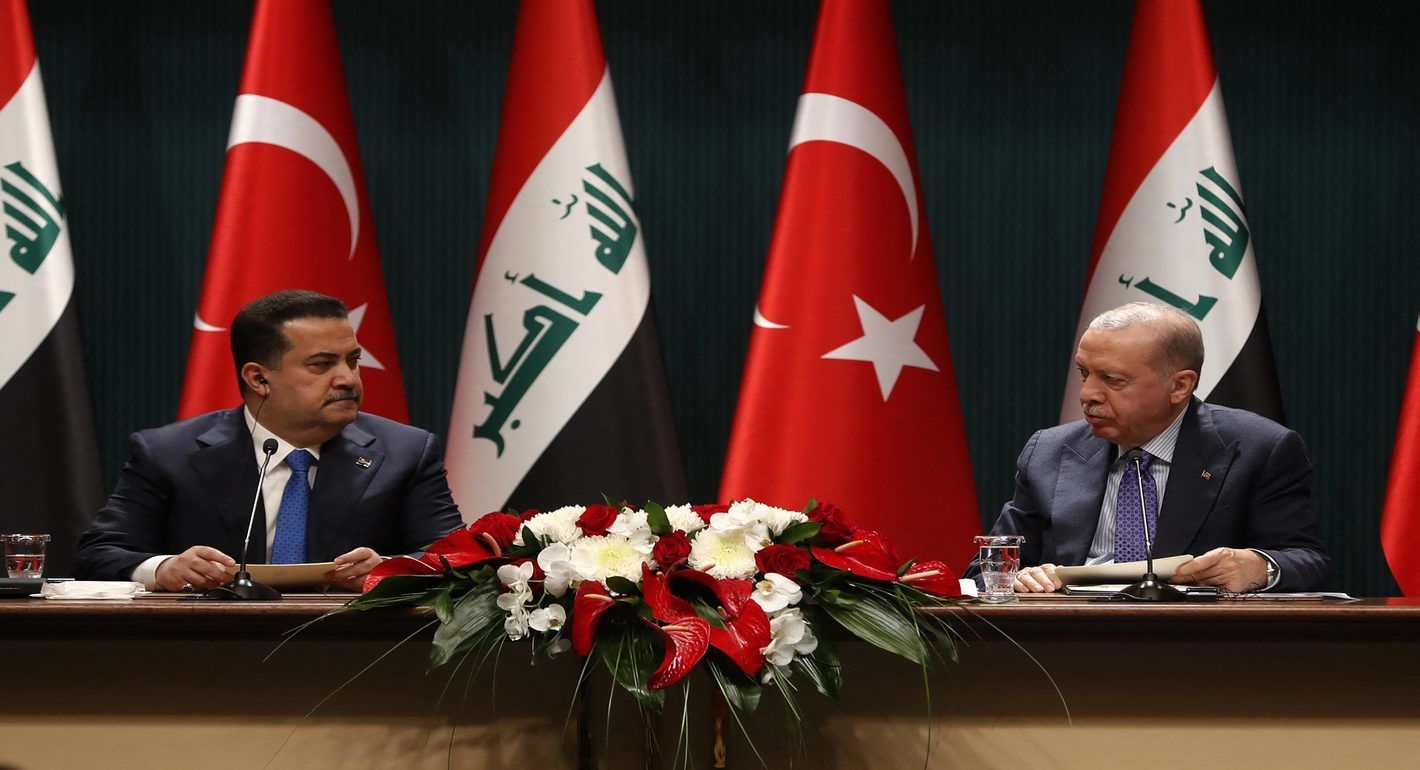
Iraq’s foreign policy is being shaped by its own internal battles—fractured elites, competing militias, and a state struggling to speak with one voice. The article asks: How do these divisions affect Iraq’s ability to balance between the U.S. and Iran? Can Baghdad use its “good neighbor” approach to reduce regional tensions? And what will it take for Iraq to turn regional investments into real stability at home? It explores potential solutions, including strengthening state institutions, curbing rogue militias, improving governance, and using regional partnerships to address core economic and security weaknesses so Iraq can finally build a unified and sustainable foreign policy.
Mike Fleet
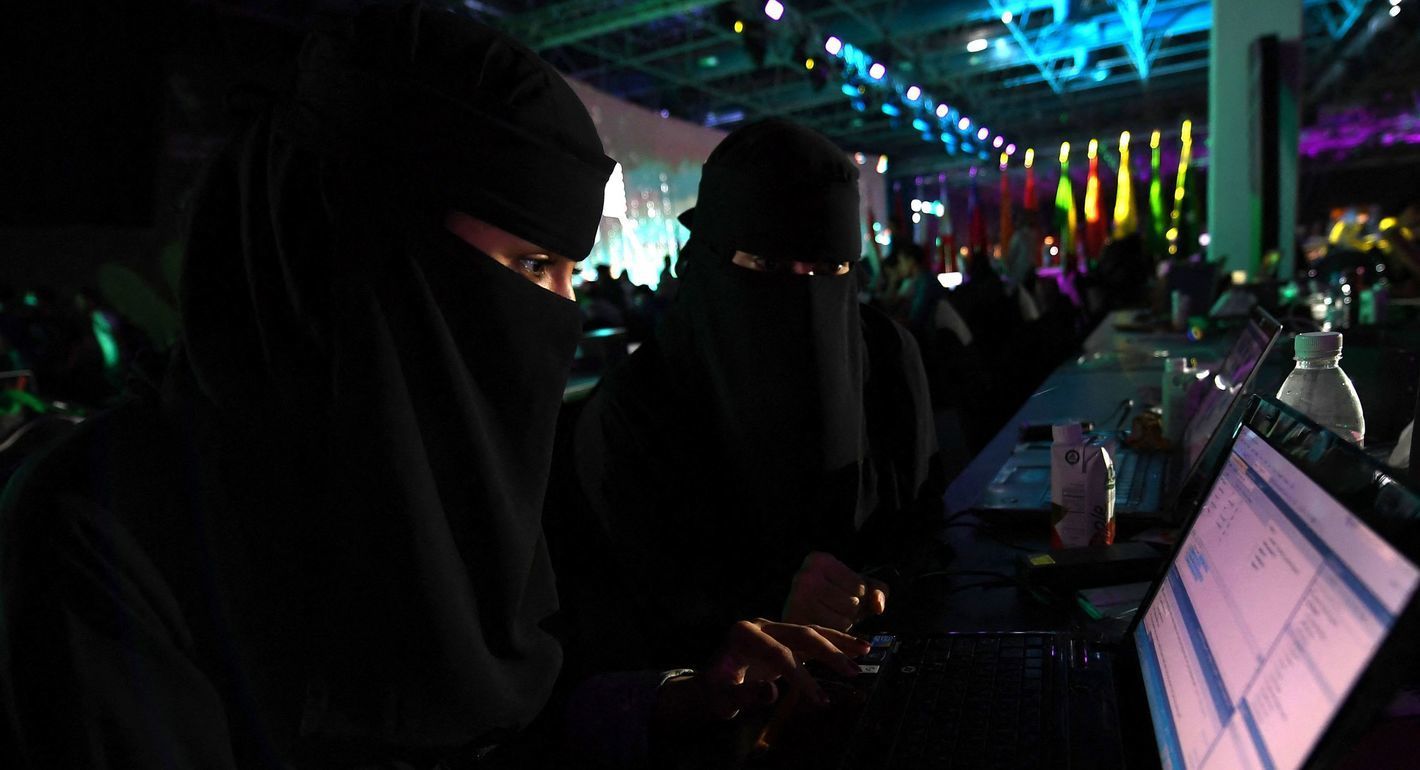
How can Saudi Arabia turn its booming e-commerce sector into a real engine of economic empowerment for women amid persistent gaps in capital access, digital training, and workplace inclusion? This piece explores the policy fixes, from data-center integration to gender-responsive regulation, that could unlock women’s full potential in the kingdom’s digital economy.
Hannan Hussain