

Commentary
From anime heroes to online gaming communities, Morocco’s Gen Z is building a new protest culture. What does this digital imagination reveal about youth politics, and how should institutions respond?
Abdelilah Farah
{
  "authors": [
    "Jacques Roussellier"
  ],
  "type": "commentary",
  "blog": "Sada",
  "centerAffiliationAll": "",
  "centers": [
    "Carnegie Endowment for International Peace"
  ],
  "collections": [],
  "englishNewsletterAll": "",
  "nonEnglishNewsletterAll": "",
  "primaryCenter": "Carnegie Endowment for International Peace",
  "programAffiliation": "",
  "programs": [],
  "projects": [],
  "regions": [
    "North Africa",
    "Algeria",
    "Morocco",
    "Mali"
  ],
  "topics": [
    "Security"
  ]
}
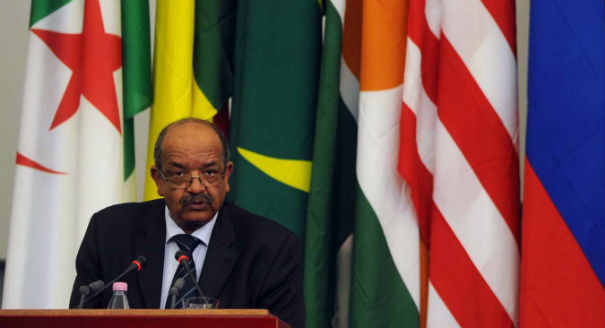
Source: Getty
The rise of ISIS gives Algeria an opportunity to regain the regional influence it lost following its failure to play an effective role in the Mali conflict.
The emergence of the Islamic State of Iraq and al-Sham (ISIS) as a military force and existential threat to Iraq has once more turned the region into a global strategic playground for extremists. This demands a coordinated response at the regional and global levels. And in North Africa, the inspiration and vigor that the movement has generated among radical jihadis is leading to the geopolitical re-positioning of roles for Algeria and Morocco. This repositioning is allowing Algeria to regain the regional influence it lost following its failure to play an effective role in the conflict in Mali over the past two years.
The proportionally higher number of foreign fighters from North Africa, mainly from Tunisia and Morocco,1 joining jihadi groups in Syria and ISIS in Iraq, presents a range of problems for the region. Algeria is the first country besides Syria to witness the gruesome beheading of a Western hostage; late last month the ISIS-affiliated Jund al-Khilafah fi Ard al-Jazair (The Caliphate’s Soldiers in the Land of Algeria), also an al-Qaeda in the Islamic Maghreb (AQIM) splinter group, killed French tourist Hervé Gourdel. Despite AQIM’s initial rejection of the ISIS Caliphate, some of their affiliates in Tunisia and Libya said that they either considered or intended to switch allegiance to ISIS.
In 2012, in response to broader regional threats, Washington laid the foundations for a differentiated approach to Morocco and Algeria with its Strategic Dialogue initiative with Rabat and Algiers. The launch of the parallel dialogues was an indication of the U.S. concern for the stability of the Maghreb in light of deteriorating circumstances in Libya and Mali. The dialogue with Morocco focuses primarily on political reform and economic development, while with Algeria the focus is on security concerns. The United States has put a premium on Algeria’s counterterrorism efforts and role as a regional stabilizer, in particular in Mali and Niger. By contrast, democratic and governance reforms remained at the top of the U.S.-Moroccan diplomatic agenda.
But since the emergence of ISIS as a regional threat, the United States has pushed for Morocco to join the military coalition against ISIS, while Algeria stayed out. Algeria’s absence, perhaps to focus on its tasks in neighboring trouble spots, signals a realignment of regional forces: Morocco joins the anti-ISIS coalition and Algeria focuses its diplomacy efforts on Libya and Mali. Algeria’s failure to live up to international expectations to use its significant security and intelligence assets in the Sahel to crush the rebellion in Mali offered Morocco a rare opportunity. Morocco’s ability to seize this opportunity, albeit to a limited effect, allowed it to gain some influence in the Sahel and to use its new leverage to seek a solution to the Western Sahara conflict. Now, however, the tables are turning again. Rabat is on the offensive given its role in the anti-ISIS coalition and the high number of Moroccan fighters in the ranks of ISIS—meanwhile Algeria is regaining influence in the Sahel.
The Obama administration’s endorsement of Algeria’s focus on the conflict in Mali and Libya, and their gratitude for Algiers’ support for the anti-ISIS coalition (short of military intervention), shows how Algeria is regaining regional clout and international praise. Morocco is focused on proving its solidarity with the West, while its soft balancing in the Sahel has taken a back seat. Yet it remains unclear whether this fragile division of labor among the two regional peer competitors will effectively satisfy their respective ambitions in the Sahel and the Sahara.
The threat posed by returning foreign fighters has wider security implications for the Maghreb that both players will have to address. Last month, U.S.-sponsored United Nations Security Council Resolution 2178 obligated member states to prevent terrorist suspects from entering or traveling through their territories and to cooperate in preventing individuals from joining radical groups. The resolution, however, failed to address the risk of further violent extremism and destabilization effects from returning jihadi fighters. In particular, it put forth no plan for successfully containing ISIS in Iraq and thus risks repeating the same mistakes made during the Western intervention in Libya—foreshadowing a similar impact on the Sahel, Mali in particular. One of the root causes of the war in Mali came from the return of Tuareg fighters from Libya. Likewise, once ISIS is contained or defeated, returning foreign fighters will continue posing risks to their country of origin if the issue is not addressed at an international level.
In the case of Morocco and Tunisia, the destabilizing risks posed by the return of foreign fighters will require more than an internal security response. The strategy to deal with their return is also bound to test Morocco’s moderate brand of Islam that it has promoted in the Sahara and Sahel. And for Algeria, despite the increase in its defense expenditure—in 2013 it became the first African country to spend more than $10 billion per year on its military, an increase of 176 percent since 2004—the government lacks the capacity and steady record to match international expectations that it will pursue a more robust counterterrorism and stabilization strategy in the region, including the expectation of a diplomatic and potentially military intervention in Libya.
Jacques Roussellier teaches international relations at American Military University; he is co-editor of Perspectives on Western Sahara: Myths, Nationalism and Geopolitics (2013, Rowman & Littlefield).
1. 3000 from Tunisia, 1500 from Morocco, and 200 from Algeria, plus Sunni fighters who are second or third generation immigrants in Western Europe, the majority of whom are reportedly of Moroccan origin . ?
Jacques Roussellier
Carnegie does not take institutional positions on public policy issues; the views represented herein are those of the author(s) and do not necessarily reflect the views of Carnegie, its staff, or its trustees.
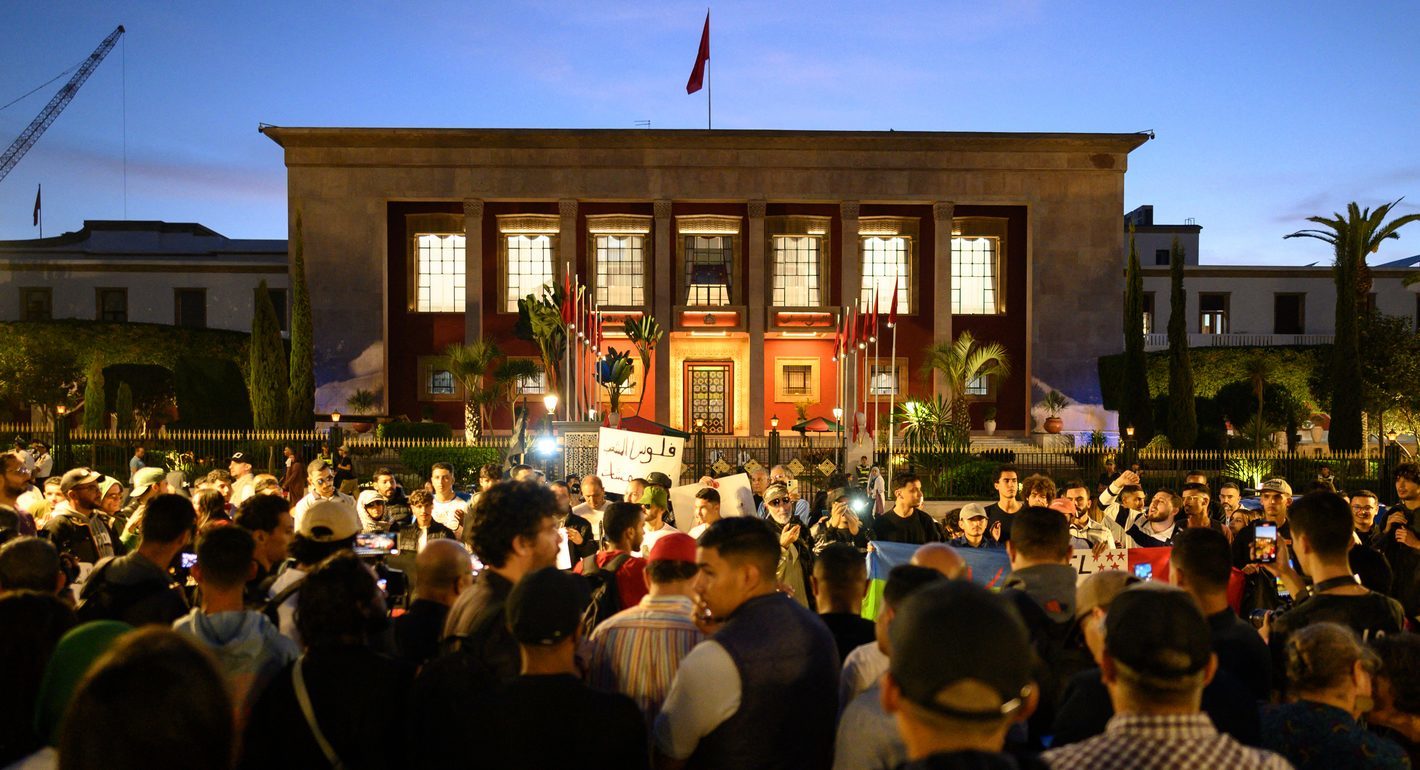
From anime heroes to online gaming communities, Morocco’s Gen Z is building a new protest culture. What does this digital imagination reveal about youth politics, and how should institutions respond?
Abdelilah Farah
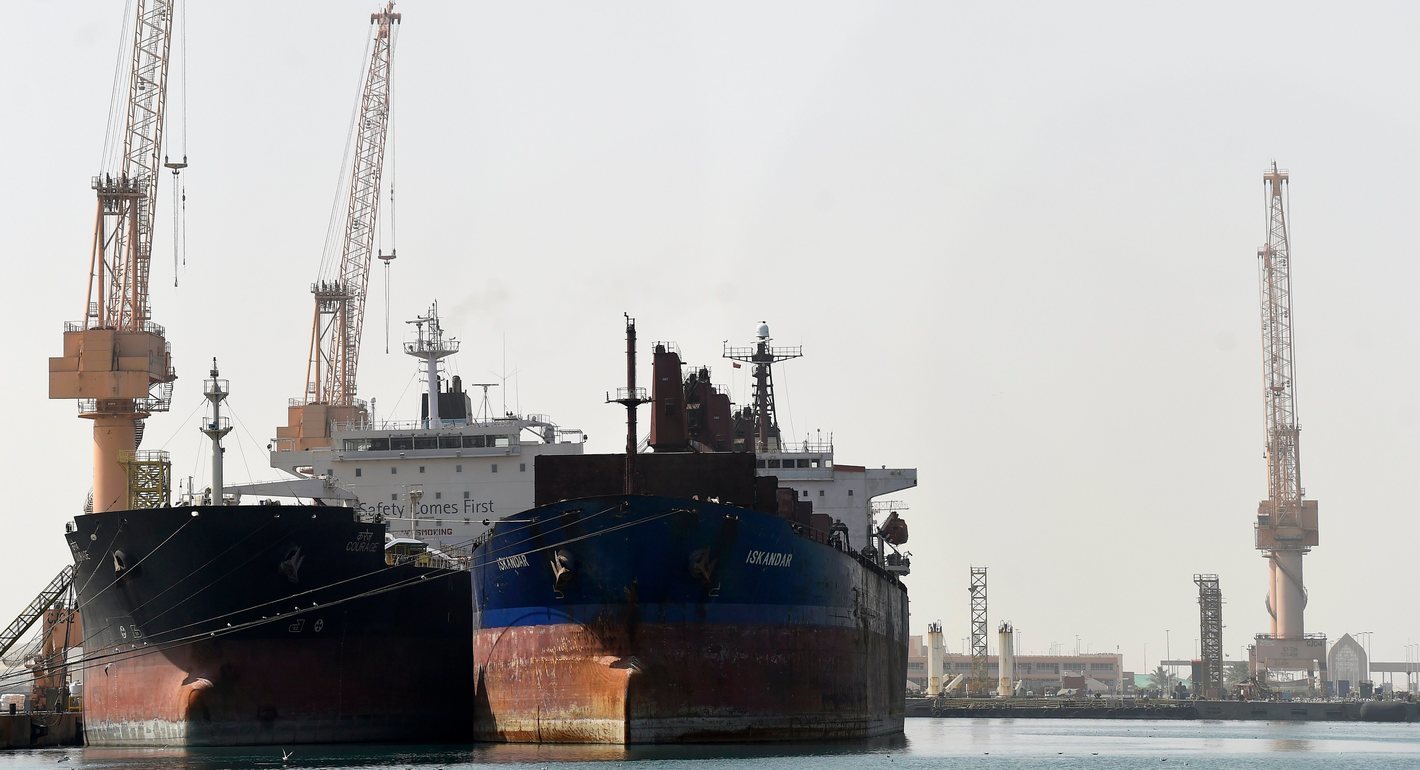
In a volatile Middle East, the Omani port of Duqm offers stability, neutrality, and opportunity. Could this hidden port become the ultimate safe harbor for global trade?
Giorgio Cafiero, Samuel Ramani
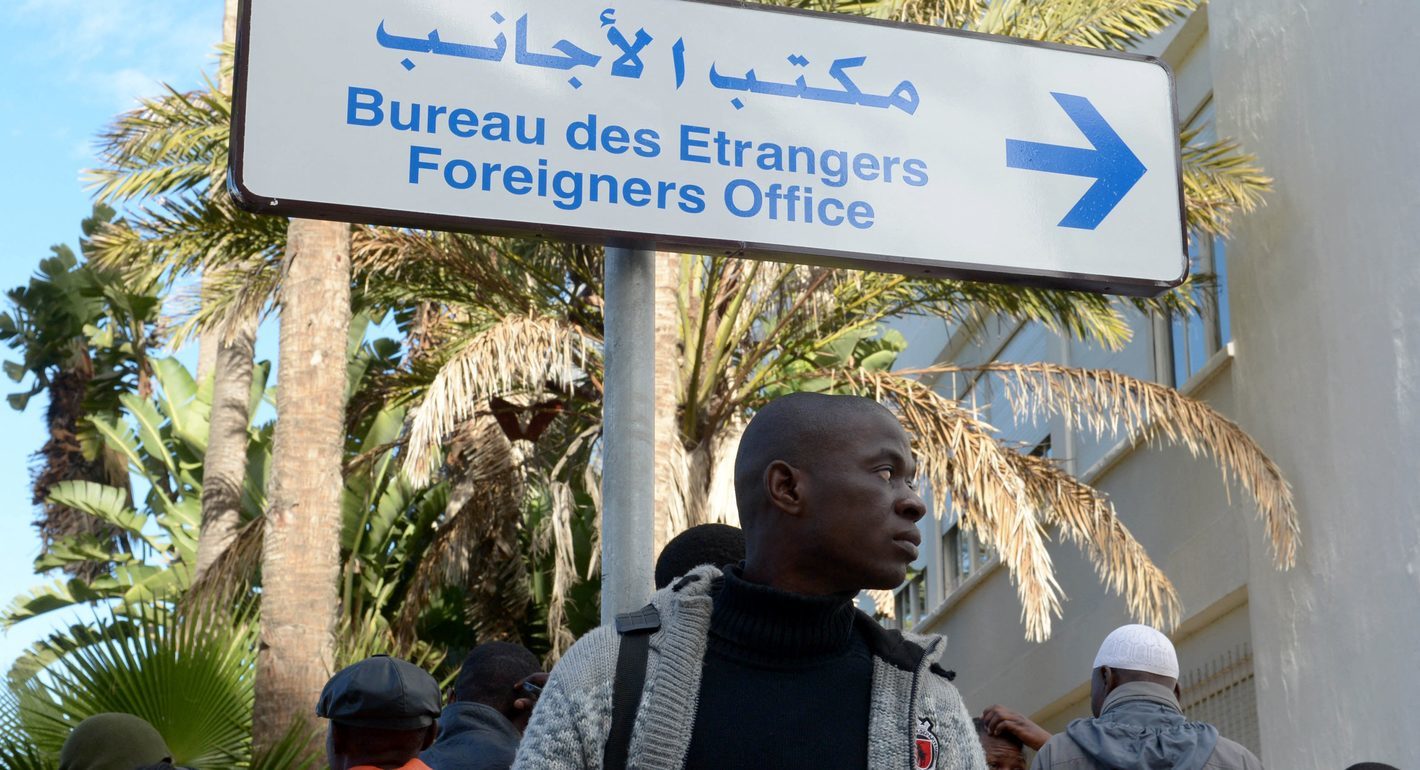
Is Morocco’s migration policy protecting Sub-Saharan African migrants or managing them for political and security ends? This article unpacks the gaps, the risks, and the paths toward real rights-based integration.
Soufiane Elgoumri
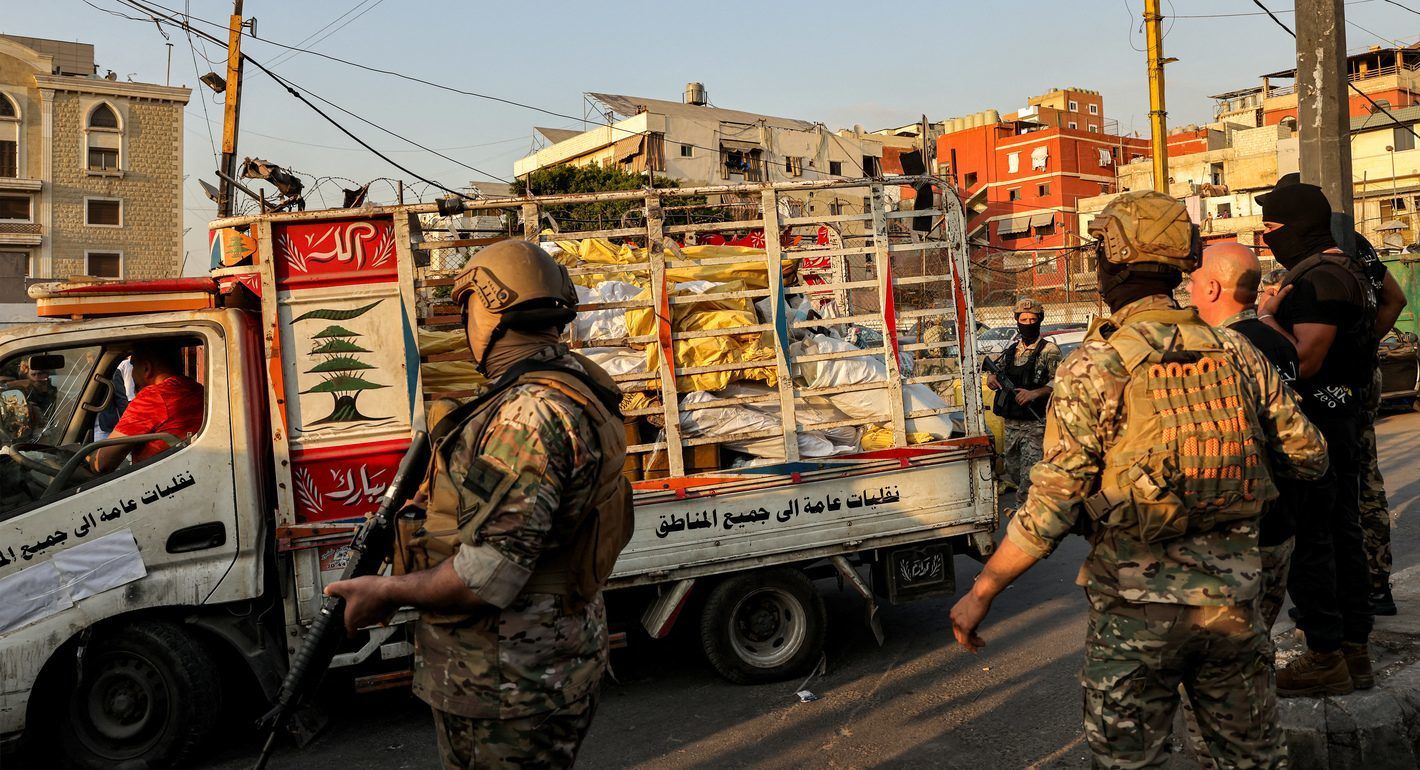
The August 2025 government decision to restrict weapons to the Lebanese state, starting with Palestinian arms in the camps, marked a major test of Lebanon’s ability to turn a long-standing slogan into practical policy. Yet the experiment quickly exposed political hesitation, social gaps, and factional divisions, raising the question of whether it can become a model for addressing more sensitive files such as Hezbollah’s weapons.
Souhayb Jawhar
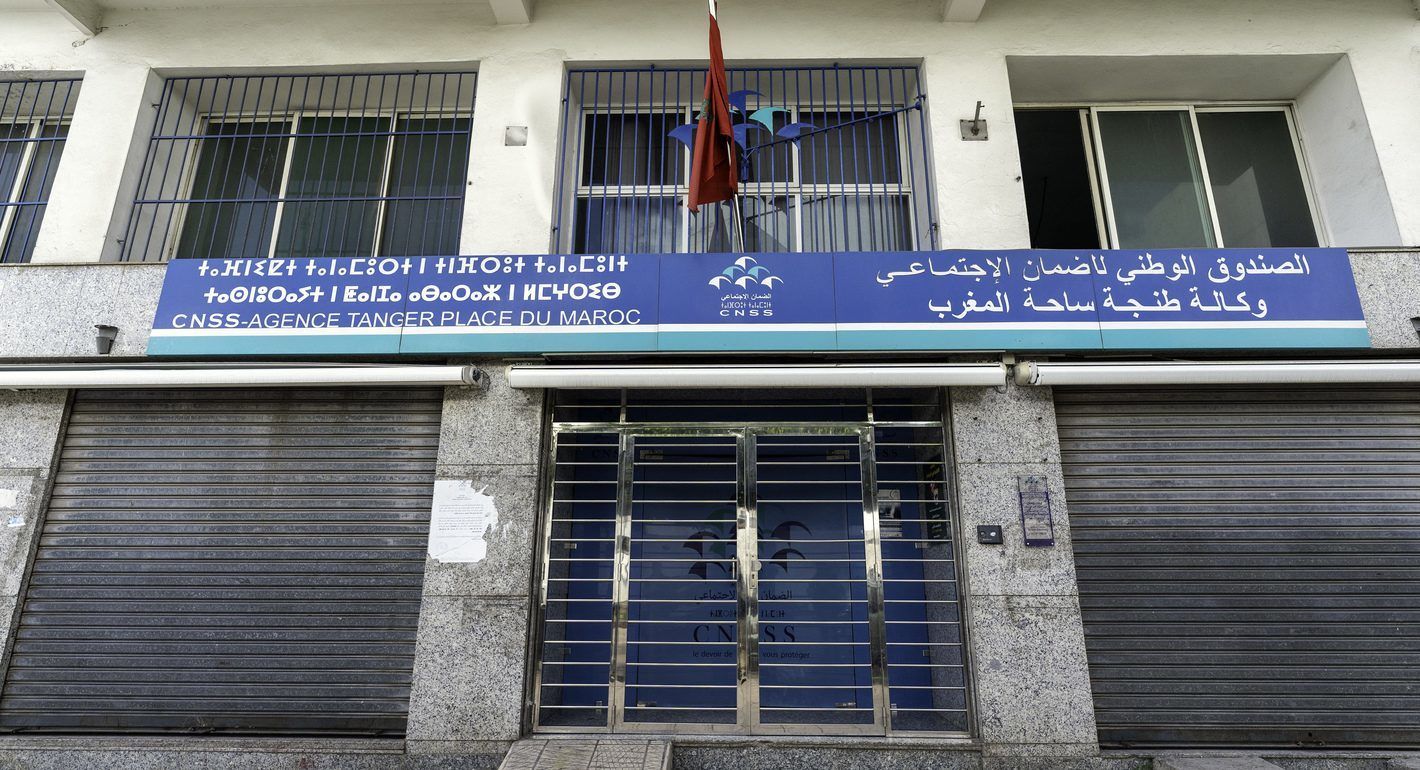
While Morocco’s shift to a digitized social targeting system improves efficiency and coordination in social programs, it also poses risks of exclusion and reinforces austerity policies. The new system uses algorithms based on socioeconomic data to determine eligibility for benefits like cash transfers and health insurance. However, due to technical flaws, digital inequality, and rigid criteria, many vulnerable families are unfairly excluded.
Abderrafie Zaanoun