

Commentary
Rafiah Al Talei
{
  "authors": [
    "Rafiah Al Talei"
  ],
  "type": "commentary",
  "blog": "Sada",
  "centerAffiliationAll": "",
  "centers": [
    "Carnegie Endowment for International Peace"
  ],
  "collections": [],
  "englishNewsletterAll": "",
  "nonEnglishNewsletterAll": "",
  "primaryCenter": "Carnegie Endowment for International Peace",
  "programAffiliation": "",
  "programs": [],
  "projects": [],
  "regions": [
    "Middle East",
    "Yemen"
  ],
  "topics": []
}
Source: Getty
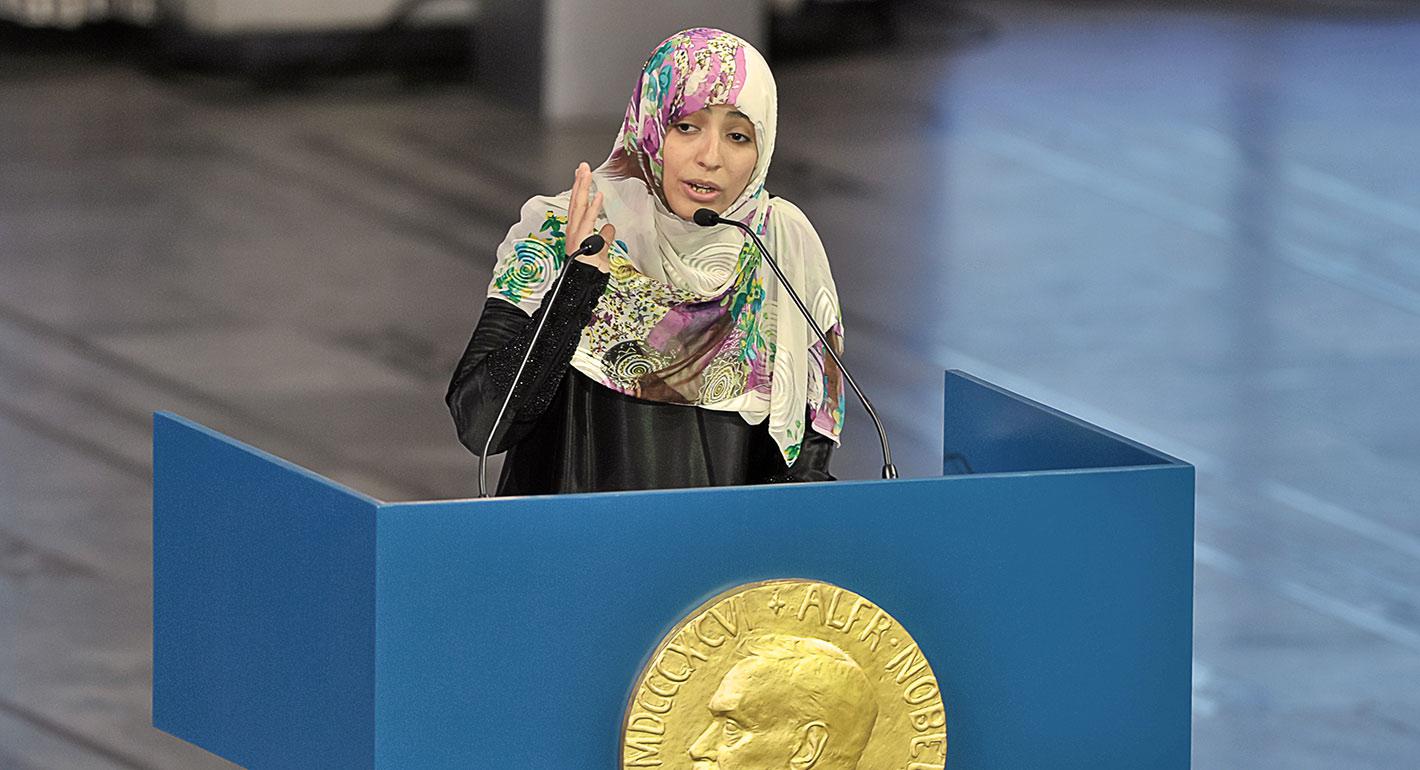
Nobel Peace Prize laureate Tawakkol Karman says that the time has come to pressure Saudi Arabia and the UAE to withdraw from Yemen so that the country can resume to the peace process and restore a Yemeni state.
On a personal level, I am optimistic that Biden is prepared to work politically and diplomatically to put an end to the suffering of Yemenis that this war has caused and to help them find a solution. Ideally, this would prepare the country to complete a political transition process. The Trump administration blindly supported the UAE and Saudi Arabia. I think that the new administration might also reactivate the role of the UN to defend a serious and tangible solution to ending the war. I see a U.S.-led international mobilization to pressure warlords, their Saudi and Emirati leaders in the coalition, as well as the Houthi militias Sanaa’ to reach a solution – that is one of the most important steps to ending the war in Yemen. Now everyone knows what ambitions Saudi Arabi and the UAE have in Yemen: the continuation of the war so that the coalition can, through the blockade, destruction, and tutelage, remain in control in the situation. This, in and of itself, strengthens the Houthi’s position thanks to public and clandestine support from Iran. Saudi Arabia and Iran are controlling the war in Yemen to the extent that it aligns with their interests, which clearly do not include a limit to Yemen’s suffering or any consideration for Yemenis who might one day want to return home. On the note of destructive Saudi and Emirati policies, the coalition is overseeing another coup in Aden and in several governorates which they claim are liberated from Houthi control have been handed over to coalition-aligned militias, and are legitimizing their violence. The coalition has also prevented the president and the internationally recognized government from carrying out their objectives inside Yemen, while pursuing their goal of annexing the island of Socotra, controlling Balhaf gas and oil facilities, and establishing a new militia on the western coast and in Al-Mukha. This grim reality of the coalition’s role illustrates that international pressure is the main route to ending the war in Yemen and allowing the Yemenis to rebuild their country. Rebuilding the Yemeni state and restarting the political processes can only happen through international pressure on Saudi Arabia and the UAE to withdraw and lift the blockade. I think the new U.S. administration has a real opportunity and there is hope that it will play this role. We need true support from the international community to stop this suffering.
The transfer of power agreement that was presented during the “Gulf Initiative” and the outcome of a national dialogue were both results of the 2011 popular revolution. They became the two primary sources for a guiding process to reinstate a legitimate state. Additionally, the decisions of the UN security council rejected the outcome of the Houthi coup and are intended to guarantee international respect for Yemen’s security, stability, and unity. This war was aimed at dividing Yemen, reverting us to an imamate and the continuation of an occupation by the Houthis and Saudi hegemony -- our people rejected that. The end of the war for us means the return of Yemen and the unified federal Yemeni state. Just as we reject war, we refuse to accept a phony peace that legitimizes Saudi and Emirati hegemony or a Houthi coup. Neither represent peace, but rather a continuation war. The counterrevolutionaries, operating alongside Iran, Saudi Arabia, and the UAE, oppose these same ideals. After this Saudi war against our people, the agreed upon road map will be the complete transfer of power, a referendum on a new constitution, and the implementation of elections.
Firstly, the war began because the Houthi coup caused the collapse of the government, its parties, and its control over Yemen. Today we have Houthi militias in Sanaa’ and transitional militias supported by the Coalition in Aden. It is upon them to lay down their weapons and join the rest of the forces and political parties to finish a national dialogue and finalize a road map to a political settlement and ending the war. The war is a failure. These militias did not provide anything for the people except death, hunger, displacement, and division. They transformed their cities into segregated spaces, prisons of degradation, oppression, and looting. The time has come to put weapons aside, and to lobby in the interest of Yemen and the Yemeni people and reject external tutelage from Riyadh and Tehran.
There are militias that go by the transitional council. The UAE, with the help of Saudi Arabia, established and supported them. These militias are part of the same separatist movement that was active before the 2011 popular revolution and they do not have what could be practically described as a presence in the southern governorates today. Most people in the south reject these militias. They do not have acceptance in Hadar Al-Mot, Shabwa, Abeen, Al-Mahra, or Socotra. In the governorates of Aden, Lahaj, and Al-Dalia’, there was a large rejection of them after their slogans lost cache and the people tested their trustworthiness and governing style during the years that they ruled those three governorates. These militias also triggered a new conflict with legitimate forces in the two southern governorates of Shabwa and Abeen. The conflict required intervention by hundreds of Emirati tanks and an Emirati plane to shell the Yemeni forces of mostly southern fighters on the outskirts of Aden and putting down the popular uprising there, in order to allow the transitional militia to maintain control. This conflict triggered painful memories of the southern separation and the war of 1986. Most southern governorates support a united Yemen that does rely on violent subjugation, like what occurred under the Saleh regime. Most southerners want a Yemeni state that fulfill their hopes of peace, stability, equality, and economic opportunity, rather than transitional militias who are against them and against a legitimate Yemeni government.
The English translation is an excerpt from a longer interview—available in Arabic—Rafiah Al Talei conducted on January 25, 2021
Former Editor-in-Chief, Sada, Middle East Program
Rafiah Al Talei was the editor-in-chief for Sada in Carnegie’s Middle East Program.
Recent Work
Rafiah Al Talei
Rafiah Al Talei
Carnegie does not take institutional positions on public policy issues; the views represented herein are those of the author(s) and do not necessarily reflect the views of Carnegie, its staff, or its trustees.
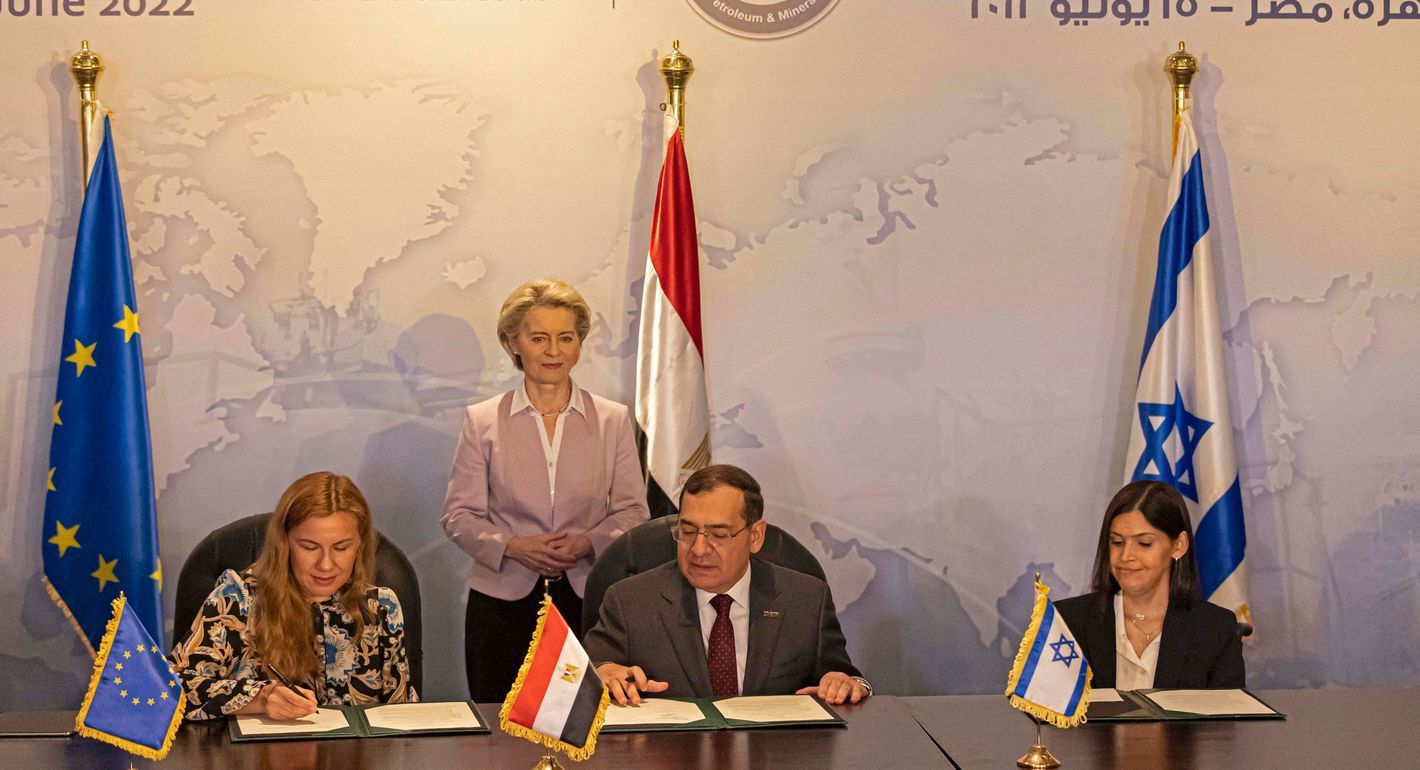
Can economic ties help contain conflict between Egypt and Israel, or do they simply postpone confrontation? Drawing on the German-Russian experience, the article examines how the gas deal creates mutual dependence, keeps channels of cooperation open, and raises the cost of conflict, without necessarily delivering lasting peace.

Nourhan Hefzy
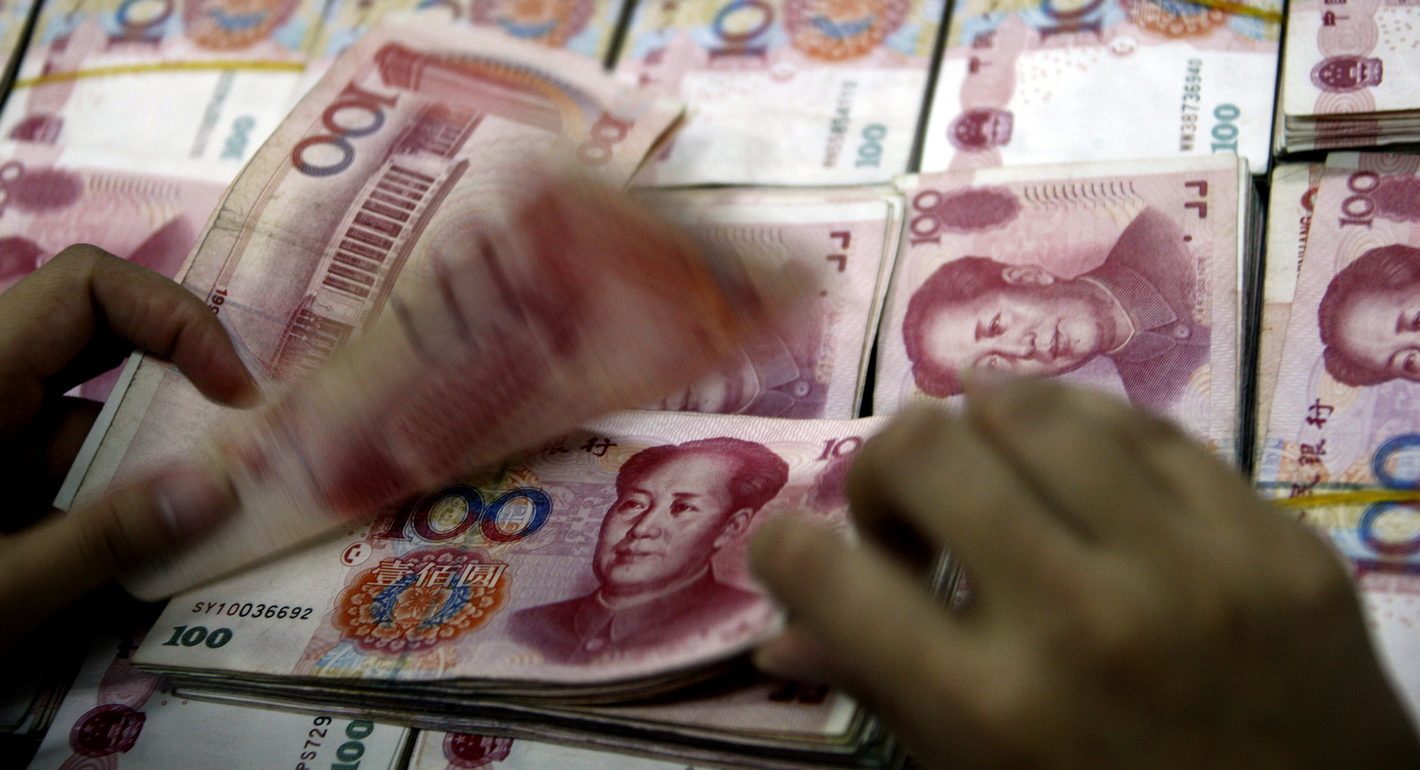
Is the Gulf moving beyond the dollar? This article examines how China is expanding the renminbi's role across Gulf markets, what that means for regional finance, and why the future of global currencies is more complex than the de-dollarization debate suggests.

Andrew Bonney
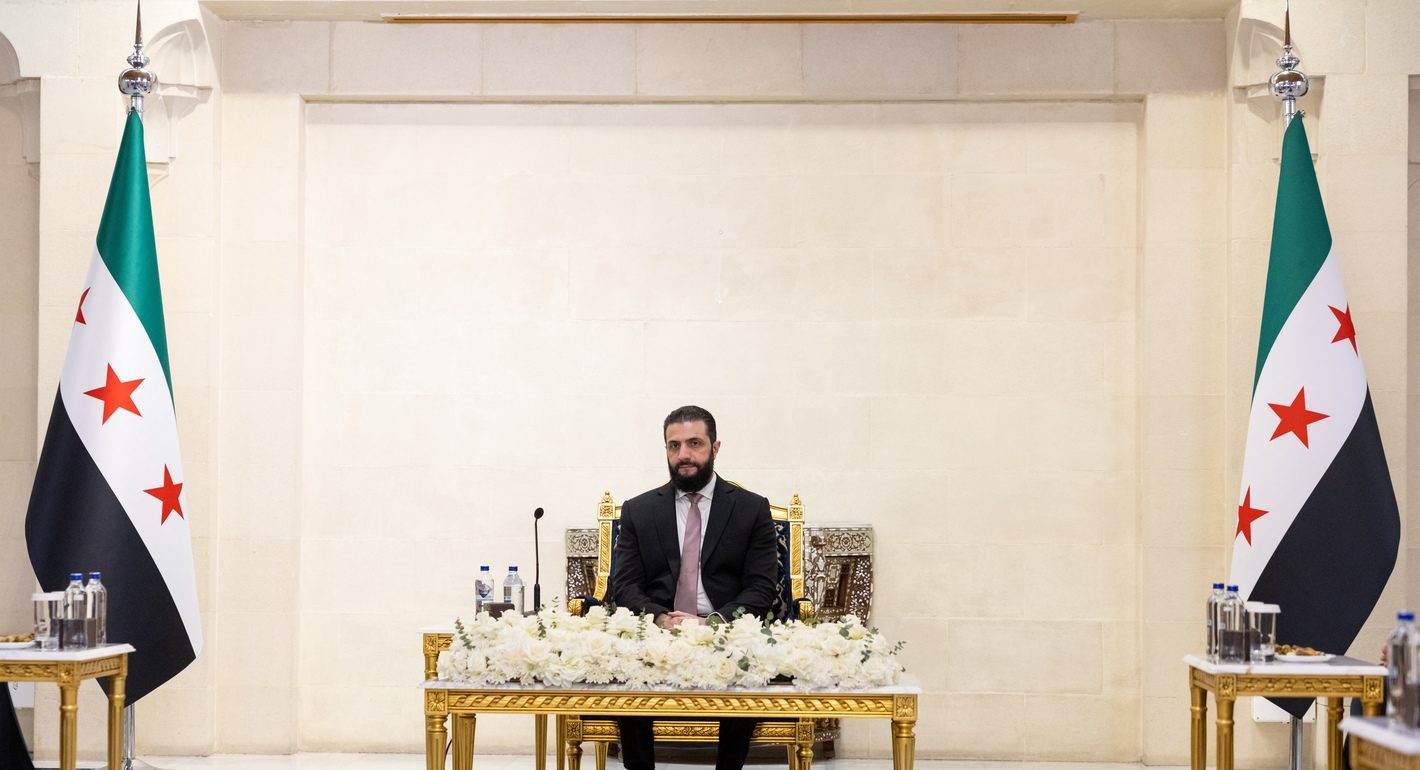
Syria's transition promised a fresh start. But are old habits of power making a comeback? This analysis looks at the warning signs and what it will take to build a more accountable state.

Sima Beitinjaneh
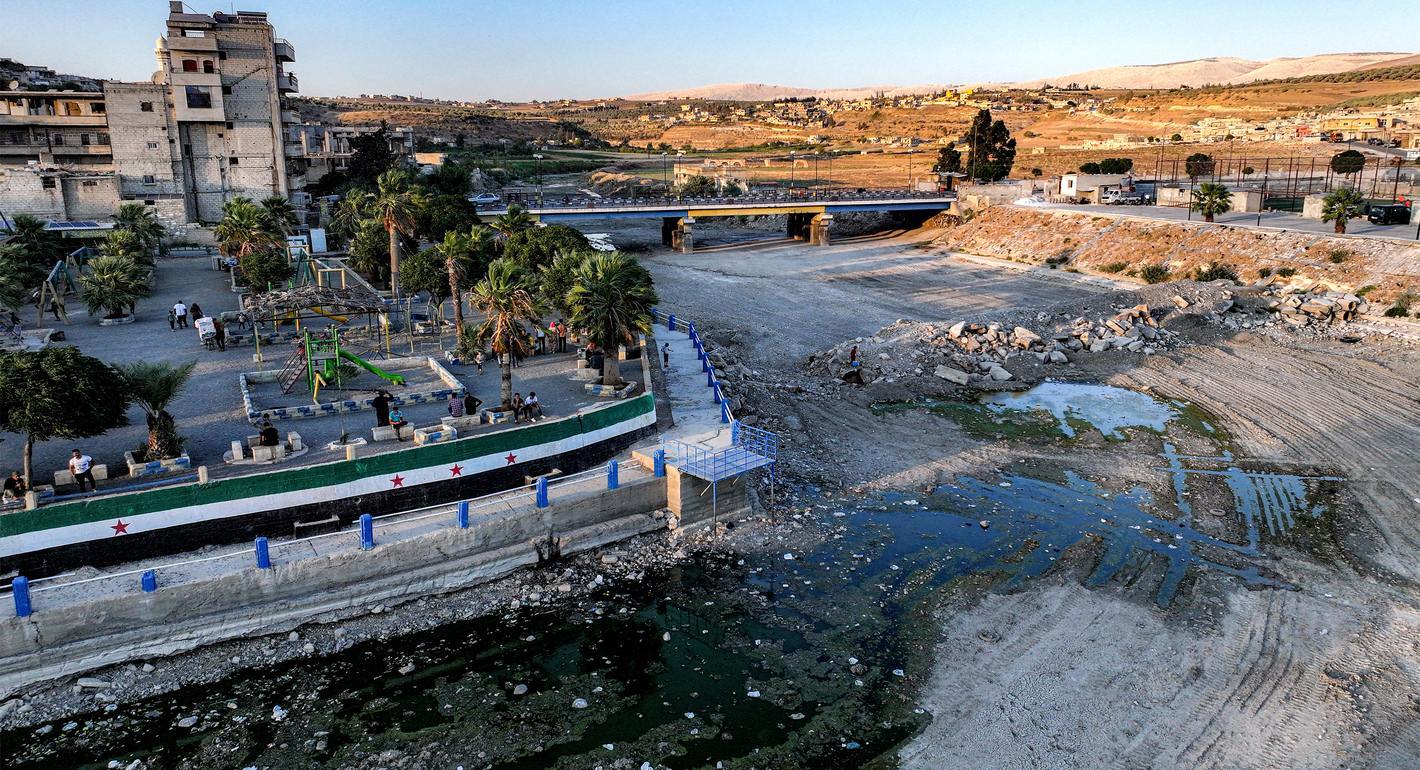
Syria’s worsening drought is no longer a seasonal crisis. This report explains what climate change is doing to rainfall, groundwater, and food security, and what solutions experts say are still possible.
Milia Esper
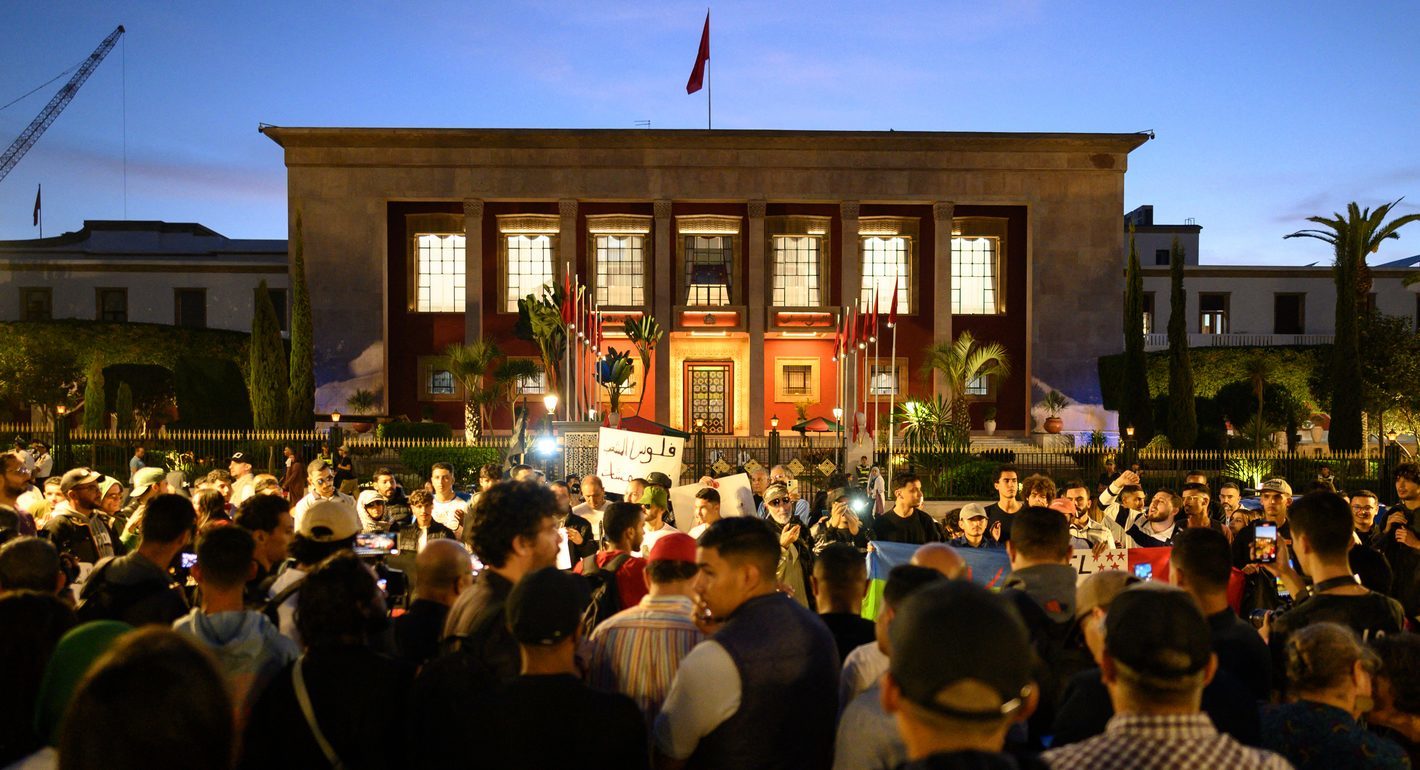
From anime heroes to online gaming communities, Morocco’s Gen Z is building a new protest culture. What does this digital imagination reveal about youth politics, and how should institutions respond?
Abdelilah Farah