

Commentary
Syria's transition promised a fresh start. But are old habits of power making a comeback? This analysis looks at the warning signs and what it will take to build a more accountable state.
Sima Beitinjaneh
{
  "authors": [
    "Suohayb Jawhar"
  ],
  "type": "commentary",
  "blog": "Sada",
  "centerAffiliationAll": "dc",
  "centers": [
    "Carnegie Endowment for International Peace"
  ],
  "englishNewsletterAll": "menaTransitions",
  "nonEnglishNewsletterAll": "",
  "primaryCenter": "Carnegie Endowment for International Peace",
  "programAffiliation": "MEP",
  "programs": [
    "Middle East"
  ],
  "projects": [],
  "regions": [
    "Lebanon",
    "Palestine"
  ],
  "topics": [
    "Security",
    "Domestic Politics"
  ]
}
Source: Getty
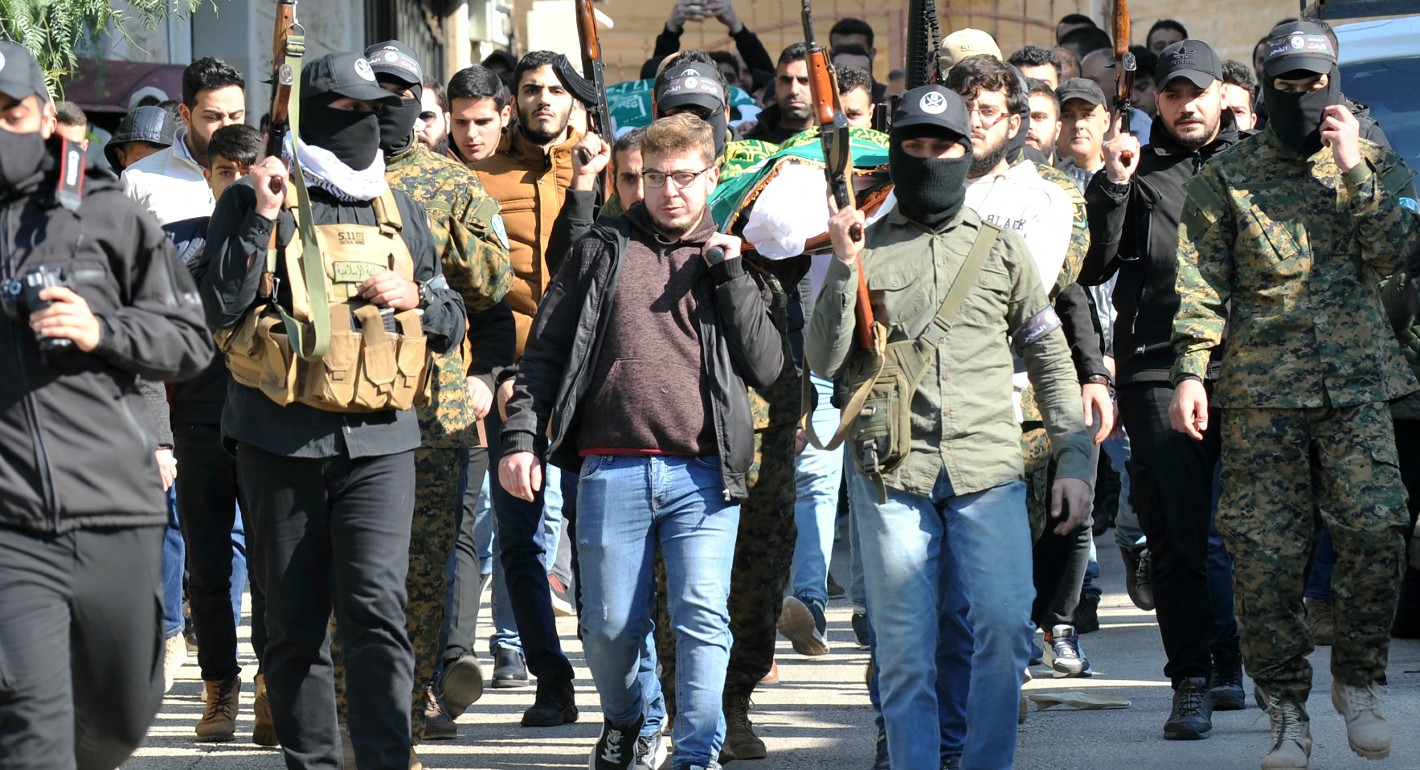
As Hezbollah and Shia militia continue their fight against Israel at Lebanon’s southern borders, Sunni military groups and factions in Lebanon have decided to take part in the ongoing Israel-Hamas conflict alongside the Iran-aligned party.
The Lebanese Sunni military group, the Quwwat al-Fajr, has announced its intention to join the fight against Israel alongside Hezbollah on the Israel-Lebanon border. The Quwwat al-Fajr are the military wing of Al-Jamaa al-Islamiya, a Lebanese Sunni Muslim organization also known as the Islamic Group in Lebanon. On October 18, 2023, the Quwwat al-Fajr announced their first military operation of the current conflict—a barrage of missile strikes targeting Israeli positions in Israeli-controlled territories.
The Quwwat al-Fajr’ involvement in the fighting is believed to be the result of the leadership elections held in the summer of 2022, which saw the victory of the Jamaa’s wing that is close to Hamas and Hezbollah. Following this, the group reemerged in southern Lebanon, an area under Hezbollah’s control where all military operations require approval from the Hezbollah-Hamas joint operations room.
Prior to the emergence of Hezbollah, the Quwwat al-Fajr were among the Lebanese resistance factions actively engaged in confrontations with Israel from 1982 to 1986. However, their significance in the resistance movement waned following the 1989 Taif Agreement, which granted the Syrian regime considerable control over Lebanese political decisions. Subsequent Lebanese governments, under Syrian influence, bolstered Hezbollah's political standing while curbing the participation of other parties—notably Al-Jamaa al-Islamiya—in military confrontations, including those in 2000 and the 2006 war with Israel.
The current involvement of Al-Jamaa al-Islamiya in the conflict is mutually advantageous for both Hezbollah and Al-Jamaa al-Islamiya itself. With the inclusion of a Sunni faction, Hezbollah is now able to legitimize its presence in Sunni villages along the border by showcasing collaboration with military factions from diverse sects. Meanwhile, the Muslim Brotherhood-affiliated movement can enhance its political standing and popularity, potentially paving the way for future access to the Lebanese parliament and government.
The Relationship with Hezbollah: An Interim or Strategic Alliance
The relationship between al-Jamaa al-Islamiya and Hezbollah was initially strained due to conflicts over the war in Syria. However, their relationship has since improved. Two years ago, Hamas intervened and facilitated negotiations between the leaders of both groups, aiming to form a political alliance among factions supporting “Wahdet al-Sahat” or the “unified battlefields” project.
The conflict in Gaza acted as a catalyst, hastening the formation of this alliance. The secretary-general of al-Jamaa al-Islamiya even went so far as to liken his group to Hezbollah in both form and substance. This comparison raised inquiries about the nature of the relationship between the two entities, pondering whether it would evolve into a sustained strategic alliance or remain a transient partnership driven solely by the necessities of the conflict between Hamas and Israel.
As Israel persistently targeted members of al-Jamaa al-Islamiya in recent months, coordination between Sunni and Shia factions became crucial. Media outlets and political analysts in Lebanon suggest that the group now hold periodic meetings with Hezbollah and its allies, working together to devise a postwar strategy with potential far-reaching consequences for the Lebanese people. Should this speculation materialize, it would mark the emergence of a groundbreaking alliance between Sunni and Shia military factions.
Divided position
Although the Lebanese Sunni community largely identifies with the Palestinian cause due to shared nationalist and religious sentiments, there exists a division among Sunnis in Lebanon regarding the involvement of the Quwwat al-Fajr and the Islamic Group in the recent battle initiated by Hezbollah from southern Lebanon on October 8.
Part of the Sunni political circle argue that the prevailing regional circumstances and the unfolding events in the Gaza Strip warrant active participation in the conflict. Conversely, others express concerns that such involvement might destabilize the state and exacerbate tensions within the Lebanese public.
In fact, doubts regarding the resurgence of the group escalated following public displays by its armed supporters in various areas over the past few months. These displays have sparked widespread condemnation of all forms of armed demonstrations, particularly those conducted by Sunni groups that have remained uninvolved in conflicts and militia formations throughout Lebanon's history.
Adding to the concerns of those who oppose the group's decision to engage in the Gaza conflict is the recruitment of volunteers into its military wing. This decision is poised to perpetuate a political landscape of internal polarization under the guise of supporting the Palestinian cause, potentially giving rise to new armed entities in Lebanon.
Possible outcomes
As Lebanon embarks on a new phase of political discourse concerning the terms of a ceasefire and reconciliation between Hezbollah and Israel, brokered by American and Arab mediators, the future of the armed factions engaged in the conflict hangs in the balance, contingent upon the final outcome and structure of the regional agreement.
However, it is reasonable to speculate that Hezbollah, representing Lebanon in negotiations, could advocate for the inclusion of its allies. These allies may receive Hezbollah's backing in light of their crucial political support and solidarity within “Wahdat al-Khandaq” or the "Unified Trench", and for bearing the heavy toll of engagement on the Lebanon-Israel front.
Nonetheless, Hezbollah might opt to prioritize its dominance in the military resistance, potentially leading to the sacrifice of less effective factions in the conflict. This could potentially place the Quwwat al-Fajr in jeopardy as collateral in such a compromise.
Suohayb Jawhar
Souhayb Gohar is a journalist and researcher known for his contributions to Al Jazeera Net, Al Araby Al Jadeed, and Syria TV. He specializes in producing documentaries that delve into historical and political subjects.
Carnegie does not take institutional positions on public policy issues; the views represented herein are those of the author(s) and do not necessarily reflect the views of Carnegie, its staff, or its trustees.
Syria's transition promised a fresh start. But are old habits of power making a comeback? This analysis looks at the warning signs and what it will take to build a more accountable state.

Sima Beitinjaneh
From anime heroes to online gaming communities, Morocco’s Gen Z is building a new protest culture. What does this digital imagination reveal about youth politics, and how should institutions respond?
Abdelilah Farah
In a volatile Middle East, the Omani port of Duqm offers stability, neutrality, and opportunity. Could this hidden port become the ultimate safe harbor for global trade?
Giorgio Cafiero, Samuel Ramani
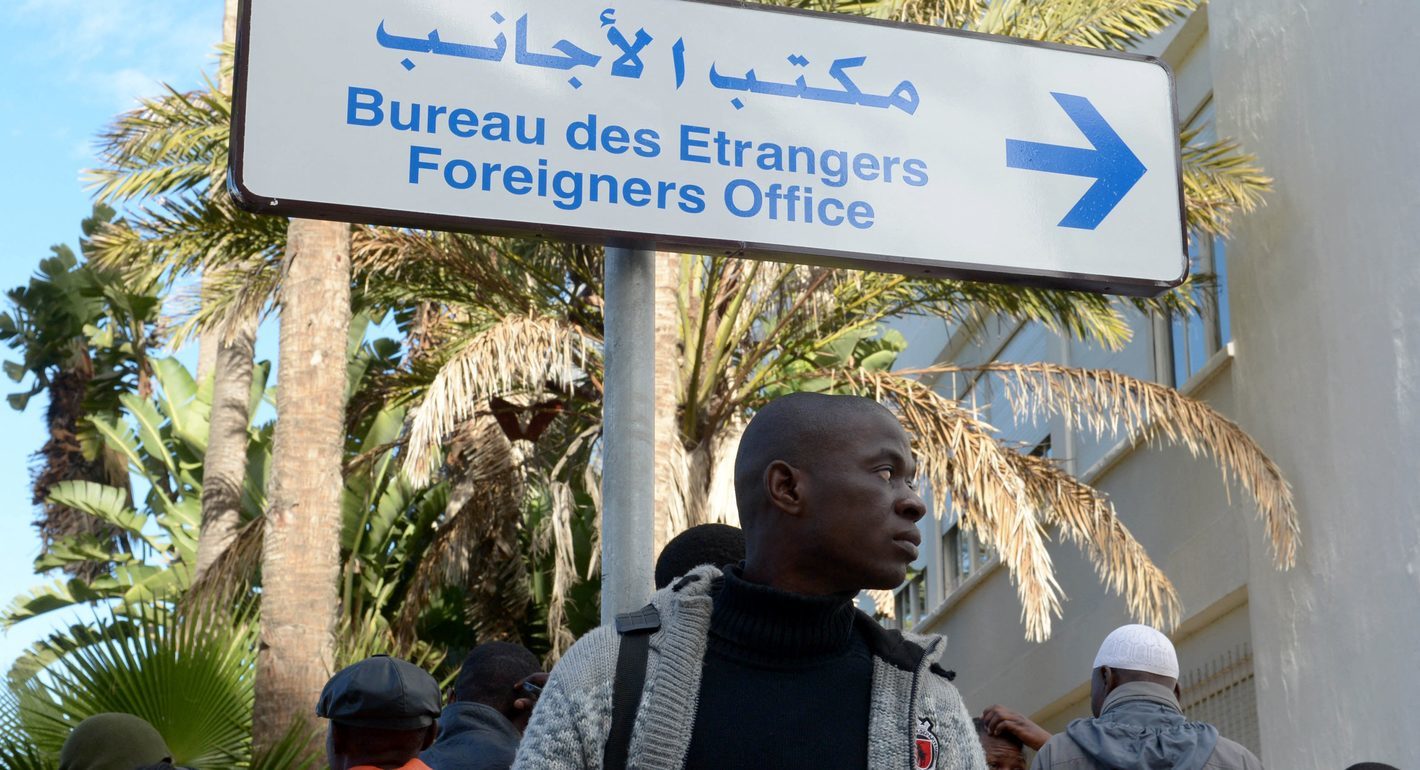
Is Morocco’s migration policy protecting Sub-Saharan African migrants or managing them for political and security ends? This article unpacks the gaps, the risks, and the paths toward real rights-based integration.
Soufiane Elgoumri
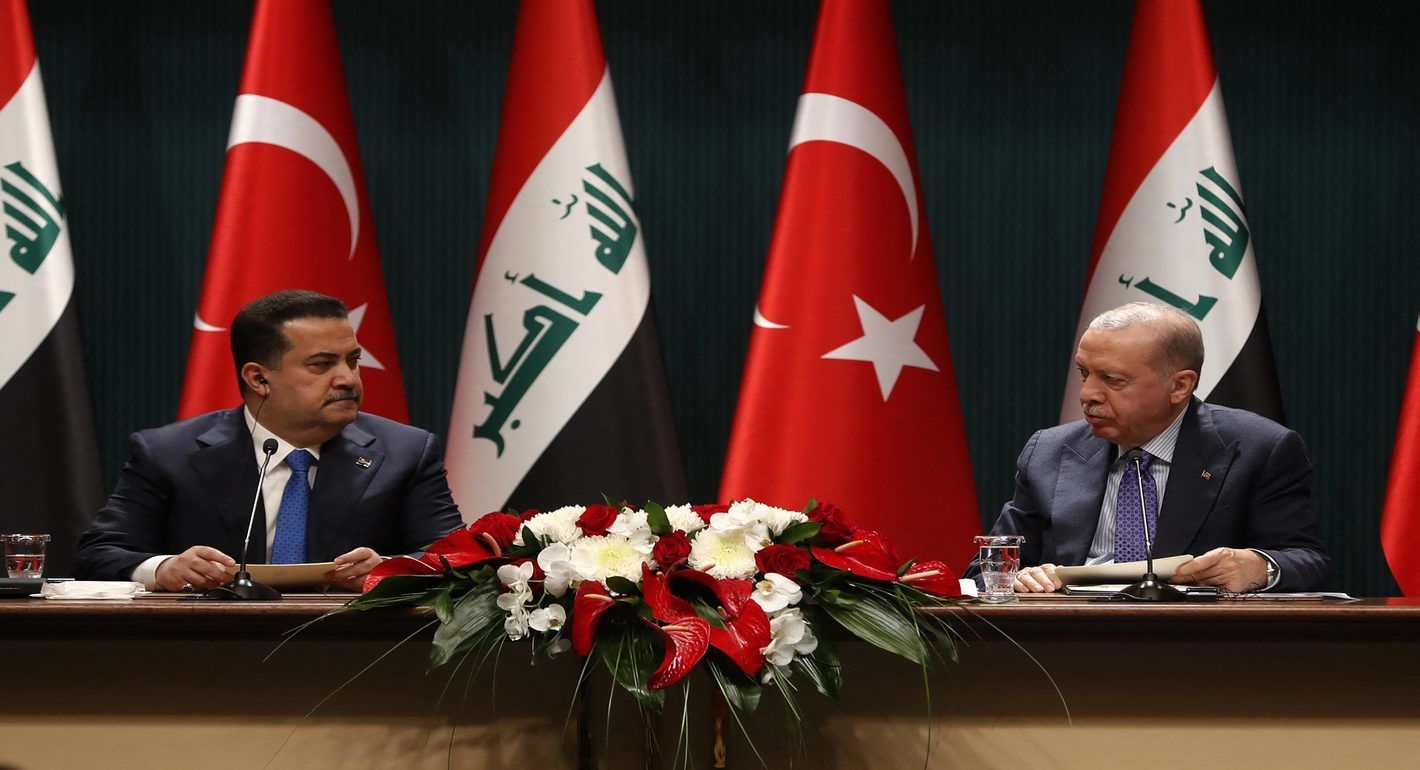
Iraq’s foreign policy is being shaped by its own internal battles—fractured elites, competing militias, and a state struggling to speak with one voice. The article asks: How do these divisions affect Iraq’s ability to balance between the U.S. and Iran? Can Baghdad use its “good neighbor” approach to reduce regional tensions? And what will it take for Iraq to turn regional investments into real stability at home? It explores potential solutions, including strengthening state institutions, curbing rogue militias, improving governance, and using regional partnerships to address core economic and security weaknesses so Iraq can finally build a unified and sustainable foreign policy.
Mike Fleet