

Commentary
Syria's transition promised a fresh start. But are old habits of power making a comeback? This analysis looks at the warning signs and what it will take to build a more accountable state.
Sima Beitinjaneh
{
  "authors": [
    "Mohamed El Tayeb"
  ],
  "type": "commentary",
  "blog": "Sada",
  "centerAffiliationAll": "dc",
  "centers": [
    "Carnegie Endowment for International Peace"
  ],
  "englishNewsletterAll": "menaTransitions",
  "nonEnglishNewsletterAll": "",
  "primaryCenter": "Carnegie Endowment for International Peace",
  "programAffiliation": "MEP",
  "programs": [
    "Middle East"
  ],
  "projects": [],
  "regions": [
    "Sudan",
    "North Africa"
  ],
  "topics": [
    "Security",
    "Political Reform",
    "Education"
  ]
}
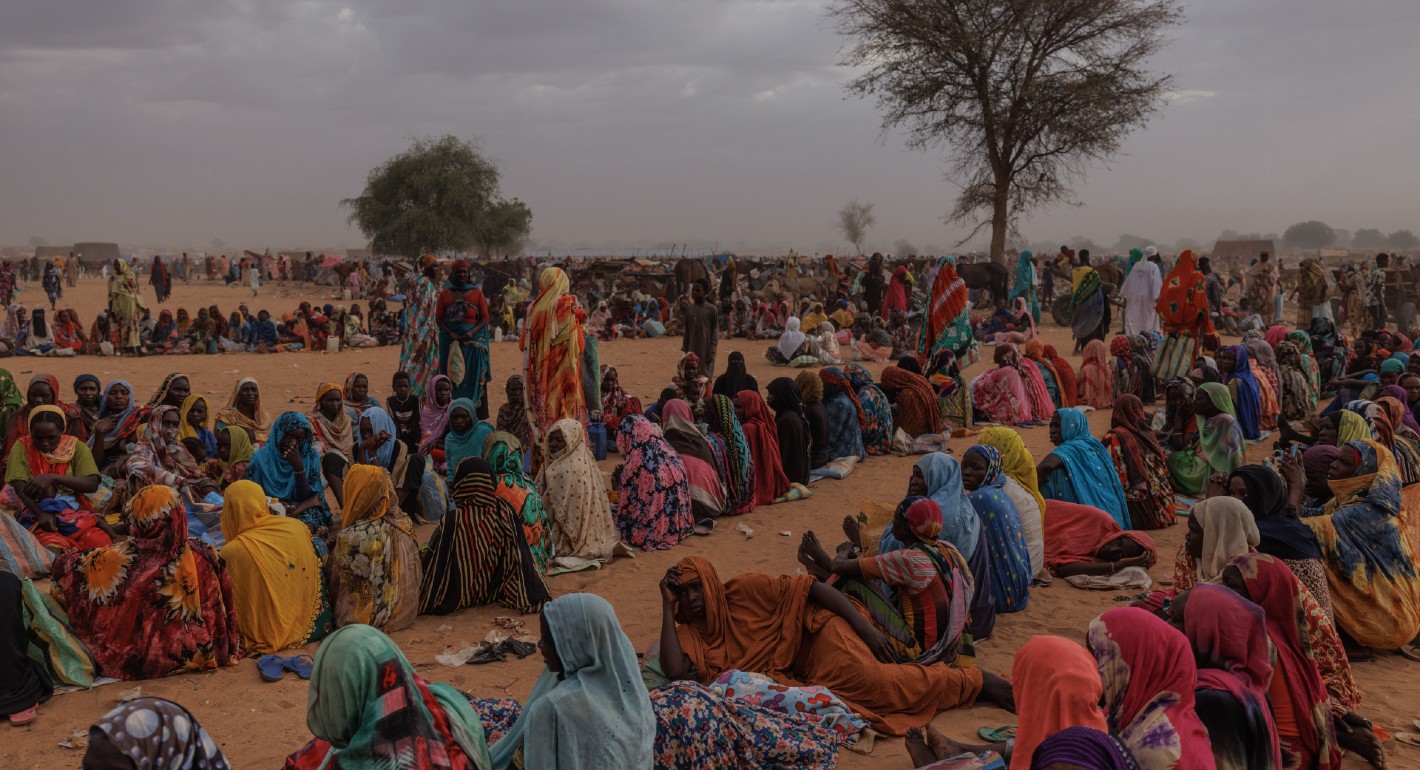
Source: Getty
Although one out of every eight internally displaced people in the world is in Sudan, the armed conflict continues to force millions more Sudanese to flee, deepening the humanitarian crisis and exacerbating food insecurity.
Invalid video URL
The number of internally displaced people in Sudan as a result of the recent war that broke out in mid-April 2023 has reached more than 6 million people, according to the latest update issued by the International Organization for Migration last January. This number is in addition to more than 3 million previously registered displaced persons as a result of conflicts and wars in Darfur, Blue Nile and South Kordofan. Gedaref State hosts about 400,000 displaced people, distributed between more than 30 shelter centers in the state.
United Nations reports indicate that about 25 million people in Sudan are in need of urgent humanitarian assistance, including about 14 million children. Food insecurity is widespread, with 37 percent of the population, or about 17.7 million people, suffering from acute hunger.
Camps for those displaced due to the conflict were concentrated in states adjacent to areas that witnessed military operations, such as Khartoum, Darfur states, and Al-Jazeera state in central Sudan, as well as Gedaref, River Nile, and Kassala states. Millions of families left their homes in search of a safe place, but they faced significant shortages inadequate shelter, medical treatment, and the availability of food and water, because of the damage to the agricultural, economic, and service sectors of the state caused by the war and its complications.
Asmaa, 30 years old, was displaced twice: first from Khartoum after the outbreak of fighting, andthen from Wad Damani last December after the Rapid Support Forces took control there. She tells “Sada” of her and her six children’s suffering during the long journey of displacement from the capital to the outskirts of eastern Sudan in Gedaref State, passing through Gezira State. She describes the deteriorating situation after arriving in Gedaref, saying, “We did not find any organization to receive us, and we did not find treatment for my children, who get sick frequently.” She complains of high prices and poverty due to the loss of her sources of livelihood as a result of the war. Above all, a state of fear and terror dominates her children because of the horrors they have experienced.
Asmaa's story differs little from that of Somaya Haroun, 45, who fled Khartoum in the first wave of displacement. Somaya told Sada, “We were about fifteen people hiding under the beds due to the intensity of the fire, and we decided to get out quickly and fled from Khartoum with only our clothes to Wad Madani. We lived under trees for about two months and built a roof from leftover wood to protect from the rain and the cold, until one organization provided us with a school classroom to live in.” But the state of Gezira did not welcome Somaya and her family for long, as military forces raided them at the end of December after the Rapid Support Forces stormed the city, causing her family to disperse and her second exodus to the city of Gedaref in eastern Sudan.
Musaab Saleh, a humanitarian activist, says, “The large numbers of displaced people in Gedaref State have exceeded the city’s service capacity.” He stressed that there are many challenges and difficulties facing the displaced, notably problems related to health, shelter, food security, and safety. He added that the repercussions of the war directly affect the Sudanese, and that its effects were evident in the scarcity of treatment and food supplies and the high unemployment rate due to the cessation of life, factories, and services.
Recent statistics underscore the urgent need to intensify humanitarian efforts and global attention to address what has now become the world's largest displacement crisis. “One in eight of the world’s internally displaced people is in Sudan,” said IOM Director-General Amy Pope. “Their needs are enormous,” Pope says. “Severe shortages of food, shelter, health care and sanitation all combine to put them at increased risk of disease, malnutrition and violence. However, the humanitarian response to date is insufficient to meet the dire needs.”
Mohamed El Tayeb
Mohamed Eltayeb is a Sudanese journalist and documentary film producer. He currently works as a senior producer at the Al-Jazeera Center for Public Liberties and Human Rights. He is the producer of the documentary Sada: Sudan: The Pains of Displacement.
Carnegie does not take institutional positions on public policy issues; the views represented herein are those of the author(s) and do not necessarily reflect the views of Carnegie, its staff, or its trustees.
Syria's transition promised a fresh start. But are old habits of power making a comeback? This analysis looks at the warning signs and what it will take to build a more accountable state.
Sima Beitinjaneh
In a volatile Middle East, the Omani port of Duqm offers stability, neutrality, and opportunity. Could this hidden port become the ultimate safe harbor for global trade?
Giorgio Cafiero, Samuel Ramani
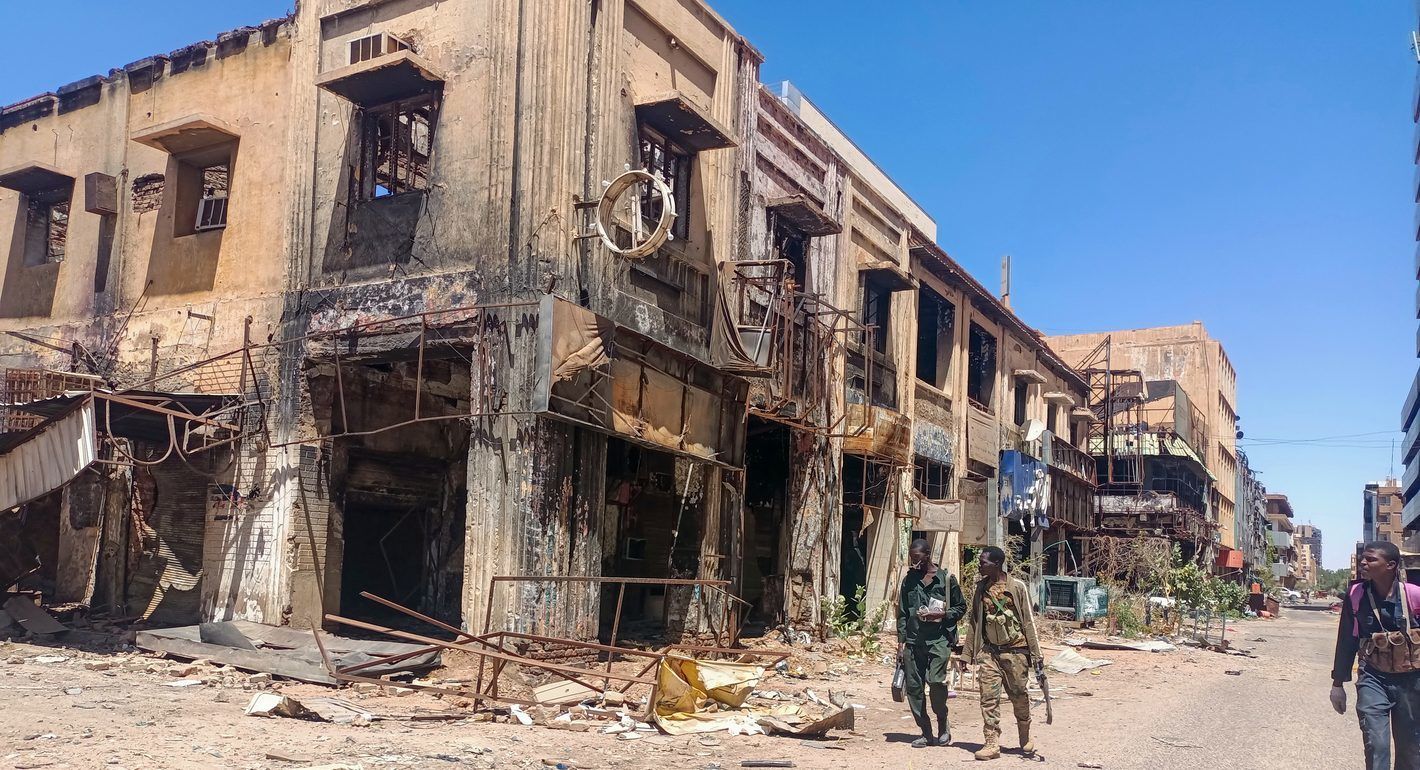
Hate speech has spread across Sudan and become a key factor in worsening the war between the army and the Rapid Support Forces. The article provides expert analysis and historical background to show how hateful rhetoric has fueled violence, justified atrocities, and weakened national unity, while also suggesting ways to counter it through justice, education, and promoting a culture of peace.
Samar Sulaiman
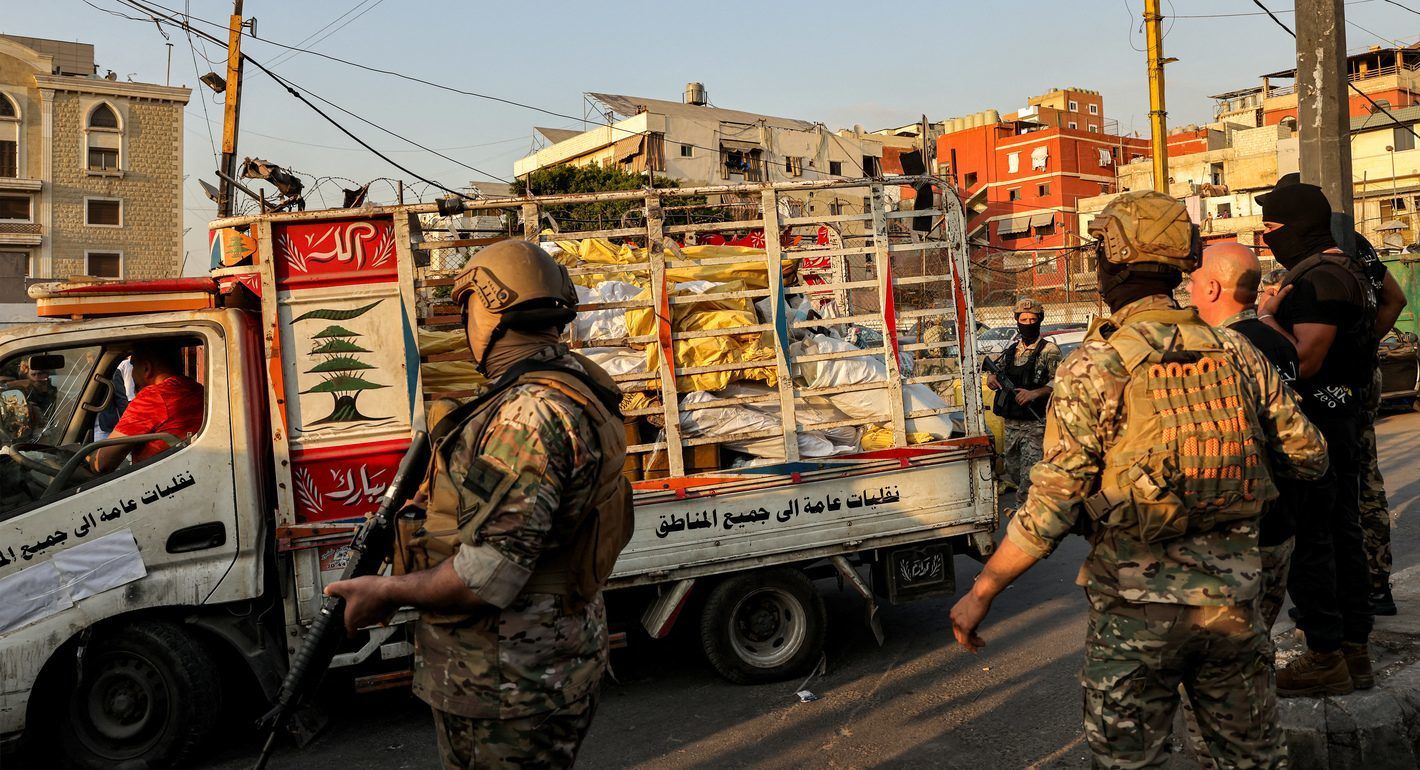
The August 2025 government decision to restrict weapons to the Lebanese state, starting with Palestinian arms in the camps, marked a major test of Lebanon’s ability to turn a long-standing slogan into practical policy. Yet the experiment quickly exposed political hesitation, social gaps, and factional divisions, raising the question of whether it can become a model for addressing more sensitive files such as Hezbollah’s weapons.
Souhayb Jawhar
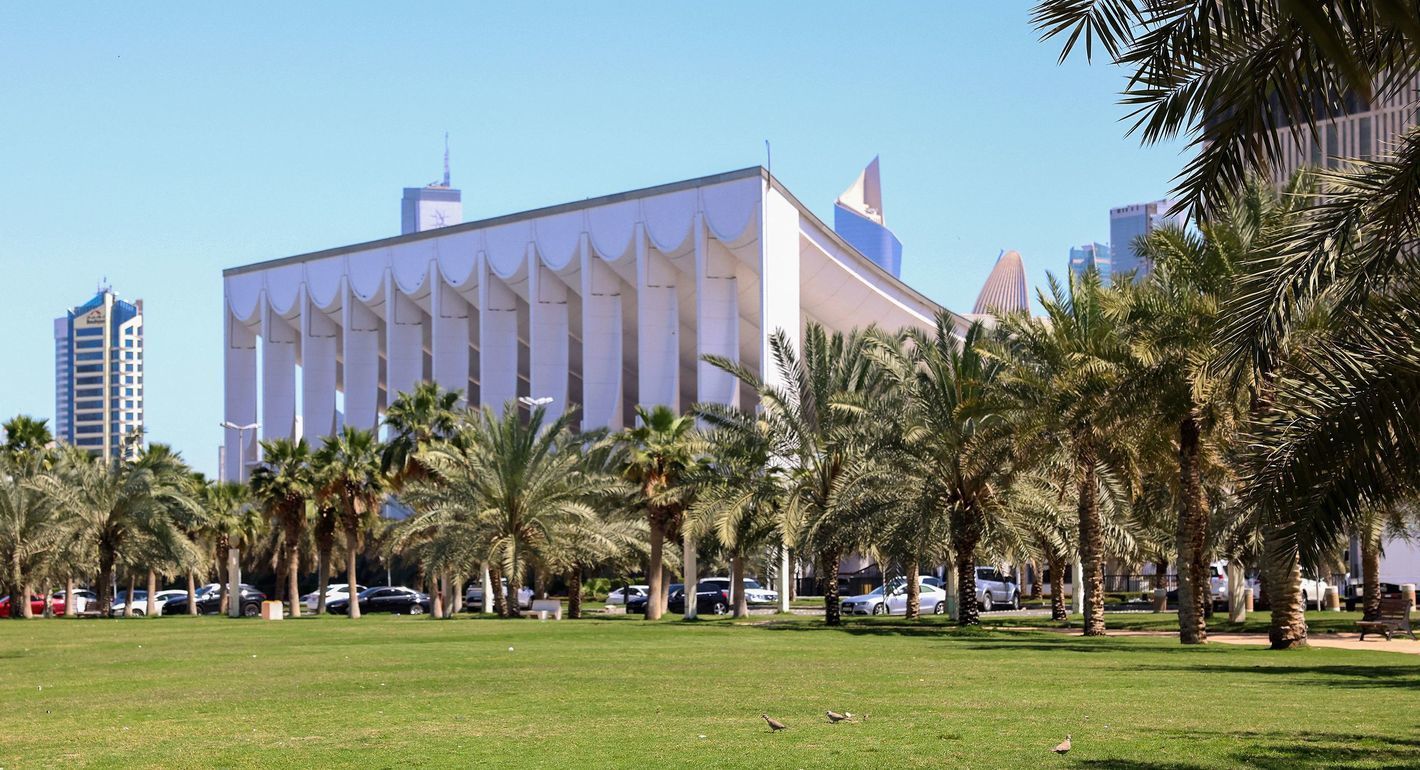
Kuwait’s government has repeatedly launched ambitious reforms under Kuwait Vision 2035, yet bureaucratic inefficiency, siloed institutions, and weak feedback mechanisms continue to stall progress. Adopting government analytics—real-time monitoring and evidence-based decision-making—can transform reform from repetitive announcements into measurable outcomes.
Dalal A. Marafie