

Commentary
Our new report offers a path forward for local officials and future policymakers.
- +2
Joe McCannon, Jenny Keroack, Lauren Jensen, …
{
  "authors": [
    "Fiona Hill",
    "Anatol Lieven",
    "Thomas de Waal"
  ],
  "type": "other",
  "centerAffiliationAll": "dc",
  "centers": [
    "Carnegie Endowment for International Peace"
  ],
  "collections": [],
  "englishNewsletterAll": "ctw",
  "nonEnglishNewsletterAll": "",
  "primaryCenter": "Carnegie Endowment for International Peace",
  "programAffiliation": "russia",
  "programs": [
    "Russia and Eurasia"
  ],
  "projects": [],
  "regions": [
    "United States",
    "Caucasus",
    "Russia"
  ],
  "topics": [
    "Political Reform",
    "Economy",
    "Foreign Policy"
  ]
}
REQUIRED IMAGE
The ongoing conflict in and around Chechnya is helping to feed the wider international jihadi movement, and is endangering the West as well as Russia. Mutual recriminations over the conflict have badly damaged relations between Russia and the West. While most of the blame for this lies with Russian policies, the Western approach to the issue has often been unhelpful and irresponsible.
The ongoing conflict in and around Chechnya is helping to feed the wider international jihadi movement, and is endangering the West as well as Russia. The next "soft target" of North Caucasian terrorism could be a Western one. Mutual recriminations over the conflict have badly damaged relations between Russia and the West. While most of the blame for this lies with Russian policies, the Western approach to the issue has often been unhelpful and irresponsible. Denunciations of Russian behavior have not been matched by a real understanding of the Chechen conflict or a real commitment to help. In their own interest, Western countries need urgently to address the crisis in the North Caucasus. This requires them to recognize the seriousness of the threat, to open a real dialogue on cooperation with Russia rather than simply making criticisms, and to make a serious economic contribution to the region.
Click on link above for the full text of this Policy Brief.
A limited number of print copies are available.
Request a copy
About the Authors
Fiona Hill is a senior fellow at the Brookings Institution and has researched, published, and commented extensively on Russian and Eurasian affairs and on international strategic and energy issues. Her book with Brookings senior fellow Clifford Gaddy, The Siberian Curse: How Communist Planners Left Russia Out in the Cold, was published by Brookings Press in December 2003.
Anatol Lieven is a senior associate at the Carnegie Endowment for International Peace. From 1990 to 1996 he was a correspondent for the Times (London) in the former Soviet Union, and covered the first Chechen War as a reporter. His book Chechnya, Tombstone of Russian Power was published by Yale University Press in 1998. His most recent book, America Right or Wrong: An Anatomy of American Nationalism, was published by Oxford University Press in 2004. A journalist, writer, and historian, Lieven writes on a range of security and international affairs issues. Previously, he was editor of Strategic Comments, published by the International Institute for Strategic Studies (IISS) in London. Thomas de Waal is Caucasus editor at the Institute for War and Peace Reporting. He studied Russian and Modern Greek at Oxford before working in London and Moscow for the BBC World Service, the Moscow Times, the Times of London and the Economist. He is co-author (with Carlotta Gall) of Chechnya: Calamity in the Caucasus (NYU Press, 1998) and author of Black Garden: Armenia and Azerbaijan through Peace and War (NYU Press, 2003).
Fiona Hill
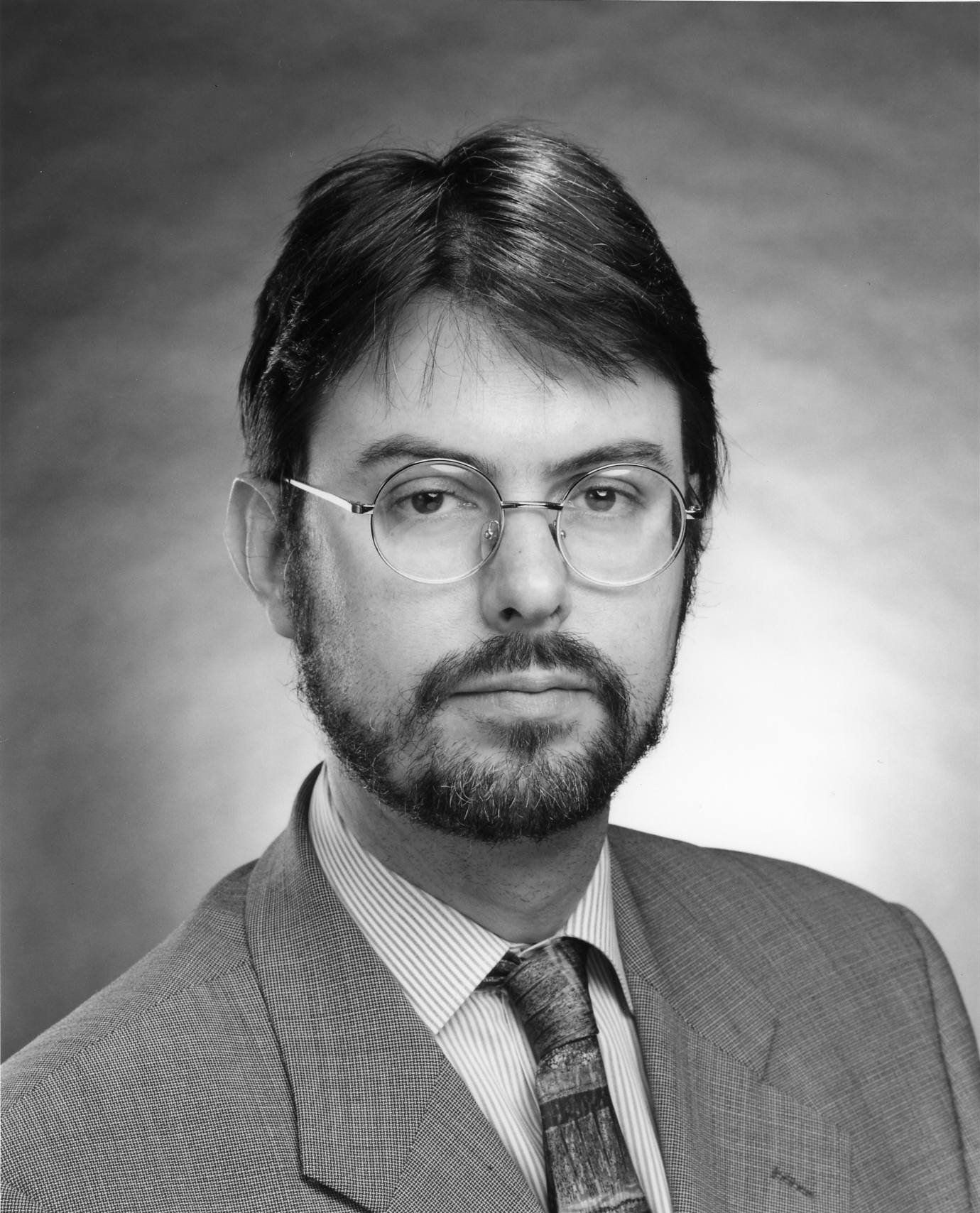
Former Senior Associate

Senior Fellow, Carnegie Europe
Thomas de Waal is a senior fellow at Carnegie Europe, specializing in Eastern Europe and the Caucasus.
Carnegie does not take institutional positions on public policy issues; the views represented herein are those of the author(s) and do not necessarily reflect the views of Carnegie, its staff, or its trustees.
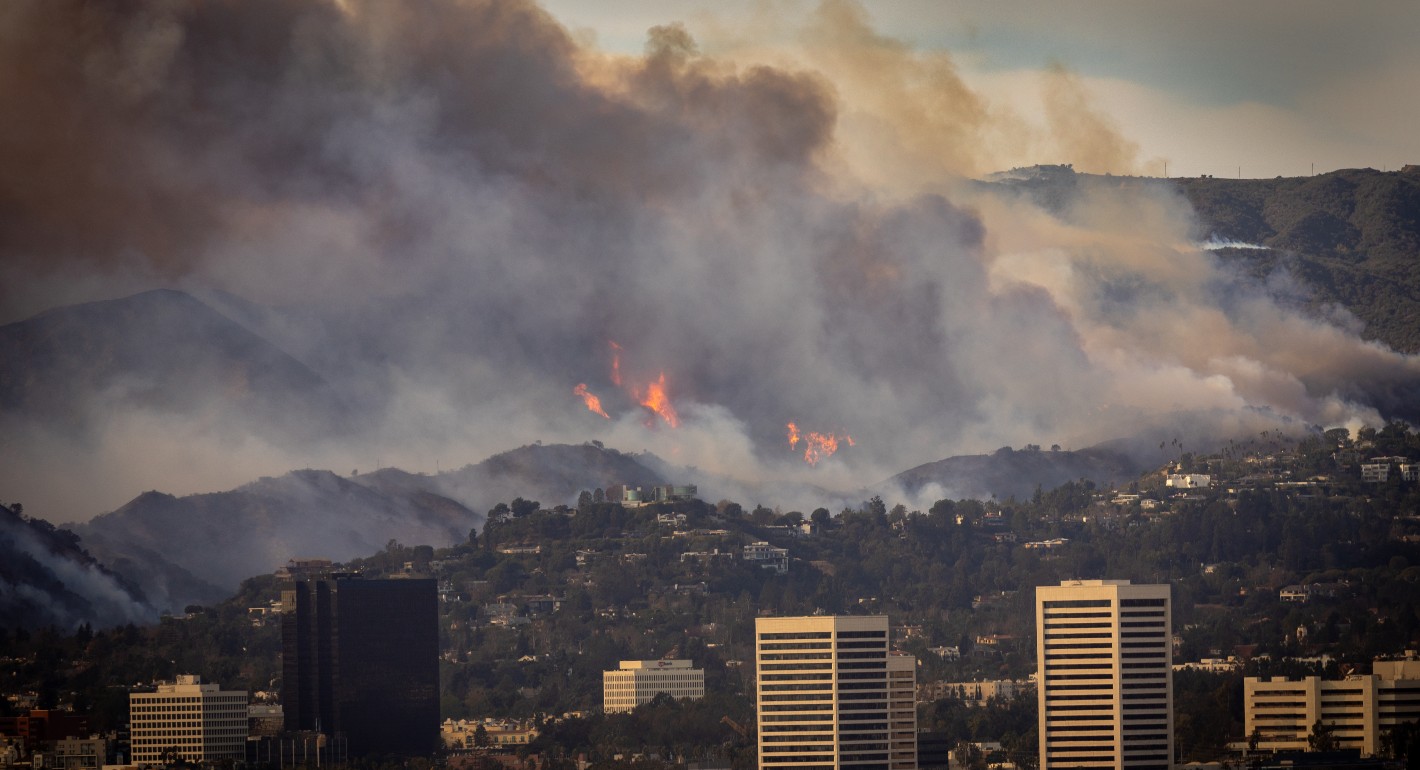
Our new report offers a path forward for local officials and future policymakers.



Joe McCannon, Jenny Keroack, Lauren Jensen, …

Present and future policymakers seeking to address climate-related health challenges can draw lessons from the successes and failures of the Biden administration.
Joe McCannon, Jenny Keroack, Lauren Jensen, …
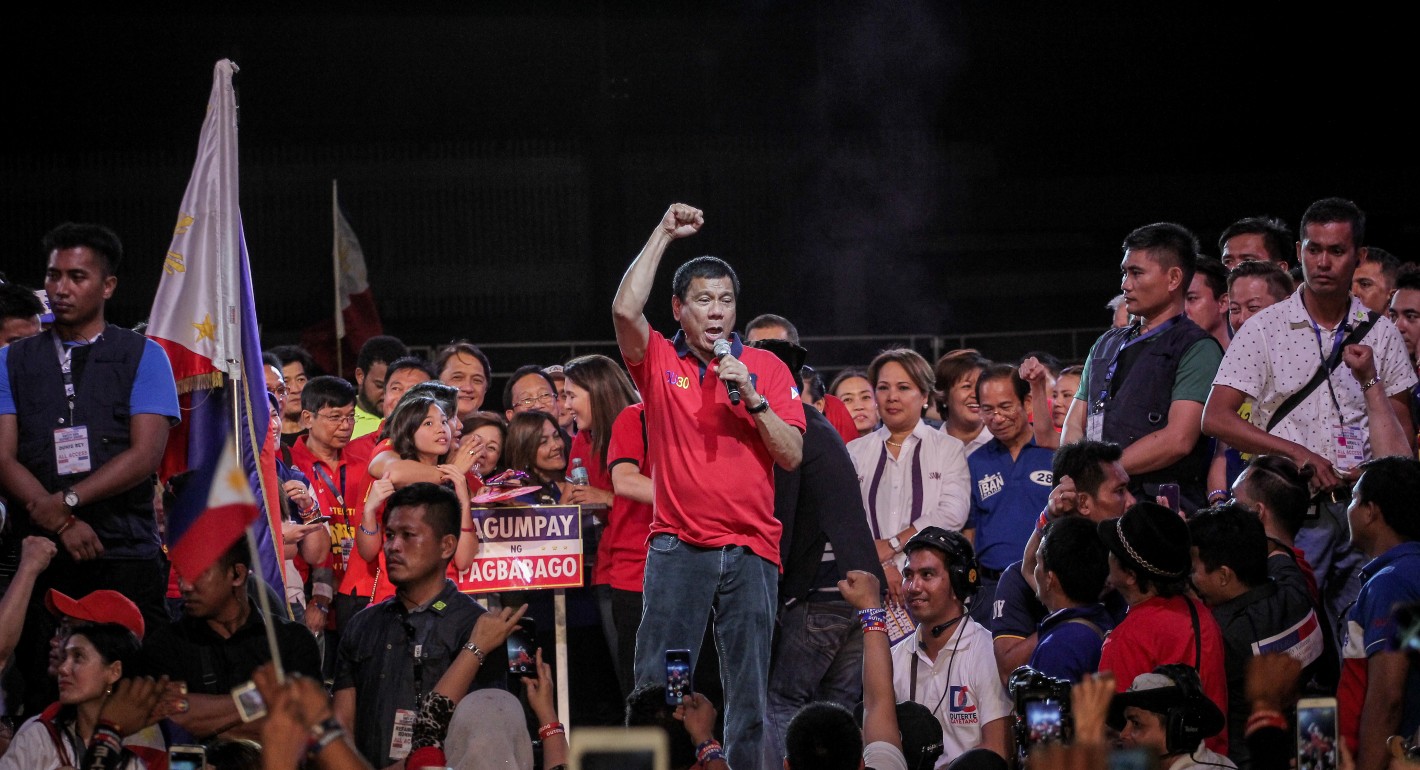
In the Philippines, Duterte-era discourse emphasizing sovereignty, anti-Western skepticism, and strongman diplomacy mirrors tenets of populist foreign policy around the world.
Aries A. Arugay
Powerful lobbyists and inertia led to Russia’s coal-mining sector missing an excellent opportunity to solve its structural problems.
Alexey Gusev
Unless Beirut lowers expectations, any setbacks will end up bolstering Hezbollah’s narrative.

Mohanad Hage Ali