

Article
Marina Ottaway, Omar Hossino

REQUIRED IMAGE
Source: Carnegie Endowment
Summary
This short paper launches the second set of studies in the Carnegie Papers Middle East Series. The first set, now also published as a book under the title Uncharted Journey: Promoting Democracy in the Middle East, examined the most important issues concerning democracy promotion and democratic change in the Middle East.
One of the conclusions that emerged from those studies is that the Middle East still offers a rather discouraging political picture. There are some liberalized autocracies but no democratic countries in the region. The link between economic and political reform remains weak. Democratic reformers have failed to build strong constituencies, and the organizations with strong constituencies are Islamist rather than democratic.
The integration of Islamists in the reform process remains poor. And the United States, now championing democracy in the region, has little credibility in Arab eyes, and still has not consistently integrated democracy promotion in its policy toward the area. Yet, despite all these problems, it is becoming increasingly clear that there is a ferment of reform in the Middle East. But how signficant is it? The second set of papers will try to answer that question through case studies of individual countries.
Click on link above for the full text of this Carnegie Paper.
About the Author
Marina Ottaway is senior associate in the Democracy and Rule of Law Project at the Carnegie Endowment. She is the coeditor of Uncharted Journey: Promoting Democracy in the Middle East, and author of nine books, including Democracy Challenged: The Rise of Semi-Authoritarianism.

Former Senior Associate, Middle East Program
Before joining the Endowment, Ottaway carried out research in Africa and in the Middle East for many years and taught at the University of Addis Ababa, the University of Zambia, the American University in Cairo, and the University of the Witwatersrand in South Africa.
Recent Work
Marina Ottaway, Omar Hossino
Marina Ottaway
Carnegie does not take institutional positions on public policy issues; the views represented herein are those of the author(s) and do not necessarily reflect the views of Carnegie, its staff, or its trustees.

China’s political future will be shaped between now and next October. As the Communist Party enters its intense “campaign season” to prepare for a major political transition in 2027, reading Beijing's actions and responses may become more difficult as domestic politics weigh on its behavior more than usual.

Damien Ma

The EU can impose sanctions but struggles to enforce them without the United States. With Washington increasingly disinterested in backing European interests, the bloc must now fend for itself.


Nicu Popescu, Tiago Antunes
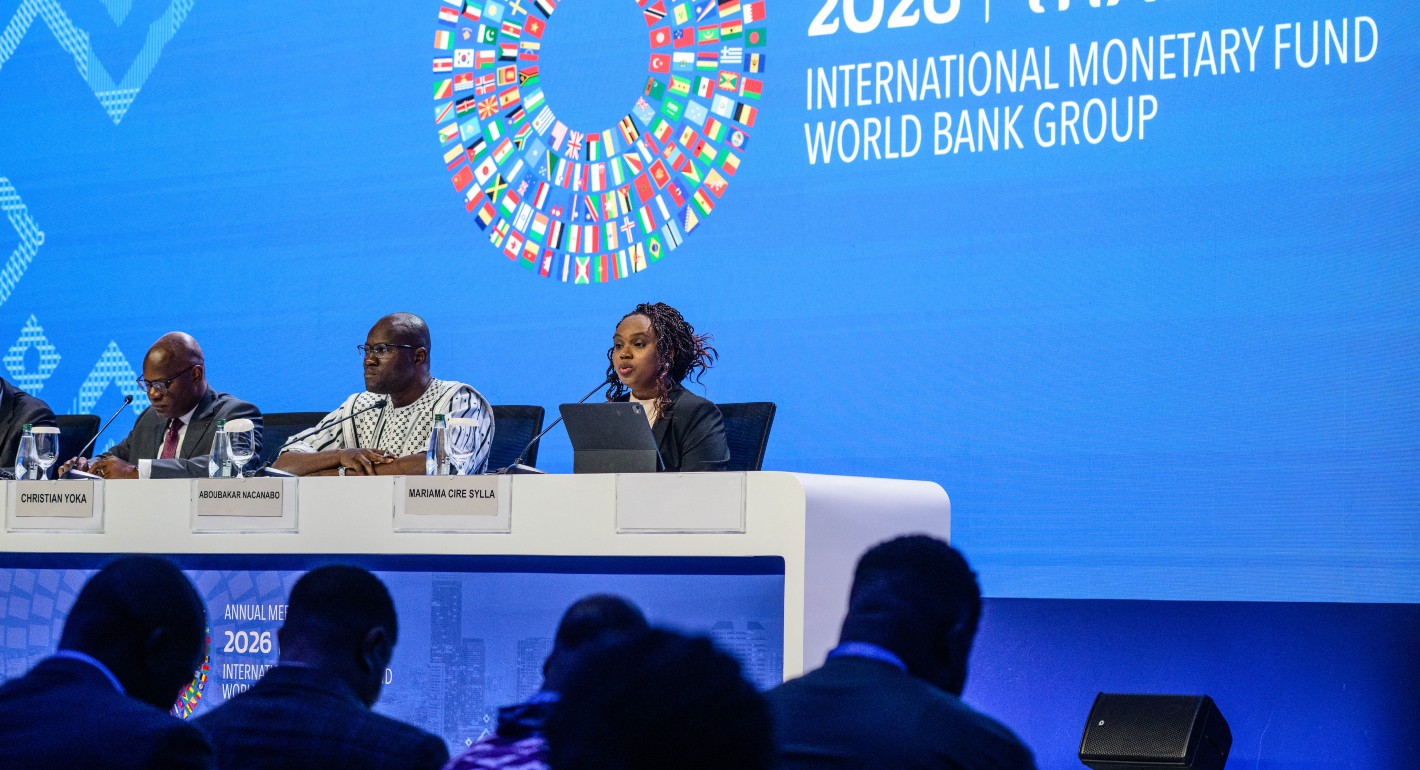
Global and rising powers will need to engage with Africa’s priorities and agency in order to secure the continent’s increasingly attractive partnerships.
Fonteh Akum

Rubio’s recent visit brought welcome attention, but more capital requires governance changes that may be a hard sell for regional governments.

Jennifer B. Murtazashvili

America’s foreign-policy objectives have grown more demanding while Americans have demanded greater focus on their own affairs.

Stephen Wertheim