

Commentary
Montenegro and Albania are frontrunners for EU enlargement in the Western Balkans, but they can’t just sit back and wait. To meet their 2030 accession ambitions, they must make a strong positive case.
Dimitar Bechev, Iliriana Gjoni
{
  "authors": [
    "Minxin Pei",
    "Michael D. Swaine"
  ],
  "type": "other",
  "centerAffiliationAll": "dc",
  "centers": [
    "Carnegie Endowment for International Peace",
    "Carnegie China"
  ],
  "collections": [],
  "englishNewsletterAll": "asia",
  "nonEnglishNewsletterAll": "",
  "primaryCenter": "Carnegie China",
  "programAffiliation": "AP",
  "programs": [
    "Asia"
  ],
  "projects": [],
  "regions": [
    "China",
    "East Asia",
    "Japan"
  ],
  "topics": [
    "Military",
    "Foreign Policy",
    "Domestic Politics"
  ]
}
REQUIRED IMAGE
Source: Carnegie Endowment
The rapid deterioration in Sino-Japanese relations in recent years has raised geopolitical tensions in East Asia and could embroil China and Japan in a dangerous strategic conflict that could be threatening to U.S. interests. China’s rise, Japan’s growing assertiveness in foreign policy, and new security threats and uncertainties in Asia are driving the two countries increasingly further apart. Political pandering to nationalist sentiments in each country has also contributed to the mismanagement of bilateral ties. But Japan and China are not destined to repeat the past. Their leaders must ease the tensions, restore stability, and pursue a new agenda of cooperation as equals. For its part, the United States must play a more positive and active role.
In the last two years, the ties between Beijing and Tokyo have been severely damaged by a series of crises and incidents, and domestic sentiments are increasingly hostile toward each other. Given the economic and strategic importance of Japan and China in East Asia, the downward spiral of Sino-Japanese relations poses a major threat to the region’s peace, stability, and prosperity, and to U.S. interests in the region. In a new Carnegie Policy Brief, Simmering Fire in Asia: Averting Sino-Japanese Strategic Conflict, Senior Associates Minxin Pei and Michael Swaine analyze the underlying strategic dynamics of the recent events in Asia.
Click on the link above for the full text of this Carnegie publication.
A limited number of print copies are available.
Request a copy
About the Authors
Minxin Pei is a senior associate and director of the China Program at the Carnegie Endowment. He is the author of From Reform to Revolution: The Demise of Communism in China and the Soviet Union (Harvard University Press, 1994) and China’s Trapped Transition: The Limits of Developmental Autocracy (Harvard University Press, 2006).
Michael Swaine is a senior associate in the Carnegie Endowment's China Program, specializing in Chinese security and foreign policy, U.S.-China relations, and East Asian Relations. He is the author of Deterring Conflict In The Taiwan Strait :The Successes and Failures of Taiwan’s Defense Reform and Modernization Program (Carnegie Paper # 47).

Former Adjunct Senior Associate, Asia Program
Pei is Tom and Margot Pritzker ‘72 Professor of Government and the director of the Keck Center for International and Strategic Studies at Claremont McKenna College.

Former Senior Fellow, Asia Program
Swaine was a senior fellow at the Carnegie Endowment for International Peace and one of the most prominent American analysts in Chinese security studies.
Carnegie does not take institutional positions on public policy issues; the views represented herein are those of the author(s) and do not necessarily reflect the views of Carnegie, its staff, or its trustees.
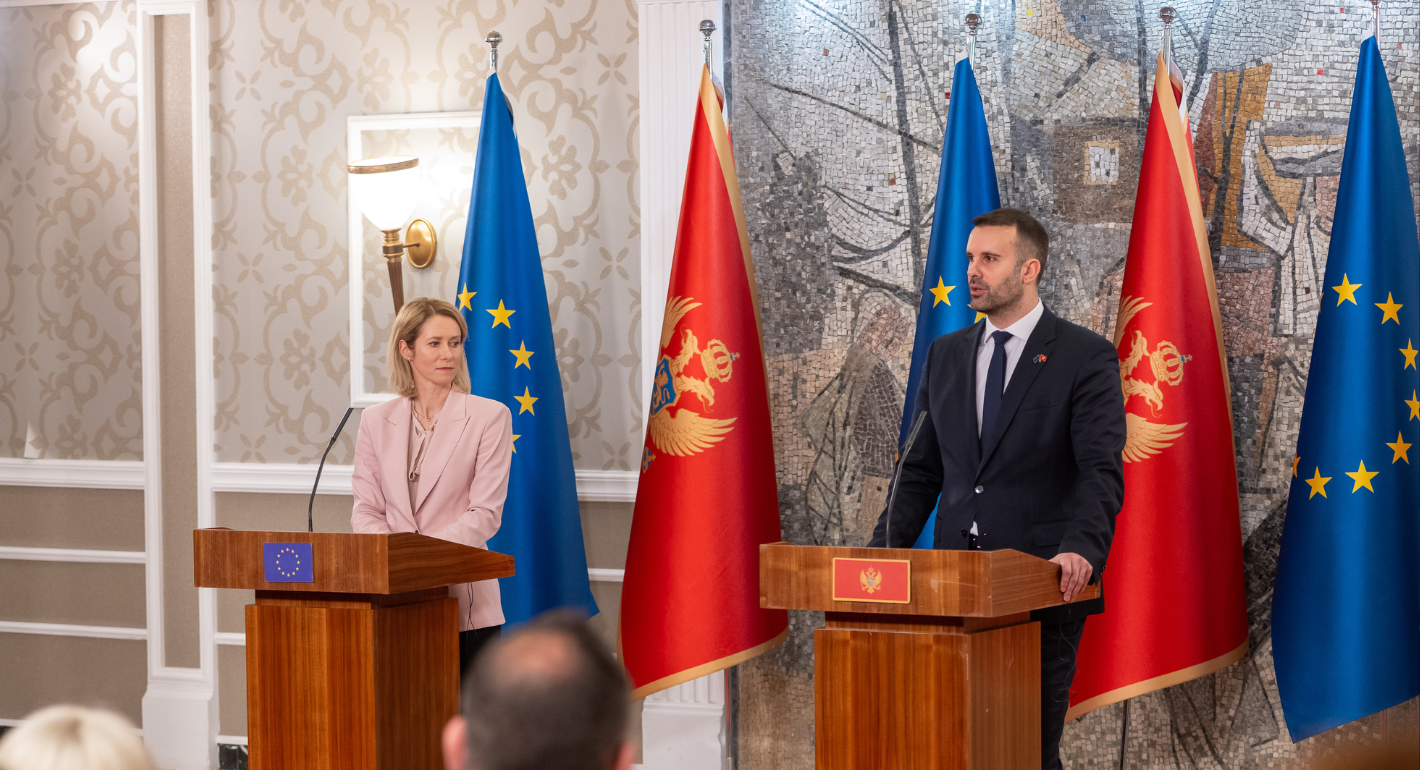
Montenegro and Albania are frontrunners for EU enlargement in the Western Balkans, but they can’t just sit back and wait. To meet their 2030 accession ambitions, they must make a strong positive case.


Dimitar Bechev, Iliriana Gjoni
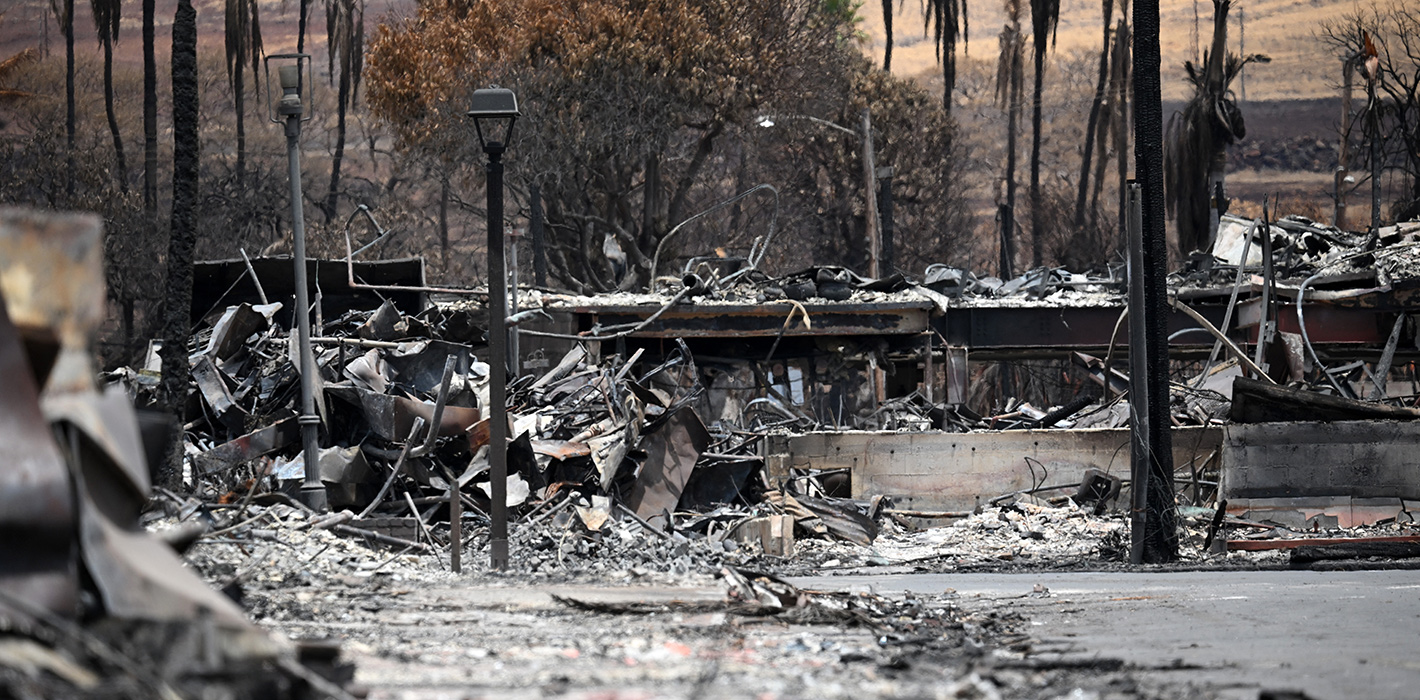
By reorganizing federal disaster policy around the rights of displaced people, the United States could unlock additional federal resources, accelerate the rebuilding of lives and livelihoods, and reduce suffering and economic disruption.

Kayly Ober

Its reinstatement should be celebrated, but it retains some major shortcomings.

Leonardo Martinez-Diaz
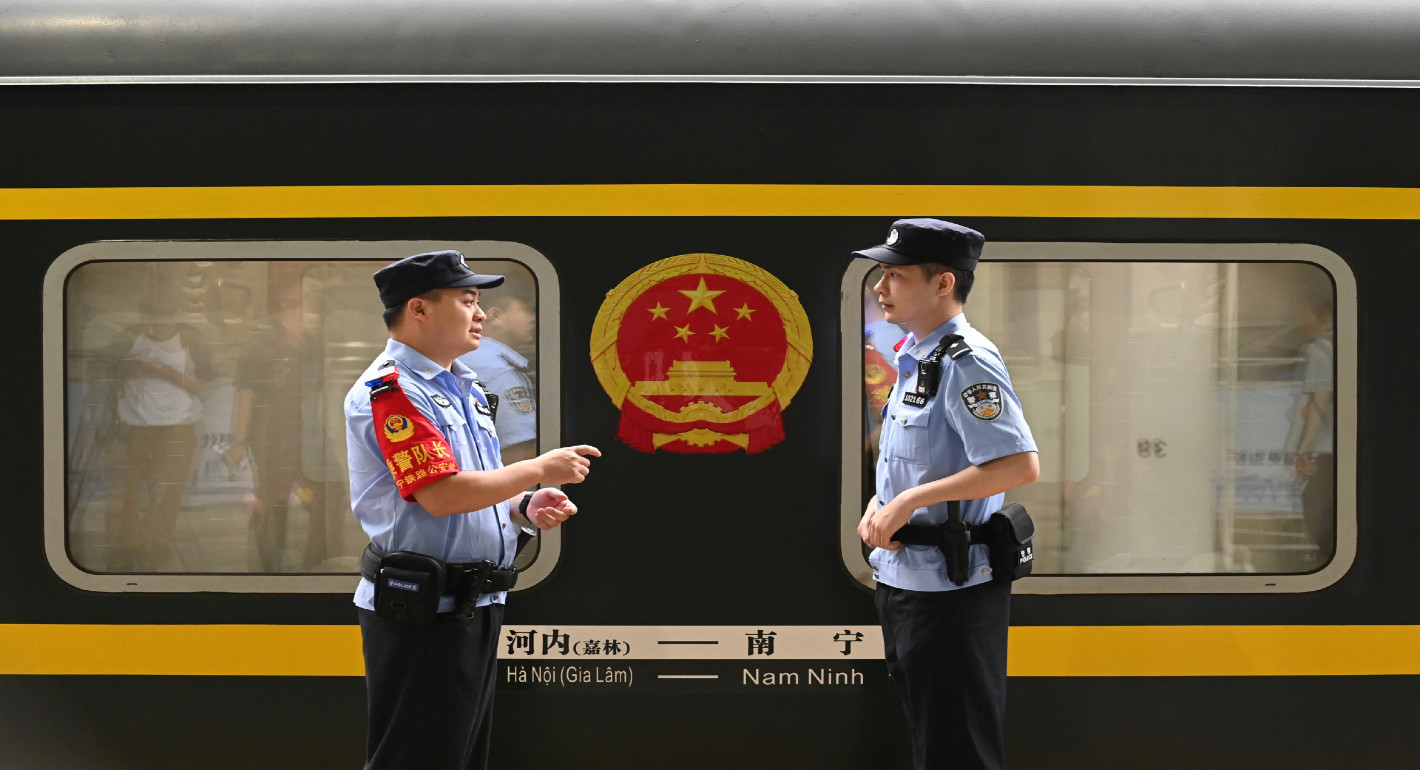
Despite long-standing differences, China and Vietnam are reinforcing common ground for collaboration, especially in public security. This internal security–centered diplomacy offers a strengthened road map for how China moves forward with Southeast Asia.
Sophie Zhuang
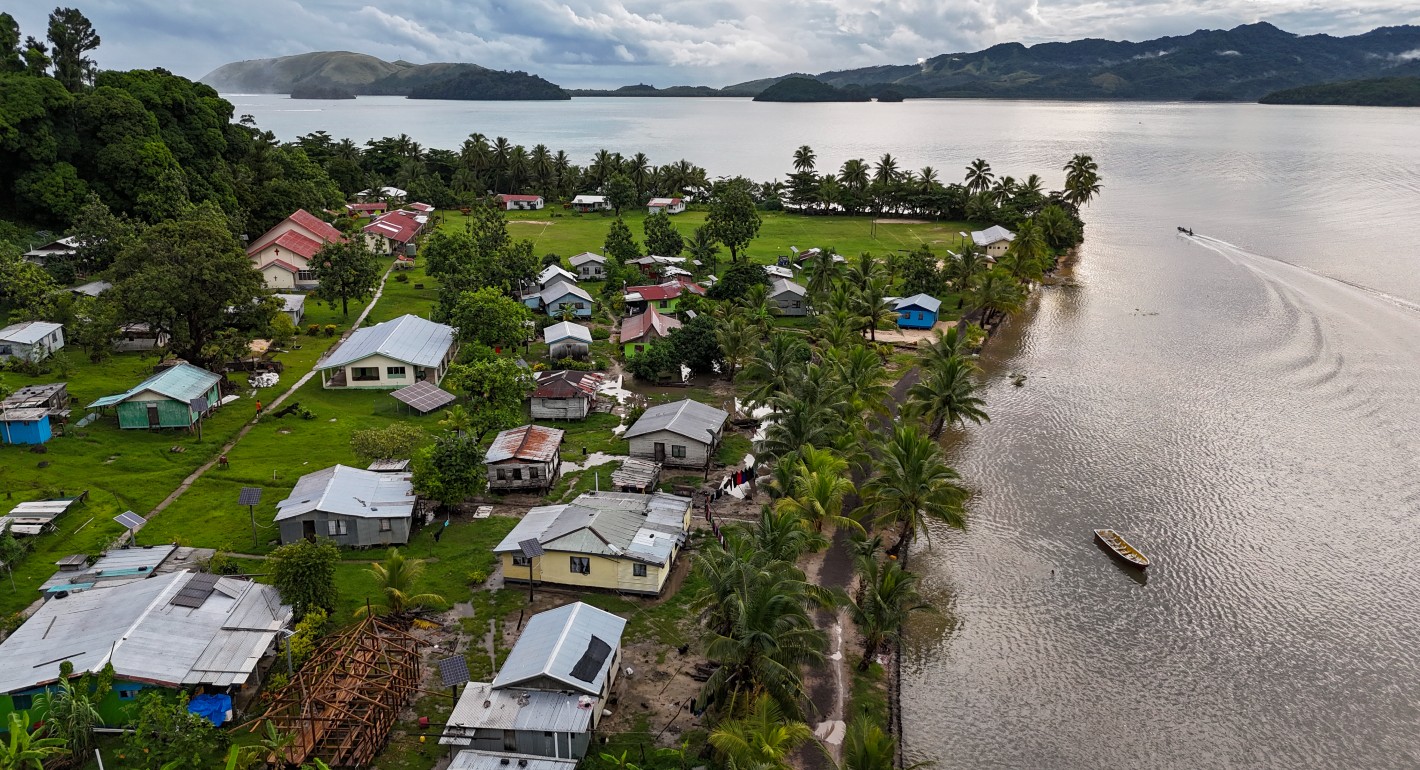
Climate mobility interventions can vary, but they all present opportunities to unlock transformative results that mitigate costs associated with inaction.

Alejandro Martin Rodriguez