Commentary
Four Middle East experts analyze the region’s reactions and next steps.
- +1
Amr Hamzawy, Andrew Leber, Eric Lob, …
{
  "authors": [
    "Amr Hamzawy",
    "Nathan J. Brown"
  ],
  "type": "other",
  "centerAffiliationAll": "dc",
  "centers": [
    "Carnegie Endowment for International Peace"
  ],
  "collections": [],
  "englishNewsletterAll": "democracy",
  "nonEnglishNewsletterAll": "",
  "primaryCenter": "Carnegie Endowment for International Peace",
  "programAffiliation": "DCG",
  "programs": [
    "Democracy, Conflict, and Governance",
    "Middle East"
  ],
  "projects": [],
  "regions": [
    "Middle East",
    "Egypt"
  ],
  "topics": [
    "Political Reform",
    "Democracy"
  ]
}
REQUIRED IMAGE
The Egyptian political system has emerged sharply bipolar from recent parliamentary elections. While the ruling National Democratic Party won its expected victory, the performance of the Muslim Brotherhood surprised the NDP and the secular opposition forces. How will the Egyptian government react to the opposition’s success?
Source: Carnegie Endowment
The Egyptian political system has emerged sharply bipolar from recent parliamentary elections. While the ruling National Democratic Party won its expected victory, the performance of the Muslim Brotherhood surprised the NDP and the secular opposition forces. How will the Egyptian government react to the opposition’s success? Will both groups be able to coexist peacefully in the democratically-elected parliament?
Hamzawy and Brown argue that the Mubarak regime has three choices: to resort to escalating repressive measures, to accept the new role of the Brotherhood and integrate it fully, or to accommodate it in a rather cautious way. Given the new weight of the Brotherhood as the dominant bloc within the opposition camp, the movement might be tempted to press for immediate political gains, which could raise acute policy dilemmas for the Egyptian government, the U.S. and others.
This is a web-only publication.
Click on the link above for the full text of this Carnegie publication.
About the Author
Amr Hamzawy and Nathan Brown are both senior associates in the Democracy and Rule of Law Project at the Carnegie Endowment.

Director, Middle East Program
Amr Hamzawy is a senior fellow and the director of the Carnegie Middle East Program. His research and writings focus on governance in the Middle East and North Africa, social vulnerability, and the different roles of governments and civil societies in the region.

Nonresident Senior Fellow, Middle East Program
Nathan J. Brown, a professor of political science and international affairs at George Washington University, is a distinguished scholar and author of nine books on Arab politics and governance, as well as editor of five books.
Carnegie does not take institutional positions on public policy issues; the views represented herein are those of the author(s) and do not necessarily reflect the views of Carnegie, its staff, or its trustees.
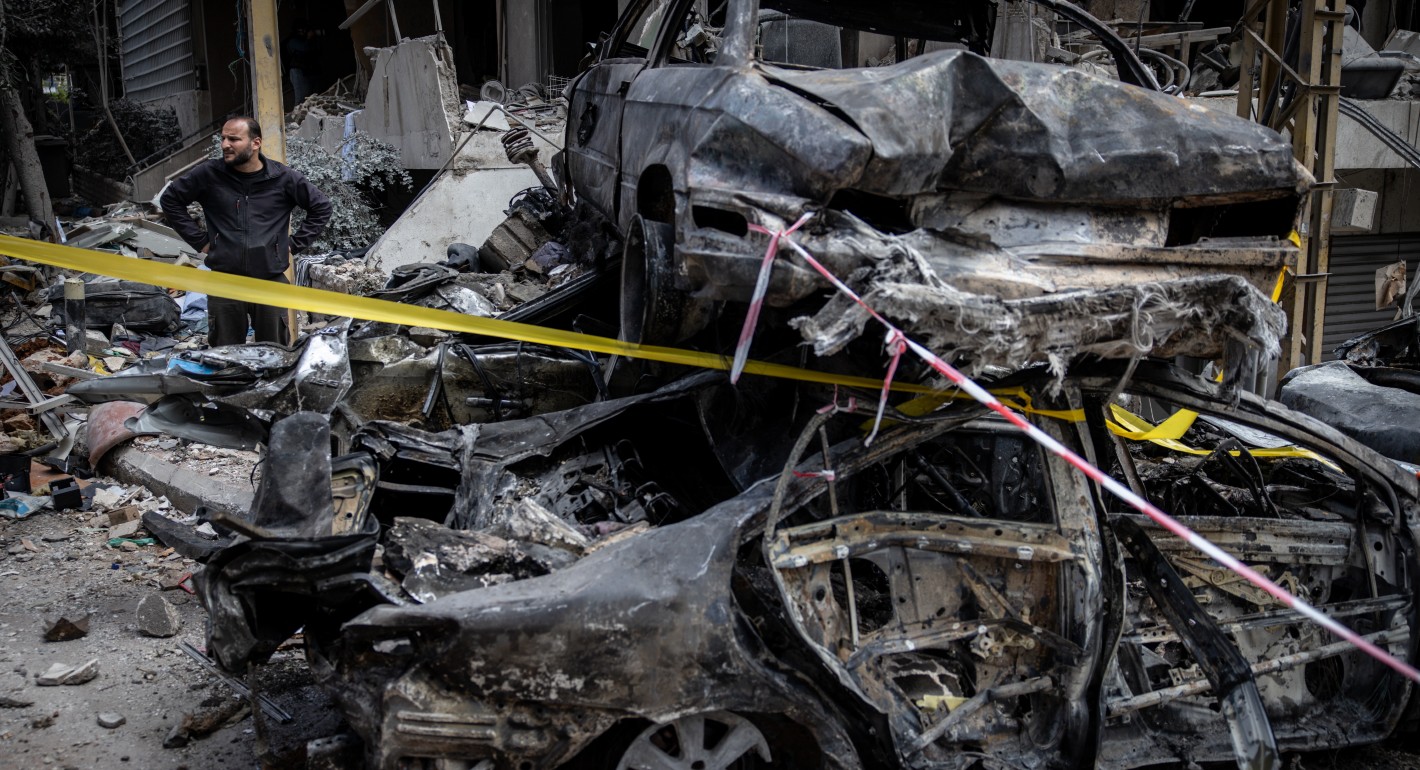
Four Middle East experts analyze the region’s reactions and next steps.


Amr Hamzawy, Andrew Leber, Eric Lob, …
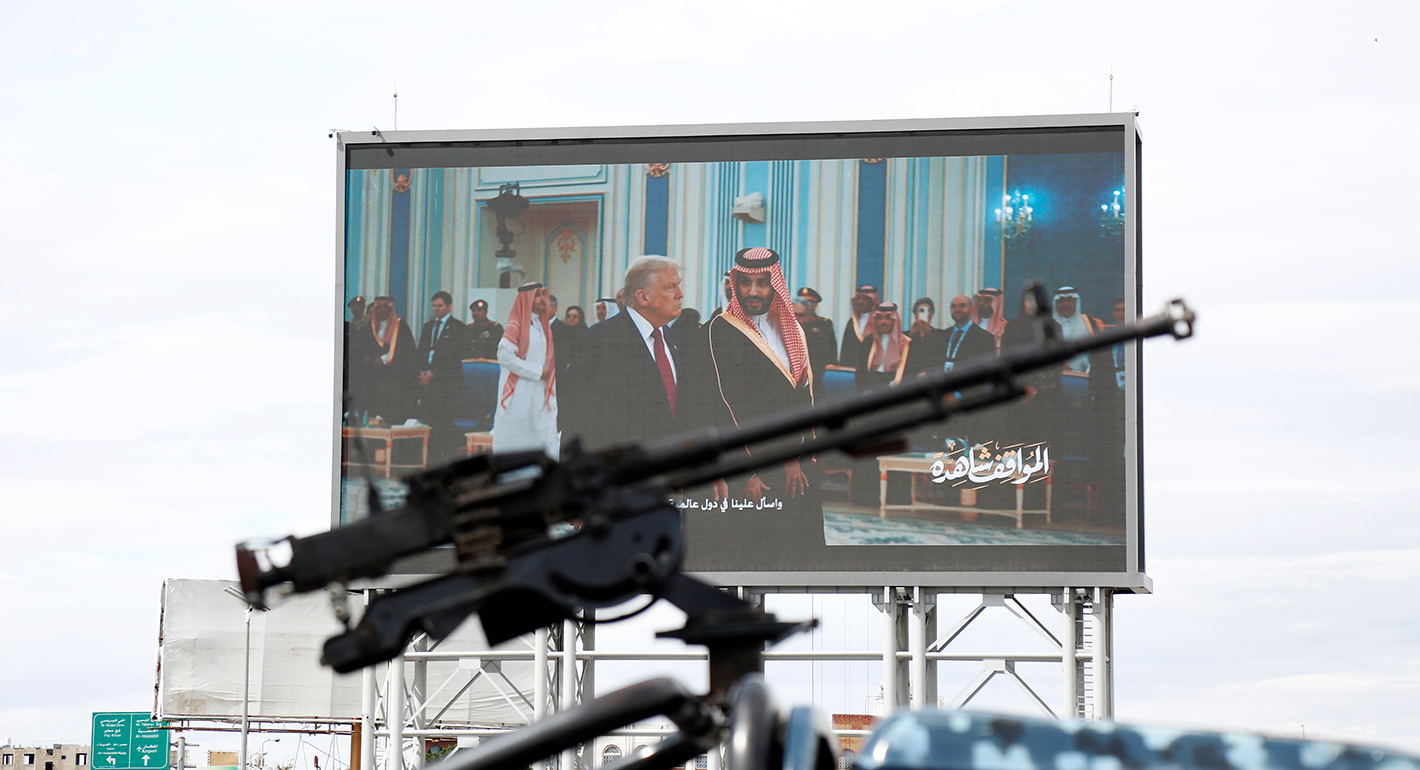
As the war between the United States, Israel, and Iran continues, Carnegie scholars contribute cutting-edge analysis on the events of the war and their wide-reaching implications. From the impact on Iran and its immediate neighbors to the responses from Gulf states to fuel and fertilizer shortages caused by the effective shutdown of the Strait of Hormuz, the war is reshaping Middle East alliances and creating shockwaves around the world. Carnegie experts analyze it all.
The return of war as the organizing factor in Middle Eastern politics has predictable consequences: governments are prioritizing regime stability and becoming averse to political and social reform.

Sarah Yerkes, Amr Hamzawy

The future looks bleak for independent media worldwide, but there is a robust infrastructure of knowledge, organizations, and people to build upon.


Daniel Sabet, Susan Abbott

Why the Iran ceasefire isn’t a quick fix to the Strait of Hormuz energy crisis.

Helima Croft, Aaron David Miller