• Research
  • Emissary
  • About
  • Experts
Carnegie Global logoCarnegie lettermark logo
DemocracyIran
  • Donate
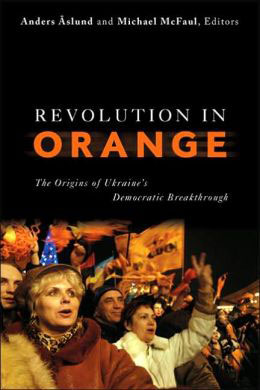
Revolution in Orange: The Origins of Ukraine's Democratic Breakthrough
Book

Revolution in Orange: The Origins of Ukraine's Democratic Breakthrough

The dramatic series of protests and political events that unfolded in Ukraine in the fall of 2004—the “Orange Revolution”—were seminal both for Ukrainian history and the history of democratization. Revolution in Orange seeks to explain why and how this nationwide protest movement occurred.

Link Copied
By Anders Aslund and Michael McFaul
Published on Mar 1, 2006

Additional Links

Table of ContentsIntroductionPaperback - $16.95Hardback - $112.98
Program mobile hero image

Program

Russia and Eurasia

The Russia and Eurasia Program continues Carnegie’s long tradition of independent research on major political, societal, and security trends in and U.S. policy toward a region that has been upended by Russia’s war against Ukraine.  Leaders regularly turn to our work for clear-eyed, relevant analyses on the region to inform their policy decisions.

Learn More

Source: Washington

The dramatic series of protests and political events that unfolded in Ukraine in the fall of 2004—the “Orange Revolution”—were seminal both for Ukrainian history and the history of democratization. When poisoned with dioxin, pro-Western presidential candidate Viktor Yushchenko was left physically weakened and disfigured but politically energized. The ruling party, faced with strengthened opposition, resorted to voter intimidation and massive electoral fraud to win the runoff election. Supporters of Yushchenko gathered in Kyiv, responding with mass demonstrations, sit-ins, and marches. Thanks in large part to this peaceful revolution, the flawed election results were annulled. In a second runoff, Yushchenko was elected as the new president. Revolution in Orange seeks to explain why and how this nationwide protest movement occurred. Its effects have already been felt from Kyrgyzstan to Lebanon and are likely to travel even further. Yet few predicted or anticipated such a dramatic democratic breakthrough in Ukraine.

This volume attempts to distinguish between necessary and facilitating factors in the success of the Orange Revolution. It also discusses the elements that have been commonly assumed to be critical, but in fact were not instrumental in the movement. Chapters explore the role of former president Kuchma and the oligarchs, societal attitudes, the role of the political opposition and civil society, the importance of the media, and the roles of Russia and the West.

Advance Praise

"Keen observers of the recent transition, Aslund and his coauthors write with authority about the challenges and opportunities Ukraine faces today.... This book should be read carefully by students and policy makers alike."
—George Soros, chairman of the Open Society Institute
About the Authors

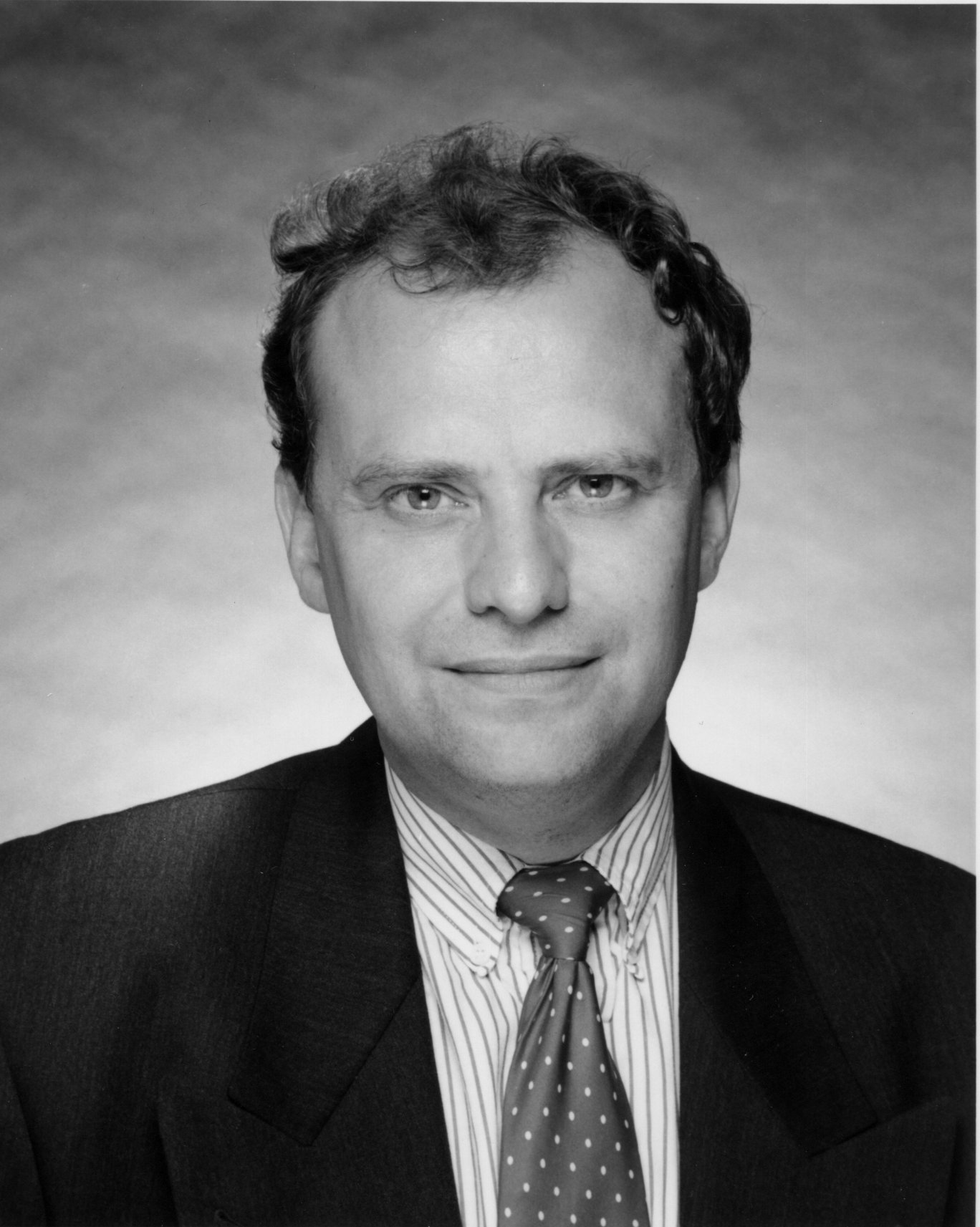
Anders Aslund

Former Senior Associate, Director, Russian and Eurasian Program
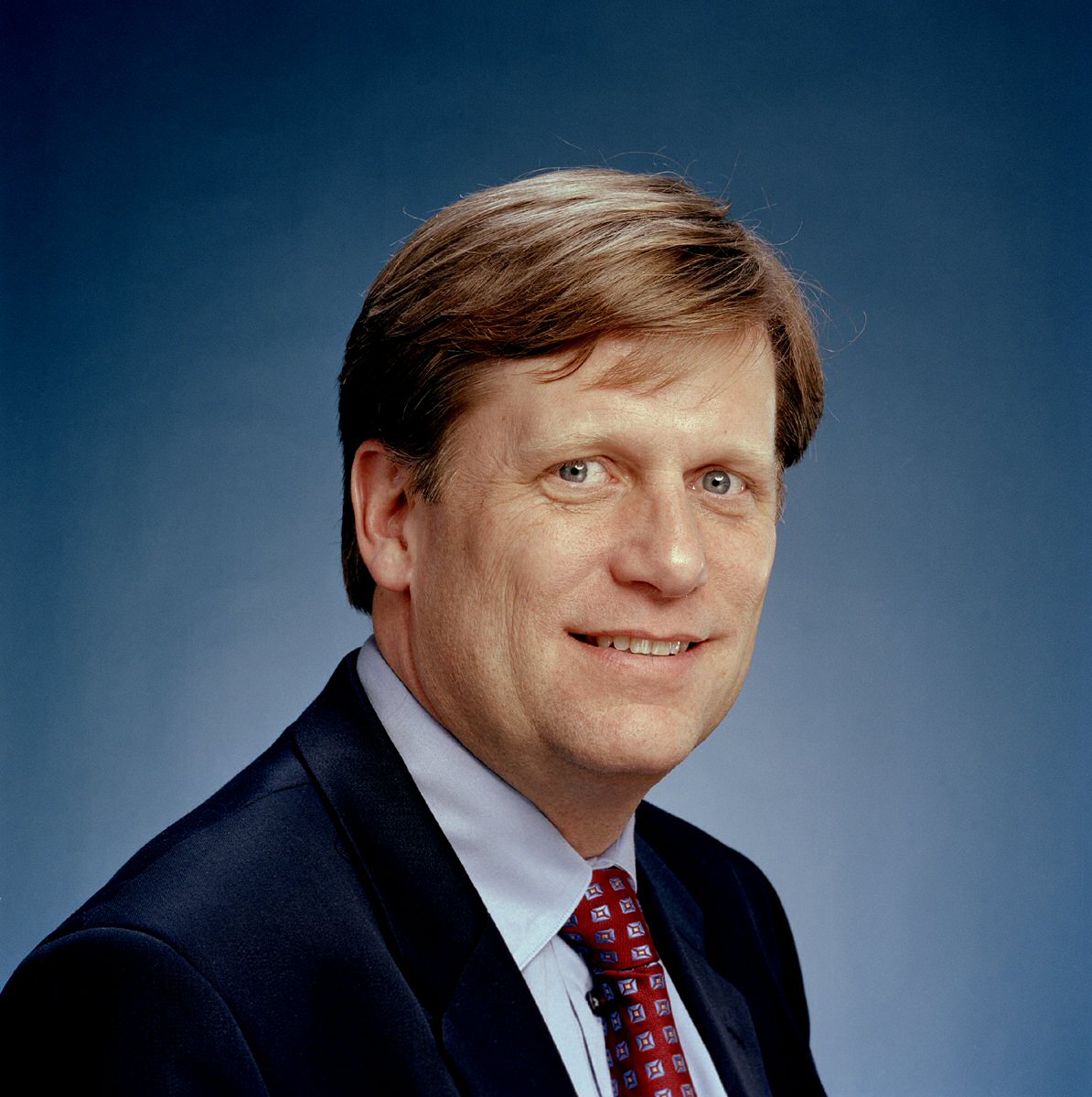
Michael McFaul

Former Senior Associate

In addition to his role at Carnegie, McFaul is Peter and Helen Bing Senior Fellow at the Hoover Institution and associate professor of political science at Stanford University.

Authors

Anders Aslund
Former Senior Associate, Director, Russian and Eurasian Program
Anders Aslund
Michael McFaul
Former Senior Associate
Michael McFaul
CaucasusRussiaEastern EuropeUkrainePolitical ReformDemocracyEconomy

Carnegie does not take institutional positions on public policy issues; the views represented herein are those of the author(s) and do not necessarily reflect the views of Carnegie, its staff, or its trustees.

More Work from Carnegie Endowment for International Peace

  • Humanoid robots follow technicians to learn job skills at the data collection area of an embodied AI robot innovation center on September 14, 2025 in Shaoxing, Zhejiang Province of China.
    Paper
    The AI Labor Debate: Three Views on the Future of Work

    AI could hollow out jobs, reshape them gradually, create entirely new ones—or do all three at once. The case for starting to act now doesn’t depend on knowing which.

      • Teddy Tawil

      Teddy Tawil

  • Commentary
    Carnegie Politika
    Who Is Responsible for the Demise of the Russian Internet?

    The Russian state has opted for complete ideological control of the internet and is prepared to bear the associated costs.

      Maria Kolomychenko

  • Commentary
    Carnegie Politika
    Russia’s Coal Industry Is Running on Borrowed Time

    Powerful lobbyists and inertia led to Russia’s coal-mining sector missing an excellent opportunity to solve its structural problems.

      Alexey Gusev

  • Commentary
    Carnegie Politika
    Is Opposition to Online Restrictions an Inflection Point for the Russian Regime?

    After four years of war, there is no one who can stand up to the security establishment, and President Vladimir Putin is increasingly passive. 

      Tatiana Stanovaya

  • A shadow man holds a shadow drone against a blue sky with clouds.
    Article
    The New Revolution in Military Affairs

    How Ukraine is driving doctrinal change in modern warfare.

      • Andriy Zagorodnyuk

      Andriy Zagorodnyuk

Get more news and analysis from
Carnegie Endowment for International Peace
Carnegie global logo, stacked
1779 Massachusetts Avenue NWWashington, DC, 20036-2103Phone: 202 483 7600
  • Research
  • Emissary
  • About
  • Experts
  • Donate
  • Programs
  • Events
  • Blogs
  • Podcasts
  • Contact
  • Annual Reports
  • Careers
  • Privacy
  • For Media
  • Government Resources
Get more news and analysis from
Carnegie Endowment for International Peace
© 2026 Carnegie Endowment for International Peace. All rights reserved.