

Research
- +6
Yasmine Farouk, Nathan J. Brown, Maysaa Shuja Al-Deen, …

Source: Getty
The United States should use its limited but growing influence in Libya to support growth in non-governmental sectors rather than implicitly endorsing the regime’s status quo, urges a new commentary on the eve of Secretary Rice’s visit to Libya. The regime remains opaque, unpredictable, and, buoyed by its petroleum wealth, is increasingly assertive in international negotiations.
The United States should use its limited but growing influence in Libya to support growth in non-governmental sectors rather than implicitly endorsing the regime’s status quo, urges a new commentary on the eve of Secretary Rice’s visit to Libya. The regime remains opaque, unpredictable, and, buoyed by its petroleum wealth, is increasingly assertive in international negotiations.
Middle East expert Michele Dunne warns that, following recent diplomatic success in settling long-standing disputes, the United States risks falling into business-as-usual relations with Libya. The United States should set clear, strategic objectives aimed at helping the Libyan people and avoid merely putting more resources into the hands of regime insiders and crony capitalists.
U.S. Policy Recommendations
• Be persistent in addressing human rights cases;
• Utilize institutions like the National Endowment for Democracy or the State Department’s Middle East Partnership Initiative to promote the development of civil society organizations and a free press;
• Inspire Libya to undertake educational reform efforts similar to recent Gulf State initiatives in which American educational institutions have played major roles; and
• Encourage U.S. NGO-supported discussions with Libyan society on a written constitution.
Dunne advises:
“Although there have been clear changes in foreign policy, there is a great deal of uncertainty in Libya about where domestic policies are headed. Muammar al-Qaddafi and son Saif al-Islam have hinted recently at extensive new economic reforms, but such promises have proved disappointing in the past. The United States should think beyond the immediate business of reestablishing normal relations to explore how it can help Libya—and in particular the Libyan people as distinct from the government—to rejoin the world from which they have long been cut off and to reorient the country in a constructive direction.”

Former Nonresident Scholar, Middle East Program
Michele Dunne was a nonresident scholar in Carnegie’s Middle East Program, where her research focuses on political and economic change in Arab countries, particularly Egypt, as well as U.S. policy in the Middle East.
Recent Work



Yasmine Farouk, Nathan J. Brown, Maysaa Shuja Al-Deen, …
Robert Springborg, Emile Hokayem, Becca Wasser, …
Carnegie does not take institutional positions on public policy issues; the views represented herein are those of the author(s) and do not necessarily reflect the views of Carnegie, its staff, or its trustees.
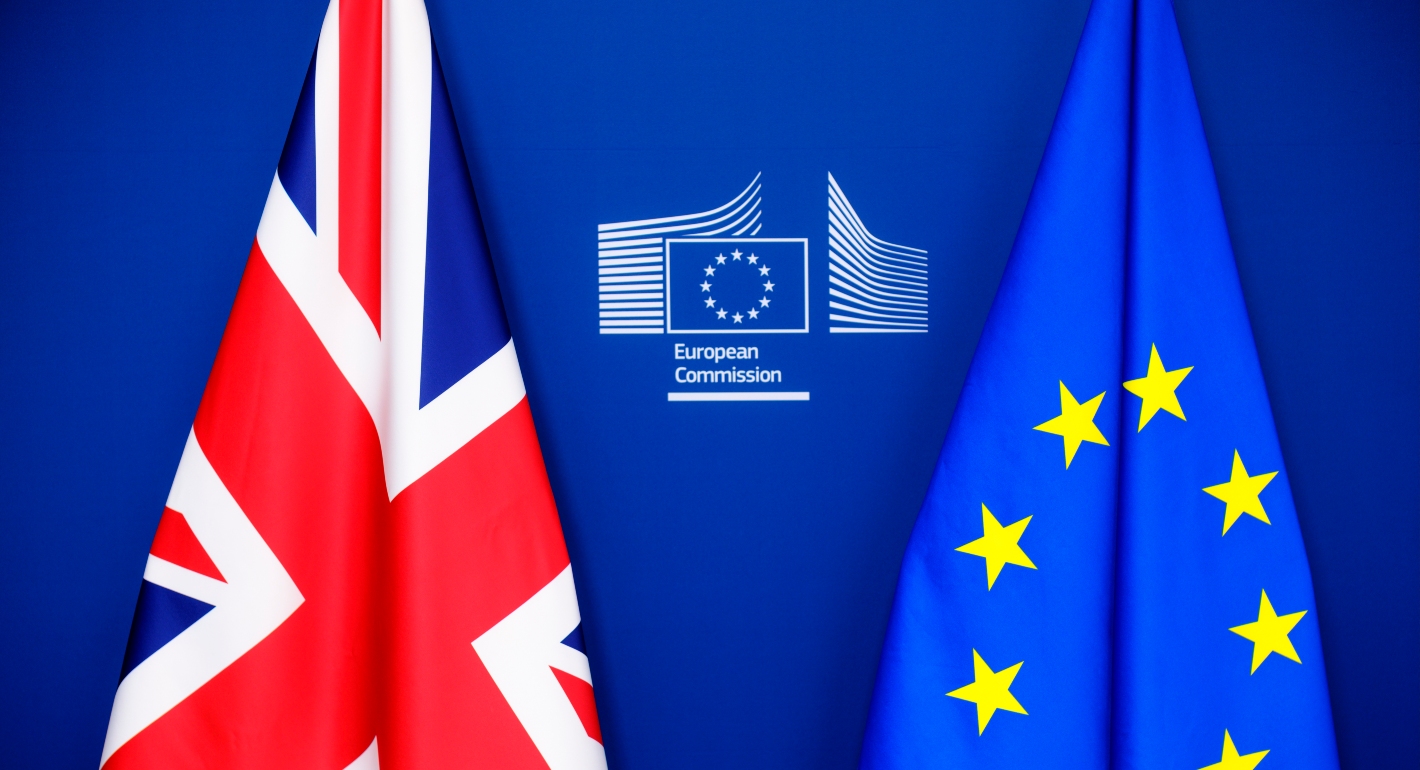
Closer EU-UK ties could help address urgent European concerns. But is the EU ready for rapprochement with the United Kingdom?

Rym Momtaz, ed.

The Russian state has opted for complete ideological control of the internet and is prepared to bear the associated costs.

Maria Kolomychenko
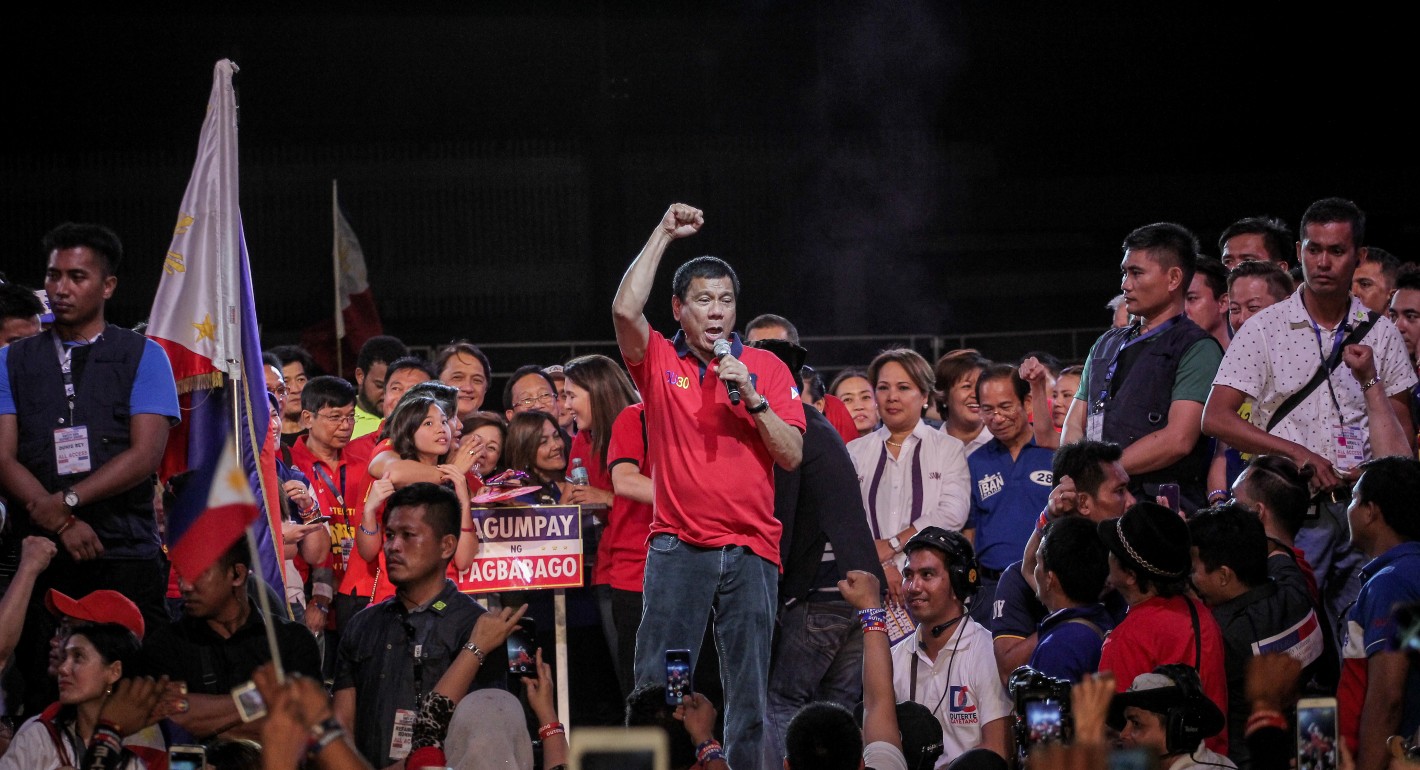
In the Philippines, Duterte-era discourse emphasizing sovereignty, anti-Western skepticism, and strongman diplomacy mirrors tenets of populist foreign policy around the world.
Aries A. Arugay
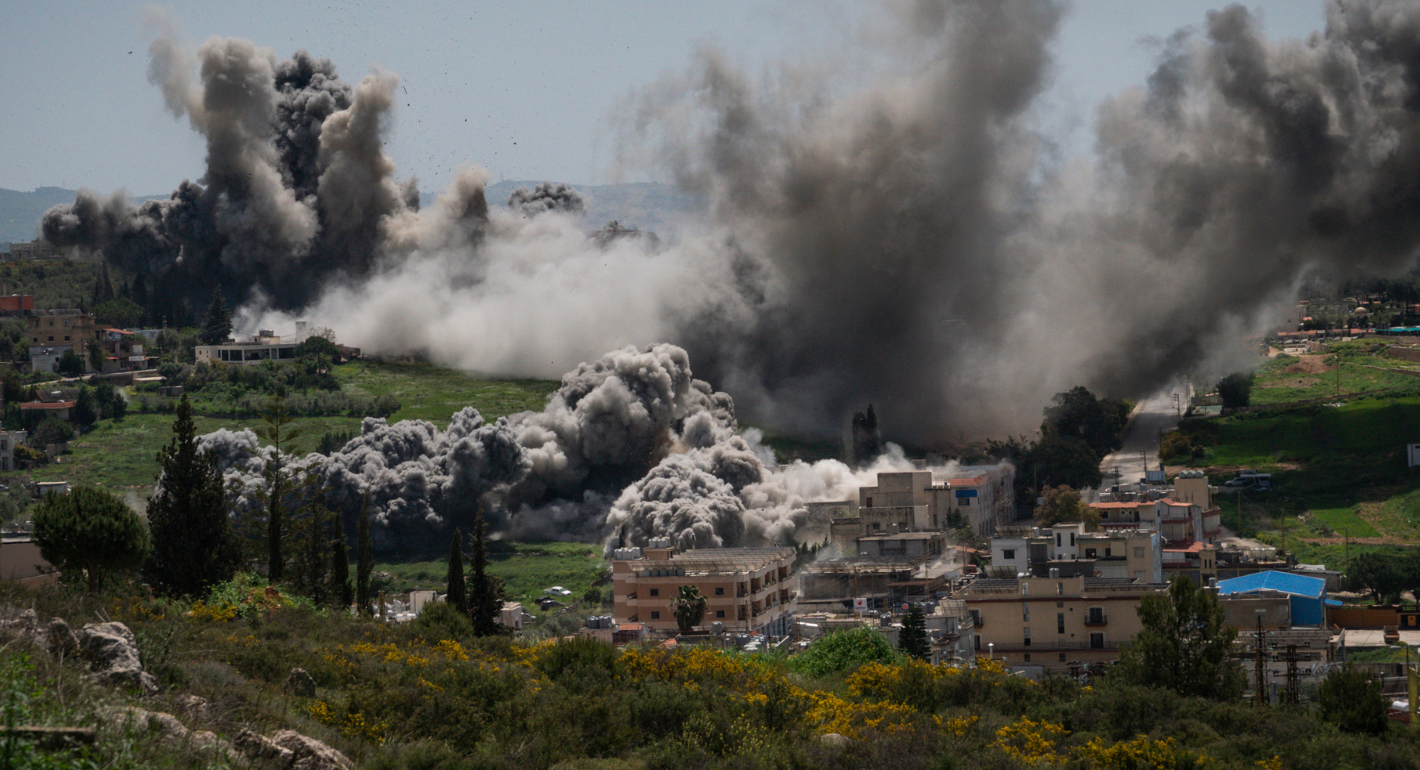
Europe has been standing by while its Southern neighborhood is being redrawn by force. To establish a path to peace between Israel and Lebanon, it’s time for Europeans to get involved with hard power.
Rym Momtaz

After four years of war, there is no one who can stand up to the security establishment, and President Vladimir Putin is increasingly passive.

Tatiana Stanovaya