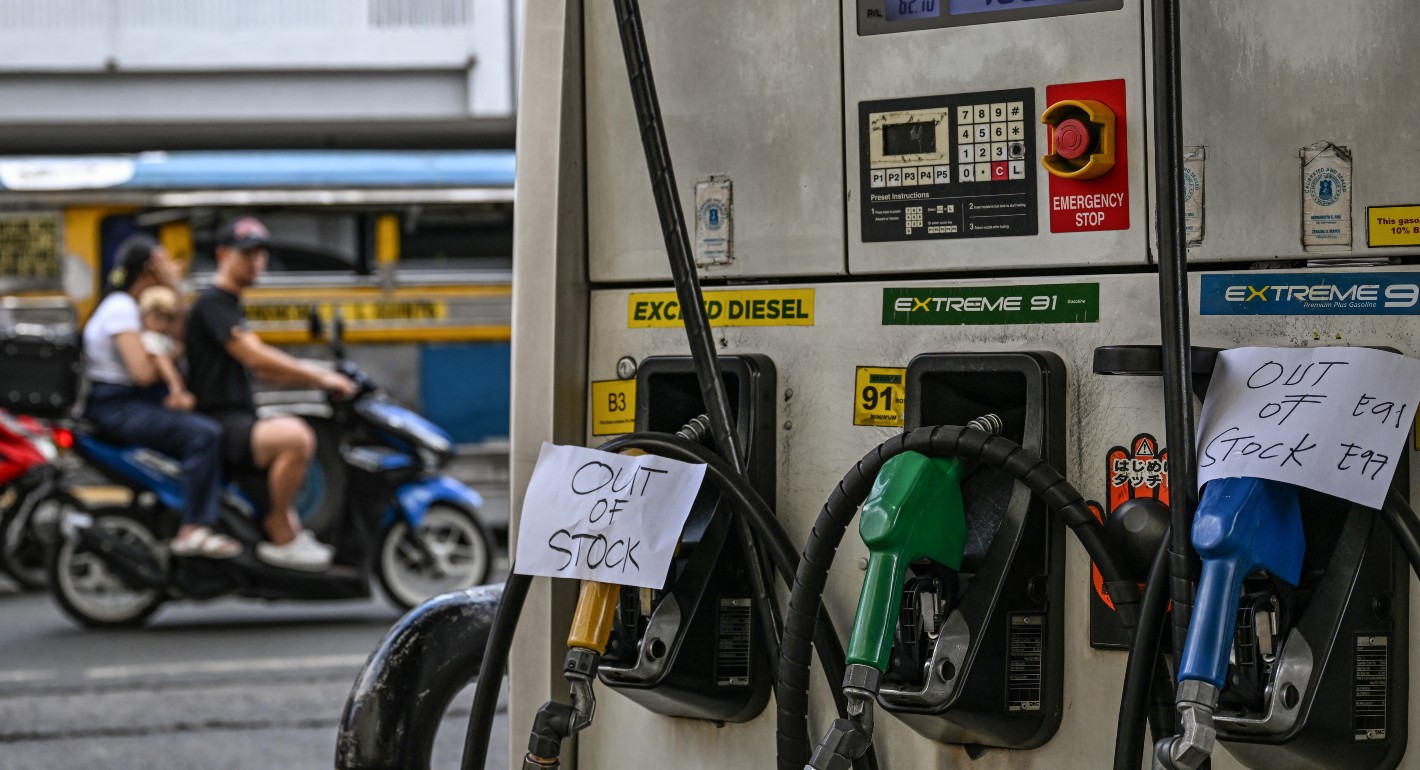
As the war between the United States, Israel, and Iran continues, Carnegie scholars contribute cutting-edge analysis on the events of the war and their wide-reaching implications. From the impact on Iran and its immediate neighbors to the responses from Gulf states to fuel and fertilizer shortages caused by the effective shutdown of the Strait of Hormuz, the war is reshaping Middle East alliances and creating shockwaves around the world. Carnegie experts analyze it all.

{
"authors": [
"William Maley"
],
"type": "other",
"centerAffiliationAll": "dc",
"centers": [
"Carnegie Endowment for International Peace"
],
"collections": [],
"englishNewsletterAll": "ctw",
"nonEnglishNewsletterAll": "",
"primaryCenter": "Carnegie Endowment for International Peace",
"programAffiliation": "SAP",
"programs": [
"South Asia"
],
"projects": [],
"regions": [
"North America",
"United States",
"South Asia",
"Afghanistan"
],
"topics": [
"Political Reform",
"Economy",
"Security",
"Military",
"Foreign Policy"
]
}Source: Getty
Stabilizing Afghanistan: Threats and Challenges
Stability in Afghanistan and the future of its government depend on the United States and its Afghan and other allies providing security for the Afghan people. Calls for an Iraq-style “troop surge” ignore the immediate need for a comprehensive political strategy to fix Afghanistan’s fragile security structure, dysfunctional system of government, and unstable borders.
Stability in Afghanistan and the future of its government depend on the United States and its Afghan and other allies providing security for the Afghan people. Calls for an Iraq-style “troop surge” ignore the immediate need for a comprehensive political strategy to fix Afghanistan’s fragile security structure, dysfunctional system of government, and unstable borders, warns a new policy brief by Afghanistan expert William Maley.
Since the ousting of the Taliban in 2001, serious flaws in the international community’s approach point to the need for a long-term vision. Poor governance, failure to secure adequate counterterrorism cooperation from Pakistan, and the limited presence of international troops beyond Kabul greatly undermined the Afghan public’s confidence in their country’s transition and Western promises.
Recommendations for the next U.S. president:
- Develop with NATO and allies a sustained, long-term commitment for stability.
- Ensure greater focus on bringing security to Afghans’ daily lives, particularly those in small villages which are home to more than half the population, to build legitimacy for Afghanistan’s government.
- Support systematic reform of Afghanistan’s 2004 constitution, which created a dysfunctional government too reliant on its president, without an effective executive office to support him.
- Base counter-narcotics policies for Afghanistan on long-term projects that increase the returns from cultivating legal crops.
- Encourage more Muslim states to contribute personnel to support the promotion of human security and development in Afghanistan.
- Pressure Pakistan discreetly but strongly to arrest the Afghan Taliban leadership within its borders.
Maley concludes:
“Complex problems need carefully conceived responses, and when disrupted states are allowed to fester, their problems can easily become toxic for the international system. Afghanistan can find solutions to its problems, but those seeking to help it need great wisdom, courage, and farsightedness. This is the ultimate challenge that Afghanistan poses for the next U.S. president.”
About the Author
William Maley is professor and director of the Asia-Pacific College of Diplomacy at the Australian National University. He has taught at the University of New South Wales, the Australian Defence Force Academy, and the Russian Diplomatic Academy.
About the Author
William Maley
Carnegie does not take institutional positions on public policy issues; the views represented herein are those of the author(s) and do not necessarily reflect the views of Carnegie, its staff, or its trustees.
More Work from Carnegie Endowment for International Peace
- The Iran War’s Global ReachCollection
- Amid Iran War, Gulf Countries Slow the Pace of ReformsArticle
The return of war as the organizing factor in Middle Eastern politics has predictable consequences: governments are prioritizing regime stability and becoming averse to political and social reform.
Sarah Yerkes, Amr Hamzawy
- Power, Pathways, and Policy: Grounding Central Asia’s Digital AmbitionsCommentary
Central Asia’s digital ambitions are achievable, but only if policy is aligned with the region’s physical constraints.
Aruzhan Meirkhanova
- Taking the Pulse: Can NATO Survive the Iran War?Commentary
Donald Trump has repeatedly bashed NATO and European allies, threatening to annex Canada and Greenland and deploring their lack of enthusiasm for his war of choice in Iran. Is this latest round of abuse the final straw?
Rym Momtaz, ed.
- The Impact of Ending U.S. International Media AssistancePaper
The future looks bleak for independent media worldwide, but there is a robust infrastructure of knowledge, organizations, and people to build upon.
Daniel Sabet, Susan Abbott