• Research
  • Emissary
  • About
  • Experts
Carnegie Global logoCarnegie lettermark logo
DemocracyIran
  • Donate
Public Opinion and Power
Book

Public Opinion and Power

This chapter examines how world public opinion influences the United States' ability to exercise influence abroad militarily, economically, and politically. It concludes by discussing the difference between opposition to American foreign policy, on the one hand, and anti-Americanism, on the other hand, and exploring that difference's policy implications.

Link Copied
By Ali Wyne
Published on Nov 3, 2008
Program mobile hero image

Program

Asia

The Asia Program in Washington studies disruptive security, governance, and technological risks that threaten peace, growth, and opportunity in the Asia-Pacific region, including a focus on China, Japan, and the Korean peninsula.

Learn More
Program mobile hero image

Program

Middle East

The Middle East Program in Washington combines in-depth regional knowledge with incisive comparative analysis to provide deeply informed recommendations. With expertise in the Gulf, North Africa, Iran, and Israel/Palestine, we examine crosscutting themes of political, economic, and social change in both English and Arabic.

Learn More

Source: Routledge

Although opposition to American foreign policy is particularly pronounced in the Arab-Muslim world, it has reached alarming levels even in those countries that America counts as its closest allies.  Thus, in 2006, Anthony King, one of the world’s preeminent political scientists, observed that, "There has probably never been a time when America was held in such low esteem on this side of the Atlantic."  How does this state of affairs impact American foreign policy?  Joseph Nye has contributed greatly to the discourse on this question by introducing the notion of "soft power:" A nation wields soft power if it can convince others to support its objectives without having to employ force, economic sanctions, or other coercive instruments of statecraft.   Extending Nye's concept, Ali Wyne examines how world public opinion influences the United States' ability to exercise influence abroad. 

Please click here to read the rest of the chapter. 

This book is available from Routledge.
To order the book from Routledge, please click here. 

Ali Wyne is a Junior Fellow in the China Program.

About the Author

Ali Wyne

Former Junior Fellow, China Program

Ali Wyne
Former Junior Fellow, China Program
North AmericaUnited StatesMiddle EastSouth AsiaChinaPolitical ReformEconomyForeign Policy

Carnegie does not take institutional positions on public policy issues; the views represented herein are those of the author(s) and do not necessarily reflect the views of Carnegie, its staff, or its trustees.

More Work from Carnegie Endowment for International Peace

  • flood wall
    Commentary
    Emissary
    BRIC Is Critical for U.S. National Security. After a Yearlong Legal Battle, It’s Back.

    Its reinstatement should be celebrated, but it retains some major shortcomings.

      Leonardo Martinez-Diaz
  • Article
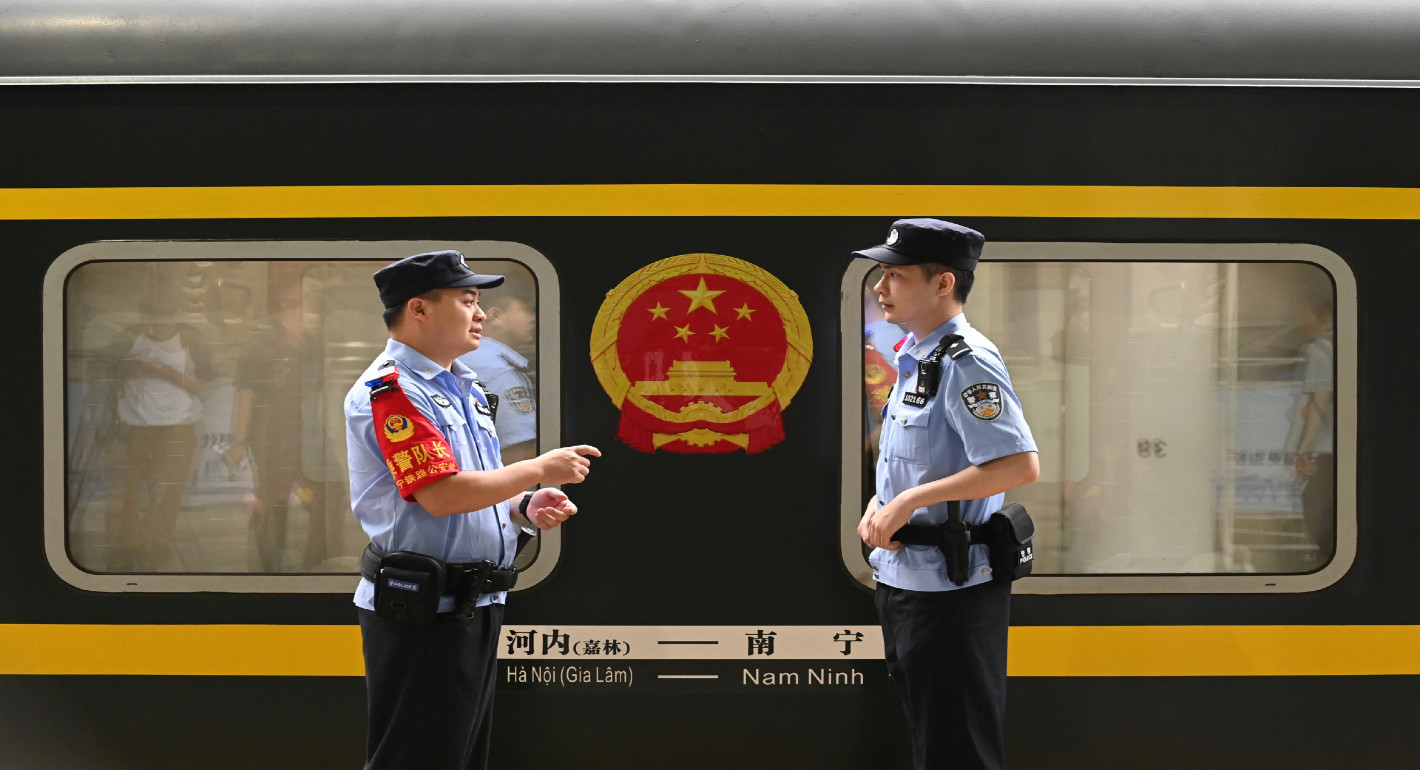
    Leveraging Internal Security Cooperation with Vietnam Offers a Glimpse of Future Chinese Diplomacy with Southeast Asia

    Despite long-standing differences, China and Vietnam are reinforcing common ground for collaboration, especially in public security. This internal security–centered diplomacy offers a strengthened road map for how China moves forward with Southeast Asia.

      Sophie Zhuang
  • Aerial shot of island community
    Commentary
    One Year After the Great Aid Recession, Investments in Climate Mobility Offer Cost-Effective Returns

    Climate mobility interventions can vary, but they all present opportunities to unlock transformative results that mitigate costs associated with inaction.

      • Alejandro Rodriguez

      Alejandro Martin Rodriguez

  • Man standing next to a pile of burned cars
    Commentary
    Emissary
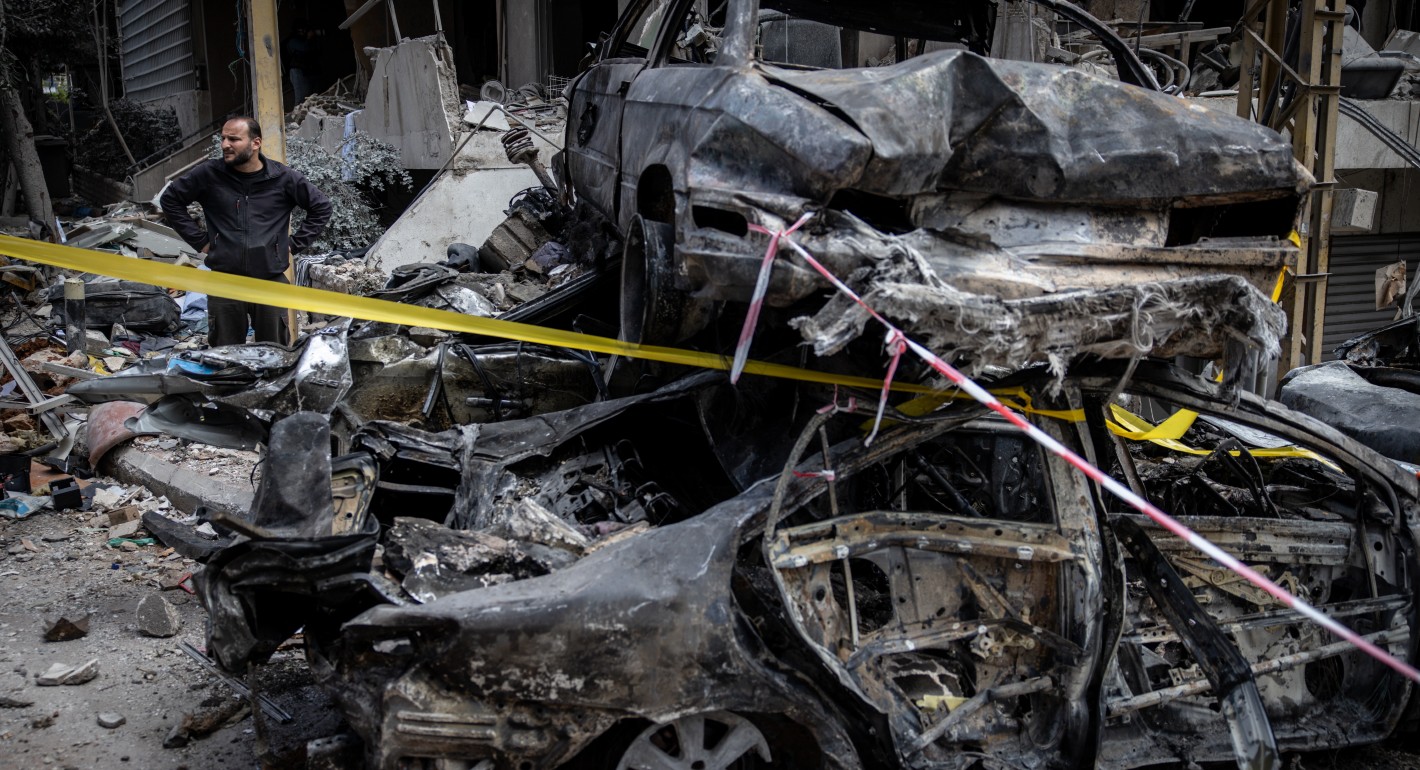
    The Myriad Problems With the Iran Ceasefire

    Four Middle East experts analyze the region’s reactions and next steps.

      • Andrew Leber
      • Eric Lob
      • +1

      Amr Hamzawy, Andrew Leber, Eric Lob, …
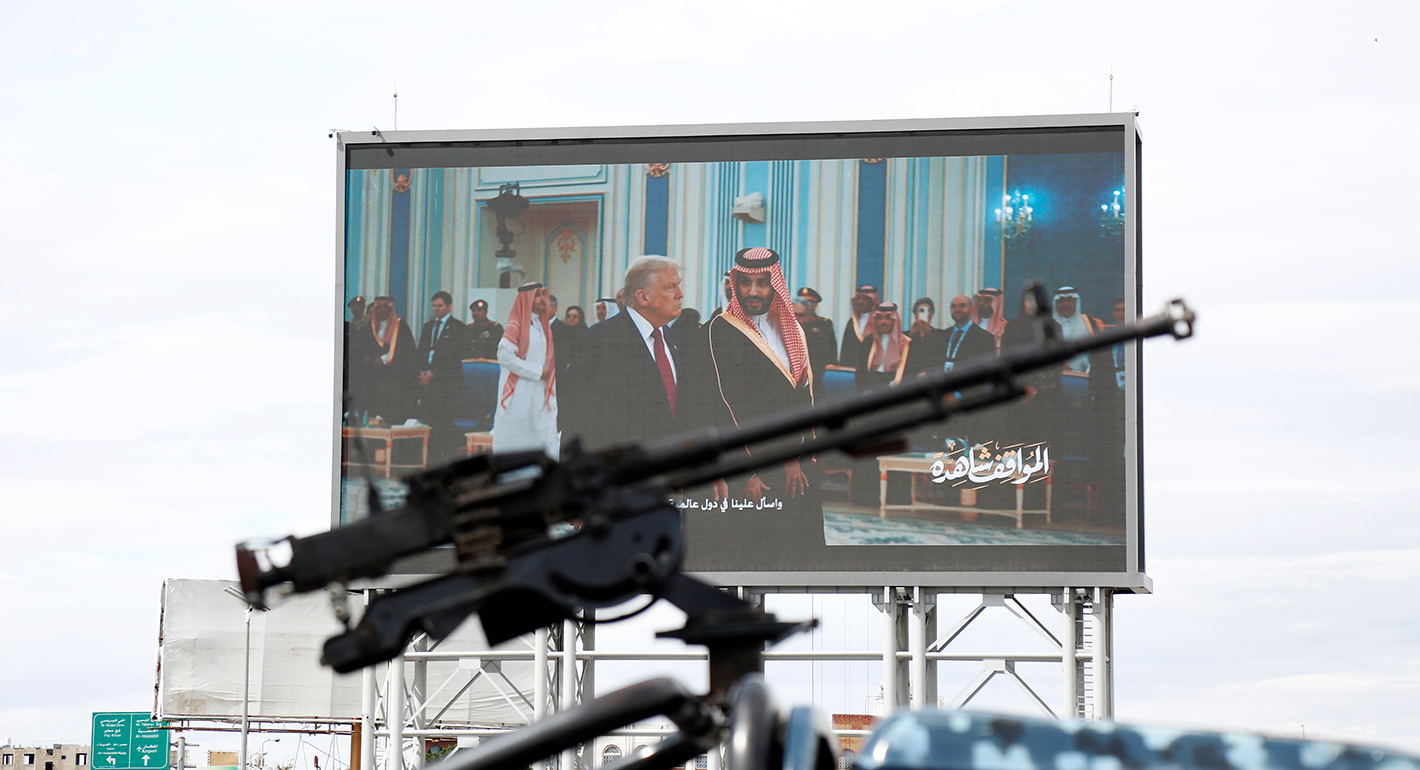
  •  A machine gun of a Houthi soldier mounted on a police vehicle next to a billboard depicting the U.S. president Donald Trump and Mohammed Bin Salman, the Crown Prince and Prime Minister of Saudi Arabia, during a protest staged to show support to Iran against the U.S.-Israel war on March 27, 2026 in Sana'a, Yemen.
    Collection
    The Iran War’s Global Reach

    As the war between the United States, Israel, and Iran continues, Carnegie scholars contribute cutting-edge analysis on the events of the war and their wide-reaching implications. From the impact on Iran and its immediate neighbors to the responses from Gulf states to fuel and fertilizer shortages caused by the effective shutdown of the Strait of Hormuz, the war is reshaping Middle East alliances and creating shockwaves around the world. Carnegie experts analyze it all.
Get more news and analysis from
Carnegie Endowment for International Peace
Carnegie global logo, stacked
1779 Massachusetts Avenue NWWashington, DC, 20036-2103Phone: 202 483 7600Fax: 202 483 1840
  • Research
  • Emissary
  • About
  • Experts
  • Donate
  • Programs
  • Events
  • Blogs
  • Podcasts
  • Contact
  • Annual Reports
  • Careers
  • Privacy
  • For Media
  • Government Resources
Get more news and analysis from
Carnegie Endowment for International Peace
© 2026 Carnegie Endowment for International Peace. All rights reserved.