

Research
- +6
Yasmine Farouk, Nathan J. Brown, Maysaa Shuja Al-Deen, …
{
  "authors": [
    "Michele Dunne"
  ],
  "type": "legacyinthemedia",
  "centerAffiliationAll": "dc",
  "centers": [
    "Carnegie Endowment for International Peace"
  ],
  "collections": [],
  "englishNewsletterAll": "menaTransitions",
  "nonEnglishNewsletterAll": "",
  "primaryCenter": "Carnegie Endowment for International Peace",
  "programAffiliation": "MEP",
  "programs": [
    "Middle East"
  ],
  "projects": [],
  "regions": [
    "Middle East",
    "Israel",
    "North Africa",
    "Egypt",
    "Palestine"
  ],
  "topics": [
    "Security"
  ]
}
Source: Getty
The Israeli attack on Gaza is a tragedy for Palestinians and a high-risk enterprise for Israel, but the ongoing conflict also has worrisome implications for Egypt, which shares an unhappy border with the embattled territory.
Source: The National Interest

As he contemplates a complicated succession, Egypt’s octogenarian President Husni Mubarak has a lot at stake in the latest Gaza crisis. Can he effectively mediate an end to the conflict? On January 6, he proposed an immediate ceasefire between Israel and Hamas, followed by talks about how to allow goods in and out of Gaza but prevent Hamas from rearming. Neither the Israelis nor Hamas have bitten on the immediate ceasefire proposal but both have agree to talk to the Egyptians about it. Representatives from the Damascus-based political leadership of Hamas visited Cairo on January 6 and indicated they are studying the proposals, and Israeli representatives arrived on January 8 for talks. Current efforts are the natural extension of several years of mediation by Cairo between Hamas and Israel on the one hand and Hamas and Fatah on the other. Mubarak reportedly has invited Israeli prime minister Olmert and Palestinian president Abbas to come to Egypt on Saturday.
What Mubarak appears to want now is a ceasefire that avoids increasing Egyptian responsibility for Gaza and offers Hamas minimal concessions. Egyptian officials denied an Israeli newspaper report that Mubarak told European Union officials during a private meeting on January 5 that “Hamas must not be allowed to win in Gaza,” but the comment might well reflect his thinking. Mubarak also would like to use this opportunity to restore some role in Gaza for the Palestinian Authority headed by president Mahmoud Abbas by resuscitating moribund reconciliation talks between Hamas and Fatah as well as the 2005 Rafah agreement that would open the Gaza border to Egypt under the supervision of officials from the Palestinian Authority.
Whether a ceasefire is reached will depend to a great extent on whether the specific demands of Israel, Hamas and Egypt regarding the Rafah border crossing can be met. Israel wants the hundreds of tunnels under Rafah, which it maintains have become an underground arms highway to Hamas, to be closed. Egypt argues that most arms are getting into Gaza by sea, but admits that it has failed (even with recent help from the U.S. Army Corps of Engineers) to close the tunnels. It is willing to accept international help to install technical measures or perhaps physical barriers, but not international forces on the Egyptian side of the border. Hamas wants the free flow of goods to and from Gaza through Rafah restored in order to show the population and the world that it can govern effectively. Such an opening would contradict the Israeli and U.S. goal of keeping up economic pressure on Hamas, but might be difficult to resist now due to increasing awareness worldwide of the humanitarian plight of the Gazans.
Beyond the Palestinians and Israelis, Mubarak also has to contend with Syrian president Bashar Assad and Iranian president Mahmoud Ahmadinejad. His relations with both are chilly at best, and there are already indications that one or both might try to play the spoiler for any Egyptian effort, in order to show that the road to peace now runs through Damascus and Tehran rather than Cairo. Iranian speaker of parliament Ali Larijani arrived in Damascus on January 7 for talks with Hamas and the Syrian government.
While Mubarak might like to emerge the hero of the current conflict, among his main goals will be the prevention of a large scale transfer of Gazans into Sinai. In a telling comment to the Arabic newspaper Al-Hayat on January 6, an unnamed Egyptian official explained why Mubarak has resisted heated calls from inside and outside Egypt to open the Rafah crossing, saying the Egyptians expected it would lead to hundreds of thousands of Palestinians flooding into Sinai and inevitable reestablishment of semi-permanent refugee camps.
Another pressure Mubarak will resist is to take on the administration of Gaza itself, as Egypt did between 1948 and 1967, which has emerged has emerged as a popular Israeli theme in some circles. Mubarak has already weathered widespread and heated criticism throughout the Arab world, and more importantly inside Egypt itself, for his perceived tilt towards Israel in this crisis. Reoccupying Gaza to relieve Israel of a burden would fuel the anger of Egyptians toward Mubarak like nothing else.
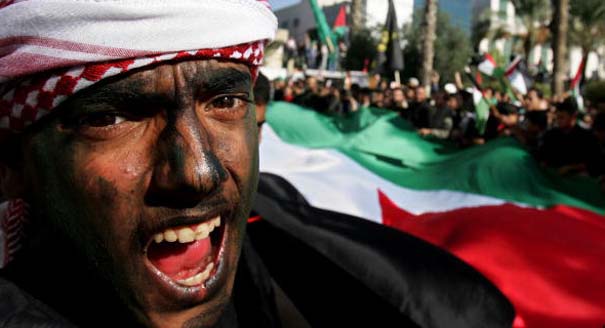
And there is already plenty of Egyptian rage toward Mubarak in circulation. In the last few years, anti-government protests have become a daily fact of life in Egypt. Most protests are small and focus on local grievances, while a few -- notably labor protests -- have been alarming enough to galvanize government concessions. Ever since the outbreak of the second Palestinian intifada in late 2000, a tradition has developed of protests that begin as outcries against Israeli or U.S. actions and then evolve into protests against Mubarak’s treatment of these issues and against Mubarak himself.
Since the attack on Gaza began on December 27, Egypt has seen daily protests calling on Mubarak to come to the aid of Gaza and to resist Israeli and U.S. pressures to act against Hamas. On January 9, the Muslim Brotherhood, Egypt’s leading opposition movement, issued a detailed critique of Mubarak’s ceasefire initiative, calling on him to break relations with Israel and accusing him of colluding with the U.S. to block action on Gaza in the UN Security Council.
While the Egyptian opposition is now weak and divided, Islamist, leftist, and liberal opposition groups have found common ground in a sense that Mubarak is failing to exert leadership in the region and to respect human and civil rights at home. He needs to find a way to get through this crisis without taking deeply unpopular steps that might then necessitate repressive measures to stifle his critics and protestors. Otherwise Mubarak could find himself quaffing the same toxic brew of regional and domestic problems that poisoned the last years of late President Gamal Abdel Nasser and led to the assassination of Anwar Sadat.

Former Nonresident Scholar, Middle East Program
Michele Dunne was a nonresident scholar in Carnegie’s Middle East Program, where her research focuses on political and economic change in Arab countries, particularly Egypt, as well as U.S. policy in the Middle East.
Recent Work



Yasmine Farouk, Nathan J. Brown, Maysaa Shuja Al-Deen, …
Robert Springborg, Emile Hokayem, Becca Wasser, …
Carnegie does not take institutional positions on public policy issues; the views represented herein are those of the author(s) and do not necessarily reflect the views of Carnegie, its staff, or its trustees.
In an interview, Jim Lamson discusses the ongoing regional conflict and sees an unclear picture when it comes to winners and losers.

Michael Young
Unless Beirut lowers expectations, any setbacks will end up bolstering Hezbollah’s narrative.

Mohanad Hage Ali
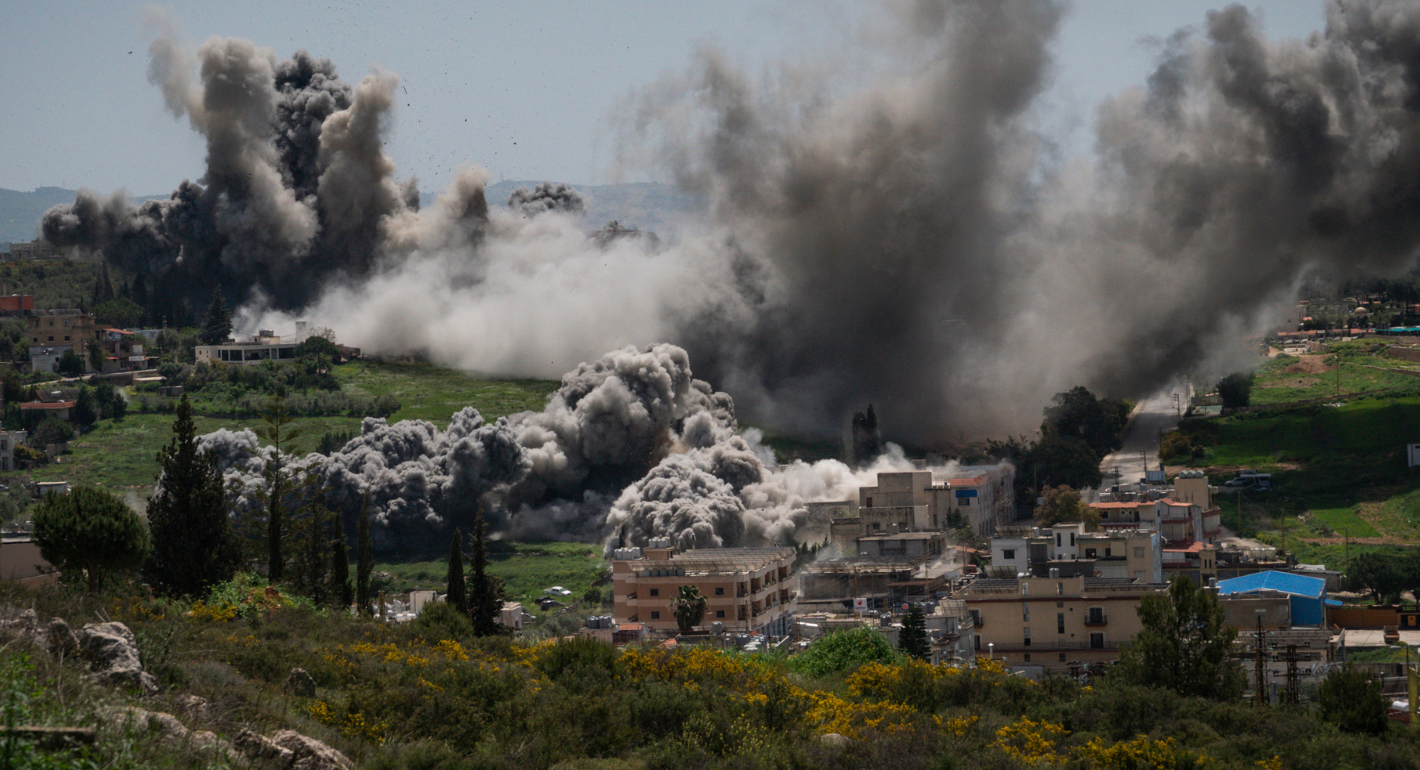
Europe has been standing by while its Southern neighborhood is being redrawn by force. To establish a path to peace between Israel and Lebanon, it’s time for Europeans to get involved with hard power.

Rym Momtaz
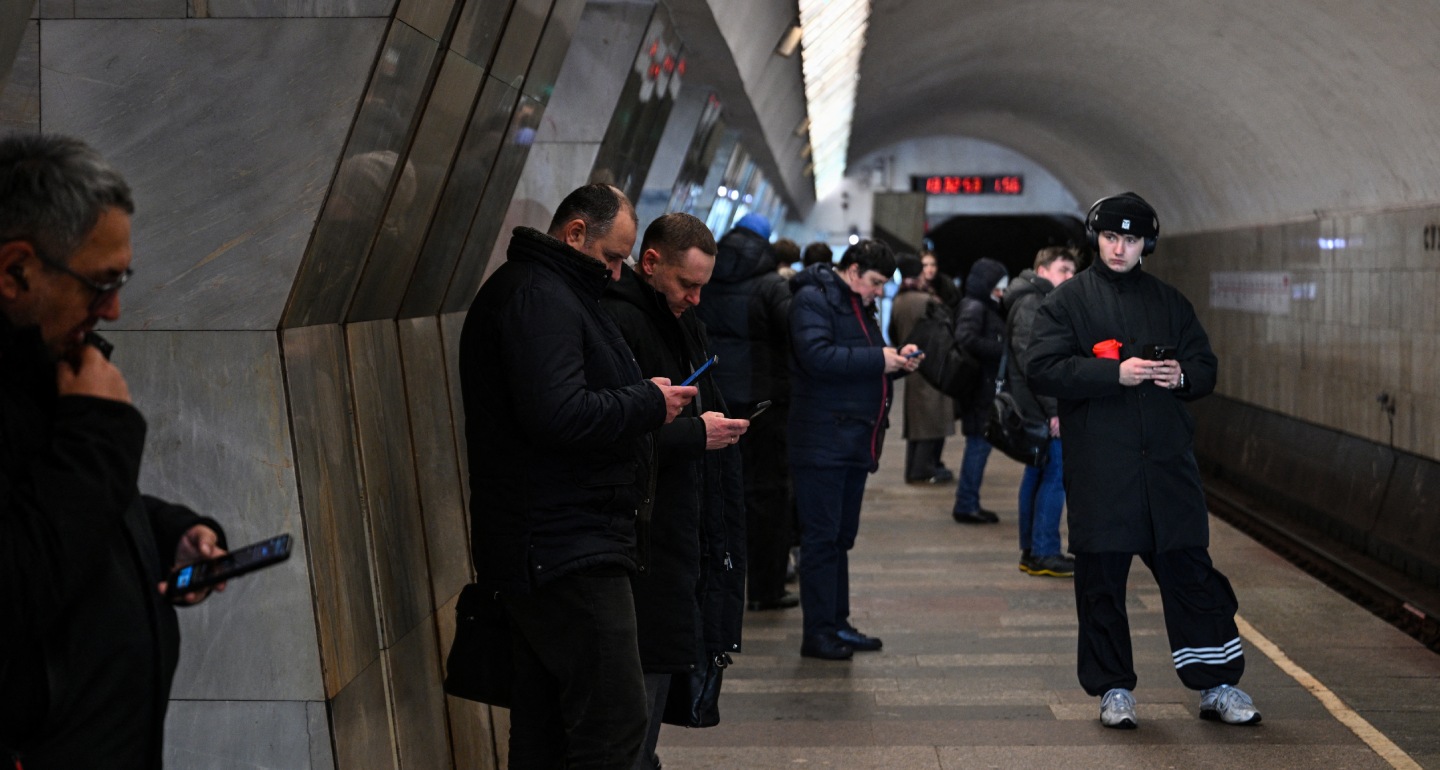
After four years of war, there is no one who can stand up to the security establishment, and President Vladimir Putin is increasingly passive.

Tatiana Stanovaya
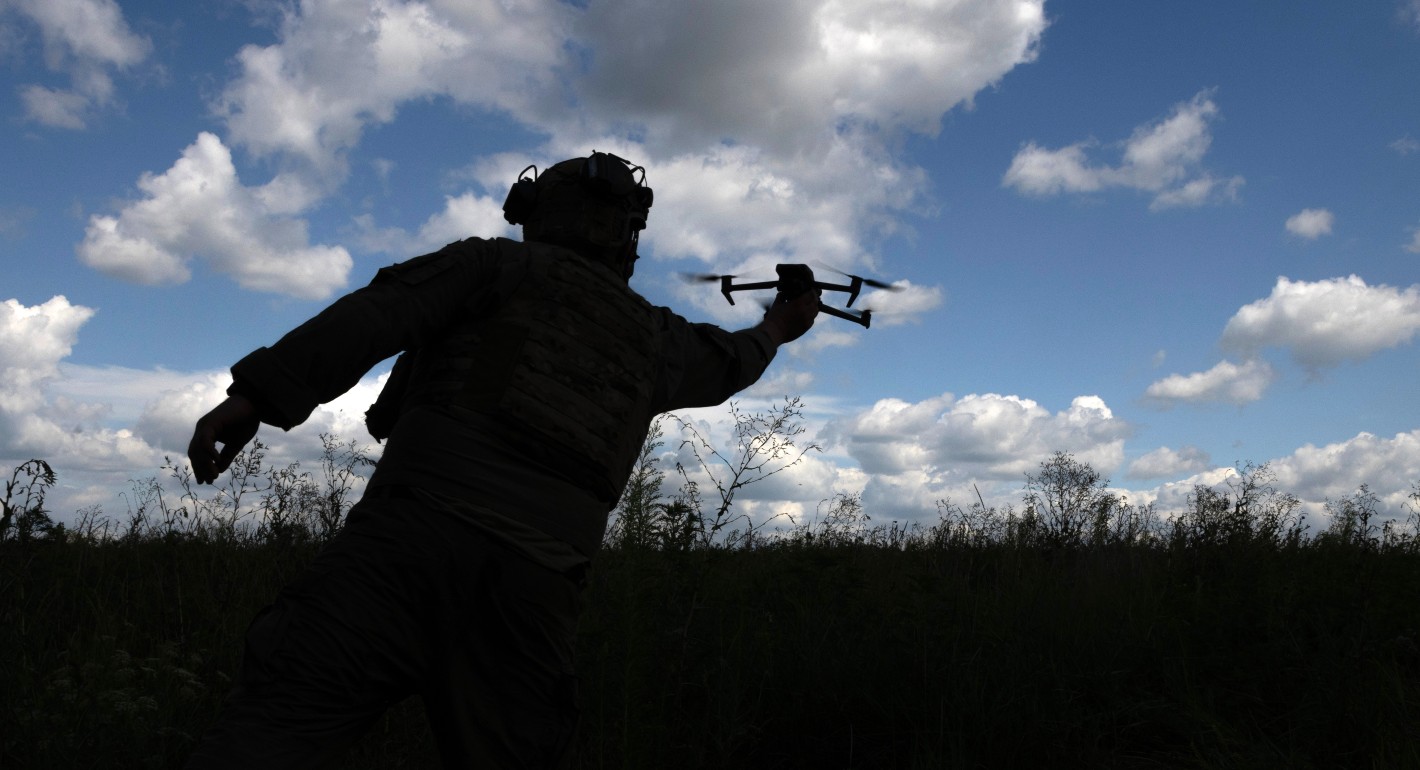
How Ukraine is driving doctrinal change in modern warfare.

Andriy Zagorodnyuk