Report
Sharon Squassoni
{
  "authors": [
    "Sharon Squassoni"
  ],
  "type": "other",
  "centerAffiliationAll": "dc",
  "centers": [
    "Carnegie Endowment for International Peace"
  ],
  "collections": [
    "U.S. Nuclear Policy"
  ],
  "englishNewsletterAll": "ctw",
  "nonEnglishNewsletterAll": "",
  "primaryCenter": "Carnegie Endowment for International Peace",
  "programAffiliation": "NPP",
  "programs": [
    "Nuclear Policy"
  ],
  "projects": [],
  "regions": [
    "North America",
    "United States",
    "East Asia",
    "China",
    "Caucasus",
    "Russia",
    "Western Europe",
    "United Kingdom",
    "France"
  ],
  "topics": [
    "Nuclear Policy",
    "Nuclear Energy"
  ]
}
Source: Getty
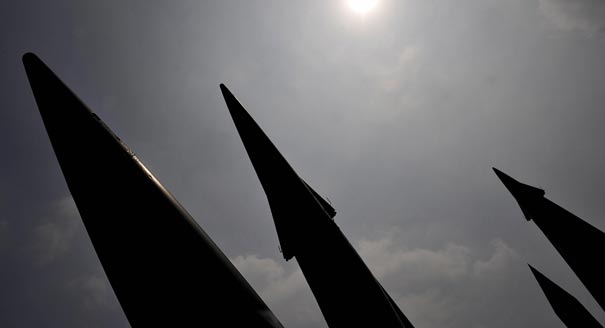
All NPT states agreed in 2000 to lay out a practical path toward nuclear disarmament – the 13 Steps. While some steps toward disarmament have been taken, much more needs to be done.
Source: Carnegie Endowment

All NPT states agreed in 2000 to lay out a practical path toward nuclear disarmament—the 13 Steps. Are these still the right steps? How far have we come? Sharon Squassoni assesses the progress of the declared nuclear-weapon states (United States, Russia, China, France, and the United Kingdom) on the steps, and recommends measures to breathe new life into the 13 Steps or a similar package.
Recommendations:

Former Senior Associate, Nuclear Policy Program
Squassoni came to Carnegie from the Congressional Research Service. She also served for nine years in the executive branch. Her last position at the State Department was director of Policy Coordination in the Nonproliferation Bureau.
Recent Work
Sharon Squassoni
Nima Gerami, Sharon Squassoni
Carnegie does not take institutional positions on public policy issues; the views represented herein are those of the author(s) and do not necessarily reflect the views of Carnegie, its staff, or its trustees.

Its reinstatement should be celebrated, but it retains some major shortcomings.

Leonardo Martinez-Diaz
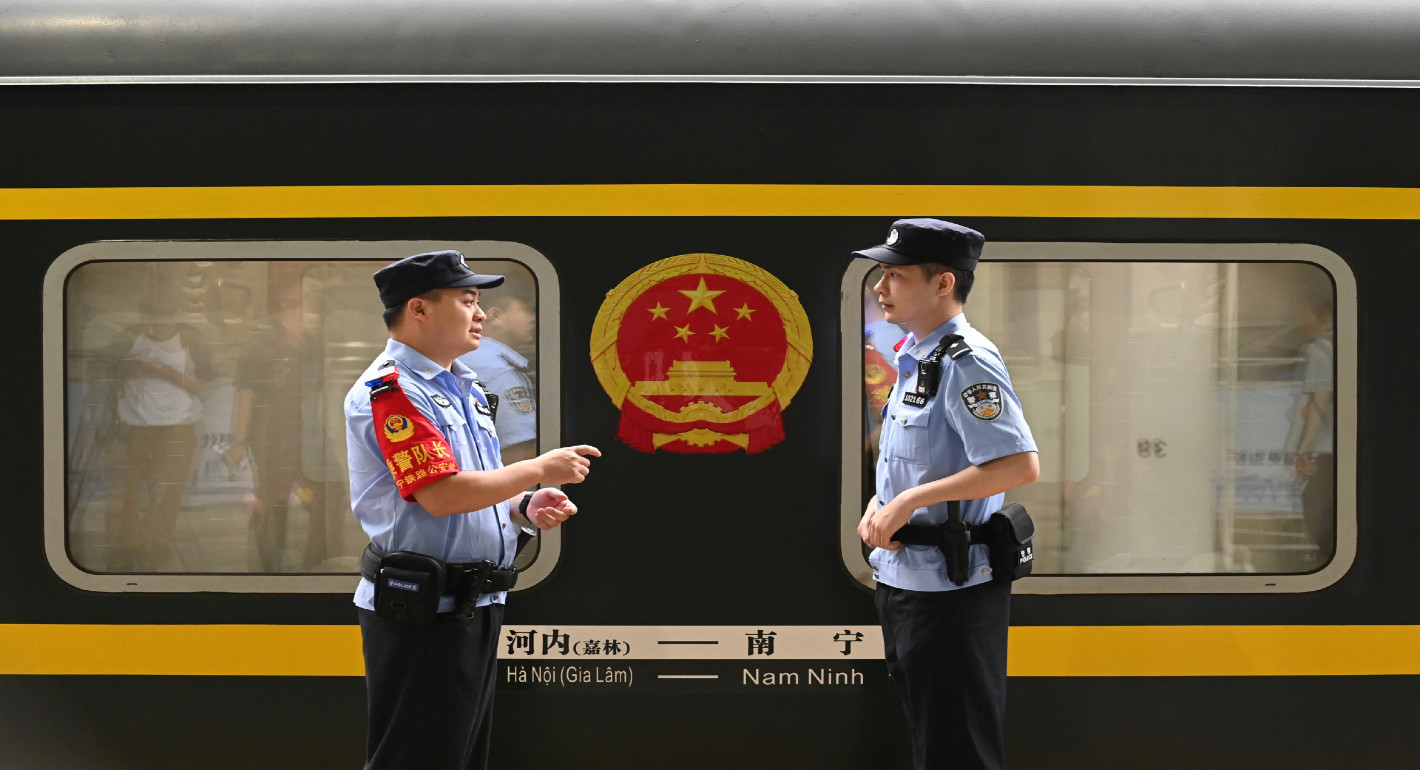
Despite long-standing differences, China and Vietnam are reinforcing common ground for collaboration, especially in public security. This internal security–centered diplomacy offers a strengthened road map for how China moves forward with Southeast Asia.
Sophie Zhuang
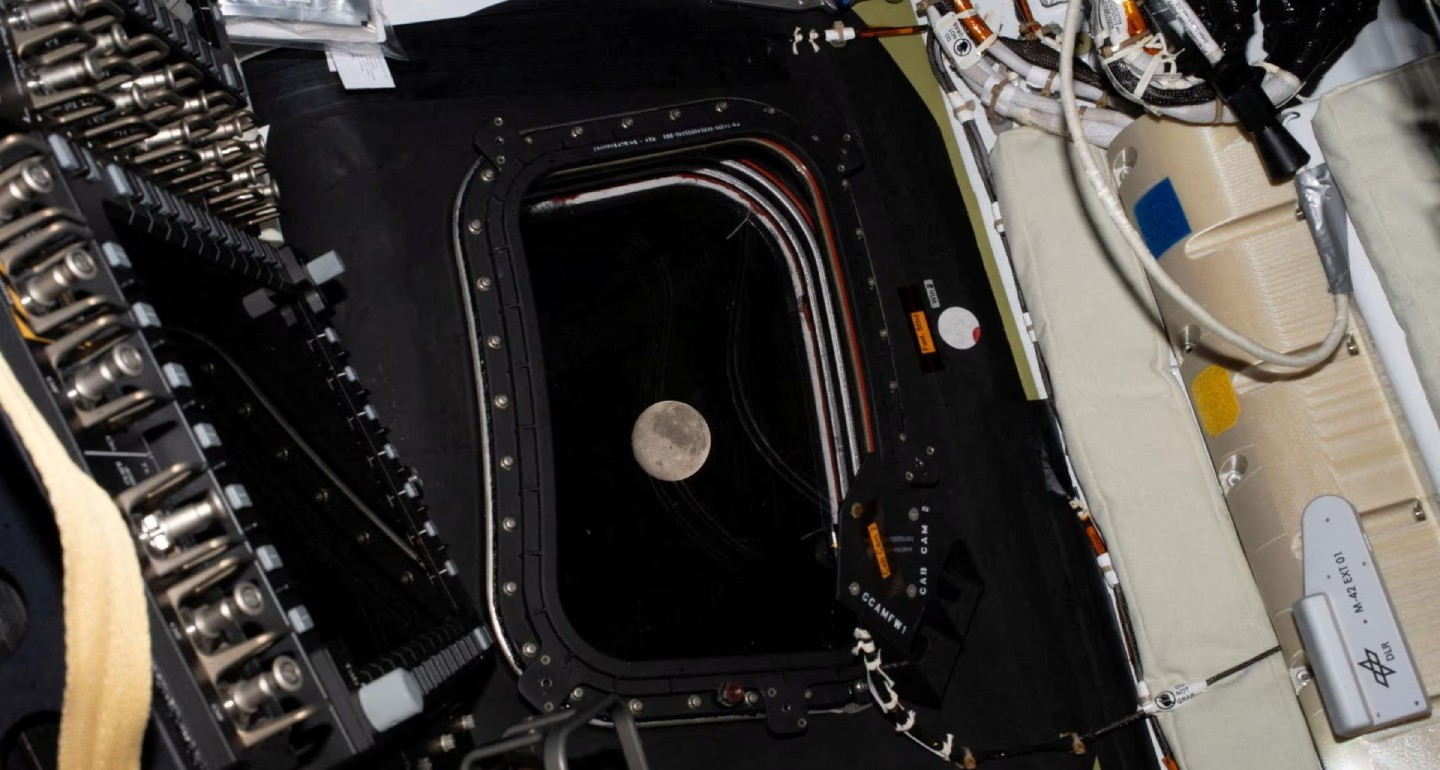
Despite having the resources and expertise, the Russian space industry missed the opportunity to offer the United States or China a mutually rewarding partnership in the lunar race.

Georgy Trishkin
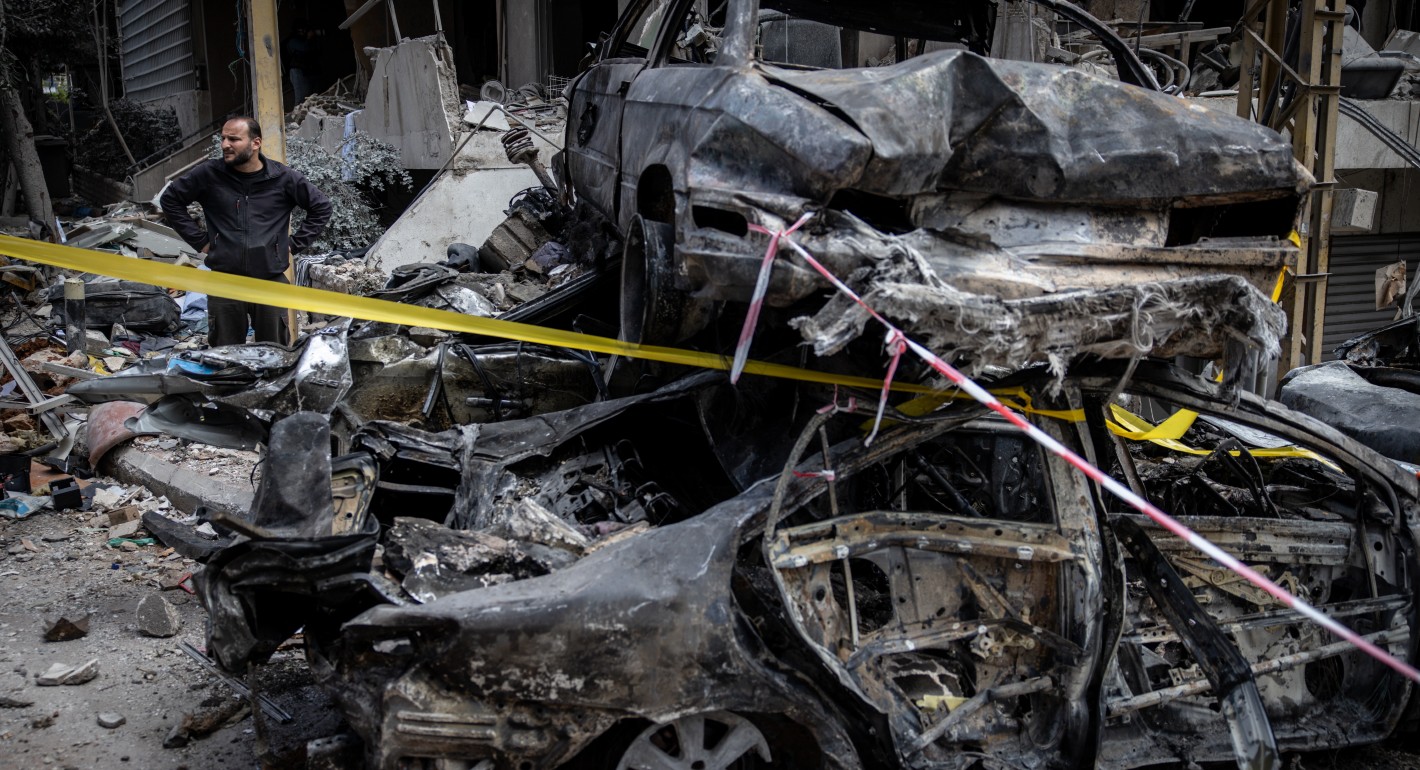
Four Middle East experts analyze the region’s reactions and next steps.



Amr Hamzawy, Andrew Leber, Eric Lob, …
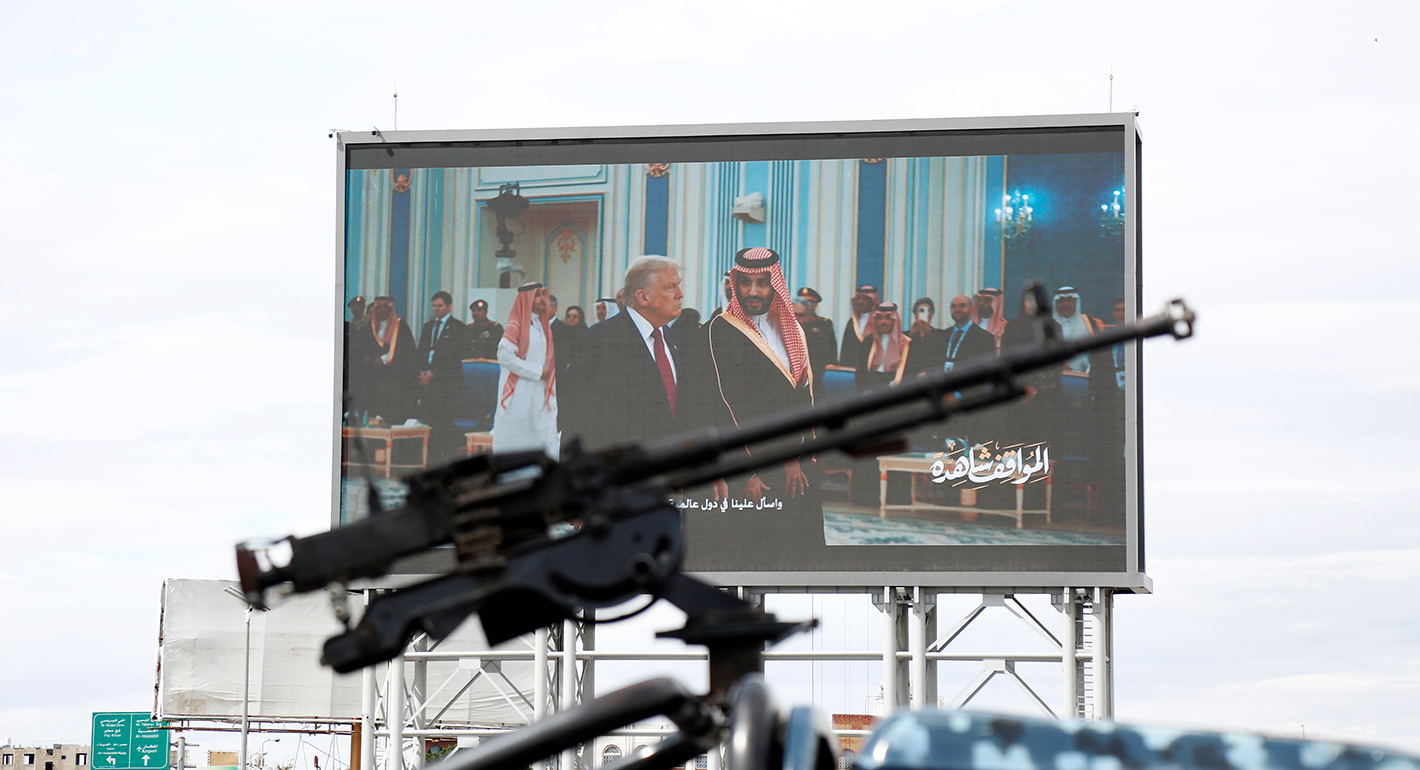
As the war between the United States, Israel, and Iran continues, Carnegie scholars contribute cutting-edge analysis on the events of the war and their wide-reaching implications. From the impact on Iran and its immediate neighbors to the responses from Gulf states to fuel and fertilizer shortages caused by the effective shutdown of the Strait of Hormuz, the war is reshaping Middle East alliances and creating shockwaves around the world. Carnegie experts analyze it all.