• Research
  • Emissary
  • About
  • Experts
Carnegie Global logoCarnegie lettermark logo
DemocracyIran
  • Donate
Realities and Priorities: What to Do in Afghanistan

Source: Getty

Article

Realities and Priorities: What to Do in Afghanistan

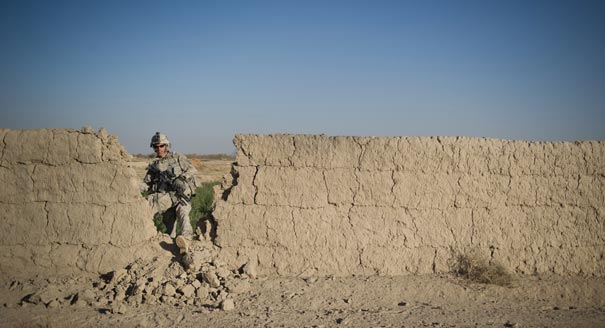
The Taliban’s recent advances in Kandahar are genuine and troubling. Coalition forces can avoid the mistakes of the past by not investing resources in rural districts and shifting focus to securing the cities and the north.

Link Copied
By Gilles Dorronsoro
Published on Aug 11, 2009
Program mobile hero image

Program

South Asia

The South Asia Program informs policy debates relating to the region’s security, economy, and political development. From strategic competition in the Indo-Pacific to India’s internal dynamics and U.S. engagement with the region, the program offers in-depth, rigorous research and analysis on South Asia’s most critical challenges.

Learn More

The Taliban’s recent advances in Kandahar are genuine and troubling. Coalition forces can avoid the mistakes fo the past by investing resources in rural districts and shifting focus to securing the cities and the north.

Dorronsoro Explains:

  • The Taliban have won control of the Pashtun belt and Helmand Province. The high level of xenophobia in these areas, coupled with the Taliban’s ability to address local grievances, will make it impossible for the coalition to control the countryside.
     
  • As a first priority, the coalition forces should stem the Taliban’s growing influence in the north, specifically in Baghlan, Kunduz, Takhar, Badghis, Herat, and Ghor.
     
  • Because of their countryside dominance, the Taliban are now attacking cities, including Gardez, Khost, and Pul-i Alam. The coalition forces should prioritize securing the cities, where there is a higher likelihood for success compared to the rural areas.

To read the full debate on ForeignPolicy.com, click here.
About the Author

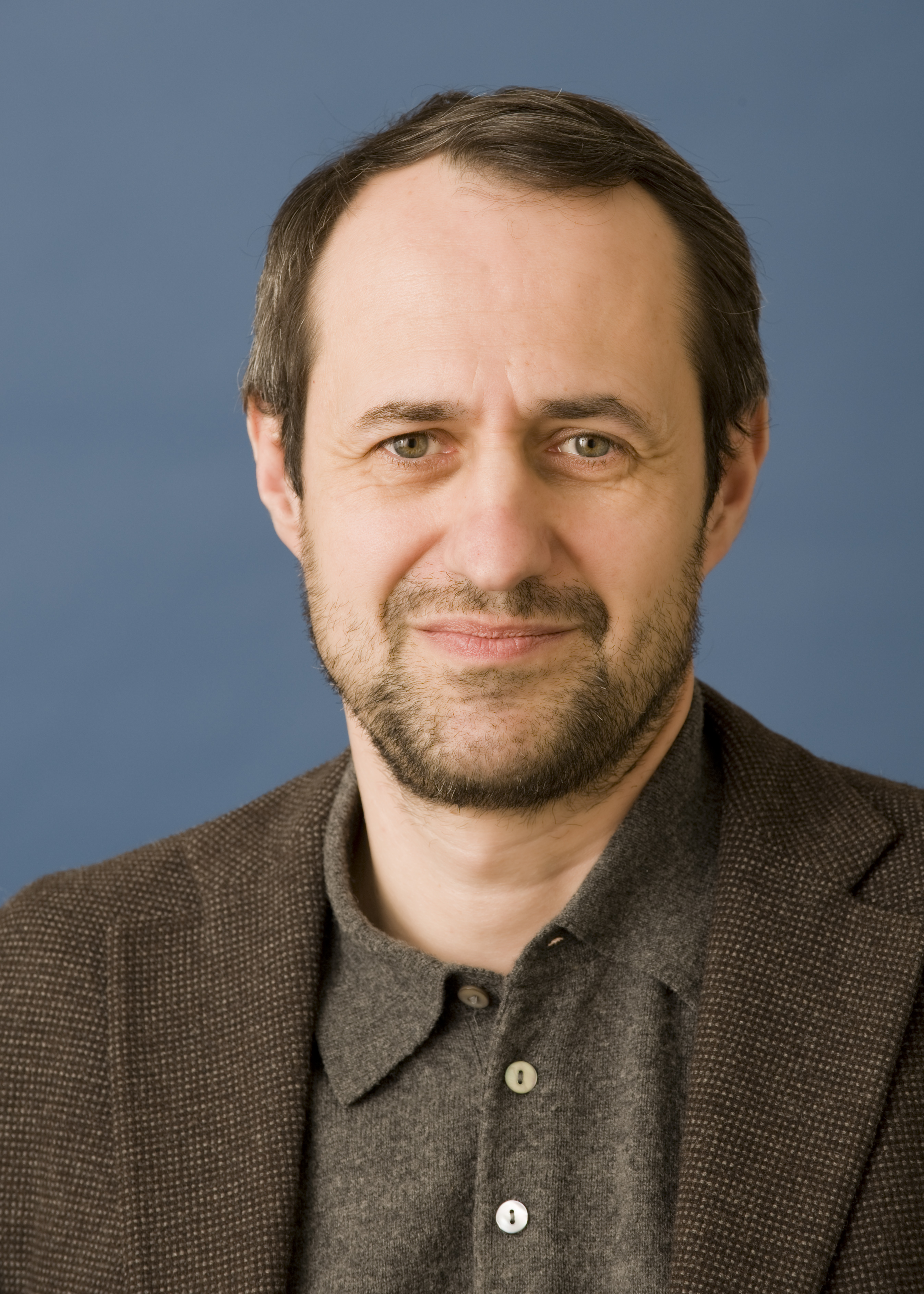
Gilles Dorronsoro

Former Nonresident Scholar, South Asia Program

Dorronsoro’s research focuses on security and political development in Afghanistan. He was a professor of political science at the Sorbonne in Paris and the Institute of Political Studies of Rennes.

    Recent Work

  • Paper
    Waiting for the Taliban in Afghanistan

      Gilles Dorronsoro

  • Paper
    Afghanistan: The Impossible Transition

      Gilles Dorronsoro

Gilles Dorronsoro
Former Nonresident Scholar, South Asia Program
Gilles Dorronsoro
South AsiaAfghanistanSecurityForeign Policy

Carnegie does not take institutional positions on public policy issues; the views represented herein are those of the author(s) and do not necessarily reflect the views of Carnegie, its staff, or its trustees.

More Work from Carnegie Endowment for International Peace

  • Commentary
    Strategic Europe
    Taking the Pulse: Is the EU Ready for Rapprochement With the UK?

    Closer EU-UK ties could help address urgent European concerns. But is the EU ready for rapprochement with the United Kingdom?

      • Rym Momtaz

      Rym Momtaz, ed.

  • Duterte stands with his fist raised and a crowd of people stand behind him
    Paper
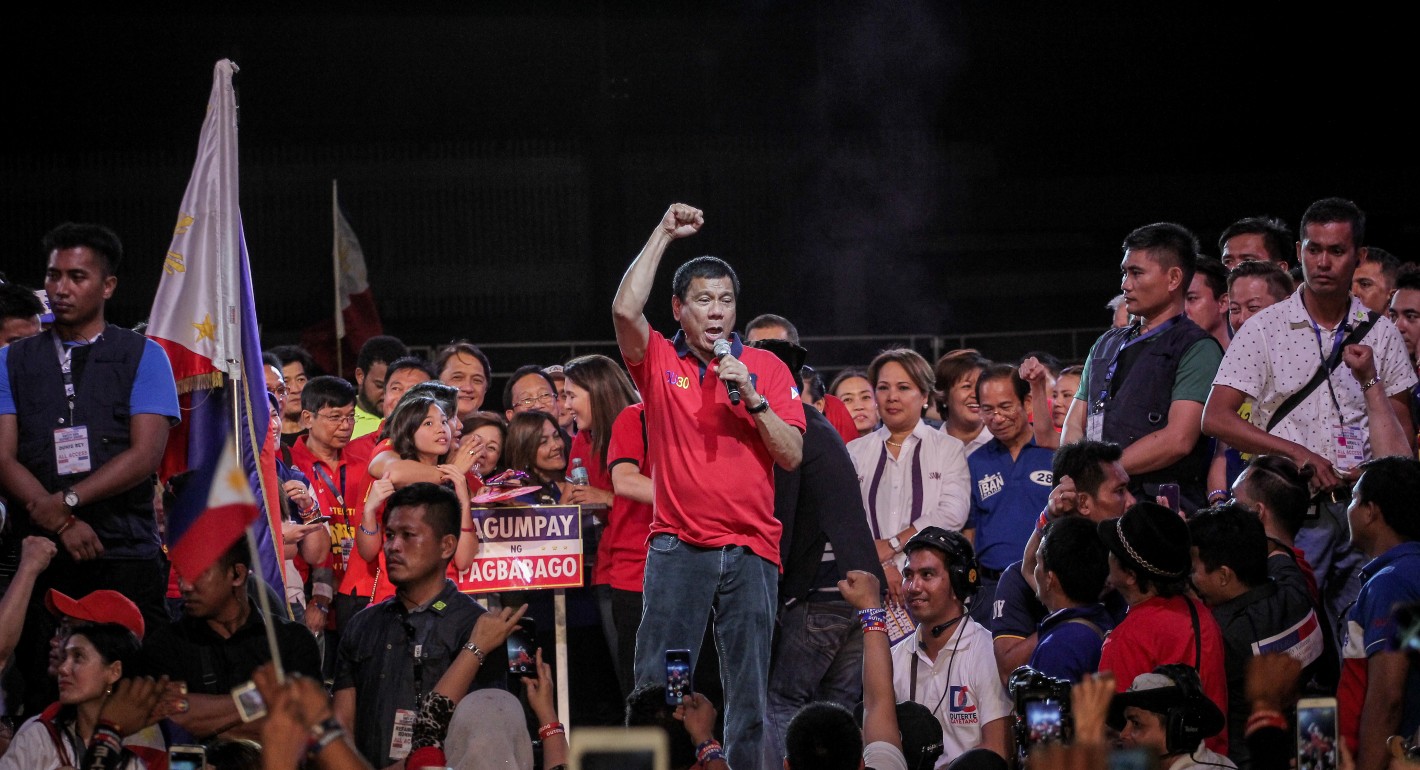
    Duterte’s Populist Foreign Policy as Illiberal Defiance: Consequences and Prospects

    In the Philippines, Duterte-era discourse emphasizing sovereignty, anti-Western skepticism, and strongman diplomacy mirrors tenets of populist foreign policy around the world.
      Aries A. Arugay
  • Commentary
    Strategic Europe
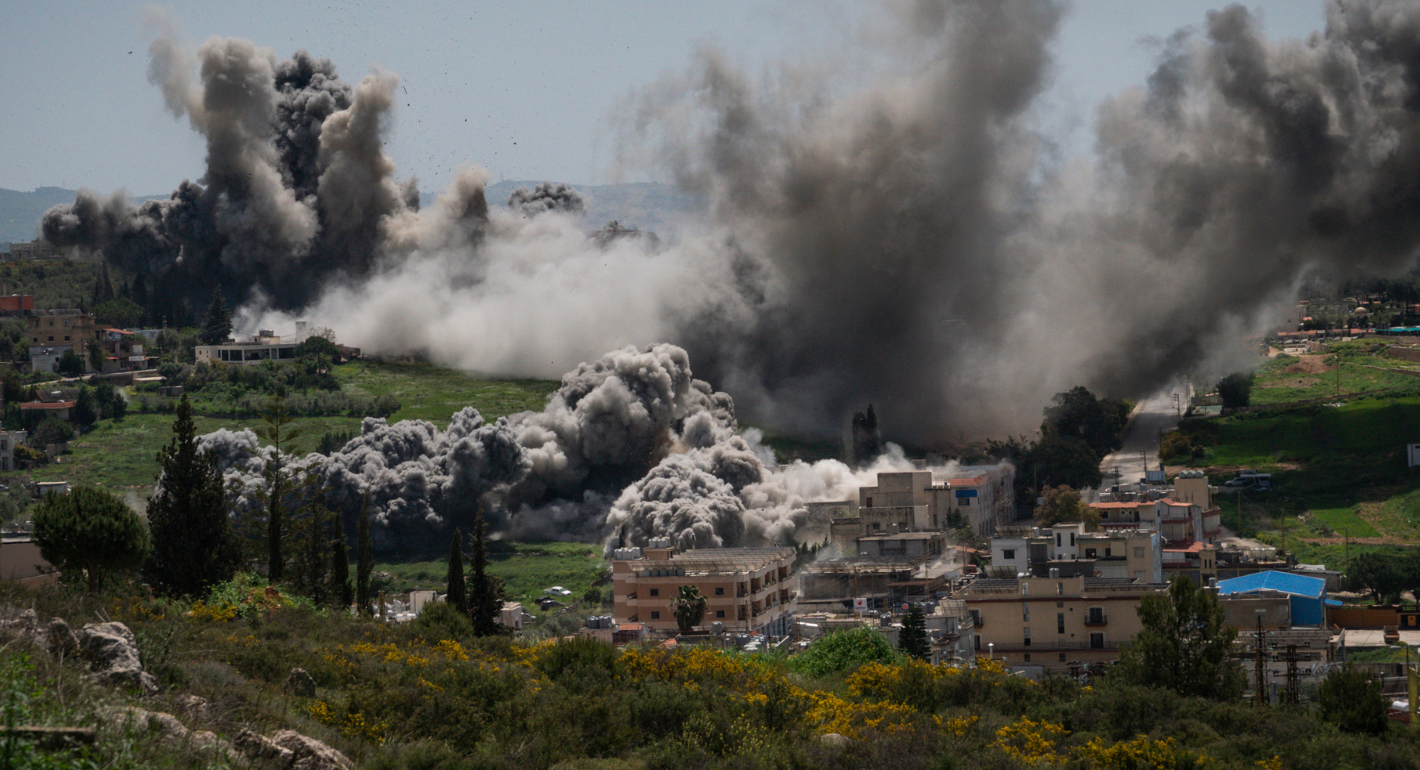
    France, Italy, and Spain Should Use Force in Lebanon

    Europe has been standing by while its Southern neighborhood is being redrawn by force. To establish a path to peace between Israel and Lebanon, it’s time for Europeans to get involved with hard power.

      • Rym Momtaz

      Rym Momtaz

  • Commentary
    Carnegie Politika
    Is Opposition to Online Restrictions an Inflection Point for the Russian Regime?

    After four years of war, there is no one who can stand up to the security establishment, and President Vladimir Putin is increasingly passive. 

      Tatiana Stanovaya
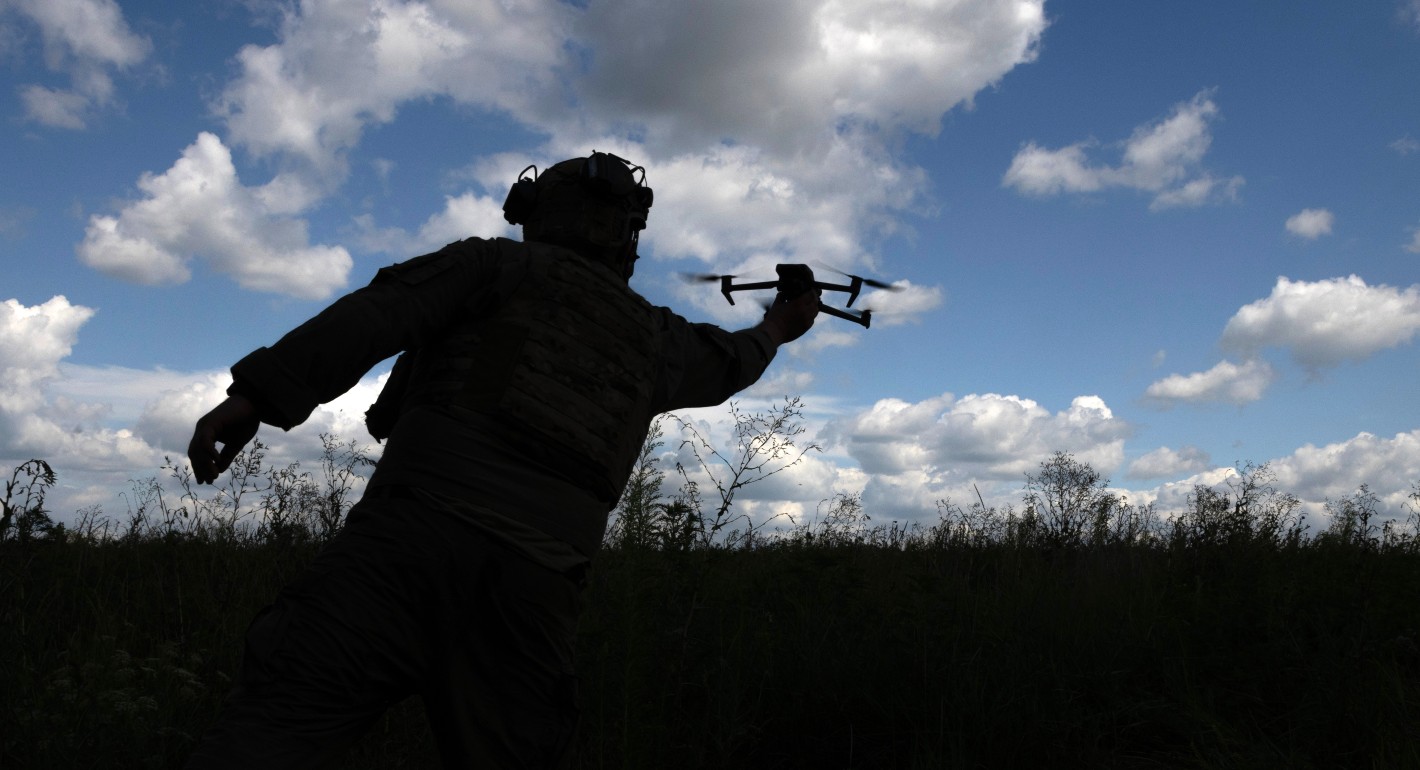
  • A shadow man holds a shadow drone against a blue sky with clouds.
    Article
    The New Revolution in Military Affairs

    How Ukraine is driving doctrinal change in modern warfare.
      • Andriy Zagorodnyuk

      Andriy Zagorodnyuk

Get more news and analysis from
Carnegie Endowment for International Peace
Carnegie global logo, stacked
1779 Massachusetts Avenue NWWashington, DC, 20036-2103Phone: 202 483 7600
  • Research
  • Emissary
  • About
  • Experts
  • Donate
  • Programs
  • Events
  • Blogs
  • Podcasts
  • Contact
  • Annual Reports
  • Careers
  • Privacy
  • For Media
  • Government Resources
Get more news and analysis from
Carnegie Endowment for International Peace
© 2026 Carnegie Endowment for International Peace. All rights reserved.