• Research
  • Emissary
  • About
  • Experts
Carnegie Global logoCarnegie lettermark logo
DemocracyIran
  • Donate
{
  "authors": [],
  "type": "pressRelease",
  "centerAffiliationAll": "dc",
  "centers": [
    "Carnegie Endowment for International Peace",
    "Carnegie Russia Eurasia Center"
  ],
  "collections": [],
  "englishNewsletterAll": "ctw",
  "nonEnglishNewsletterAll": "",
  "primaryCenter": "Carnegie Endowment for International Peace",
  "programAffiliation": "SCP",
  "programs": [
    "Sustainability, Climate, and Geopolitics"
  ],
  "projects": [],
  "regions": [
    "Caucasus",
    "Russia",
    "North America"
  ],
  "topics": [
    "Climate Change",
    "Political Reform",
    "Domestic Politics"
  ]
}
REQUIRED IMAGE

REQUIRED IMAGE

Press Release

Efficient energy use will improve Russia’s economy and climate

Russia enjoys the world’s largest share of energy resources. While urban areas have grown more efficient in recent years, great expanses of the vast country continue to squander its valuable resources. Russia’s energy reserves can be conserved through available, cost-effective measures and this will lead to a more competitive economy, more jobs, and increased national income.

Link Copied
Published on May 12, 2010
Program mobile hero image

Program

Sustainability, Climate, and Geopolitics

The Sustainability, Climate, and Geopolitics Program explores how climate change and the responses to it are changing international politics, global governance, and world security. Our work covers topics from the geopolitical implications of decarbonization and environmental breakdown to the challenge of building out clean energy supply chains, alternative protein options, and other challenges of a warming planet.

Learn More

WASHINGTON, May 12—Russia enjoys the world’s largest share of energy resources. While urban areas have grown more efficient in recent years, great expanses of the vast country continue to squander its valuable resources. Russia’s energy reserves can be conserved through available, cost-effective measures and this will lead to a more competitive economy, more jobs, and increased national income, concludes a new report by John Millhone.

Significant benefits are within reach if effective federal, district, and local programs are implemented. By improving energy efficiency, Russia could:

  • Lower energy costs. Better efficiency will reduce the price consumers pay for energy.
  • Create jobs. Transforming Russia’s energy sector will require new jobs and reliable energy services improve Russia’s long-term economic outlook.
  • Increase exports. By lowering the domestic consumption of natural gas and oil, exports will grow and foreign-exchange earnings will rise.
  • Reduce emissions. Fewer emissions will help Russia meet its international commitments on climate change.

Five areas for Russia to improve efficiency

  1. Electricity. Reduce losses of energy and modernize an aging power system with new and improved power plants.
  2. Heat. Upgrade and replace Soviet-era heating systems.
  3. Industry. Reduce the energy intensity of Russia’s industrial sector, which is far higher than other competing countries.
  4. Buildings. Introduce energy-efficient building codes and retrofit old houses and buildings.
  5. Transportation. Improve public transportation and increase fuel-efficiency standards.

“Russia has a unique win-win opportunity if it acts aggressively to couple its energy and climate change policies,” writes Millhone.

###


NOTES

  • Click here to read the report online in English
  • Click here to read the report online in Russian
  • John Millhone is a visiting scholar in the Carnegie Energy and Climate Program. He is currently evaluating U.S. energy policies and focusing on clean energy and economic stimulus initiatives. Previously, he was program manager of the U.S. Department of Energy’s Weatherization and Intergovernmental programs, Climate Change programs (Country Studies and Joint Implementation), and buildings research and regulatory programs.
  • The Carnegie Energy and Climate Program aims to provide leadership in global energy and climate policy. The Program integrates thinking on energy technology, environmental science, and political economy to reduce risks stemming from global change and competition for scarce resources.
  • The Carnegie Russia and Eurasia Program has, since the end of the Cold War, led the field on Eurasian security, including strategic nuclear weapons and nonproliferation, development, economic and social issues, governance, and the rule of law.
  • The Carnegie Moscow Center was established in 1993 and accommodates foreign and Russian researchers collaborating with Carnegie’s global network of scholars on a broad range of contemporary policy issues relevant to Russia—military, political, and economic.
  • Press Contact: David Kampf, 202/939-2233, pressoffice@ceip.org
Climate ChangePolitical ReformDomestic PoliticsCaucasusRussiaNorth America

Carnegie does not take institutional positions on public policy issues; the views represented herein are those of the author(s) and do not necessarily reflect the views of Carnegie, its staff, or its trustees.
More Work from Carnegie Endowment for International Peace

  • Commentary
    Strategic Europe
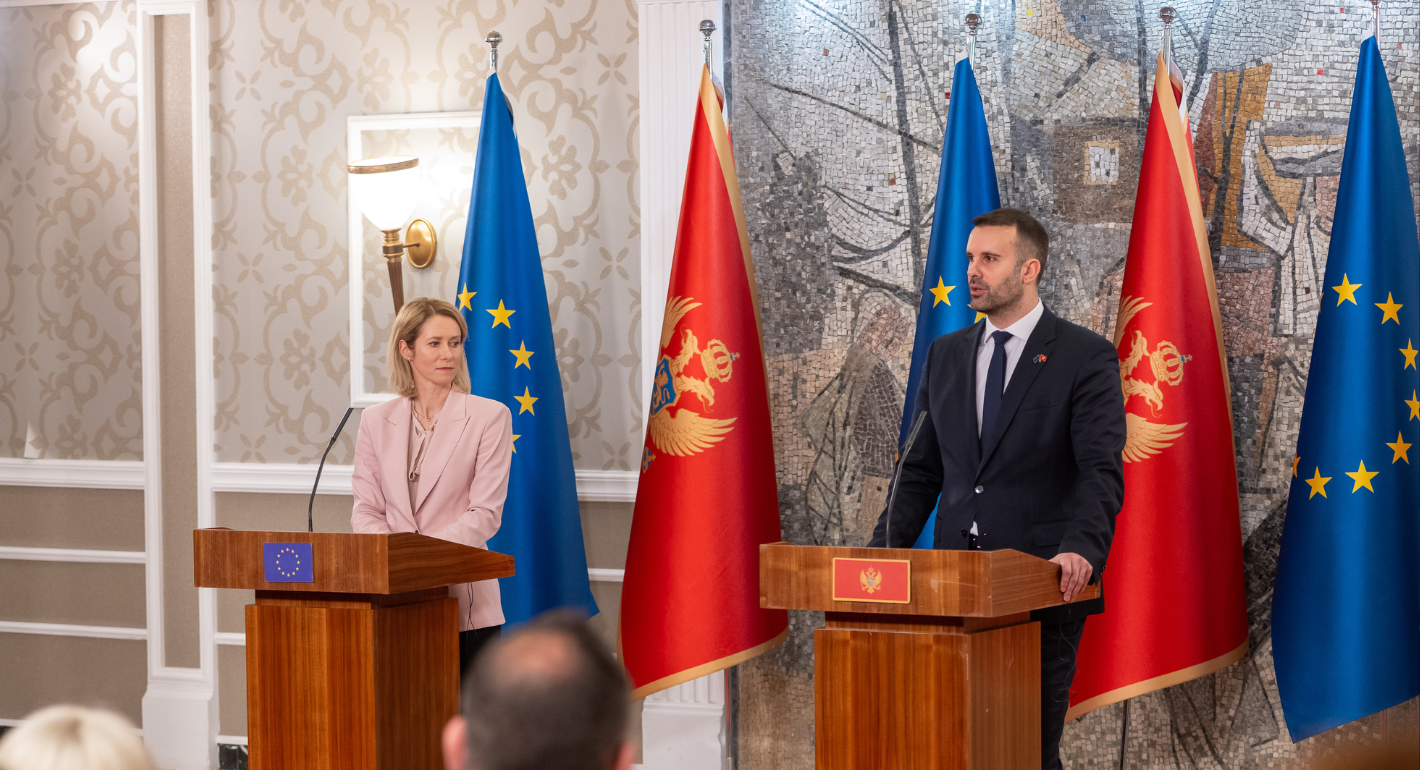
    How to Join the EU in Three Easy Steps

    Montenegro and Albania are frontrunners for EU enlargement in the Western Balkans, but they can’t just sit back and wait. To meet their 2030 accession ambitions, they must make a strong positive case.


      Dimitar Bechev, Iliriana Gjoni
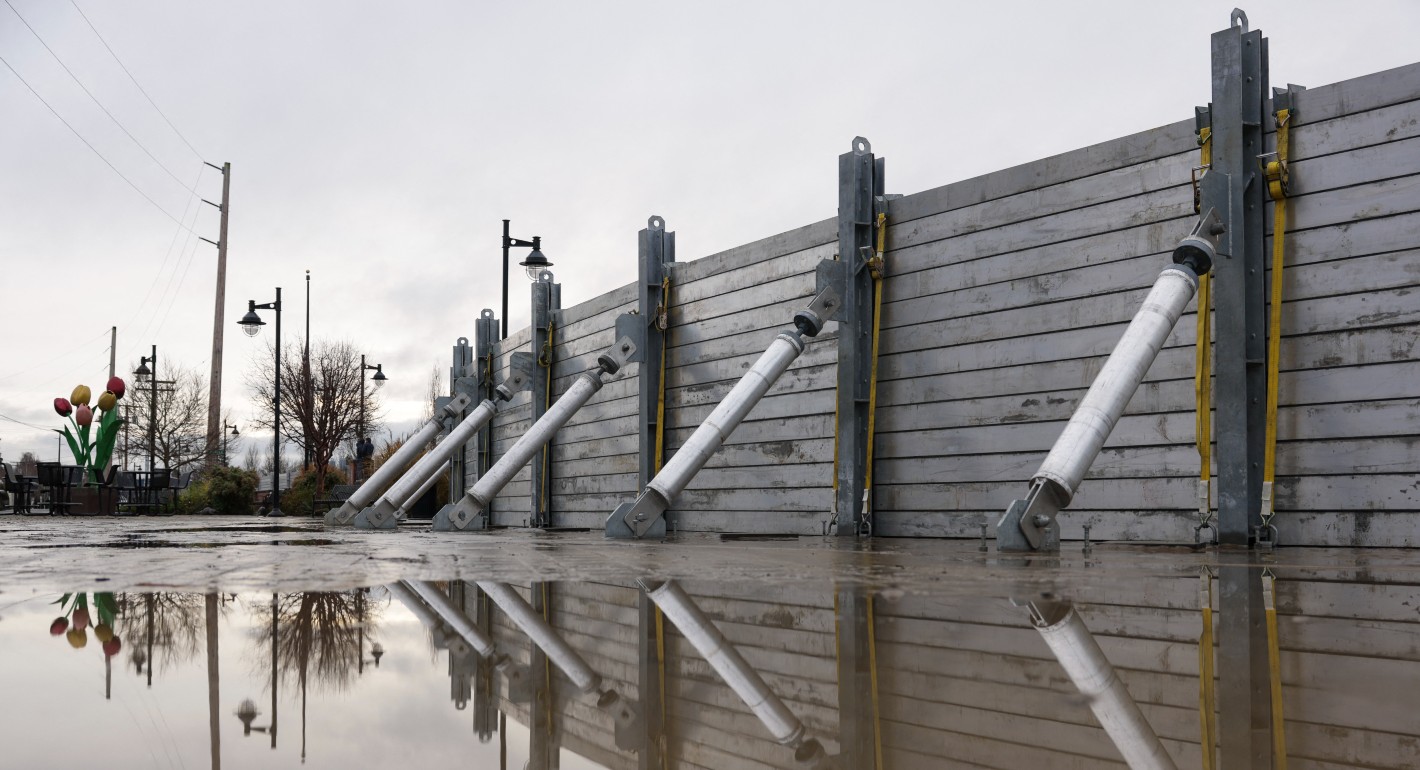
  • flood wall
    Commentary
    Emissary
    BRIC Is Critical for U.S. National Security. After a Yearlong Legal Battle, It’s Back.

    Its reinstatement should be celebrated, but it retains some major shortcomings.

      Leonardo Martinez-Diaz
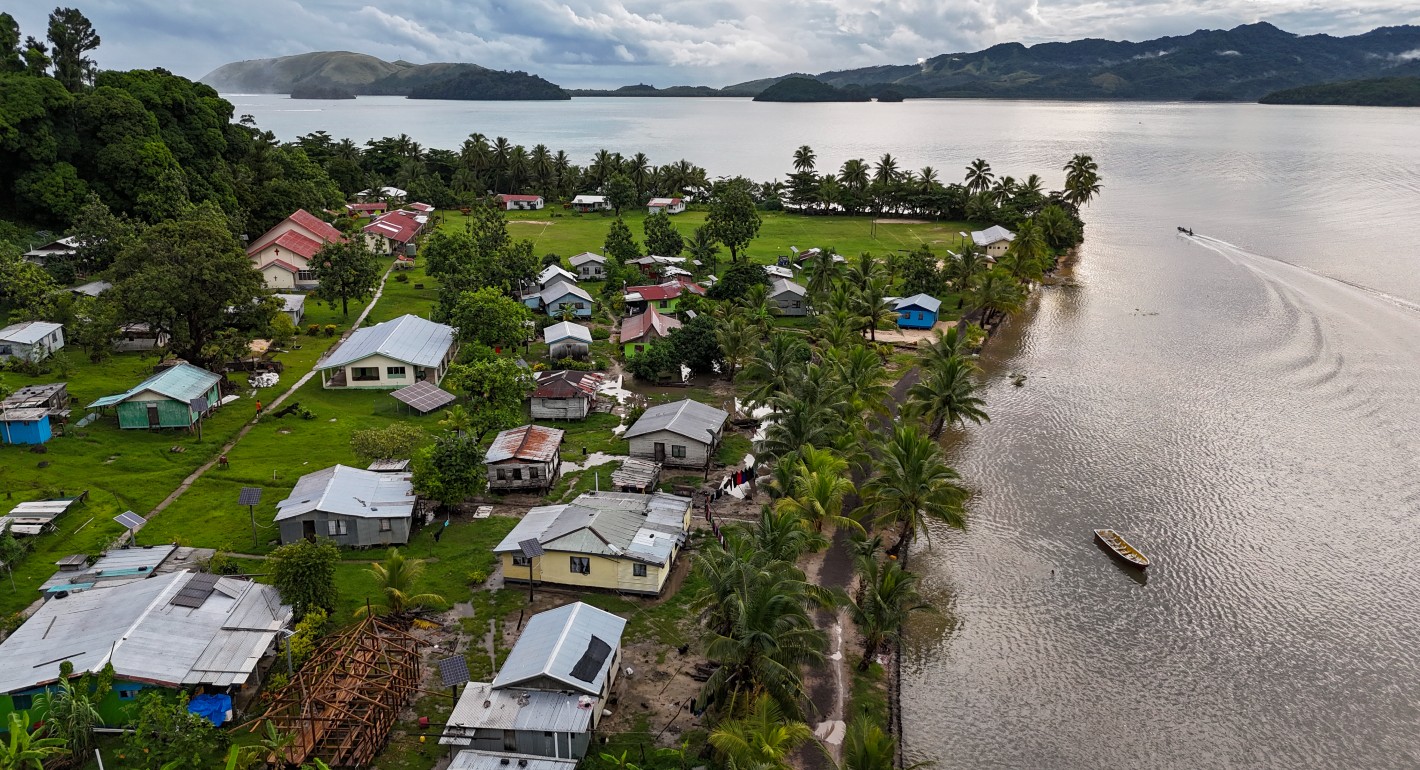
  • Aerial shot of island community
    Commentary
    One Year After the Great Aid Recession, Investments in Climate Mobility Offer Cost-Effective Returns

    Climate mobility interventions can vary, but they all present opportunities to unlock transformative results that mitigate costs associated with inaction.

      • Alejandro Rodriguez

      Alejandro Martin Rodriguez

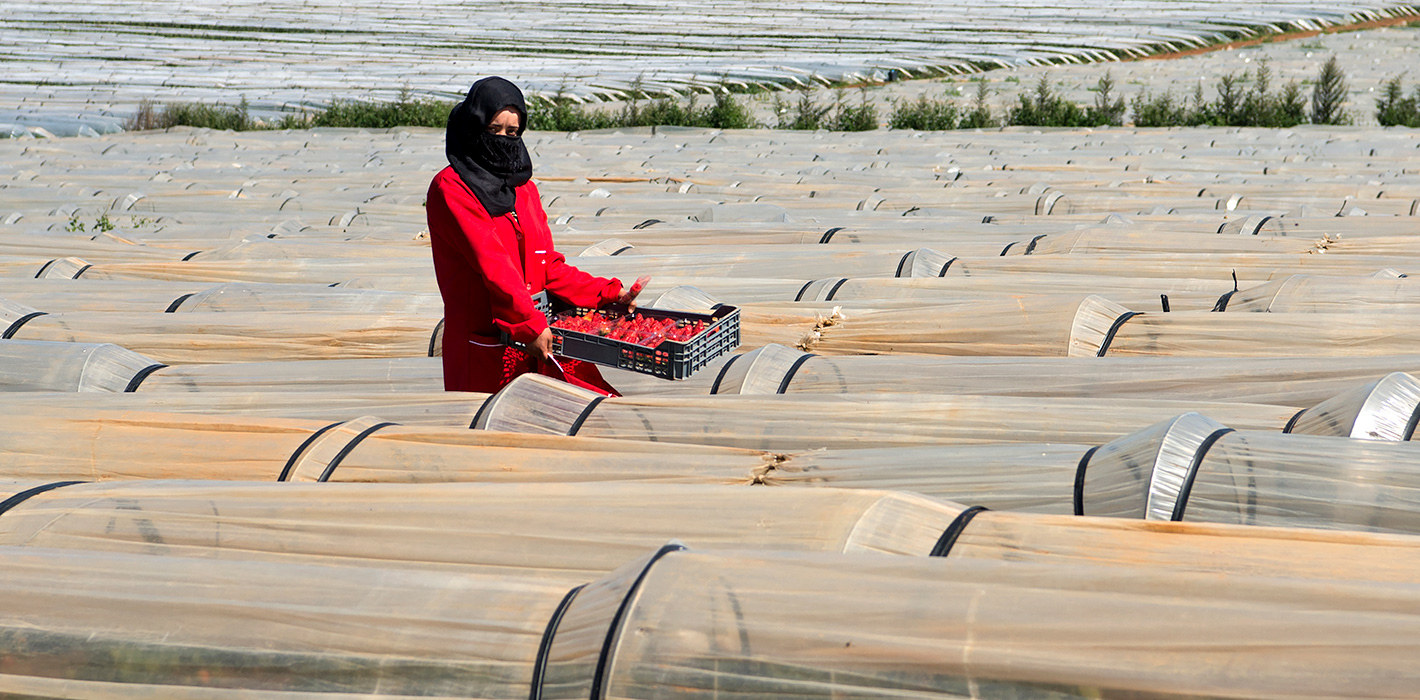
  • Female farm labourers pick strawberries in the Kenitra province country side of Morocco as the world marks the International Women's Day on March 8, 2017.
    Article
    Climate Change, Gender, and Inequality in Morocco’s Souss-Massa Region

    For Morocco, integrating gender into climate governance is not simply a matter of social justice. It is a strategic imperative for effective adaptation.

      Fadwa Rajoauni
  • Commentary
    Carnegie Politika
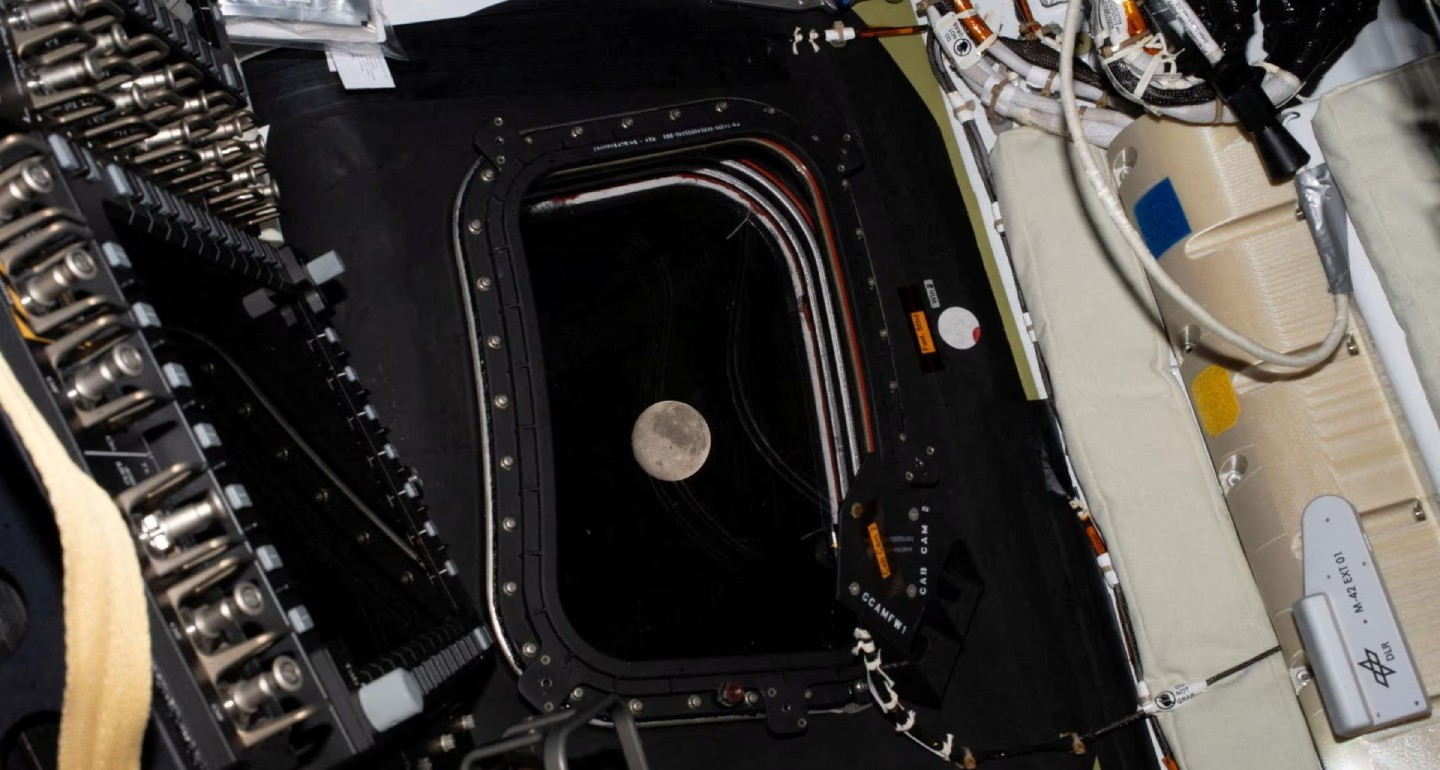
    Is There a Place for Russia in the New Race Back to the Moon?

    Despite having the resources and expertise, the Russian space industry missed the opportunity to offer the United States or China a mutually rewarding partnership in the lunar race.

      Georgy Trishkin

Get more news and analysis from
Carnegie Endowment for International Peace
Carnegie global logo, stacked
1779 Massachusetts Avenue NWWashington, DC, 20036-2103Phone: 202 483 7600Fax: 202 483 1840
  • Research
  • Emissary
  • About
  • Experts
  • Donate
  • Programs
  • Events
  • Blogs
  • Podcasts
  • Contact
  • Annual Reports
  • Careers
  • Privacy
  • For Media
  • Government Resources
Get more news and analysis from
Carnegie Endowment for International Peace
© 2026 Carnegie Endowment for International Peace. All rights reserved.