

Paper
Ashley J. Tellis
{
  "authors": [
    "Ashley J. Tellis"
  ],
  "type": "legacyinthemedia",
  "centerAffiliationAll": "dc",
  "centers": [
    "Carnegie Endowment for International Peace"
  ],
  "collections": [],
  "englishNewsletterAll": "ctw",
  "nonEnglishNewsletterAll": "",
  "primaryCenter": "Carnegie Endowment for International Peace",
  "programAffiliation": "SAP",
  "programs": [
    "South Asia"
  ],
  "projects": [],
  "regions": [
    "North America",
    "United States",
    "South Asia",
    "Afghanistan",
    "Pakistan"
  ],
  "topics": [
    "Security",
    "Foreign Policy"
  ]
}
Source: Getty
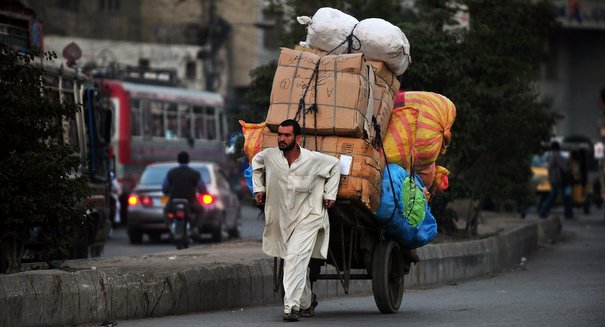
The United States should expand its military supply network for Afghanistan beyond Pakistan, so that it has the option of making further military aid contingent on Islamabad ceasing support for militant groups in Afghanistan.
Source: Foreign Policy

Yet both the Bush and Obama administrations have tolerated Pakistan's duplicity with regard to counterterrorism, primarily because the country remains the principal artery for transporting U.S. cargo -- food, water, vehicles -- and fuel delivered to Afghanistan. And, as the recent border closings by Pakistani forces have shown, the Obama administration must implement a Plan B that denies Pakistan the ability to hold the coalition at ransom: It must begin by planning to move larger quantities of supplies through the northern distribution network that runs from Georgia through Azerbaijan, to Kazakhstan, and then Uzbekistan to Afghanistan. Although U.S. forces now receive more supplies through this route than they did before, the dependence on Pakistan is still substantial -- and so consequently is Islamabad's capacity for blackmail.
As a complement to increasing reliance on the northern route, U.S. assistance to Pakistan (totaling roughly $18 billion in civilian and military aid since 9/11) should be tacitly conditioned on Islamabad's meeting certain counterterrorism benchmarks. For starters, all transfers of major military equipment to Islamabad should be contingent on Pakistan ceasing support for militant groups that threaten coalition and national forces in Afghanistan. More extreme (and hopefully unnecessary) options would include expanded drone and air-power operations inside Pakistani airspace. Or -- and this is certain to catch Islamabad's attention -- more open support for Indian contributions to Afghan stability.
The most important problem is that suddenly challenging Pakistan after a decade of acquiescence to its mendacity is tantamount to abruptly changing the rules of a game that Washington and Islamabad have gotten used to: It could result in even greater Pakistani obduracy and further support for its jihadi proxies. Although that is certainly an unpalatable possibility, the bitter truth is that the current state of affairs -- in which Washington indefinitely subsidizes Islamabad's sustenance of U.S. enemies -- poses far greater dangers to the United States. The Obama administration must make the difficult choice now and show Islamabad that the rules of the game have changed.
Former Senior Fellow
Ashley J. Tellis was a senior fellow at the Carnegie Endowment for International Peace.
Recent Work
Ashley J. Tellis
Ashley J. Tellis
Carnegie does not take institutional positions on public policy issues; the views represented herein are those of the author(s) and do not necessarily reflect the views of Carnegie, its staff, or its trustees.
Closer EU-UK ties could help address urgent European concerns. But is the EU ready for rapprochement with the United Kingdom?

Rym Momtaz, ed.
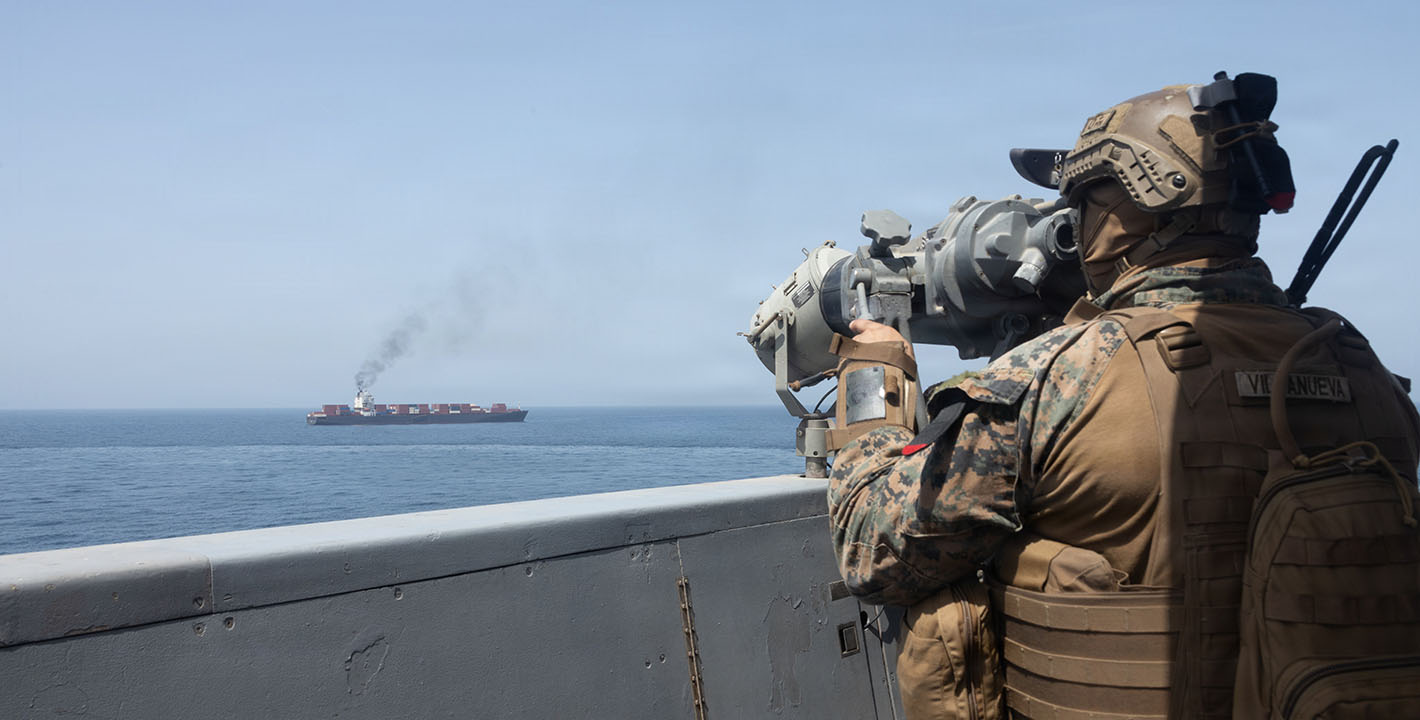
In an interview, Jim Lamson discusses the ongoing regional conflict and sees an unclear picture when it comes to winners and losers.

Michael Young
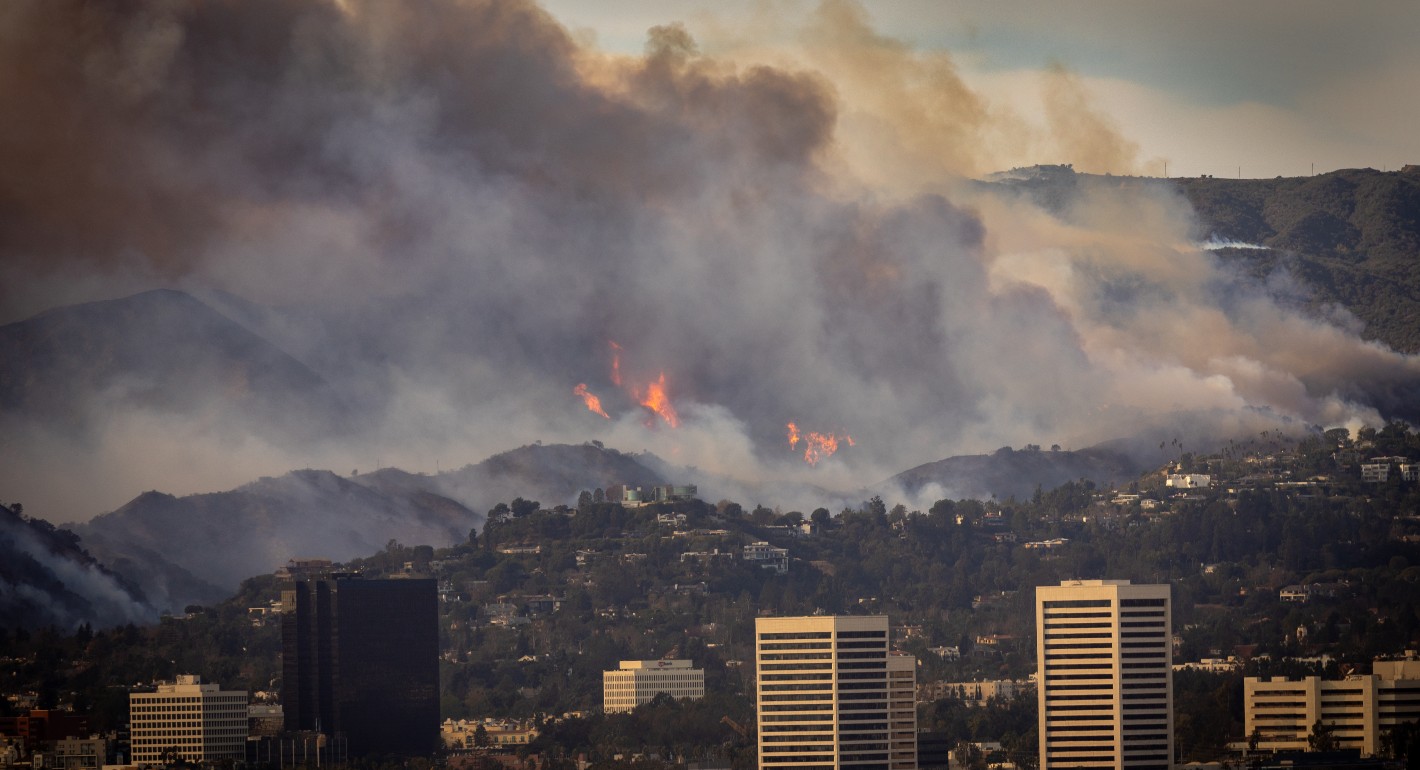
Our new report offers a path forward for local officials and future policymakers.



Joe McCannon, Jenny Keroack, Lauren Jensen, …

Present and future policymakers seeking to address climate-related health challenges can draw lessons from the successes and failures of the Biden administration.
Joe McCannon, Jenny Keroack, Lauren Jensen, …
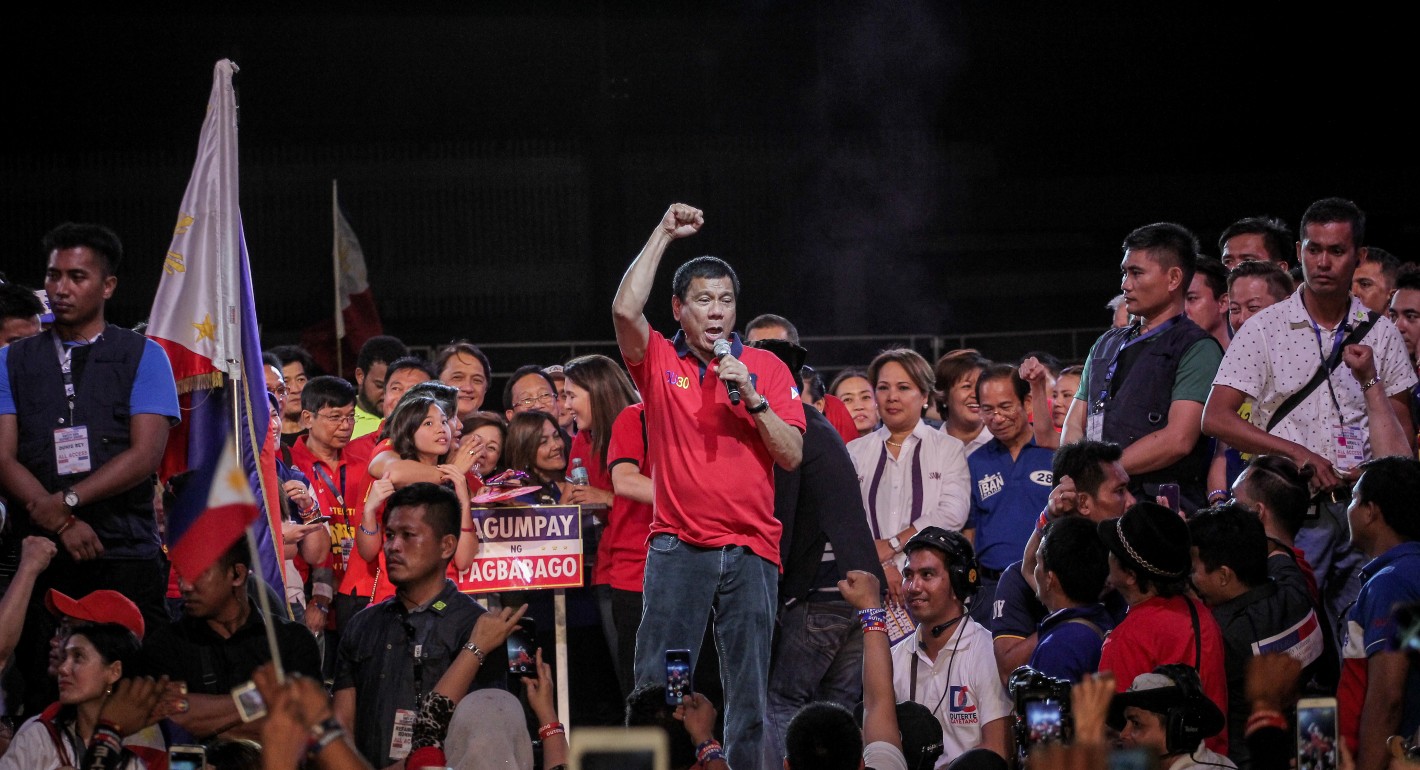
In the Philippines, Duterte-era discourse emphasizing sovereignty, anti-Western skepticism, and strongman diplomacy mirrors tenets of populist foreign policy around the world.
Aries A. Arugay