

Commentary
Uri Dadush
{
  "authors": [
    "Uri Dadush"
  ],
  "type": "other",
  "centerAffiliationAll": "",
  "centers": [
    "Carnegie Endowment for International Peace",
    "Carnegie Europe",
    "Carnegie Russia Eurasia Center"
  ],
  "collections": [
    "Transatlantic Cooperation"
  ],
  "englishNewsletterAll": "",
  "nonEnglishNewsletterAll": "",
  "primaryCenter": "Carnegie Endowment for International Peace",
  "programAffiliation": "",
  "programs": [],
  "projects": [],
  "regions": [
    "North America",
    "United States",
    "East Asia",
    "China",
    "Western Europe",
    "Asia",
    "Europe"
  ],
  "topics": [
    "Economy",
    "Trade",
    "Foreign Policy"
  ]
}
REQUIRED IMAGE
While the obsession with global rebalancing stokes currency and protectionist tensions, it diverts attention from what is really needed—reforms at home.
The current emphasis on global rebalancing—which aims to reduce trade deficits and surpluses—is misguided. Trade deficits and surpluses narrowed significantly during the Great Recession, can be financed and eased over time, and are largely the result of domestic forces—making further global rebalancing unlikely.
While the obsession with global rebalancing stokes currency and protectionist tensions, it diverts attention from what is really needed—reforms at home. Rather than focusing on global rebalancing, countries should concentrate more on fixing their domestic problems and expanding their domestic demand at the maximum sustainable rate.
A version of this policy brief was originally published in Current History.

Former Senior Associate, International Economics Program
Dadush was a senior associate at the Carnegie Endowment for International Peace. He focuses on trends in the global economy and is currently tracking developments in the eurozone crisis.
Recent Work
Uri Dadush
Uri Dadush
Carnegie does not take institutional positions on public policy issues; the views represented herein are those of the author(s) and do not necessarily reflect the views of Carnegie, its staff, or its trustees.
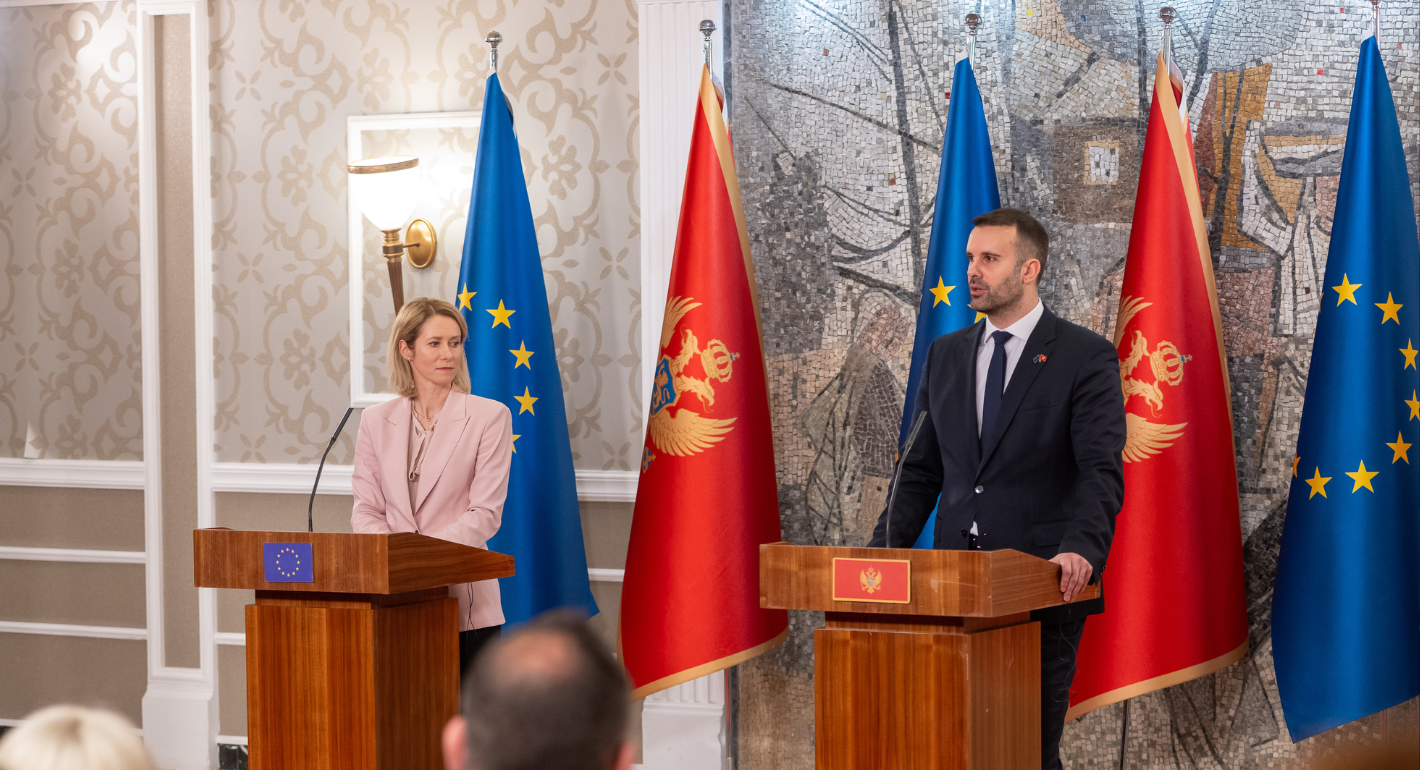
Montenegro and Albania are frontrunners for EU enlargement in the Western Balkans, but they can’t just sit back and wait. To meet their 2030 accession ambitions, they must make a strong positive case.


Dimitar Bechev, Iliriana Gjoni

Its reinstatement should be celebrated, but it retains some major shortcomings.

Leonardo Martinez-Diaz

Despite long-standing differences, China and Vietnam are reinforcing common ground for collaboration, especially in public security. This internal security–centered diplomacy offers a strengthened road map for how China moves forward with Southeast Asia.
Sophie Zhuang

Climate mobility interventions can vary, but they all present opportunities to unlock transformative results that mitigate costs associated with inaction.

Alejandro Martin Rodriguez

Four Middle East experts analyze the region’s reactions and next steps.



Amr Hamzawy, Andrew Leber, Eric Lob, …