

Q&A
- +1
Amr Hamzawy, Andrew Leber, Eric Lob, …
{
  "authors": [
    "Marwan Muasher"
  ],
  "type": "legacyinthemedia",
  "centerAffiliationAll": "dc",
  "centers": [
    "Carnegie Endowment for International Peace"
  ],
  "collections": [
    "Arab Awakening"
  ],
  "englishNewsletterAll": "menaTransitions",
  "nonEnglishNewsletterAll": "",
  "primaryCenter": "Carnegie Endowment for International Peace",
  "programAffiliation": "MEP",
  "programs": [
    "Middle East"
  ],
  "projects": [],
  "regions": [
    "Middle East",
    "North Africa",
    "Egypt",
    "Jordan"
  ],
  "topics": [
    "Political Reform"
  ]
}
Source: Getty
Important first steps toward political transformation are occurring throughout the Arab world, as evidenced by the trial of deposed Egyptian President Hosni Mubarak and the amendments proposed for the Jordanian constitution.
Source: BBC's Impact

Egyptians are eager to move away from the Mubarak regime to a new system, but establishing due process during this transformation is critical. According to Muasher, “it is important not just for Egypt but as a precedent for the rest of the Arab world.”
Turning to Jordan, Muasher added that the recently proposed constitutional amendments represent a vital first step, but “are not the end of the road.” Elected governments are going to take some time to materialize in Jordan. In the meantime, Muasher concluded, the monarchy must engage in serious efforts to restore the credibility gap between itself and the people.

Vice President for Studies
Marwan Muasher is vice president for studies at Carnegie, where he oversees research in Washington and Beirut on the Middle East. Muasher served as foreign minister (2002–2004) and deputy prime minister (2004–2005) of Jordan, and his career has spanned the areas of diplomacy, development, civil society, and communications.
Recent Work



Amr Hamzawy, Andrew Leber, Eric Lob, …
Marwan Muasher
Carnegie does not take institutional positions on public policy issues; the views represented herein are those of the author(s) and do not necessarily reflect the views of Carnegie, its staff, or its trustees.
One is hopeful. One is realistic. One is cautionary.
Andrew Leber, Sam Worby
Cairo’s efforts send a message to the United States and the region that it still has a place at the diplomatic table.

Angie Omar
It’s true that many Armenians would vote for anyone just to be rid of Pashinyan, whom they blame for the loss of Nagorno-Karabakh, but the pro-Russia opposition is unlikely to be able to channel that frustration into an electoral victory.
Mikayel Zolyan
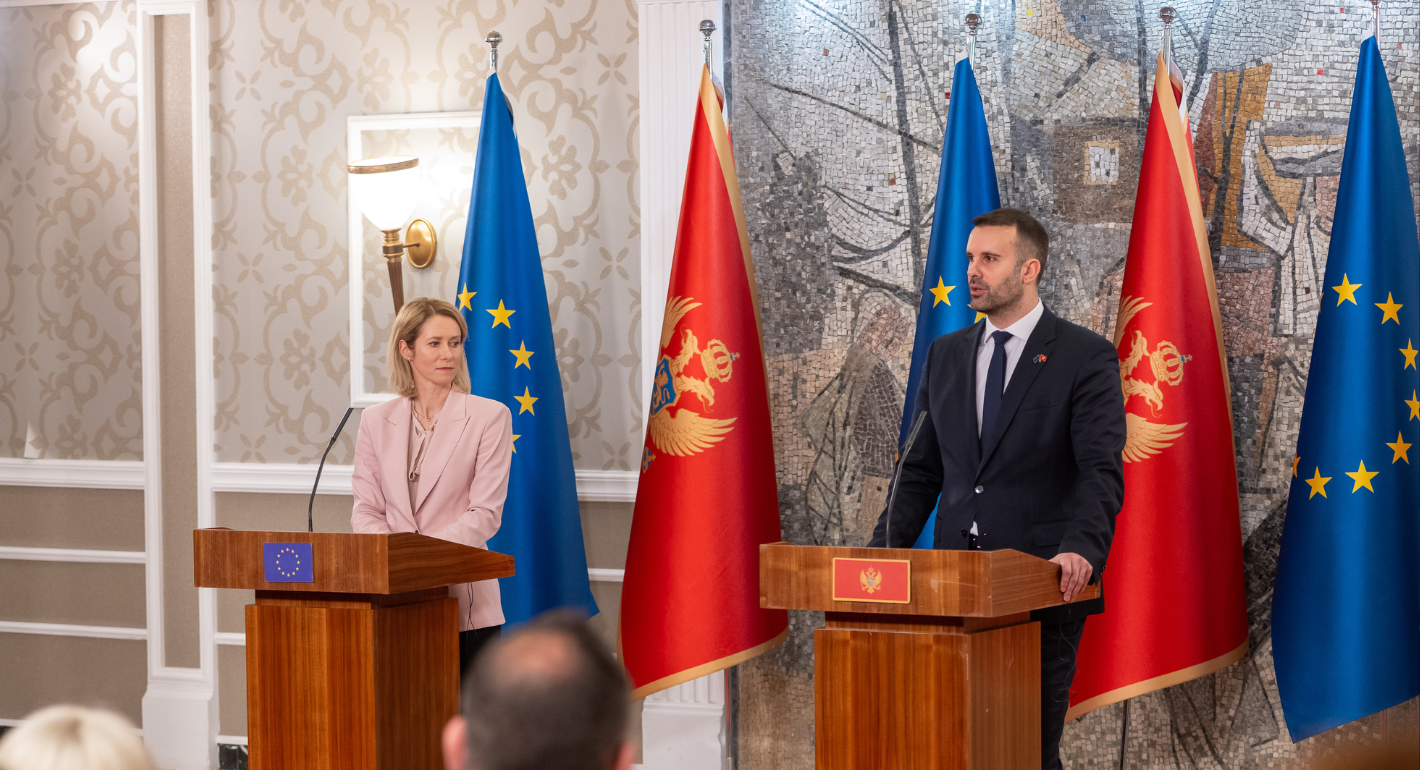
Montenegro and Albania are frontrunners for EU enlargement in the Western Balkans, but they can’t just sit back and wait. To meet their 2030 accession ambitions, they must make a strong positive case.


Dimitar Bechev, Iliriana Gjoni
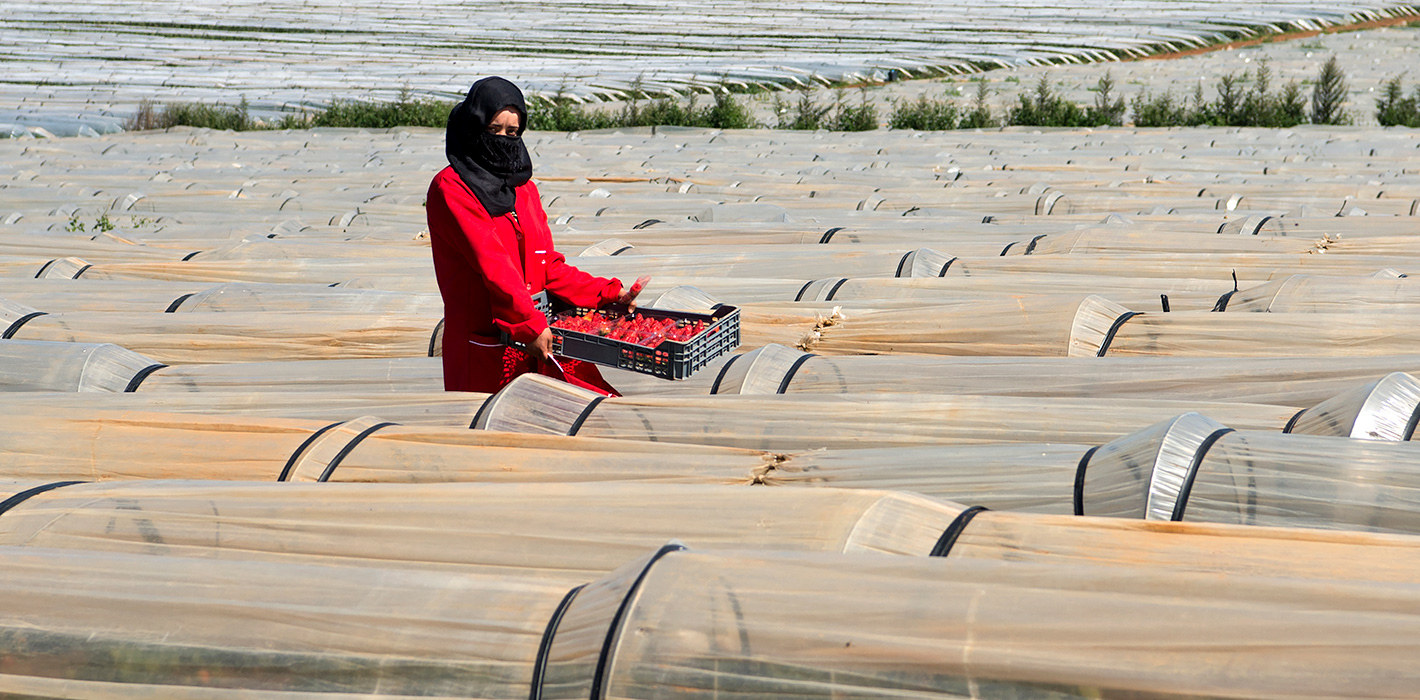
For Morocco, integrating gender into climate governance is not simply a matter of social justice. It is a strategic imperative for effective adaptation.
Fadwa Rajoauni