
- +10
Rosa Balfour, Frances Z. Brown, Yasmine Farouk, …
{
"authors": [
"Moisés Naím"
],
"type": "legacyinthemedia",
"centerAffiliationAll": "",
"centers": [
"Carnegie Endowment for International Peace",
"Carnegie Europe"
],
"collections": [],
"englishNewsletterAll": "",
"nonEnglishNewsletterAll": "",
"primaryCenter": "Carnegie Endowment for International Peace",
"programAffiliation": "",
"programs": [],
"projects": [],
"regions": [
"North America",
"Middle East",
"Caucasus",
"Russia",
"Western Europe",
"France"
],
"topics": [
"Economy",
"Trade"
]
}Source: Getty
Economic Inequality: Peaceful Acceptance of Deep Differentials is Coming to an End
While economic inequality has always existed and is not going away, this year it is likely to top the global agenda for voters, protesters, and politicians running for office in the many important elections scheduled around the world.
Source: Financial Times


There is nothing new in the fact that a few people have too much and too many have too little. In some places (the Soviet Union and most countries with authoritarian regimes) inequality was once largely hidden from the population, in others (Latin America) it was known but tolerated and in some (the US) it was celebrated. In 2011, the economic crisis made the world more aware of the extent and scope of economic inequality. In 2012, peaceful coexistence with inequality will end and demands and promises to fight it will become fiercer and more widespread than they have been since the end of the Cold War.
Headlines such as this recent one in the Los Angeles Times – “Six Walmart heirs are wealthier than US’ entire bottom 30 per cent” – epitomise the new mood. Such scrutiny of the lives and deeds of the “one per cent” will become obsessive. Alongside the newfound intolerance for inequality, we will also see the occasional attempt to explain that not all inequality is bad. Jamie Dimon, chief executive of JPMorgan Chase, said recently: “Acting like everyone who’s been successful is bad and that everyone who is rich is bad – I just don’t get it.” Behind his perplexity is the assumption that great wealth often results from innovation, talent and hard work that are justly rewarded by society.
But as we know, great wealth and inequality can also originate in corruption, discrimination, monopolies, abusive corporate behavior or Madoff-like malfeasance. Students of inequality like to equate it to cholesterol: there is bad and good inequality, and the trick is to boost the good one while keeping the bad one at its lowest possible level.
Therein lies the problem: lowering inequality without harming other goals (investment, innovation, risk-taking, hard work) is not easy. The fight for a more equal society was the goal of countless experiments that resulted in even more inequality, widespread poverty and loss of freedoms.
Yet there is compelling evidence that high inequality is also bad for a nation’s health: it leads to higher political instability, more violence and it also hurts competitiveness and long term growth.
Elections will take place in the US, France, Russia, Taiwan, Mexico, Egypt, and Korea in the coming twelve months. Spain and China will also change leadership. Inequality will become part of electoral debates that will influence the conversation even in countries where it has long been taken for granted. Inequality will be the protagonist of 2012.
About the Author
Distinguished Fellow
Moisés Naím is a distinguished fellow at the Carnegie Endowment for International Peace, a best-selling author, and an internationally syndicated columnist.
- The World Reacts to Biden’s First 100 DaysResearch
- View From Latin AmericaCommentary
Moisés Naím
Recent Work
Carnegie does not take institutional positions on public policy issues; the views represented herein are those of the author(s) and do not necessarily reflect the views of Carnegie, its staff, or its trustees.
More Work from Carnegie Endowment for International Peace
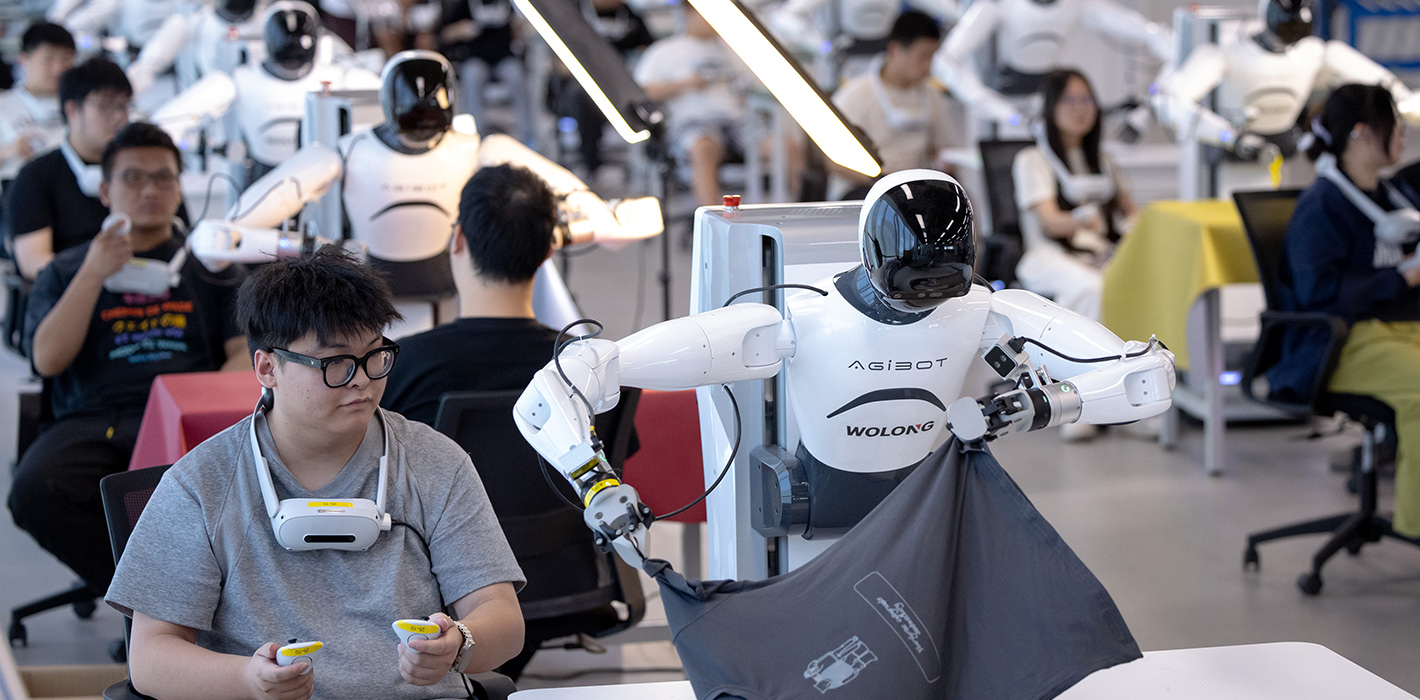
- The AI Labor Debate: Three Views on the Future of WorkPaper
AI could hollow out jobs, reshape them gradually, create entirely new ones—or do all three at once. The case for starting to act now doesn’t depend on knowing which.
Teddy Tawil
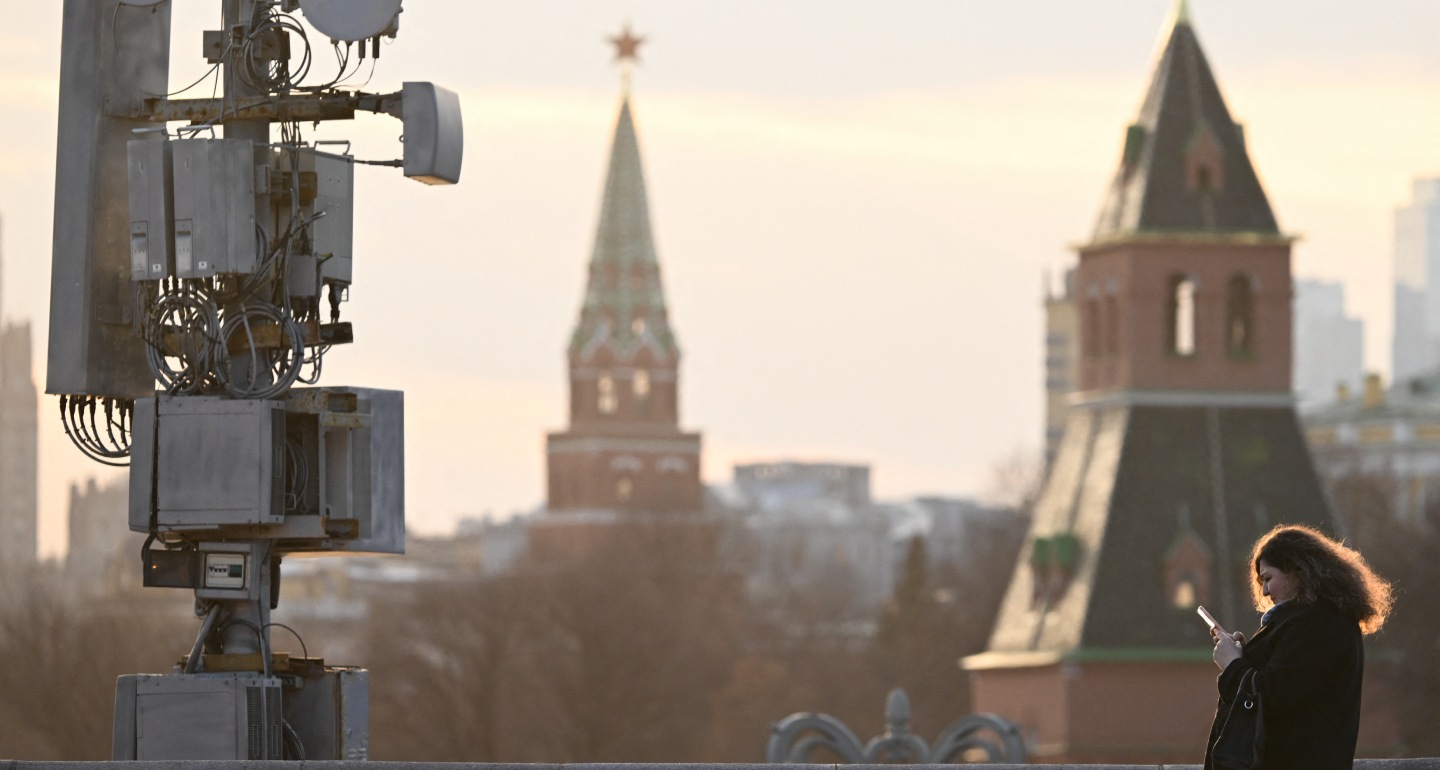
- Who Is Responsible for the Demise of the Russian Internet?Commentary
The Russian state has opted for complete ideological control of the internet and is prepared to bear the associated costs.

Maria Kolomychenko
- Russia’s Coal Industry Is Running on Borrowed TimeCommentary
Powerful lobbyists and inertia led to Russia’s coal-mining sector missing an excellent opportunity to solve its structural problems.
Alexey Gusev
- France, Italy, and Spain Should Use Force in LebanonCommentary
Europe has been standing by while its Southern neighborhood is being redrawn by force. To establish a path to peace between Israel and Lebanon, it’s time for Europeans to get involved with hard power.

Rym Momtaz
- Is Opposition to Online Restrictions an Inflection Point for the Russian Regime?Commentary
After four years of war, there is no one who can stand up to the security establishment, and President Vladimir Putin is increasingly passive.

Tatiana Stanovaya


