

Commentary
Closer EU-UK ties could help address urgent European concerns. But is the EU ready for rapprochement with the United Kingdom?
Rym Momtaz, ed.
{
  "authors": [
    "Wolfgang Ischinger",
    "Igor Ivanov",
    "Sam Nunn"
  ],
  "type": "legacyinthemedia",
  "centerAffiliationAll": "",
  "centers": [
    "Carnegie Endowment for International Peace",
    "Carnegie Russia Eurasia Center"
  ],
  "collections": [],
  "englishNewsletterAll": "",
  "nonEnglishNewsletterAll": "",
  "primaryCenter": "Carnegie Endowment for International Peace",
  "programAffiliation": "",
  "programs": [],
  "projects": [
    "Euro-Atlantic Security Initiative – EASI"
  ],
  "regions": [
    "North America",
    "Caucasus",
    "Eastern Europe",
    "Western Europe"
  ],
  "topics": [
    "Security",
    "Military",
    "Foreign Policy",
    "Nuclear Policy"
  ]
}
Source: Getty
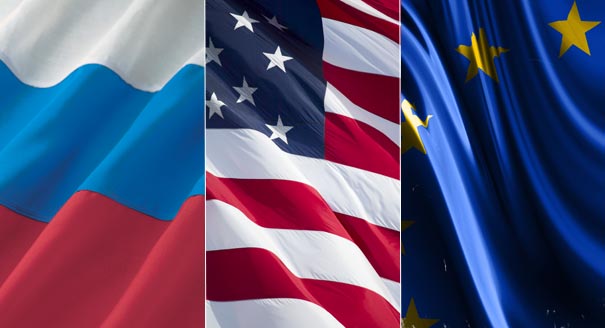
The Euro-Atlantic Security Initiative set out to identify the practical steps needed to secure the region’s future and to create new pathways to a more inclusive and effective Euro-Atlantic community, focusing on the military, human, and economic dimensions of security.
Source: International Herald Tribune

The focus of governments is shifting away from the Euro-Atlantic community — the heart of the international system up to now — and there is little consensus within the international community on how to deal with today’s challenges of sovereign debt, economic recession, climate change, nuclear proliferation and radicalism.
In many ways, this historic “pivot” from the Euro-Atlantic region represents a form of progress; the great rivalries between the United States, Russia and the European powers that produced two world wars and threatened to destroy the world during the Cold War are hopefully a relic of the past.
Yet it would be a grave mistake for Euro-Atlantic governments to neglect the security and stability of their own region. This great network is the bedrock of Western values of democracy, open markets and individual freedoms. It contains the largest trading zones in the world as well as most of the world’s nuclear weapons. It is vitally important for the entire world that the wider Euro-Atlantic region remain peaceful.
Beyond this, it is more important than ever that these states begin fashioning what has been too long delayed: a functioning, inclusive Euro-Atlantic security community. The world badly needs the leadership that this could provide in meeting the day’s new threats — from nuclear and bioterrorism to cyber insecurity and health pandemics.
We worry, however, that the security situation across this vital region today is in fact sliding backwards. The traditional bonds between the United States and Europe are weakening, and historical enmities between Russia and the West continually resurface. A destructive atmosphere of distrust lingers, and the present economic vicissitudes are only likely to raise the political tension.
Two years ago, we brought together a first-of-its-kind commission of former senior government officials, generals and business leaders from Europe, North America and Russia. We began from the recognition that despite progress, the rapprochement that everyone hoped would follow the ending of the Cold War remains distant.
The “Euro-Atlantic Security Initiative” set out to identify the practical steps needed to secure the region’s future. Rather than drafting new treaties, creating new institutions or expanding existing alliances, the commission sought to create new pathways to a more inclusive and effective Euro-Atlantic community, focusing on the military, human and economic dimensions of security. (The final report will be available at carnegieendowment.org/EASI.)
Modest goals will not do. Hard as it will be, the goal must be to transform the entire Euro-Atlantic region into a genuine security community in which the use or threat of the use of military force to settle disputes disappears; in which a common front forms against the looming threats of this new century and the protracted conflicts that menace the region’s peace are resolved. Only by pooling their efforts will these governments be able to meet this era’s new security threats, all the more so given shrinking economic resources.
The commission recommends six areas of action. Here we highlight four.
A breakthrough on Europe’s protracted conflicts, beginning with Transnistria, should be a priority reinforced by a new strategy bringing to bear the resources of civil society.
The goal is, indeed, large. But the price of shirking it is greater yet — great enough to warrant struggling to start the process, and that can be tomorrow if leaders in Brussels, Moscow and Washington publicly pledge their support for this vision and then put in place the first pieces of a concrete agenda.
This article was originally published in the International Herald Tribune.
Wolfgang Ischinger
Munich Conference on Security Policy
Wolfgang Ischinger is the chairman of the Munich Security Conference. He was the German ambassador to the United States from 2001 to 2006 after serving as German deputy foreign minister for three years.
Igor Ivanov
Igor Ivanov is president of the Russian International Affairs Council and a former foreign minister (1998–2004).
Sam Nunn
Carnegie does not take institutional positions on public policy issues; the views represented herein are those of the author(s) and do not necessarily reflect the views of Carnegie, its staff, or its trustees.
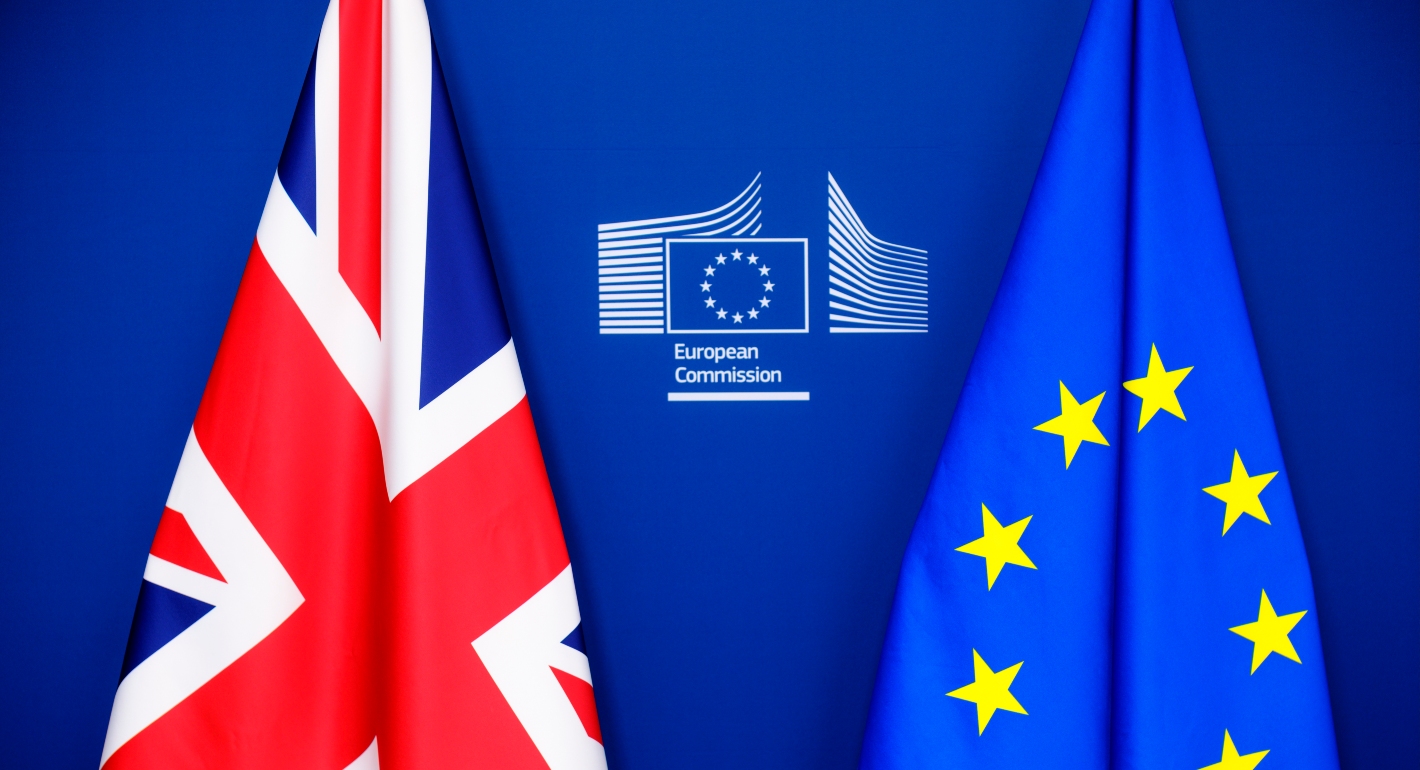
Closer EU-UK ties could help address urgent European concerns. But is the EU ready for rapprochement with the United Kingdom?

Rym Momtaz, ed.
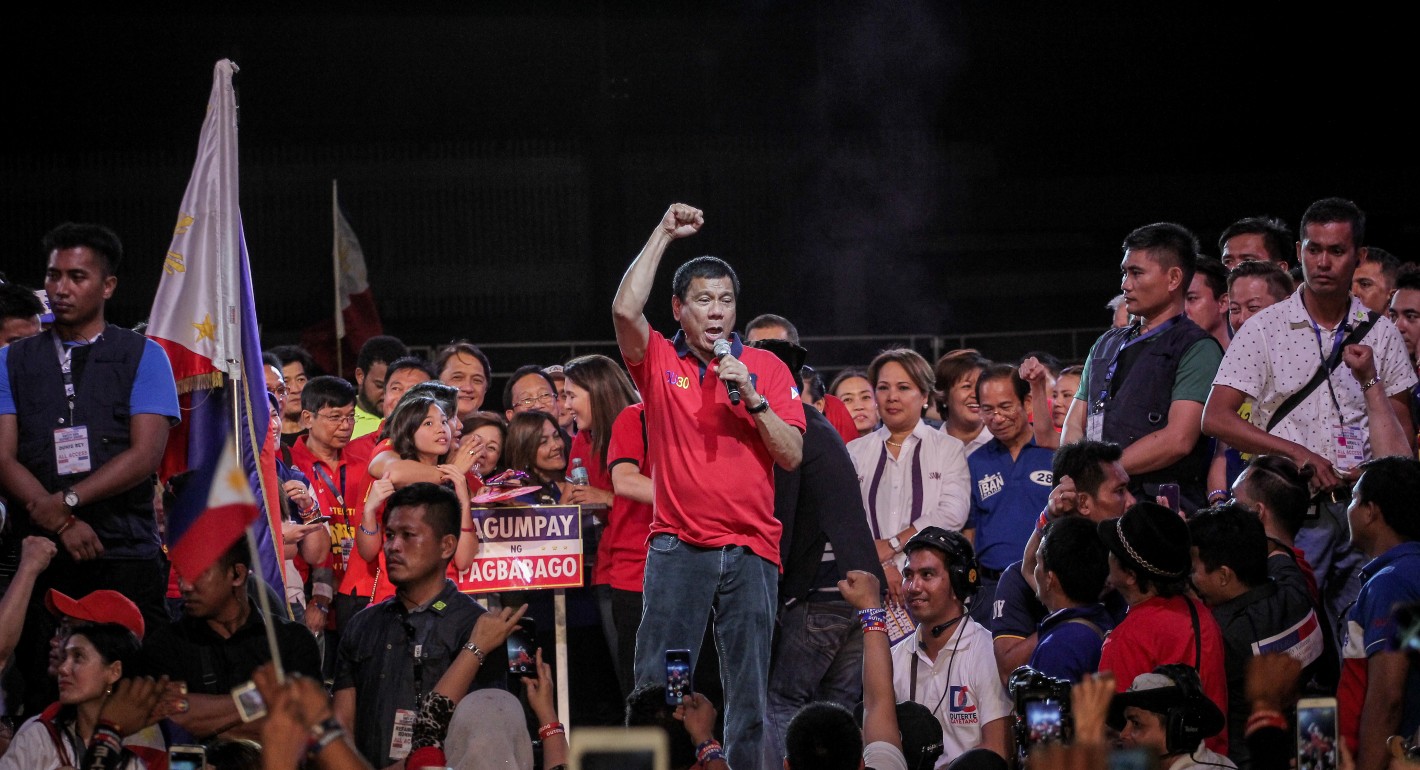
In the Philippines, Duterte-era discourse emphasizing sovereignty, anti-Western skepticism, and strongman diplomacy mirrors tenets of populist foreign policy around the world.
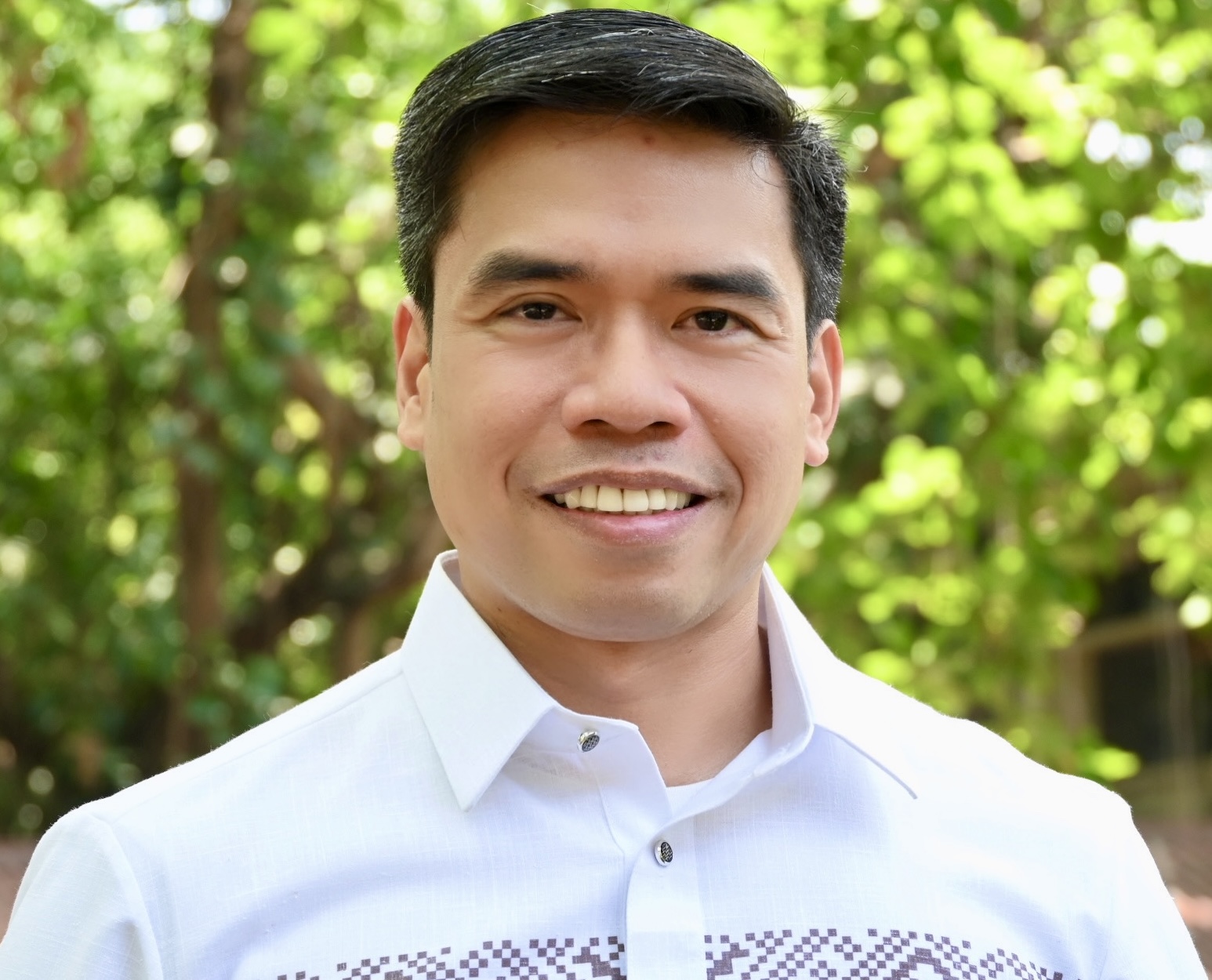
Aries A. Arugay
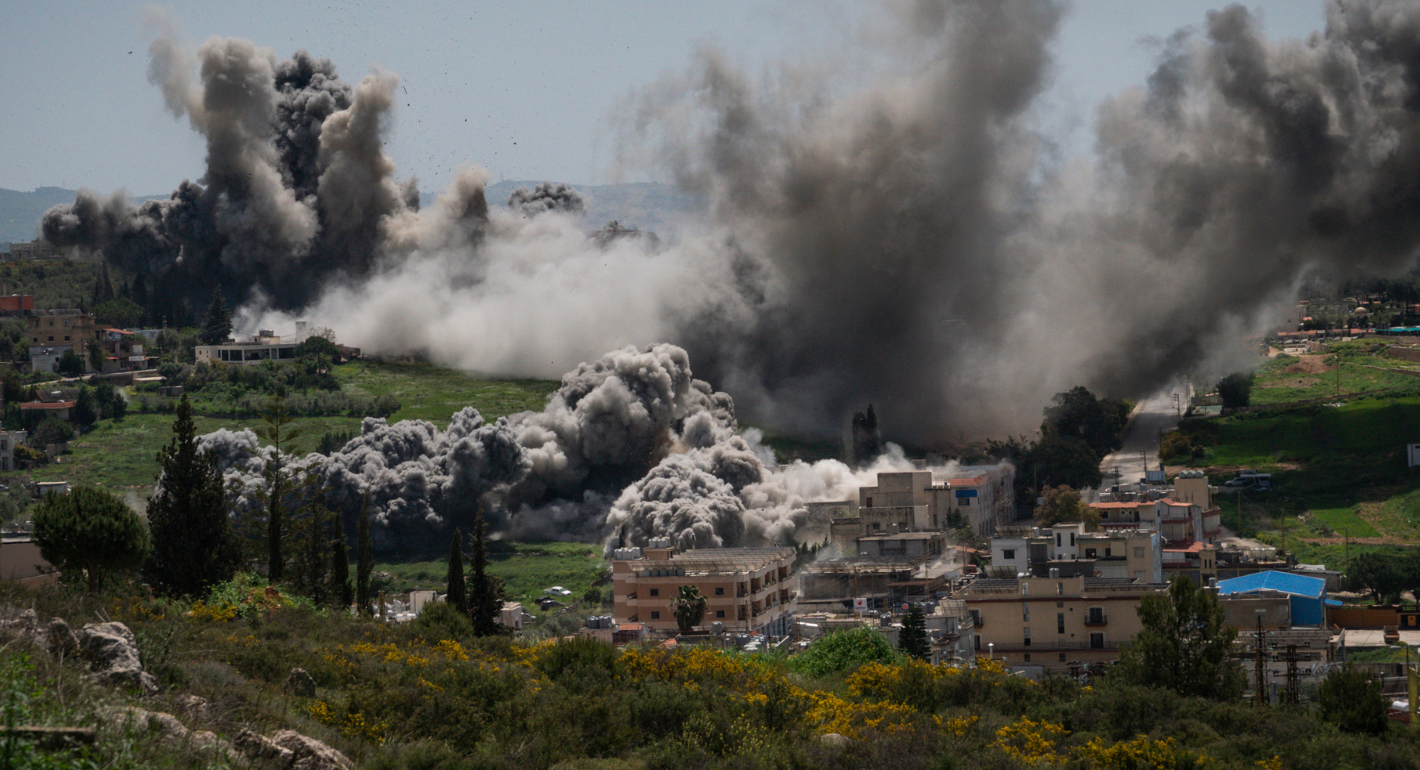
Europe has been standing by while its Southern neighborhood is being redrawn by force. To establish a path to peace between Israel and Lebanon, it’s time for Europeans to get involved with hard power.
Rym Momtaz
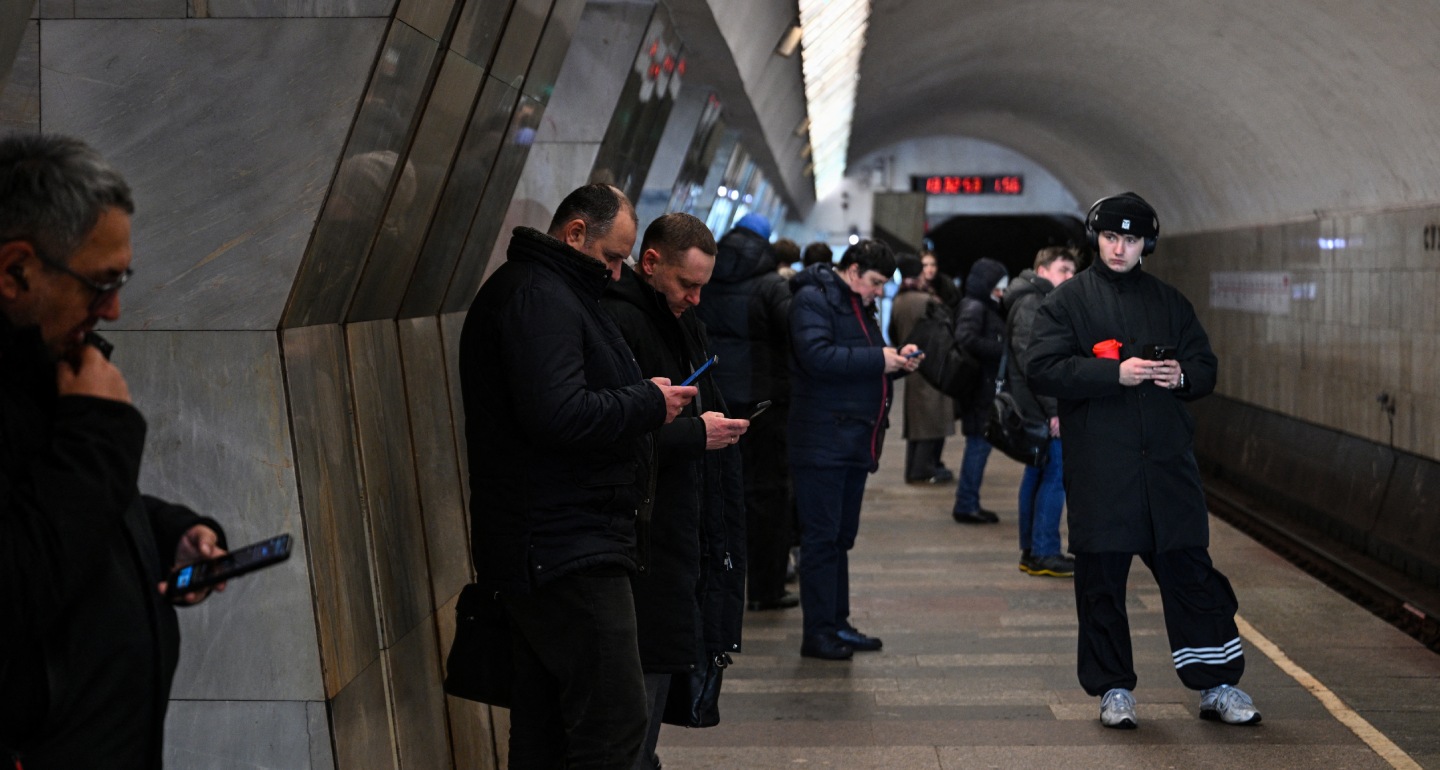
After four years of war, there is no one who can stand up to the security establishment, and President Vladimir Putin is increasingly passive.

Tatiana Stanovaya
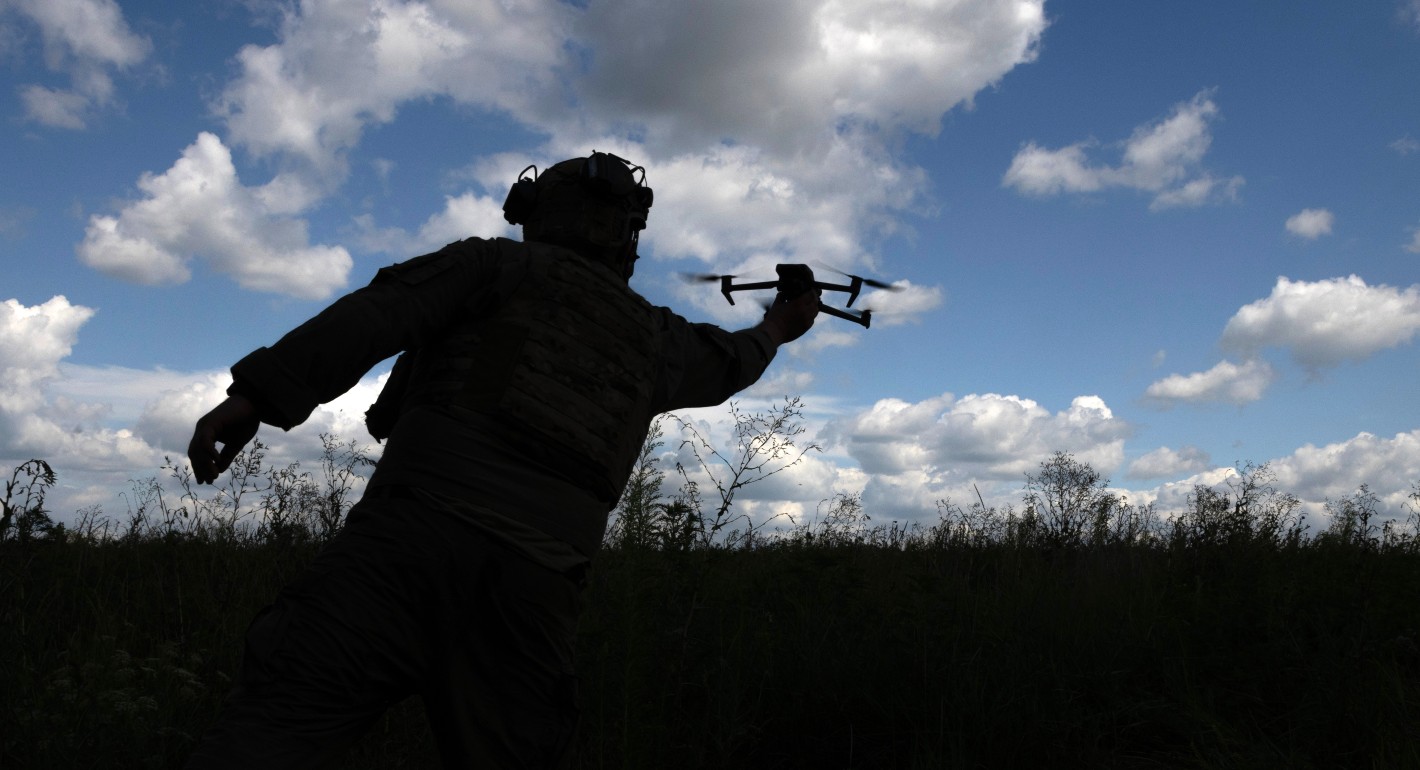
How Ukraine is driving doctrinal change in modern warfare.

Andriy Zagorodnyuk