In The Media
Martha Brill Olcott
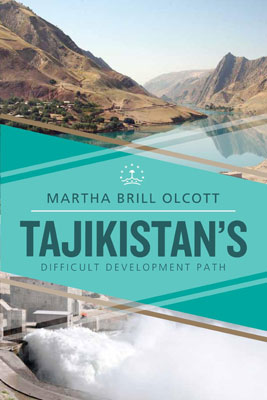
The Tajik leadership faces an urgent choice between fully embracing reform and continuing on its current failed track. Tajikistan’s decision will have very real implications for this troubled region.
Source: Washington

In Tajikistan’s Difficult Development Path, Martha Brill Olcott traces the political, economic, and social change following the country’s independence and international efforts to prevent a collapse of the state. The Tajik government’s commitment to reform has been limited at best, and substantial foreign assistance provided since the end of the country’s civil war has not led to real economic and political development.
Olcott concludes that the Tajik leadership faces an urgent choice between fully embracing reform and continuing on its current failed track. Tajikistan’s decision will have very real implications for this troubled region.

Former Senior Associate, Russia and Eurasia Program and, Co-director, al-Farabi Carnegie Program on Central Asia
Olcott is professor emerita at Colgate University, having taught political science there from 1974 to 2002. Prior to her work at the endowment, Olcott served as a special consultant to former secretary of state Lawrence Eagleburger.
Recent Work
Martha Brill Olcott
Martha Brill Olcott
Carnegie does not take institutional positions on public policy issues; the views represented herein are those of the author(s) and do not necessarily reflect the views of Carnegie, its staff, or its trustees.
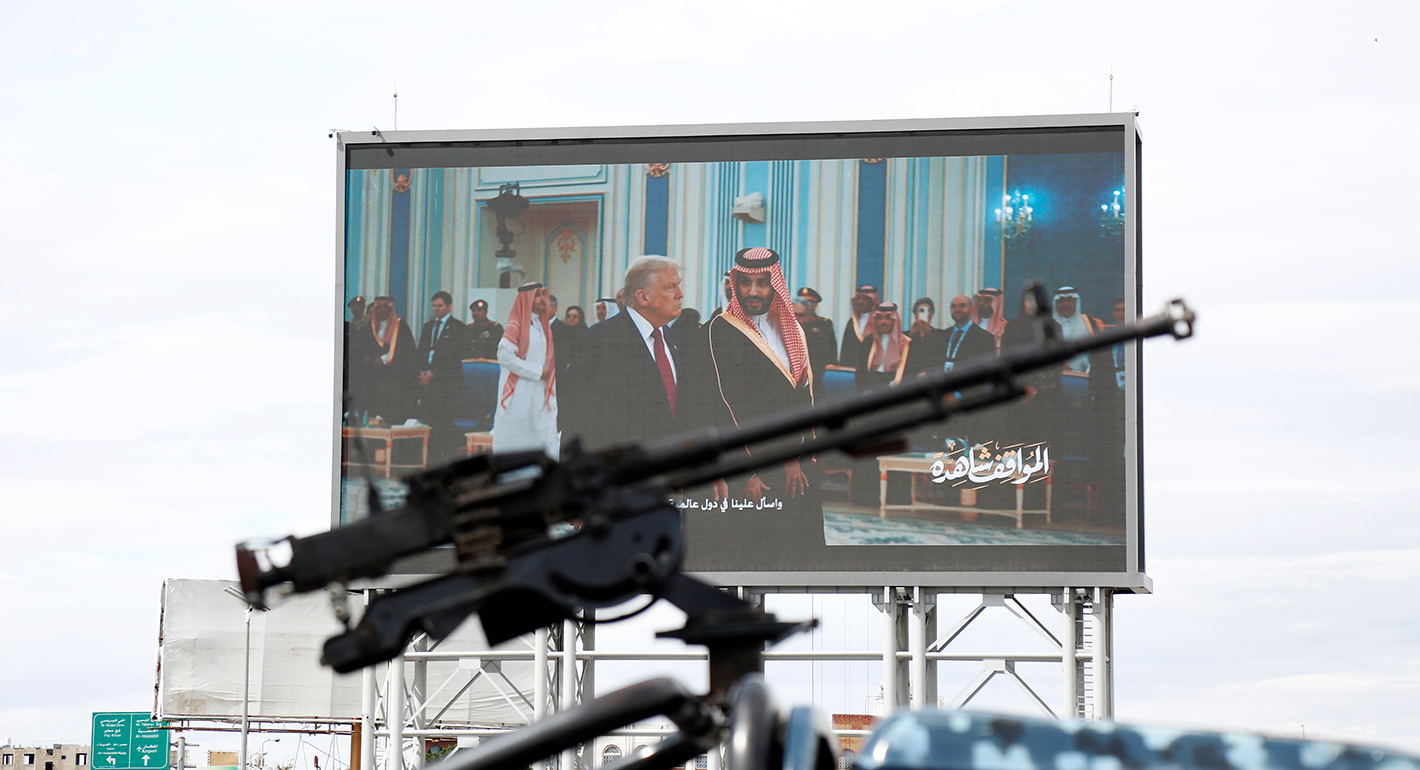
As the war between the United States, Israel, and Iran continues, Carnegie scholars contribute cutting-edge analysis on the events of the war and their wide-reaching implications. From the impact on Iran and its immediate neighbors to the responses from Gulf states to fuel and fertilizer shortages caused by the effective shutdown of the Strait of Hormuz, the war is reshaping Middle East alliances and creating shockwaves around the world. Carnegie experts analyze it all.

Central Asia’s digital ambitions are achievable, but only if policy is aligned with the region’s physical constraints.

Aruzhan Meirkhanova
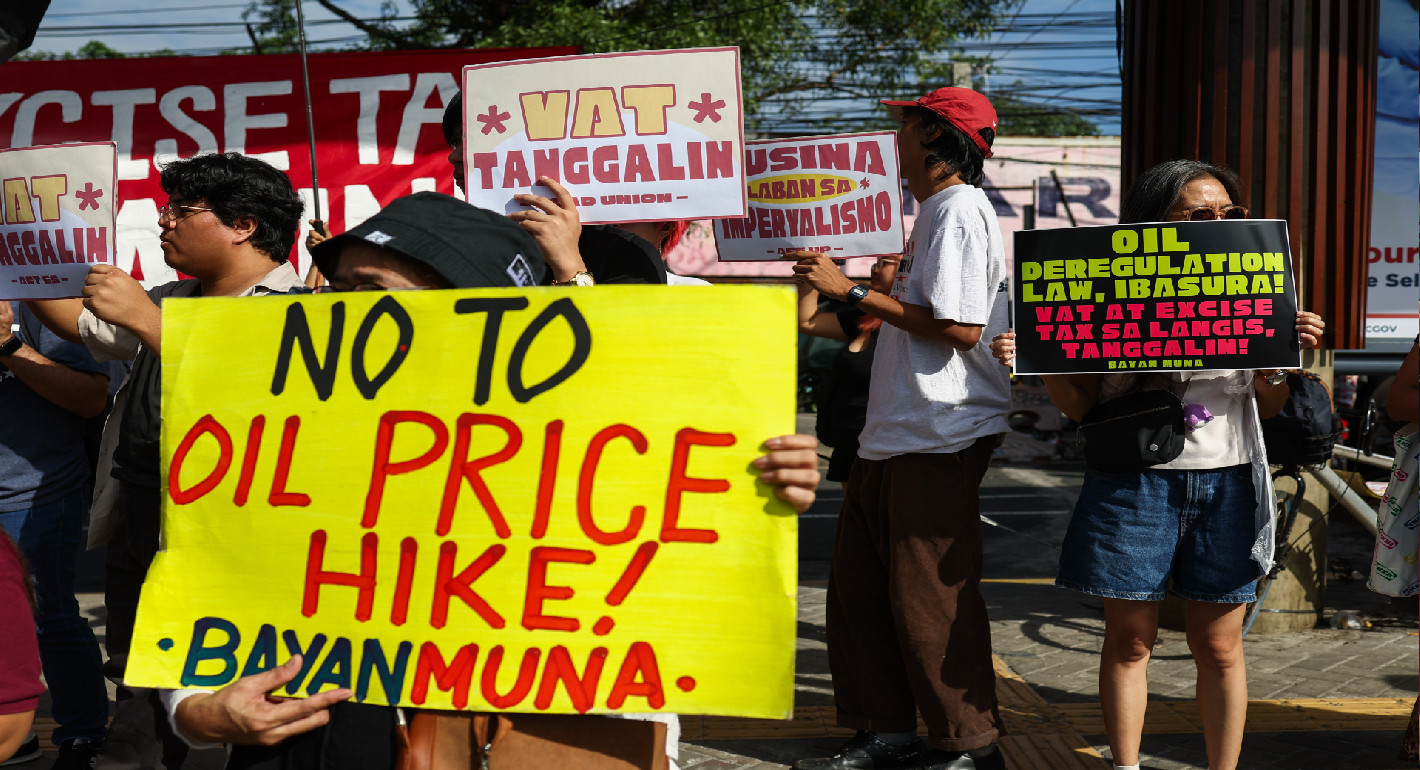
There is no better time for the countries of Southeast Asia to reconsider their energy security than during this latest crisis.
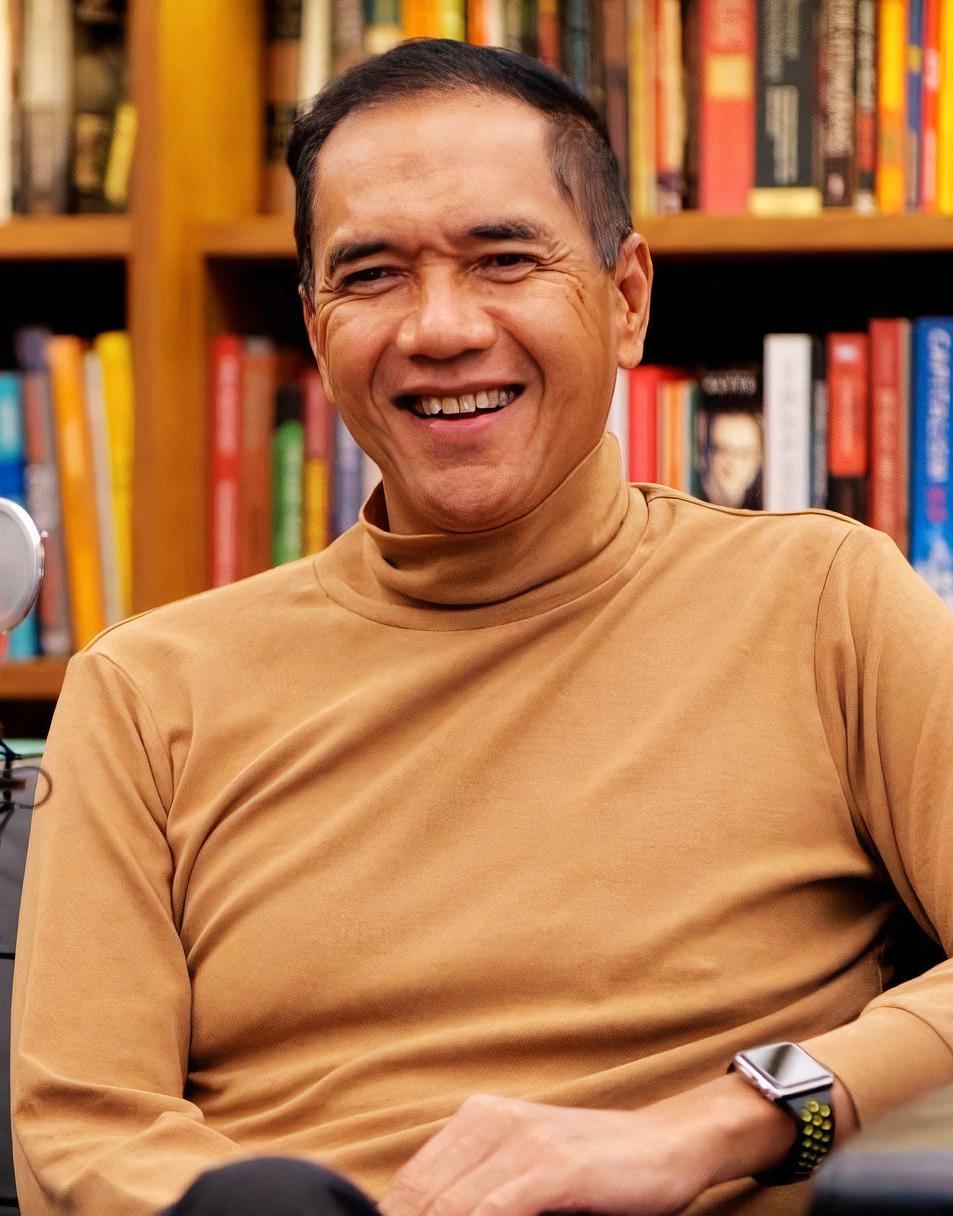
Gita Wirjawan
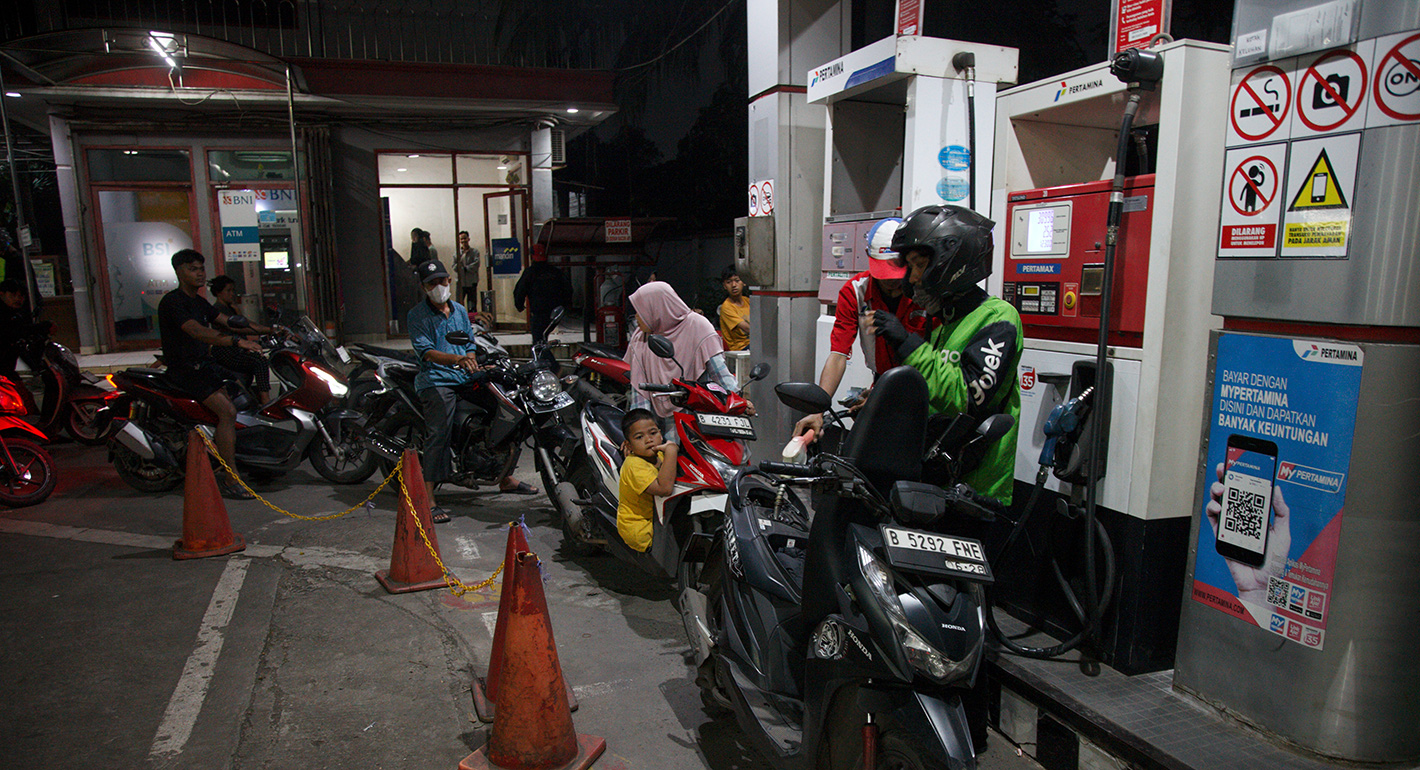
As conflict in the Middle East drives up fuel costs across Asia, Indonesia faces difficult policy trade-offs over subsidies, inflation, and fiscal credibility. President Prabowo’s personalized governance style may make these hard choices even harder to navigate.

Sana Jaffrey
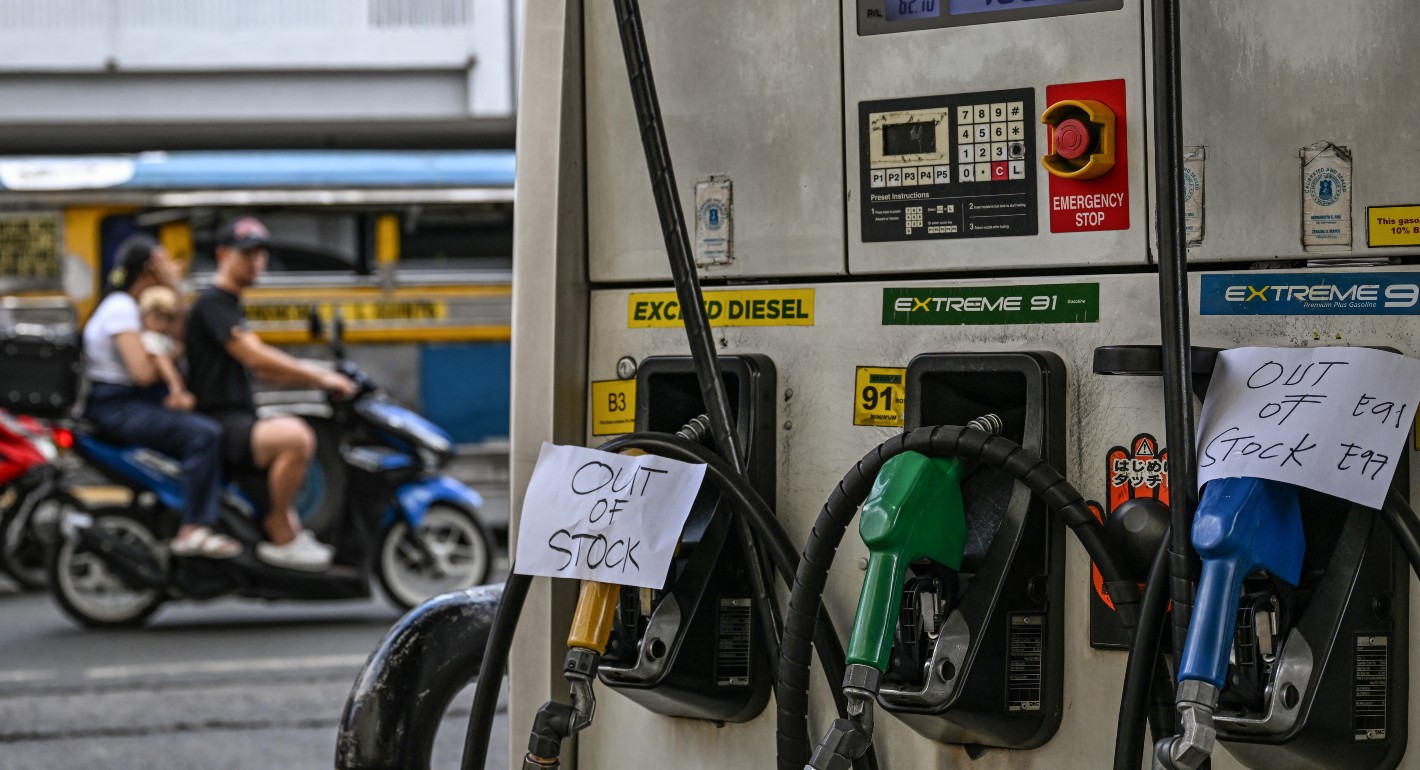
The United States ignores the region’s lived experience—and the tough political and social trade-offs the war has produced—at its peril.

Evan A. Feigenbaum