

Q&A
- +1
Amr Hamzawy, Andrew Leber, Eric Lob, …
{
  "authors": [
    "Marwan Muasher"
  ],
  "type": "legacyinthemedia",
  "centerAffiliationAll": "dc",
  "centers": [
    "Carnegie Endowment for International Peace",
    "Malcolm H. Kerr Carnegie Middle East Center"
  ],
  "collections": [
    "Arab Awakening"
  ],
  "englishNewsletterAll": "menaTransitions",
  "nonEnglishNewsletterAll": "",
  "primaryCenter": "Carnegie Endowment for International Peace",
  "programAffiliation": "MEP",
  "programs": [
    "Middle East"
  ],
  "projects": [],
  "regions": [
    "Middle East",
    "North Africa",
    "Egypt",
    "Gulf",
    "Levant",
    "Maghreb"
  ],
  "topics": [
    "Political Reform",
    "Foreign Policy"
  ]
}
Source: Getty
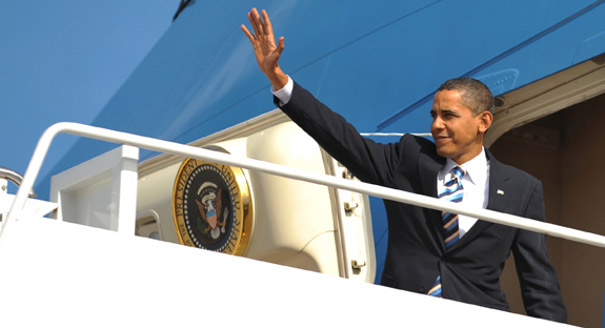
Given diminished U.S. influence in the Middle East, Washington should no longer try to pick winners and losers in the region and instead support democratic transitions to pluralistic societies.
Source: Al-Jazeera
Speaking on Al-Jazeera, Carnegie's Marwan Muasher explained that the early months of the Arab uprisings were filled with expectations that the Middle East was transforming from a region plagued by autocratic governments to democracy and pluralism. However, these romantic notions were quickly overcome by fears, at least among Western observers, that Islamist governments would take root in the region and that their presence would be inimical to U.S. interests.
Muasher noted, “No matter what the U.S. thinks, this process is going on domestically in the Arab world and the ability of the United States to shape this process is severely limited. There has been a marked wane in the economic power of the U.S. following the global economic crisis and the Iraq war has demonstrated the limitations of American military power." Muasher also noted that “the political power of the United States has decreased because of its inability to solve the region’s principal problem, the Israeli-Palestinian conflict.” In some ways, “the image the U.S. has of its power in the region is outdated,” suggested Muasher. Yet despite its outdated understanding, Muasher asserted that the United States is still relevant and can play a constructive role in the region. Ultimately, “the U.S. must let the people of the region select their leaders and promote a policy that supports democratic transitions to pluralistic societies,” said Muasher.

Vice President for Studies
Marwan Muasher is vice president for studies at Carnegie, where he oversees research in Washington and Beirut on the Middle East. Muasher served as foreign minister (2002–2004) and deputy prime minister (2004–2005) of Jordan, and his career has spanned the areas of diplomacy, development, civil society, and communications.
Recent Work



Amr Hamzawy, Andrew Leber, Eric Lob, …
Marwan Muasher
Carnegie does not take institutional positions on public policy issues; the views represented herein are those of the author(s) and do not necessarily reflect the views of Carnegie, its staff, or its trustees.
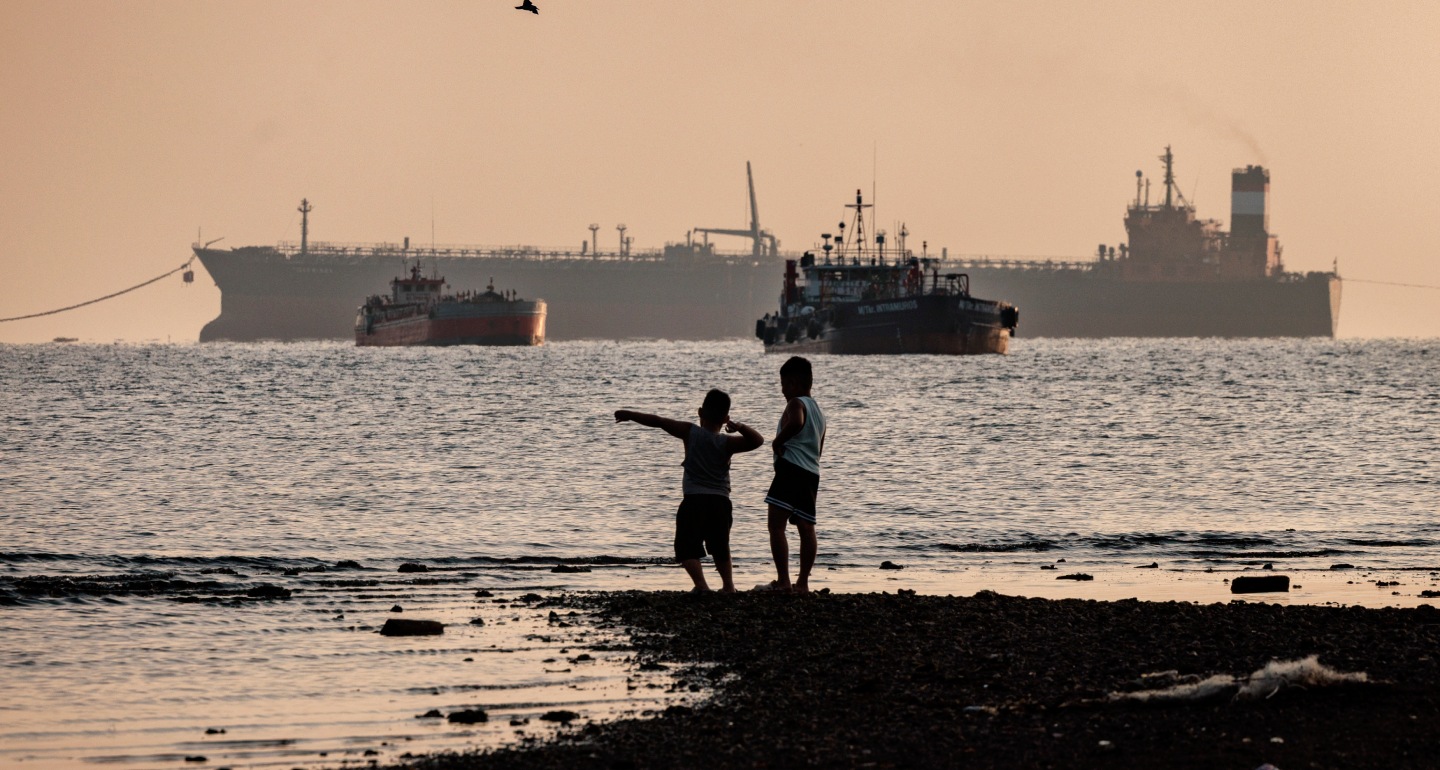
Although Ukrainian strikes have led to a noticeable decline in the physical volume of Russian oil exports, the rise in prices has more than made up for it.

Sergey Vakulenko

Five problems—and solutions—to make it actually work as a tool of great power competition.
Afreen Akhter
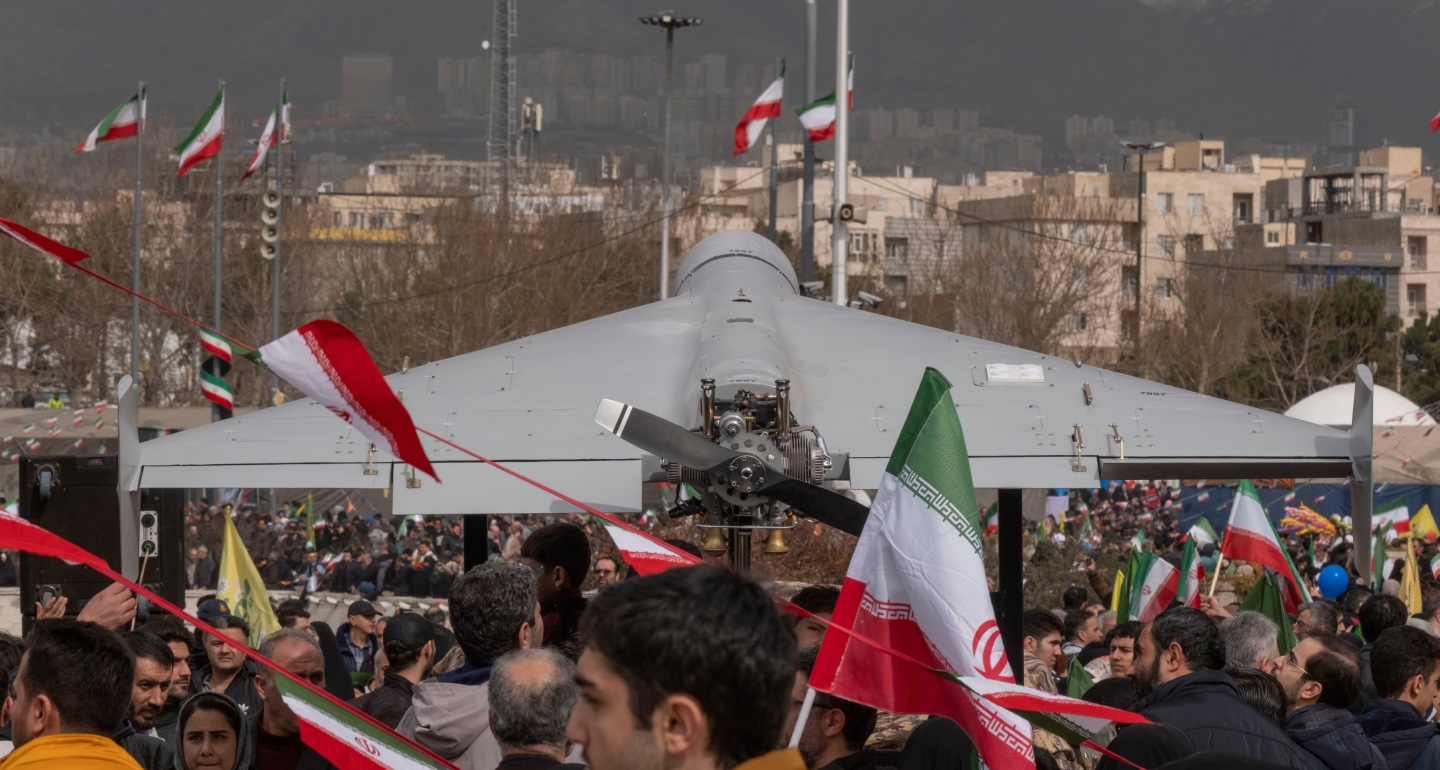
The Russian leadership wants to avoid a dangerous precedent in which it is squeezed out of Iran by the United States and Israel—and left powerless to respond in any meaningful way.

Nikita Smagin
One is hopeful. One is realistic. One is cautionary.
Andrew Leber, Sam Worby
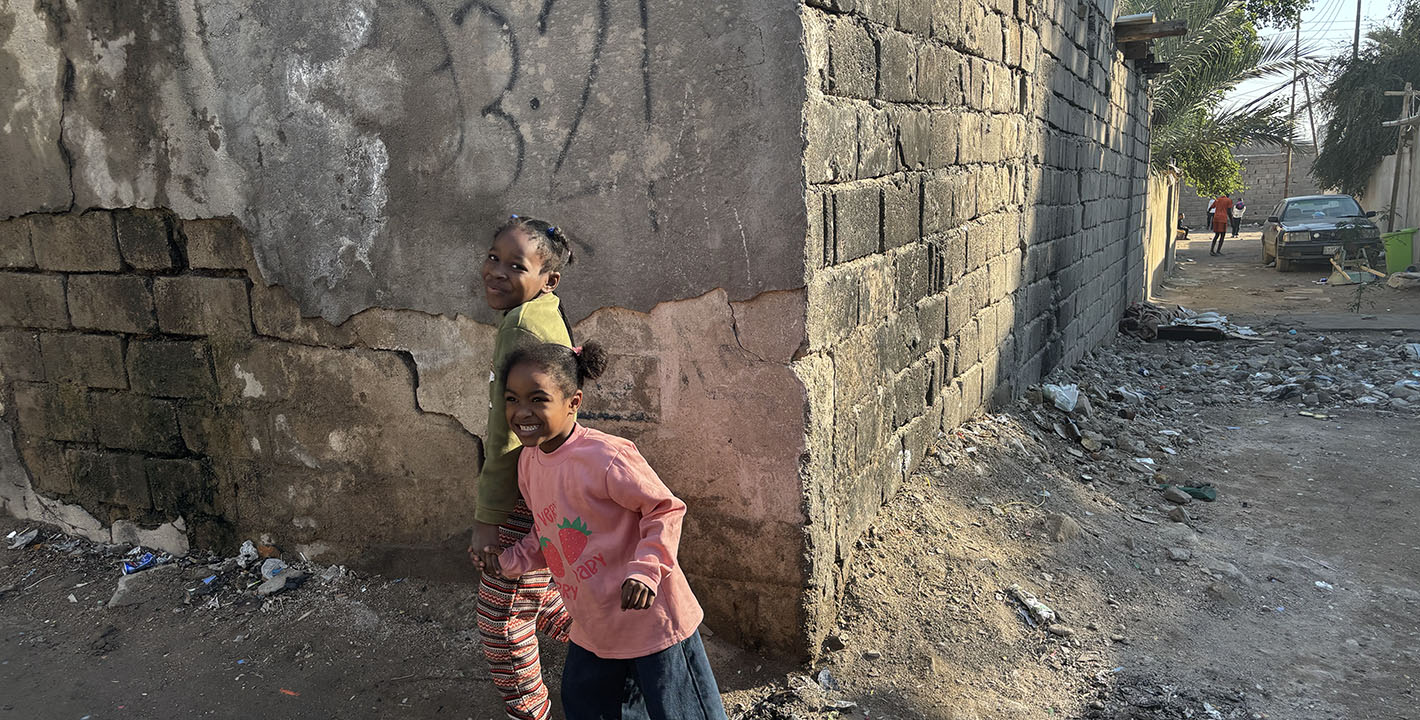
Afro-Iraqis experience political, economic, and social marginalization and discrimination, which exposes the poorest members of the community to the harsh realities of the region’s climate disaster.
Zeinab Shuker