

Commentary
Uri Dadush
{
  "authors": [
    "Uri Dadush"
  ],
  "type": "legacyinthemedia",
  "centerAffiliationAll": "",
  "centers": [
    "Carnegie Endowment for International Peace",
    "Carnegie China"
  ],
  "collections": [
    "China’s Foreign Relations",
    "China and the Developing World"
  ],
  "englishNewsletterAll": "",
  "nonEnglishNewsletterAll": "",
  "primaryCenter": "Carnegie Endowment for International Peace",
  "programAffiliation": "",
  "programs": [],
  "projects": [],
  "regions": [
    "North America",
    "South America",
    "Southern, Eastern, and Western Africa",
    "South Asia",
    "India",
    "East Asia",
    "China",
    "Russia"
  ],
  "topics": [
    "Economy",
    "Trade"
  ]
}
Source: Getty
A new initiative by the BRICS coalition of emerging countries, intended to establish a new development bank, will rival traditional development groups such as the IMF and World Bank and may shift the balance of power of the world's economy.
Source: Brian Lehrer Show
Speaking on the Brian Lehrer Show, Carnegie's Uri Dadush discussed the 2013 BRICS Summit, which took place March 26-27 in Durban, South Africa. The world's biggest economies met to discuss, among other things, the establishment of a new development bank that would rival traditional development groups, such as the IMF and World Bank, and potentially even shift the balance of power of the world's economy.
The five emerging economies of Brazil, Russia, India, China, and South Africa account for a large part of world economic growth, Dadush explained, adding that their desire to establish a development bank is driven by two motivations. First, they would like to see more investment in infrastructure, which they believe organizations like the World Bank are not paying enough attention to. Secondly, and more importantly, they are driven by geopolitical ambitions. The BRICS are trying to assert themselves as players in the world economy by differentiating themselves from the United States and the rest of the G7 advanced countries, Dadush said.
Dadush stated that a BRICS development bank might be less concerned with the broader context of politics and more focused on specific projects. The BRICS development bank may not carry the conditionalities that characterize the World Bank and other multilateral development banks dominated by advanced countries. It is important to keep in mind that the amount of money the BRICS is discussing is not so significant-- about $50 billion, which Dadush described as "peanuts" in today's world. Furthermore, he added, although they've made progress on talks, they have yet to agree on specifics, including location, how the amounts will be divided, and other such issues. As far as western companies are concerned, most of the action in the foreseeable future will be taking place in the traditional development banks, where the big loans are and will continue to be. With their objective to raise influence, the BRICS will remain active members of the World Bank, IMF, and other traditional fora, where the center of discussions take place, Dadush concluded.
Former Senior Associate, International Economics Program
Dadush was a senior associate at the Carnegie Endowment for International Peace. He focuses on trends in the global economy and is currently tracking developments in the eurozone crisis.
Recent Work
Uri Dadush
Uri Dadush
Carnegie does not take institutional positions on public policy issues; the views represented herein are those of the author(s) and do not necessarily reflect the views of Carnegie, its staff, or its trustees.
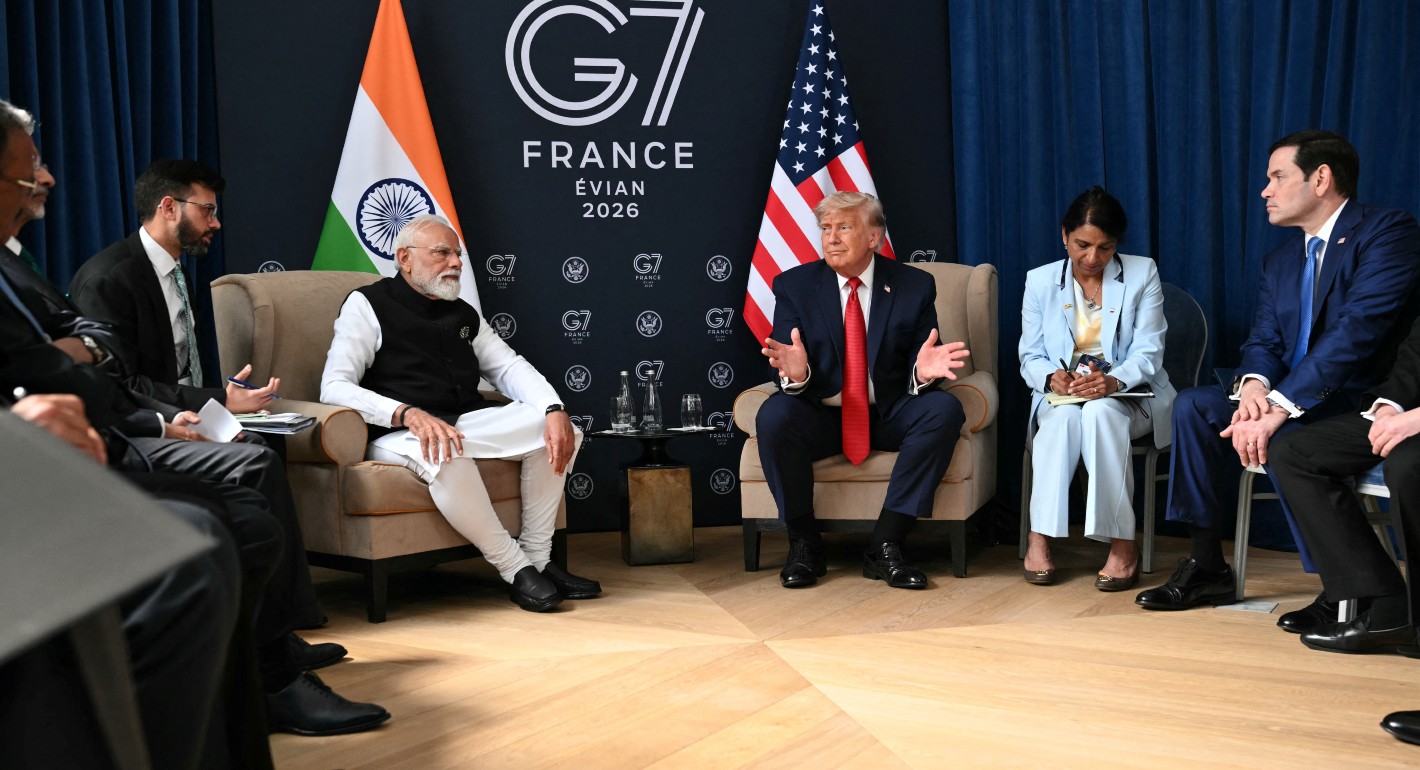
Despite public disputes over trade and immigration, the strategic partnership’s foundations remain sturdy.

Sameer Lalwani

Russia spent years building a “sovereign internet,” concentrating web infrastructure exclusively within Russian territory. Ukrainian drone attacks have shown how vulnerable that approach has left the Russian internet.

Maria Kolomychenko
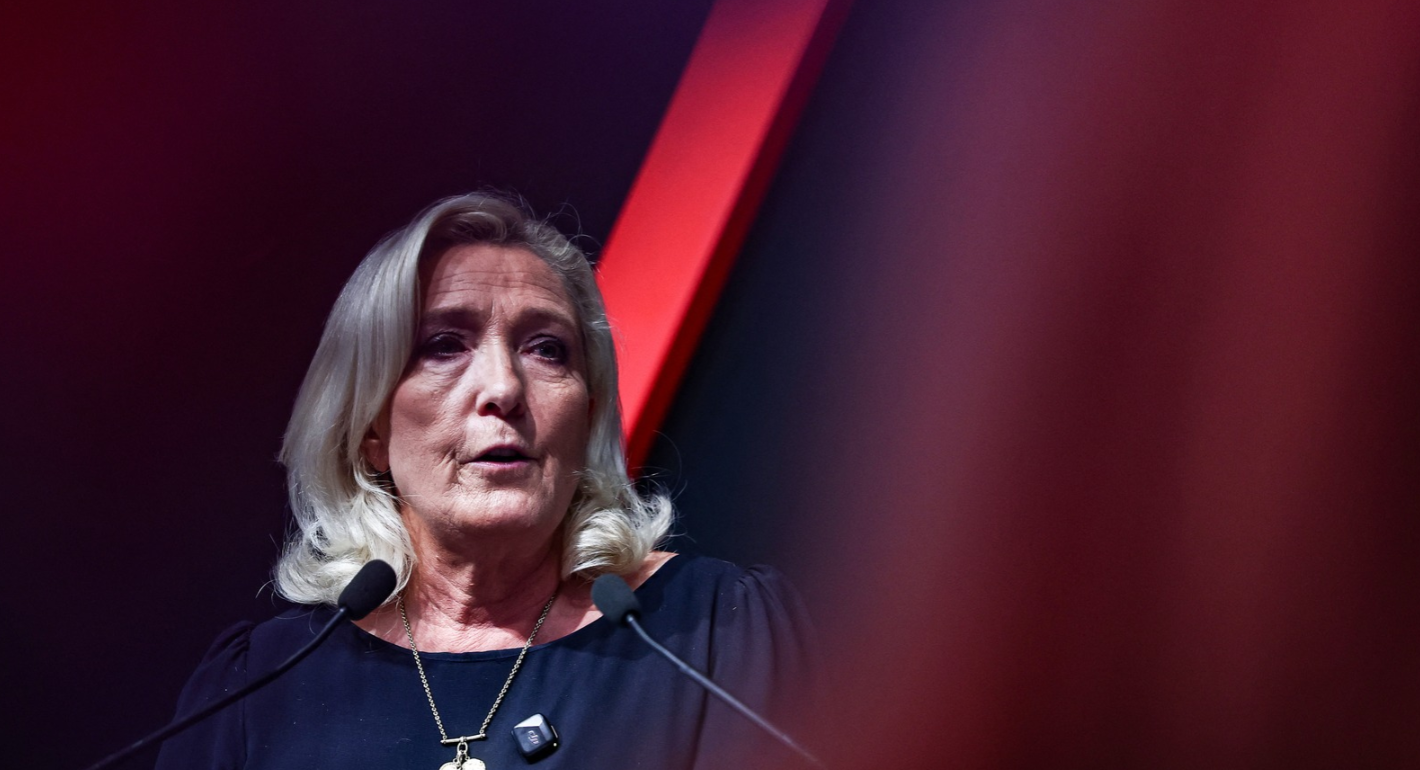
With its public finances in shambles, the far right polling at 35 percent ahead of the 2027 presidential election, and a growing protest movement, is France’s crisis a threat to the EU’s geopolitical awakening?

Rym Momtaz, ed.
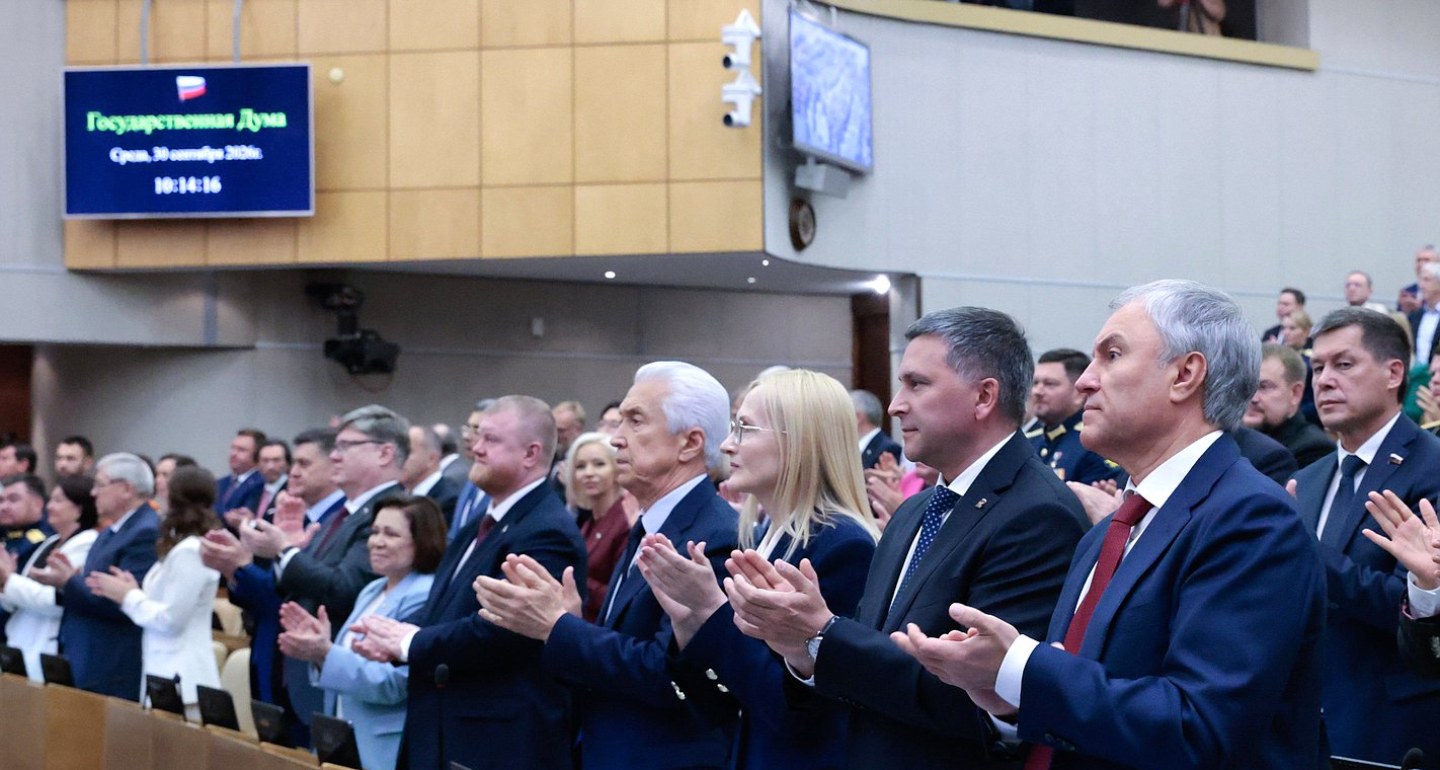
Putin’s conservative staffing policies and search for ever greater control have cemented parliament’s transformation into a bureaucratic appendage of the executive branch.

Andrey Pertsev

Russia’s AI-driven propaganda campaigns operate in a fragmented, chaotic, and often illogical manner. That’s not necessarily a problem for the Kremlin, though: It’s much easier to mimic genuine public debate that way.

Ilya Klishin