

Q&A
- +1
Amr Hamzawy, Andrew Leber, Eric Lob, …
{
  "authors": [
    "Marwan Muasher"
  ],
  "type": "legacyinthemedia",
  "centerAffiliationAll": "dc",
  "centers": [
    "Carnegie Endowment for International Peace"
  ],
  "collections": [
    "Iranian Proliferation"
  ],
  "englishNewsletterAll": "menaTransitions",
  "nonEnglishNewsletterAll": "",
  "primaryCenter": "Carnegie Endowment for International Peace",
  "programAffiliation": "MEP",
  "programs": [
    "Middle East"
  ],
  "projects": [],
  "regions": [
    "Middle East",
    "Iran"
  ],
  "topics": [
    "Security",
    "Foreign Policy",
    "Nuclear Policy"
  ]
}
Source: Getty
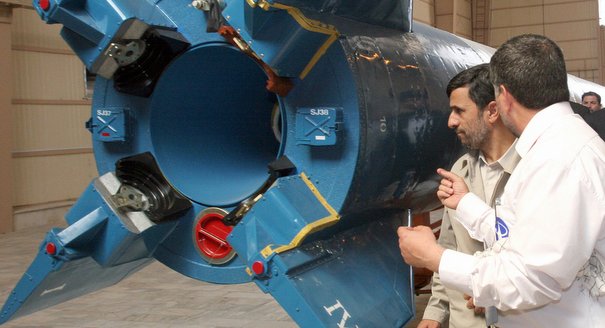
Serious thought needs to be given to the day after a strike on Iran to avoid its downsides or plan for its consequences.
Source: National Interest
All eyes are on what it will take to prevent Iran from getting its hands on a nuclear weapon. If sanctions and diplomacy prove incapable of containing Tehran’s nuclear ambitions—and soon—a military strike to destroy or at the very least delay its program is seen as the least bad option available. Iran gaining a nuclear-weapons capability is a red line that the United States and Israel just won’t let it cross.
But not enough thought has been given to what happens after a strike is actually carried out.
Debate in the United States ends at how to prevent Iran from getting the bomb, while the repercussions of a military strike are not widely discussed. This ominously echoes the run up to the war in Iraq.
When Washington was preparing to invade Saddam Hussein’s Iraq, little consideration was given to what came next. Ten years later, the mistakes are evident. Iraq did not pose the immediate security threat that Washington believed, forcefully building a democracy was easier said than done, and the difficulties bogged U.S. troops down for years. The war cost trillions of dollars and damaged America’s standing in the Arab world.And now the real issues are being left unaddressed again. Conventional wisdom holds that a military strike on Iran is the best thing to do in the face of a legitimate fear. But tough questions must not be avoided.
Will a strike stop Tehran from pursuing a nuclear weapon or push it to weaponize?
A successful military attack on Iran’s nuclear facilities will likely set the country’s program back, but it won’t be enough to end its nuclear activities for good. A strike could actually have the opposite effect. If Tehran hasn’t yet decided to weaponize, as many intelligence experts presume, an attack could certainly make its leaders feel the need to speed up their efforts.
Will hitting Iran help the region, or hurt those standing against extremism?
Moderate voices in the Arab world, as weak as they are presently, are finally beginning to be heard with the outbreak of the Arab Awakening. But an attack on Iran could have significant ramifications. A strike that is perceived as illegitimate in the region could push more people toward extremist views, increase negative perceptions of the United States, and deal a fatal blow to the moderates.
Will a strike weaken Iran in the Middle East, or resurrect it from the dead?
Tehran lost popularity and legitimacy following its crackdown on protesters in the aftermath of its 2009 election and by supporting the brutal Syrian regime. Damaging Iran’s nuclear program won’t necessarily weaken Iran further, however, as the action could flip the script. Tehran could be seen in a more positive light as the latest victim of an unwarranted attack and actually gain influence in the Middle East.
Until these three questions are answered, the military option should be left off the table.
A strike is taken as a fait accompli if negotiations fail. This is wrong. I think it’s clear that a military attempt to derail Iran’s nuclear program will push Tehran to weaponize, threaten the moderates emerging in the Middle East, and give Iran newfound legitimacy across the region as the country standing up to imperialist America.
But don’t take my word for it. These questions need to be properly considered and openly debated. Proponents of military action need to analyze the long-term repercussions and defend how this will serve wider interests and not just tackle an immediate concern. Opponents need to publicly discuss how they believe diplomacy serves U.S. interests more than war.
Today, everyone recognizes the mistakes made waging the battle in Iraq. Washington rushed into a conflict without a proper assessment of the risks or plans for what came after the smoke had cleared. Let’s not let history repeat itself only a decade later.
The United States should not start something it does not want to finish. Serious thought needs to be given to the day after a strike on Iran to avoid its downsides or plan for its consequences.
This article was originally published in the National Interest.

Vice President for Studies
Marwan Muasher is vice president for studies at Carnegie, where he oversees research in Washington and Beirut on the Middle East. Muasher served as foreign minister (2002–2004) and deputy prime minister (2004–2005) of Jordan, and his career has spanned the areas of diplomacy, development, civil society, and communications.
Recent Work



Amr Hamzawy, Andrew Leber, Eric Lob, …
Marwan Muasher
Carnegie does not take institutional positions on public policy issues; the views represented herein are those of the author(s) and do not necessarily reflect the views of Carnegie, its staff, or its trustees.
Closer EU-UK ties could help address urgent European concerns. But is the EU ready for rapprochement with the United Kingdom?

Rym Momtaz, ed.
In an interview, Jim Lamson discusses the ongoing regional conflict and sees an unclear picture when it comes to winners and losers.

Michael Young
In the Philippines, Duterte-era discourse emphasizing sovereignty, anti-Western skepticism, and strongman diplomacy mirrors tenets of populist foreign policy around the world.

Aries A. Arugay
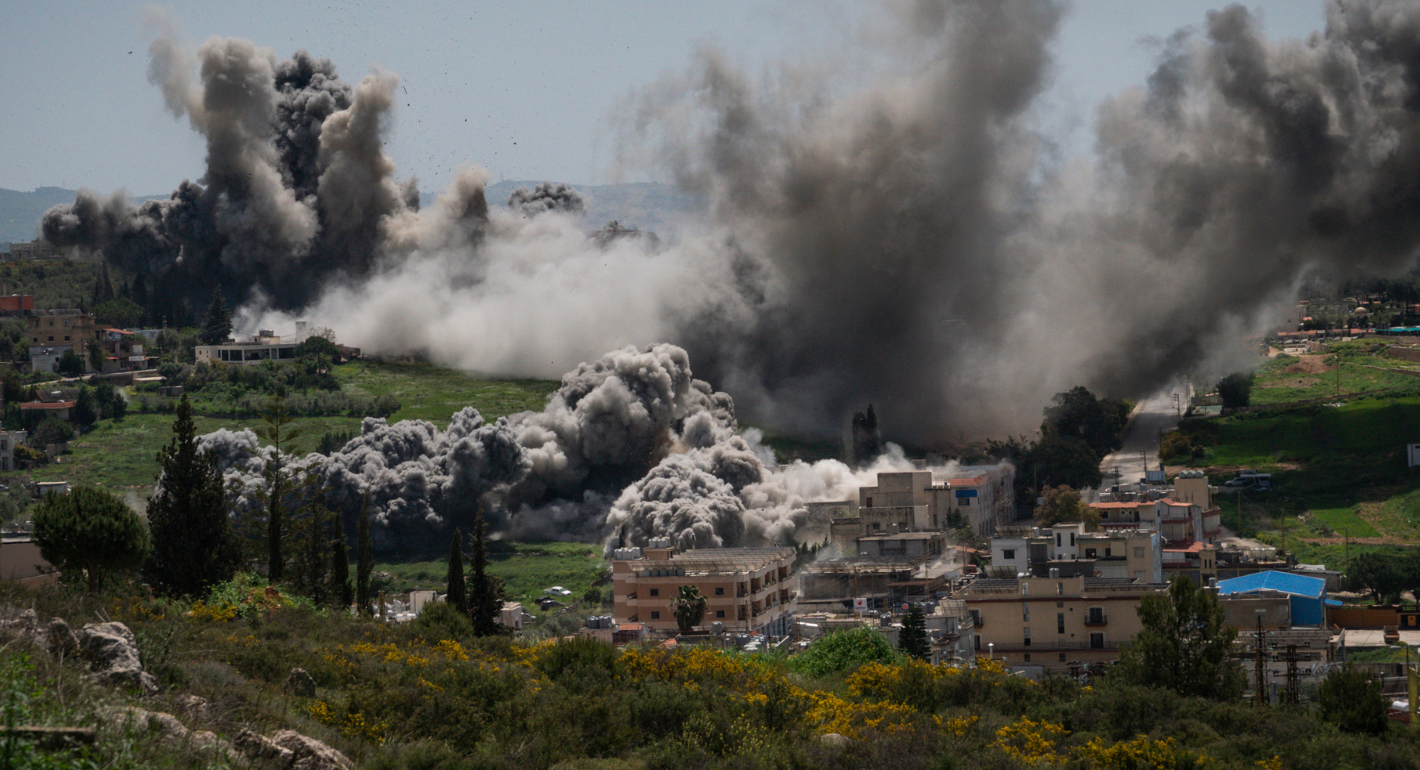
Europe has been standing by while its Southern neighborhood is being redrawn by force. To establish a path to peace between Israel and Lebanon, it’s time for Europeans to get involved with hard power.
Rym Momtaz

After four years of war, there is no one who can stand up to the security establishment, and President Vladimir Putin is increasingly passive.

Tatiana Stanovaya