

Research
- +4
Milan Vaishnav, Rahul Verma, Rukmini S., …
{
  "authors": [
    "Christophe Jaffrelot"
  ],
  "type": "legacyinthemedia",
  "centerAffiliationAll": "dc",
  "centers": [
    "Carnegie Endowment for International Peace"
  ],
  "collections": [],
  "englishNewsletterAll": "ctw",
  "nonEnglishNewsletterAll": "",
  "primaryCenter": "Carnegie Endowment for International Peace",
  "programAffiliation": "SAP",
  "programs": [
    "South Asia"
  ],
  "projects": [],
  "regions": [
    "South Asia",
    "India",
    "Afghanistan",
    "Pakistan"
  ],
  "topics": [
    "Foreign Policy"
  ]
}
Source: Getty
While remaining dedicated to the strengthening of the central government of Afghanistan, India must also constructively engage political groups outside the government.
Source: Indian Express
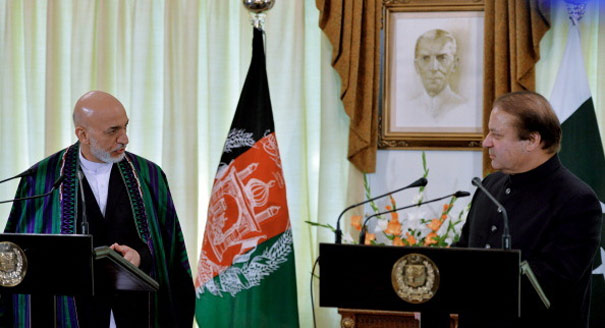
Today, Hamid Karzai will call on Nawaz Sharif in Islamabad. Since 2002, Karzai has made 19 trips to Pakistan, but this is the first time he will meet Sharif since the latter's election as the new prime minister of the country.
There are many bones of contention. Afghanistan continues to accuse its neighbour of harbouring the Taliban leadership in Quetta and nurturing terrorist outfits — including the Haqqani network — which have been attacking not only Nato forces and Afghan National Army (ANA) personnel, but also the Indian embassy and consulates. Kabul is particularly resentful of Pakistan's alleged sabotaging of the reconciliation process. The first chief of the High Peace Council, Burhanuddin Rabbani, was killed in 2011 by the Taliban. The assassin, according to Kabul, came from Pakistan. Moreover, moderate Taliban voices open to holding independent dialogue with the Karzai government are allegedly being systematically eliminated.In 2010, Abdul Ghani Baradar, Mullah Omar's key operational aide, who was covertly in touch with officials from Kabul, was arrested. Meanwhile, Mullah Omar is allegedly being held in a safe-house in Pakistan. The struggle, apparently, is over the ownership of the peace process. Karzai wants moderate Taliban voices to be free of Pakistani influence so as to have a truly Afghan-led peace process. Pakistan wants to retain its strategic significance in the Afghan political landscape by controlling the peace process.
Islamabad, for its part, accuses Afghanistan of offering a safe haven to Islamist groups targeting the Pakistani state, including Maulana Fazlullah, a leader of the Tehreek-e-Nafaz-e-Shariat-e-Mohammadi (Movement for the Enforcement of Islamic Law) and Mangal Bagh Afridi of the Lashkar-e-Islam. The TNSM, now allied with the Tehreek-e-Taliban (TTP), had come to the rescue of the Afghan Taliban in 2001 and may well attack Pakistan from that side of the border now that the withdrawal of Nato forces is giving militants room for manoeuvre. Lashkar-e-Islam, a smaller militant outfit, continues operating in the Khyber Tribal Agency, while its leadership frequently travels to the Nangarhar province in Afghanistan.
Karzai may also be asked, once again, to recognise the Durand Line as an international border in order to ward off the risk of Pashtunistan. But there is another, more immediate cause for concern for Islamabad: the Indo-Afghan rapprochement that materialised in 2011 after the first "strategic partnership" ever signed by Kabul. This agreement is problematic from the Pakistani point of view. First, New Delhi has committed itself to training Afghan soldiers in counter-insurgency operations. Second, India would provide arms to its partner. Indeed, that was the reason for Karzai's visit to India in May, according to Pakistani officials, who made it clear that they disapproved of it.
In spite of the trust deficit resulting from the factors mentioned above, Afghans and Pakistanis know that they have to come to terms with reality. That implies talks as well as compromises.
In little more than a year, most of the Nato forces will have withdrawn from Afghanistan. The US may retain military bases, but these will not enable Kabul to control territory beyond cities. Certainly, the ANA will get arms and training, but it will probably not be in a position to resist a full-fledged Taliban offensive. Worse, fractured along ethnic lines, it might even break up if the current Afghan political elite fails to mend its internal differences.
The US has come to terms with this reality. That's why it wanted to hold talks with the Taliban in Doha. But that round of negotiations failed because Karzai was not in the loop. He was also upset by the plaque on the Taliban office in Doha, bearing the words "Islamic Emirate of Afghanistan" (the official name of Afghanistan between 1996 and 2001). Talks may be relaunched, but Karzai is probably not very confident that they would be in his interest. The Pakistanis have also remained aloof from the Doha process.
Now that the Doha talks have been put on pause, Karzai and Sharif can think about a deal. The former longs for the reconciliation process that he initiated to take off. Sharif could help on this front, especially since he is in favour of talks with the Pakistani Taliban himself. Sami ul Haq, head of the Darul Uloom Haqqania, where senior Taliban leaders have been trained, seems willing to mediate, but to no avail so far. The Pakistan army refuses to talk to the TTP before it disarms. The TTP, instead of disarming, is intensifying terrorist attacks. But the army chief will change in November and Sharif knows that there are strong popular sentiments for peace.
Karzai's term is also due to end next year. He has let it be known that he may support Abdul Rasul Sayyaf as his successor. A veteran of the anti-Soviet war in Afghanistan, Sayyaf has always backed him. Of Pashtun origin, he had invited Osama bin Laden to Afghanistan and enjoys a solid Saudi connection. Sharif is also very close to the royal family. The Saudis are carefully watching the transition in Afghanistan, a theatre of conflict for their sectarian war with Iran.
In this context, India can cash in on the popularity it has acquired in Afghanistan due to the $2 billion it has offered in aid and the development work it has undertaken in the country. But will that be sufficient? If India is to really wield influence, Kabul will expect much more. Karzai presented an arms wish-list to India, but is New Delhi prepared to respond positively? Is India prepared to train his soldiers in Afghanistan? The memories of the Sri Lankan fiasco make it apprehensive about deployment of military forces abroad.
If successful, the talks between Karzai (or his successor) and Nawaz Sharif may not allow India to retain its position in Afghanistan. The alternative to these talks — as well as to the many talks that may be going on in Doha, Kabul, Islamabad and elsewhere — is war. The region may then go back to square one and India will probably support a new Northern Alliance. That is not a solution, either, if this guerilla war ends the same way as the previous one, with the neo-Taliban or even the Haqqani network back in Kabul with the support of the ISI, like in 1996.
To avert such a disturbing scenario, India could take some initiative. To start with, it might want to throw its weight behind a genuine intra-Afghan dialogue. It is time the Pashtuns and non-Pashtuns engaged with each other with an open mind and spoke in a unified voice. Providing arms to Karzai or his successor would make sense only if they are not used to crush domestic political opposition and unleash another civil war. Also, if arming Kabul risks further complications between Rawalpindi and New Delhi, India should support the Sharif-Karzai dialogue. It should also break its silence on the Durand Line issue and encourage talks. Though not in Kabul's interests in the short run, a territorially secure Pakistan would be in the region's interest in the long run. Finally, India's emphasis on the Karzai government, while principally sound, is problematic on the ground. While remaining dedicated to the strengthening of the central government of Afghanistan, India must constructively engage political groups outside the government. This will be key to safeguarding its material and strategic interests in Afghanistan, regardless of how things unravel post 2014.
This article was originally published in the Indian Express.
Former Nonresident Scholar, South Asia Program
Jaffrelot’s core research focuses on theories of nationalism and democracy, mobilization of the lower castes and Dalits (ex-untouchables) in India, the Hindu nationalist movement, and ethnic conflicts in Pakistan.
Recent Work

Milan Vaishnav, Rahul Verma, Rukmini S., …
Christophe Jaffrelot
Carnegie does not take institutional positions on public policy issues; the views represented herein are those of the author(s) and do not necessarily reflect the views of Carnegie, its staff, or its trustees.
Closer EU-UK ties could help address urgent European concerns. But is the EU ready for rapprochement with the United Kingdom?

Rym Momtaz, ed.
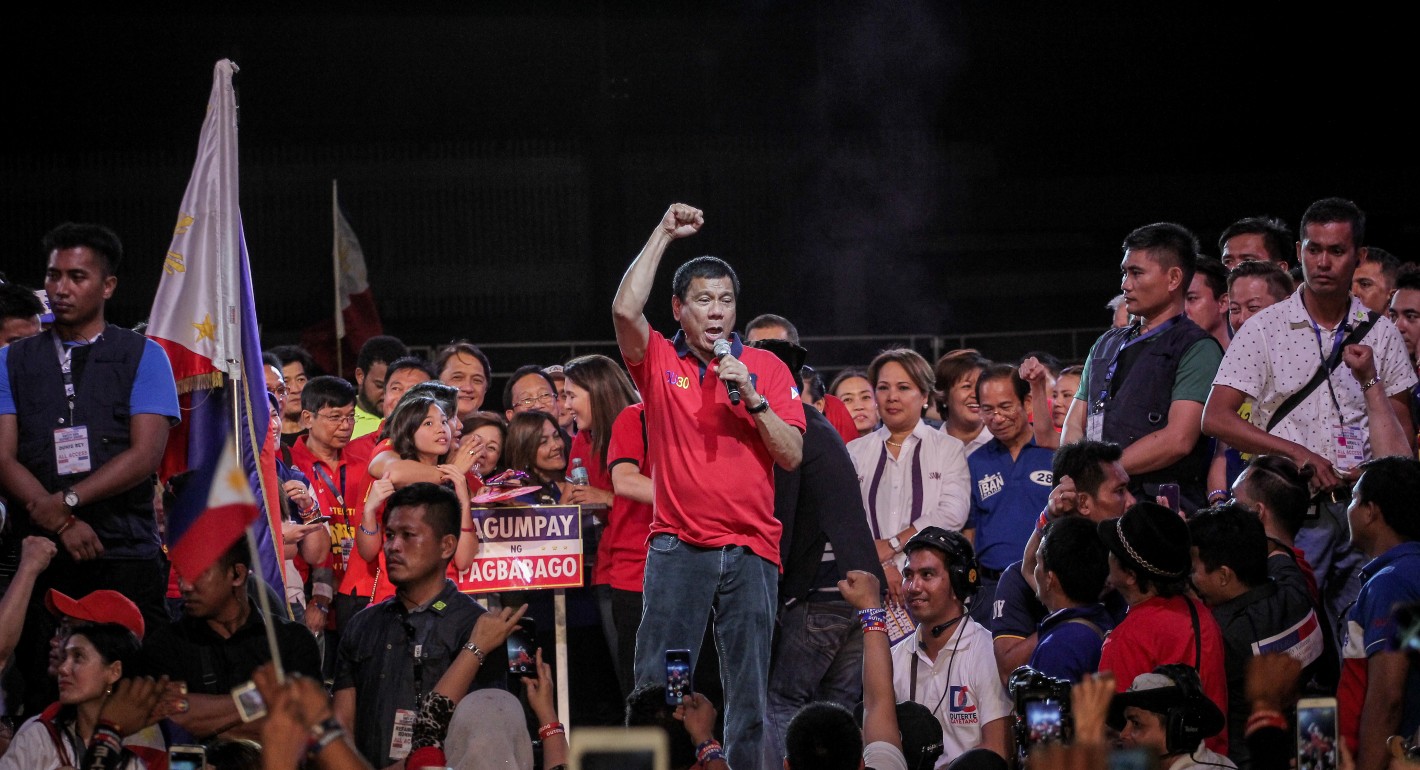
In the Philippines, Duterte-era discourse emphasizing sovereignty, anti-Western skepticism, and strongman diplomacy mirrors tenets of populist foreign policy around the world.
Aries A. Arugay
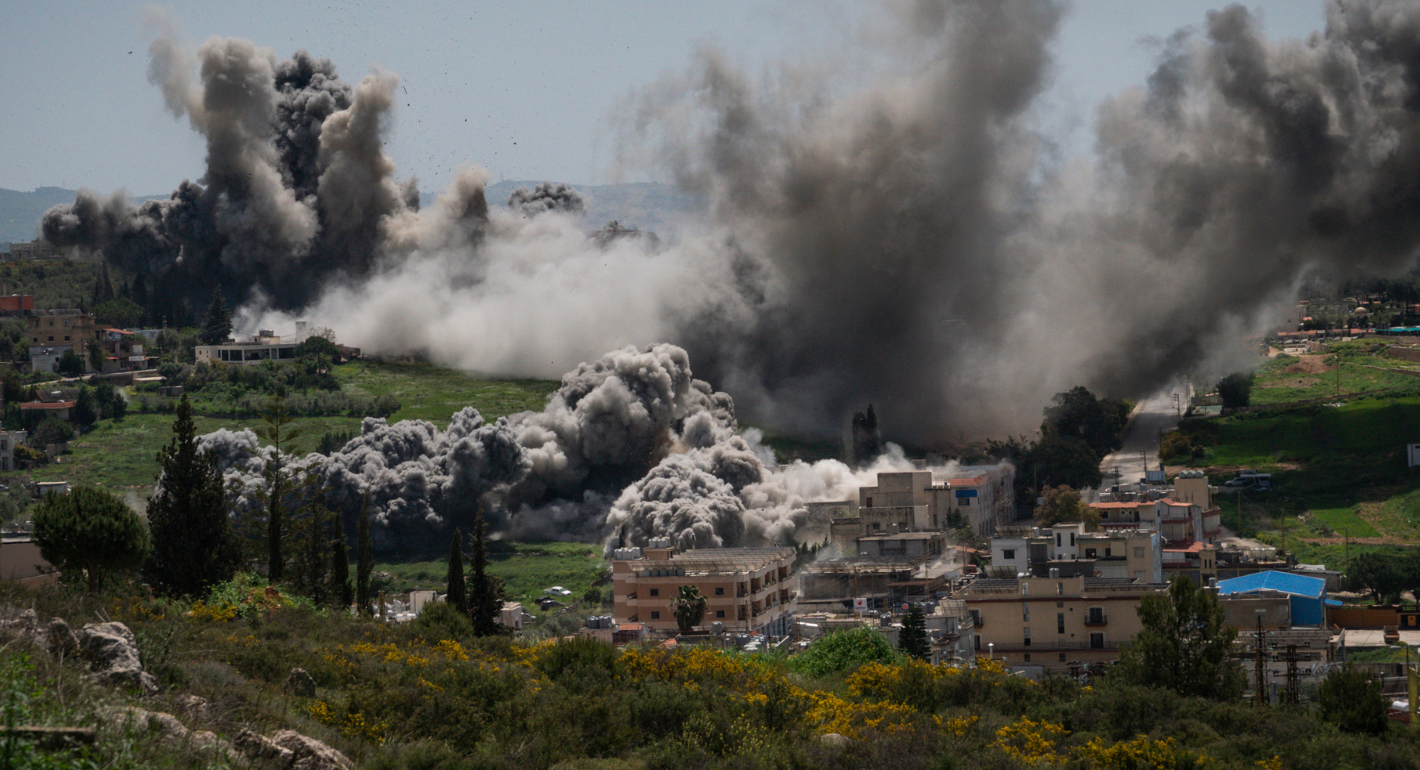
Europe has been standing by while its Southern neighborhood is being redrawn by force. To establish a path to peace between Israel and Lebanon, it’s time for Europeans to get involved with hard power.
Rym Momtaz
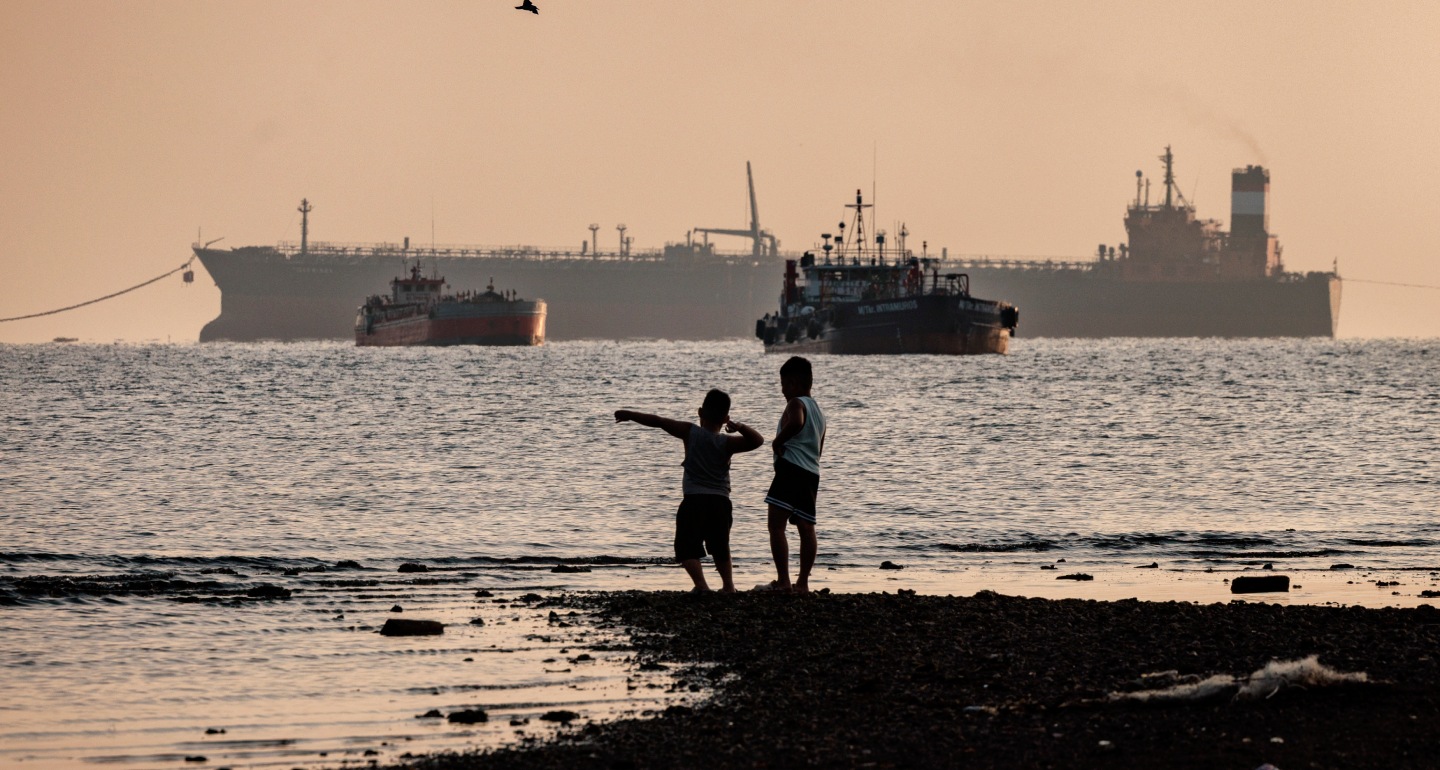
Although Ukrainian strikes have led to a noticeable decline in the physical volume of Russian oil exports, the rise in prices has more than made up for it.

Sergey Vakulenko
Five problems—and solutions—to make it actually work as a tool of great power competition.
Afreen Akhter