
• Research
  • Emissary
  • About
  • Experts
Carnegie Global logoCarnegie lettermark logo
DemocracyIran
  • Donate
{
  "authors": [
    "James L. Schoff",
    "Richard J. Samuels"
  ],
  "type": "other",
  "centerAffiliationAll": "dc",
  "centers": [
    "Carnegie Endowment for International Peace"
  ],
  "collections": [],
  "englishNewsletterAll": "asia",
  "nonEnglishNewsletterAll": "",
  "primaryCenter": "Carnegie Endowment for International Peace",
  "programAffiliation": "AP",
  "programs": [
    "Asia"
  ],
  "projects": [],
  "regions": [
    "East Asia",
    "Japan"
  ],
  "topics": [
    "Nuclear Policy"
  ]
}

Source: Getty

Other

Japan’s Nuclear Hedge: Beyond “Allergy” and Breakout

With the U.S. nuclear umbrella shrinking and nuclear threats in Asia becoming greater and more complex, analysts cannot dismiss a nuclear-armed Japan as a purely academic exercise.

Link Copied
By James L. Schoff and Richard J. Samuels
Published on Oct 2, 2013
Program mobile hero image

Program

Asia

The Asia Program in Washington studies disruptive security, governance, and technological risks that threaten peace, growth, and opportunity in the Asia-Pacific region, including a focus on China, Japan, and the Korean peninsula.

Learn More

Source: National Bureau of Asian Research

This chapter examines the future of Japan’s hedged dependence on U.S. extended deterrence and encourages more imaginative thinking about potential outcomes and strategic implications as the second nuclear age unfolds.

Main Argument

  • With the U.S. nuclear umbrella shrinking and nuclear threats in Asia becoming greater and more complex, analysts cannot dismiss a nuclear-armed Japan as a purely academic exercise.
     
  • While we do not expect a Japanese nuclear breakout in the near term, Washington’s traditional reassurances—massive numbers of weapons deployed in theater and a robust regional presence—have given way to a less convincing reliance on specific weapon systems amid a diminishing conventional military advantage.
     
  • Enhanced bilateral dialogue has been used to strengthen the alliance, but Japan’s neighborhood is more dangerous than ever, and the many domestic constraints on Japanese nuclear breakout—cultural, political, and institutional—could become less restrictive than before.

Policy Implications

  • A U.S. decision to sustain extended deterrence will require significantly more resources and attention than heretofore assigned.
     
  • A more integrated, alliance-based approach to deterrence might therefore become attractive.
     
  • Alternatives to Japan’s long-practiced nuclear hedge may come to have appeal in Tokyo or Washington.
     
  • Coordinated regional action to limit North Korea’s nuclear development remains critical.

Read the full chapter here.

This chapter is from Strategic Asia 2013-14: Asia in the Second Nuclear Age. Read more about Strategic Asia, including information on how to order the complete book, here.

About the Authors

James L. Schoff

Former Senior Fellow, Asia Program

James L. Schoff was a senior fellow in the Carnegie Asia Program. His research focuses on U.S.-Japan relations and regional engagement, Japanese technology innovation, and regional trade and security dynamics.

Richard J. Samuels

Authors

James L. Schoff
Former Senior Fellow, Asia Program
James L. Schoff
Richard J. Samuels
Nuclear PolicyEast AsiaJapan

Carnegie does not take institutional positions on public policy issues; the views represented herein are those of the author(s) and do not necessarily reflect the views of Carnegie, its staff, or its trustees.

More Work from Carnegie Endowment for International Peace

  • Article
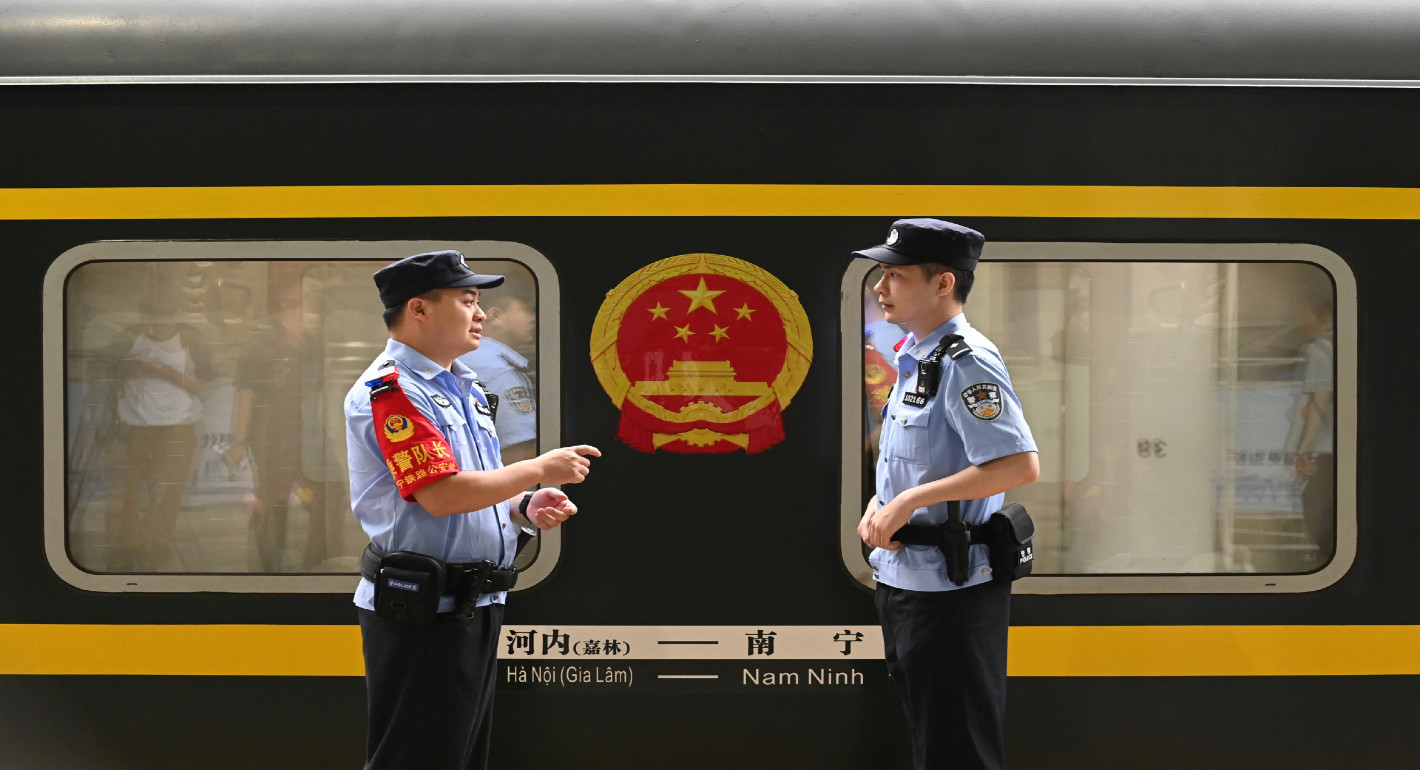
    Leveraging Internal Security Cooperation with Vietnam Offers a Glimpse of Future Chinese Diplomacy with Southeast Asia

    Despite long-standing differences, China and Vietnam are reinforcing common ground for collaboration, especially in public security. This internal security–centered diplomacy offers a strengthened road map for how China moves forward with Southeast Asia.

      Sophie Zhuang
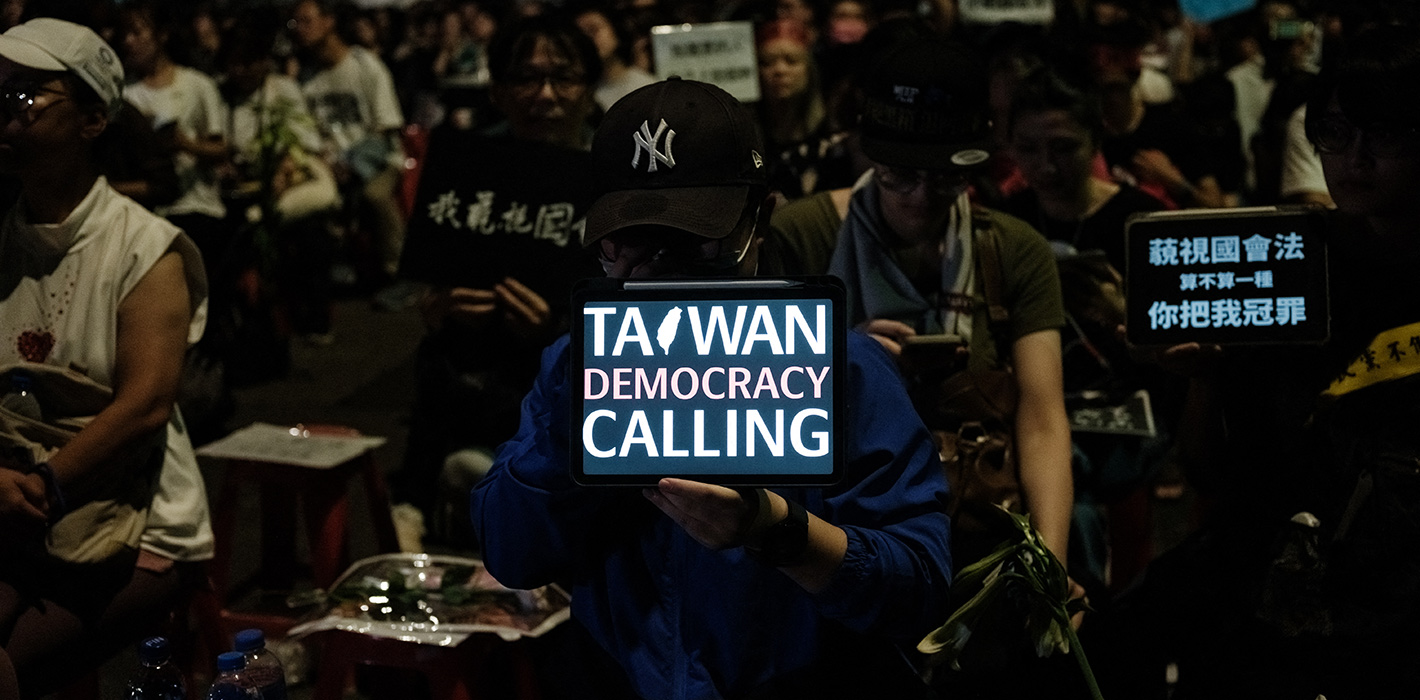
  • A demonstrator holds a tablet displaying a message as they occupy a road in protest against plans by the main opposition Kuomintang (KMT) and the Taiwan People's Party (TPP) to expand the parliamentary powers during the vote for the Parliament reform bill, outside the Parliament in Taipei on May 24, 2024. T
    Article
    Digital Hegemony and the Reification of Taiwan’s “Unification-Independence” Dichotomy

    Governments now deploy online platforms to shape public opinion and influence collective cognition. This is acutely apparent between China and Taiwan.

      • An Asian man with glasses wearing a sky blue collared shirt and black sweater stands in front of a statue of an antelope with a city skyline in the background

      Frank Cheng-Shan Liu

  • Commentary
    China’s Energy Security Doesn’t Run Through Hormuz but Through the Electrification of Everything

    Across Asia, China is better positioned to withstand energy shocks from the fallout of the Iran war. Its abundant coal capacity can ensure stability in the near term. Yet at the same time, the country’s energy transition away from coal will make it even less vulnerable during the next shock.


      • Damien Ma

      Damien Ma

  • Commentary
    Emissary
    In Its Iran War Debate, Washington Has Lost the Plot in Asia

    The United States ignores the region’s lived experience—and the tough political and social trade-offs the war has produced—at its peril.

      Evan A. Feigenbaum

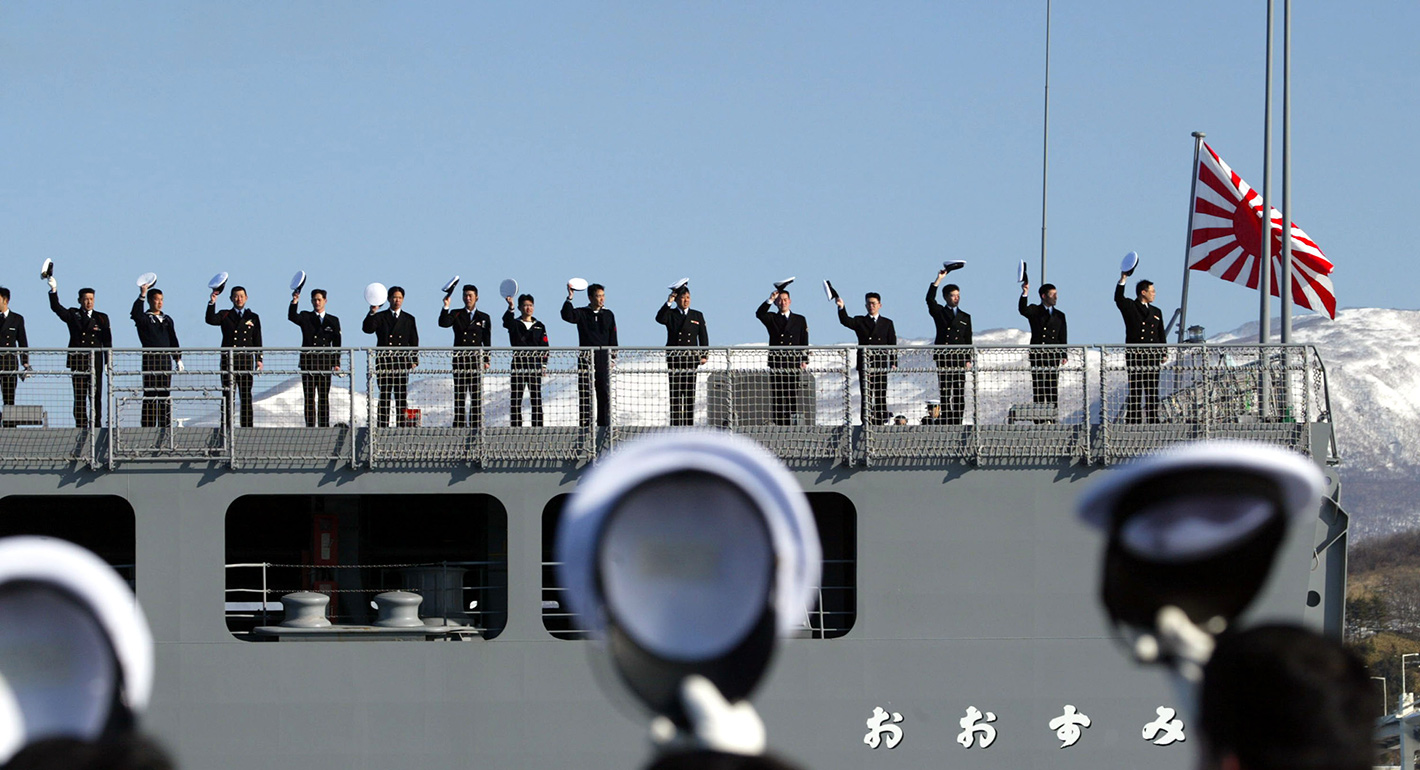
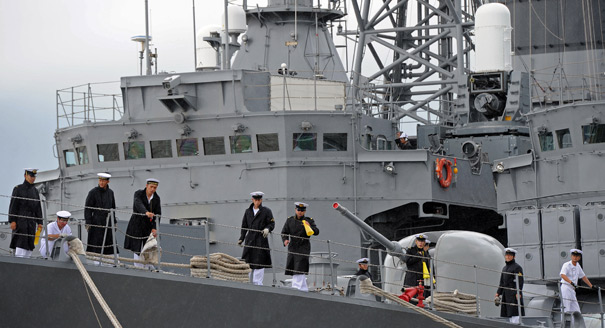
  • apan's 8,900-ton Maritime Self-Defense Force supply ship Oosumi leaves Muroran port escorted by the 4,550-ton destroyer Murasame bound for Kuwait February 20, 2004 in Muroran, Japan.
    Article
    Japan’s Security Policy Is Still Caught Between the Alliance and Domestic Reality

    Japan’s response to U.S. pressure over Hormuz highlights a broader dilemma: How to preserve the alliance while remaining bound by legal limits, public opinion, and an Asia-centered security agenda. Tokyo gained diplomatic space through an alliance-embracing strategy, but only under conditions that may not endure.

      • Ryo Sahashi

      Ryo Sahashi

Get more news and analysis from
Carnegie Endowment for International Peace
Carnegie global logo, stacked
1779 Massachusetts Avenue NWWashington, DC, 20036-2103Phone: 202 483 7600
  • Research
  • Emissary
  • About
  • Experts
  • Donate
  • Programs
  • Events
  • Blogs
  • Podcasts
  • Contact
  • Annual Reports
  • Careers
  • Privacy
  • For Media
  • Government Resources
Get more news and analysis from
Carnegie Endowment for International Peace
© 2026 Carnegie Endowment for International Peace. All rights reserved.