

Q&A
- +1
Amr Hamzawy, Andrew Leber, Eric Lob, …
{
  "authors": [
    "Marwan Muasher"
  ],
  "type": "legacyinthemedia",
  "centerAffiliationAll": "dc",
  "centers": [
    "Carnegie Endowment for International Peace",
    "Malcolm H. Kerr Carnegie Middle East Center"
  ],
  "collections": [],
  "englishNewsletterAll": "menaTransitions",
  "nonEnglishNewsletterAll": "",
  "primaryCenter": "Carnegie Endowment for International Peace",
  "programAffiliation": "MEP",
  "programs": [
    "Middle East"
  ],
  "projects": [],
  "regions": [
    "Middle East",
    "North Africa",
    "Egypt",
    "Gulf",
    "Levant",
    "Maghreb"
  ],
  "topics": [
    "Political Reform",
    "Security",
    "Economy",
    "Military"
  ]
}
Source: Getty
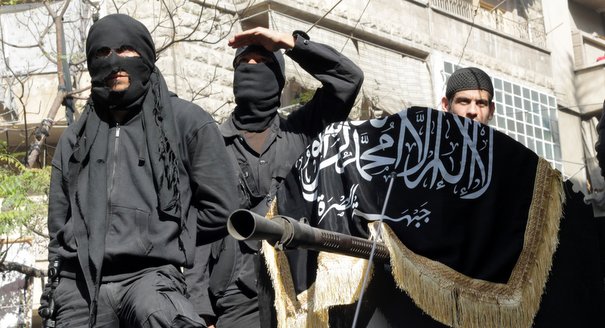
Building stability and prosperity is going to take a lot more work than military strikes.
Source: CNN’s Fareed Zakaria GPS
The Arab world had two huge wake-up calls in the last few years: the 2011 uprisings, which were brought about by a sense that people were marginalized, and the Islamic State, said Carnegie’s Marwan Muasher on CNN’s Fareed Zakaria GPS. “These are two huge wake-up calls that both governments and the general public need to internalize the lessons from,” Muasher said. We cannot escape the fact that from now on, building stability and prosperity is going to take a lot more than military strikes, he argued. And just because it takes a lot more time, does not mean we cannot and shouldn’t start now.
This interview was originally aired on CNN’s Fareed Zakaria GPS.

Vice President for Studies
Marwan Muasher is vice president for studies at Carnegie, where he oversees research in Washington and Beirut on the Middle East. Muasher served as foreign minister (2002–2004) and deputy prime minister (2004–2005) of Jordan, and his career has spanned the areas of diplomacy, development, civil society, and communications.
Recent Work



Amr Hamzawy, Andrew Leber, Eric Lob, …
Marwan Muasher
Carnegie does not take institutional positions on public policy issues; the views represented herein are those of the author(s) and do not necessarily reflect the views of Carnegie, its staff, or its trustees.

How Ukraine is driving doctrinal change in modern warfare.

Andriy Zagorodnyuk

Five problems—and solutions—to make it actually work as a tool of great power competition.
Afreen Akhter
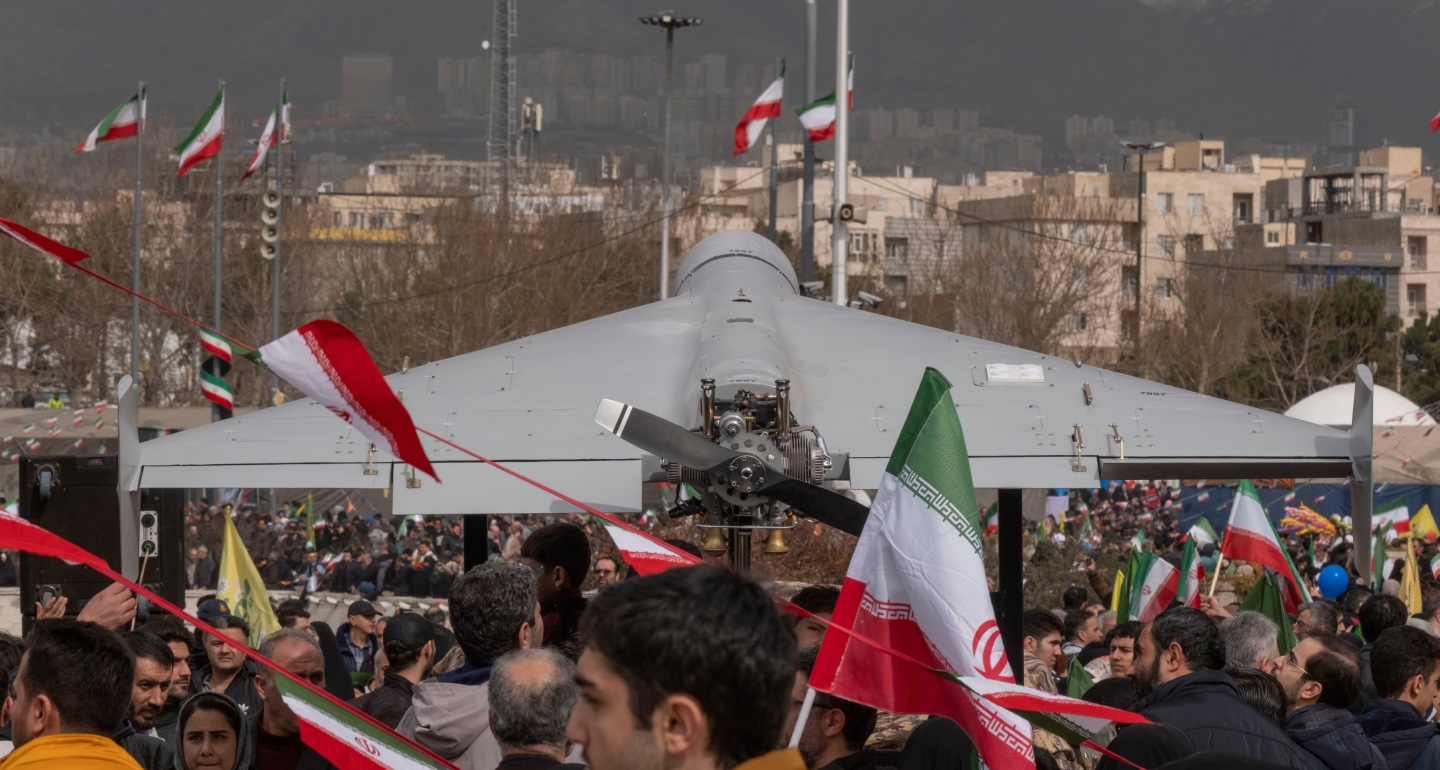
The Russian leadership wants to avoid a dangerous precedent in which it is squeezed out of Iran by the United States and Israel—and left powerless to respond in any meaningful way.

Nikita Smagin

One is hopeful. One is realistic. One is cautionary.
Andrew Leber, Sam Worby
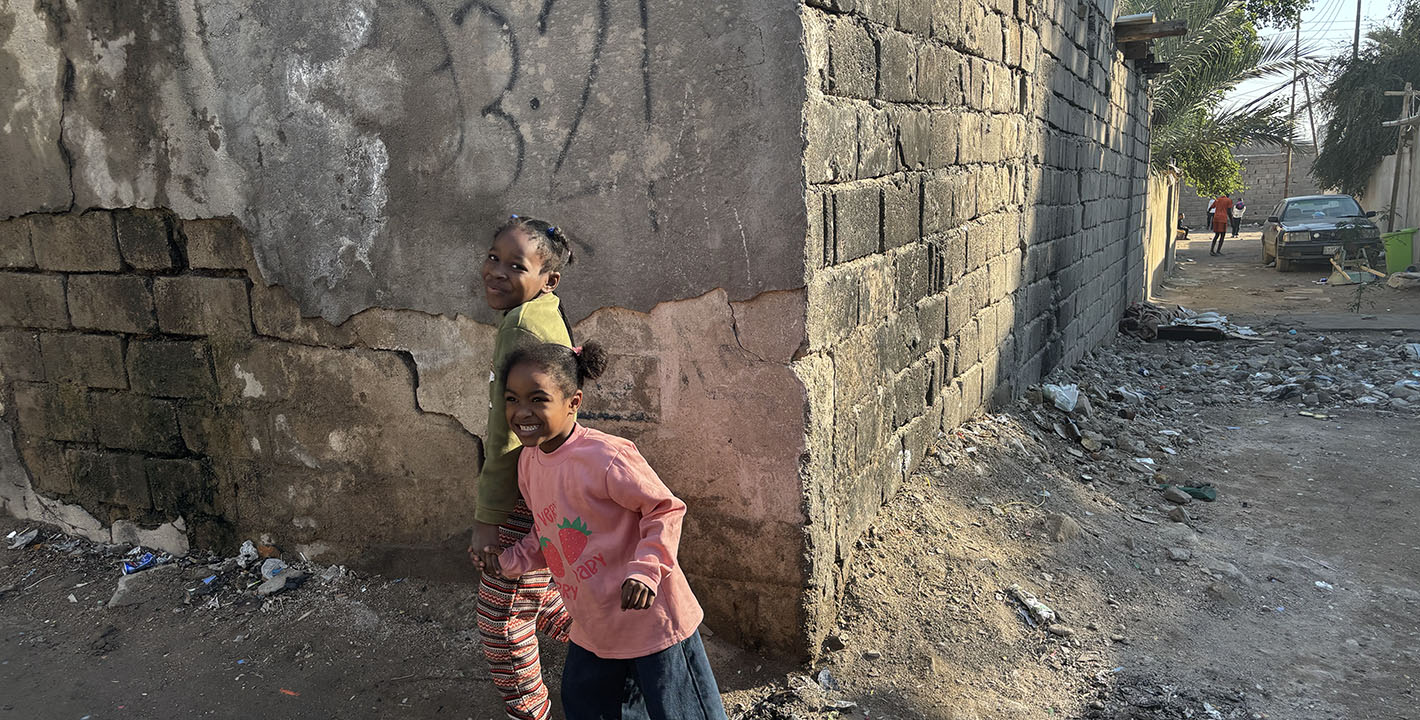
Afro-Iraqis experience political, economic, and social marginalization and discrimination, which exposes the poorest members of the community to the harsh realities of the region’s climate disaster.

Zeinab Shuker