

Commentary
The EU can impose sanctions but struggles to enforce them without the United States. With Washington increasingly disinterested in backing European interests, the bloc must now fend for itself.
Nicu Popescu, Tiago Antunes
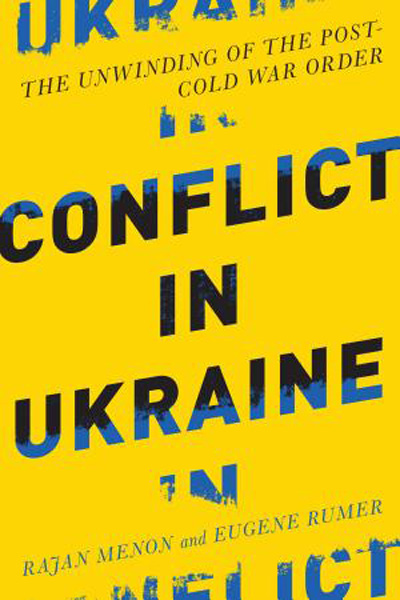
Caught in a dangerous game of chicken, the West cannot afford to lose sight of the importance of stable relations with Russia.
Source: MIT Press
The current conflict in Ukraine has spawned the most serious crisis between Russia and the West since the end of the Cold War. It has undermined European security, raised questions about NATO’s future, and put an end to one of the most ambitious projects of U.S. foreign policy—building a partnership with Russia. It also threatens to undermine U.S. diplomatic efforts on issues ranging from terrorism to nuclear proliferation. Each side is betting that political and economic pressure will force the other to blink first. Caught in this dangerous game of chicken, the West cannot afford to lose sight of the importance of stable relations with Russia.
This book puts the conflict in historical perspective by examining the evolution of the crisis and assessing its implications both for Ukraine and for Russia’s relations with the West more generally. Experts in the international relations of post-Soviet states, political scientists Rajan Menon and Eugene Rumer clearly show what is at stake in Ukraine, explaining the key economic, political, and security challenges and prospects for overcoming them. They provide a comprehensive and accessible study of a conflict whose consequences will be felt for many years to come.
“The conflict between Russia and Ukraine is the most dangerous one in the world: it has the potential to draw the United States into another great European war. In this book, two widely recognized authorities on the two countries involved provide a clear, compelling, and eminently readable account of the origins, the nature, and the possible futures of the conflict, and of the implications for Europe and America.”
—Michael Mandelbaum, Christian A. Herter Professor of American Foreign Policy, Johns Hopkins School of Advanced International Studies, and author of The Road to Global Prosperity
“Conflict in Ukraine provides a timely assessment of one of several recent strategic developments that mark the passing of the ‘post–Cold War’ world. The careful attention to the subtle interplay of domestic and international politics, and of history and current events, is all too rare in foreign policy analysis. Though the book places the bulk of responsibility for the military escalation of the dispute over Ukraine’s future on Russia, the authors scrupulously assess the roles of Ukraine itself, the U.S., and Europe in setting the stage for the ultimate crisis. The authors are modest about their ability to predict, but they lay out a set of plausible hypotheses about the likely course of the dispute, which we can employ to order new facts as they emerge.”
—Barry R. Posen, Ford International Professor of Political Science and Director of the Security Studies Program, MIT, and author of Restraint: A New Foundation for U.S. Grand Strategy
“Despite its swift and timely appearance, Conflict in Ukraine is not your usual instant book rushed out to capitalize on a current crisis. Drawing on impeccable expertise built up over decades, Menon and Rumer provide an elegantly described context for understanding the history, politics, and economics of the showdown over Ukraine. They convincingly argue that Ukraine’s crisis is a symptom of larger geopolitical trends that require hard-headed planning for a new security architecture for Europe.”
—Jack Snyder, Robert and Renée Belfer Professor of International Relations, Saltzman Institute of War and Peace Studies, Columbia University
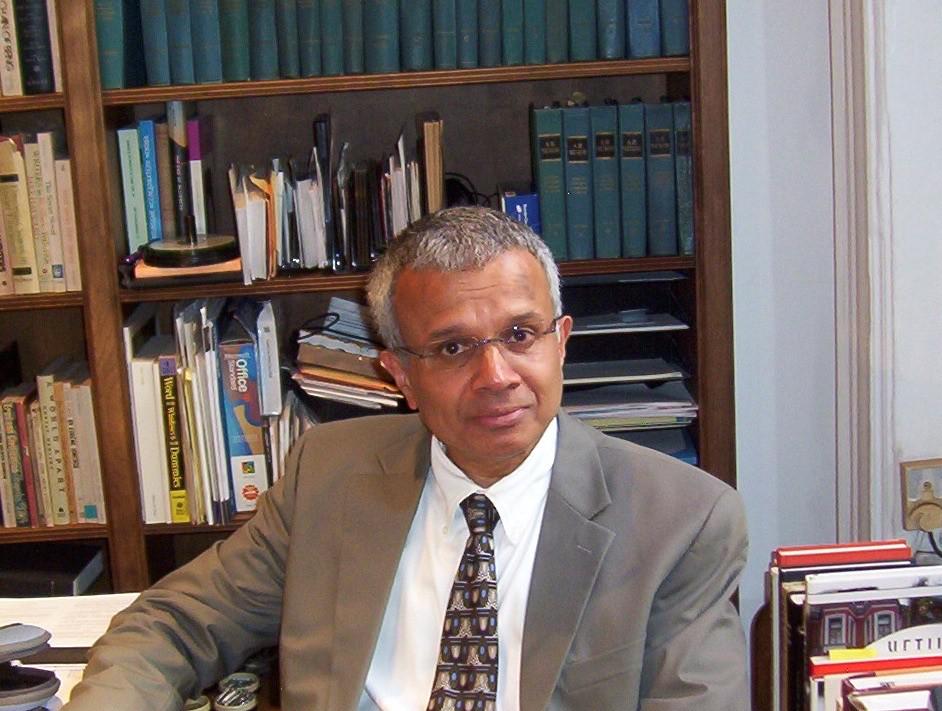
Former Nonresident Scholar, Russia and Eurasia Program
Rajan Menon was a nonresident scholar in the Russia and Eurasia Program and director of the Grand Strategy Program at Defense Priorities.
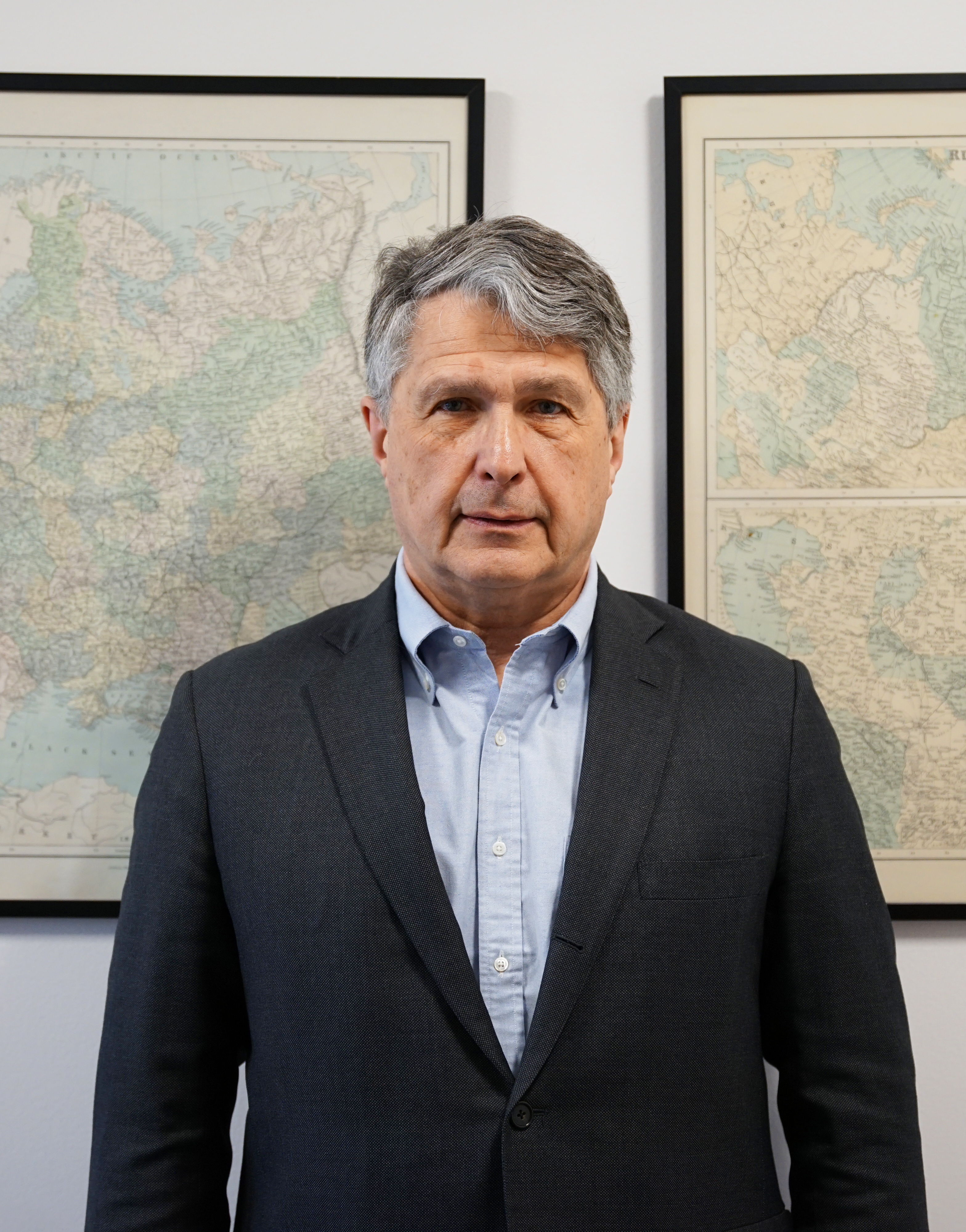
Director and Senior Fellow, Russia and Eurasia Program
Rumer, a former national intelligence officer for Russia and Eurasia at the U.S. National Intelligence Council, is a senior fellow and the director of Carnegie’s Russia and Eurasia Program.
Carnegie does not take institutional positions on public policy issues; the views represented herein are those of the author(s) and do not necessarily reflect the views of Carnegie, its staff, or its trustees.

The EU can impose sanctions but struggles to enforce them without the United States. With Washington increasingly disinterested in backing European interests, the bloc must now fend for itself.


Nicu Popescu, Tiago Antunes

Global and rising powers will need to engage with Africa’s priorities and agency in order to secure the continent’s increasingly attractive partnerships.

Fonteh Akum

Rubio’s recent visit brought welcome attention, but more capital requires governance changes that may be a hard sell for regional governments.

Jennifer B. Murtazashvili

America’s foreign-policy objectives have grown more demanding while Americans have demanded greater focus on their own affairs.

Stephen Wertheim

Japan’s long-term security policy is driven by concerns about China, and there is little appetite for (or interest in) pursuing a confrontation with Moscow.

James D.J. Brown