

Q&A
Aaron David Miller, Karim Sadjadpour, Robin Wright
{
  "authors": [
    "Karim Sadjadpour"
  ],
  "type": "legacyinthemedia",
  "centerAffiliationAll": "dc",
  "centers": [
    "Carnegie Endowment for International Peace",
    "Malcolm H. Kerr Carnegie Middle East Center"
  ],
  "collections": [
    "Iranian Proliferation"
  ],
  "englishNewsletterAll": "menaTransitions",
  "nonEnglishNewsletterAll": "",
  "primaryCenter": "Carnegie Endowment for International Peace",
  "programAffiliation": "MEP",
  "programs": [
    "Middle East"
  ],
  "projects": [],
  "regions": [
    "Middle East",
    "Iran"
  ],
  "topics": [
    "Political Reform",
    "Foreign Policy",
    "Nuclear Policy"
  ]
}
Source: Getty
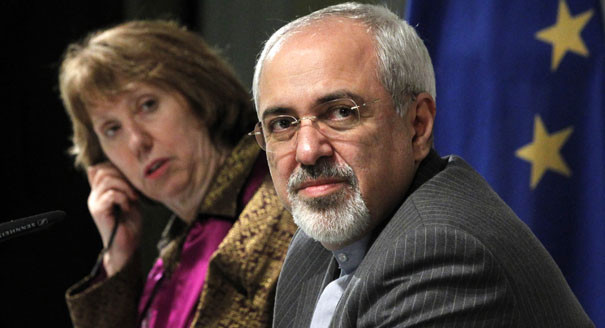
The ongoing nuclear negotiations with Iran face significant obstacles, including domestic politics in Iran and the opposition of the hardliners.
Source: Charlie Rose
Speaking on Charlie Rose, Carnegie’s Karim Sadjadpour explained that in the ongoing nuclear negotiations, Iran feels confident that the United States wants the deal more and if there is an impasse, Iran will not be blamed for it. Instead, Netanyahu and the U.S. Congress are likely to be blamed.Still, he said, the negotiations are likely lead to “some type of a framework agreement,” but it will not be as concrete as some may hope for. While the negotiations are on technical issues, the result will come down to a political decision by Iran’s Supreme Leader. He added that it is an “economic no brainer” for Iran to sign the deal, but as the Supreme Leader has been saying for decades that American cannot be trusted, the deal will represent a political risk to the Iranian leadership.
Sadjadpour statated that the challenge in dealing with Iran “is that those Iranian officials who are accessible to us … are not powerful and those Iranian officials who are powerful are inaccessible to us.”

Senior Fellow, Middle East Program
Karim Sadjadpour is a senior fellow at the Carnegie Endowment for International Peace, where he focuses on Iran and U.S. foreign policy toward the Middle East.
Recent Work


Aaron David Miller, Karim Sadjadpour, Robin Wright
Aaron David Miller, David Petraeus, Karim Sadjadpour
Carnegie does not take institutional positions on public policy issues; the views represented herein are those of the author(s) and do not necessarily reflect the views of Carnegie, its staff, or its trustees.
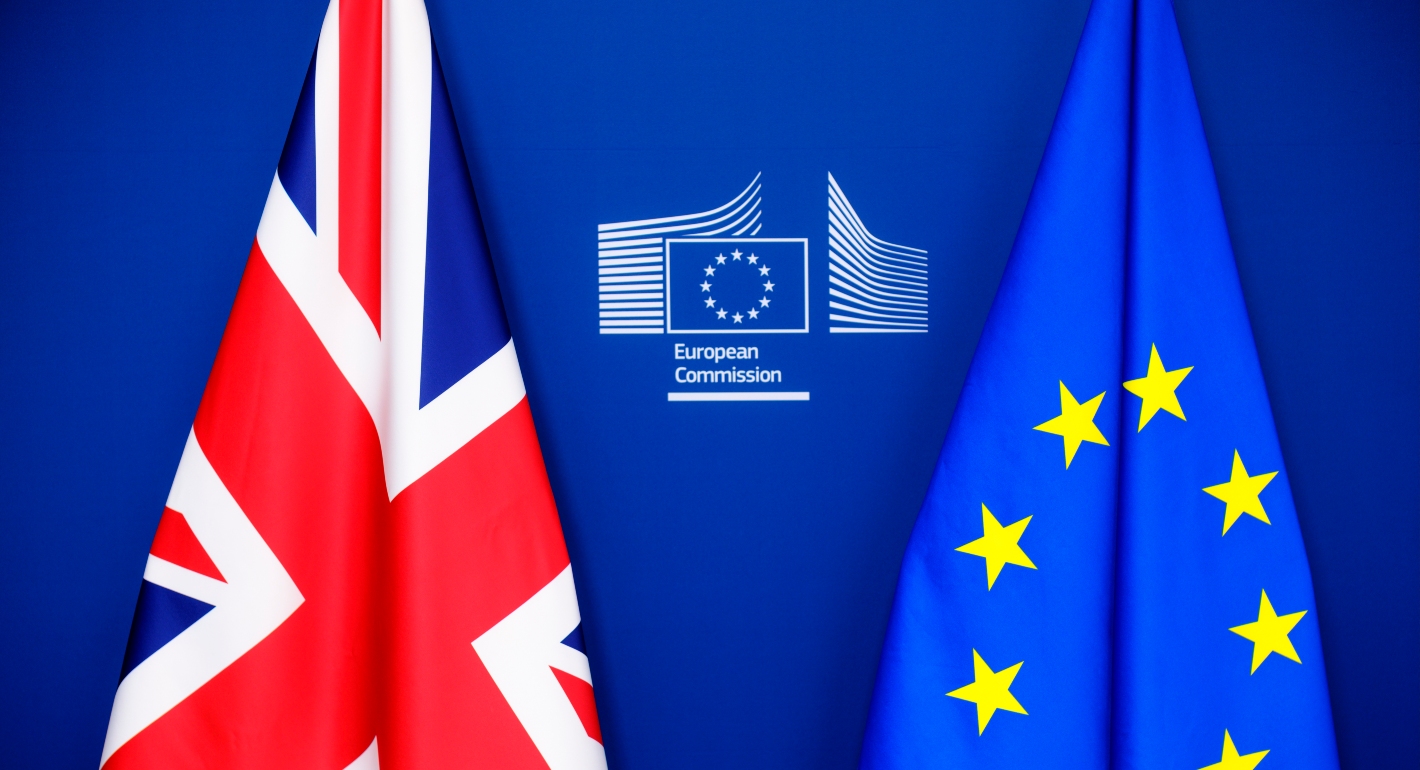
Closer EU-UK ties could help address urgent European concerns. But is the EU ready for rapprochement with the United Kingdom?

Rym Momtaz, ed.
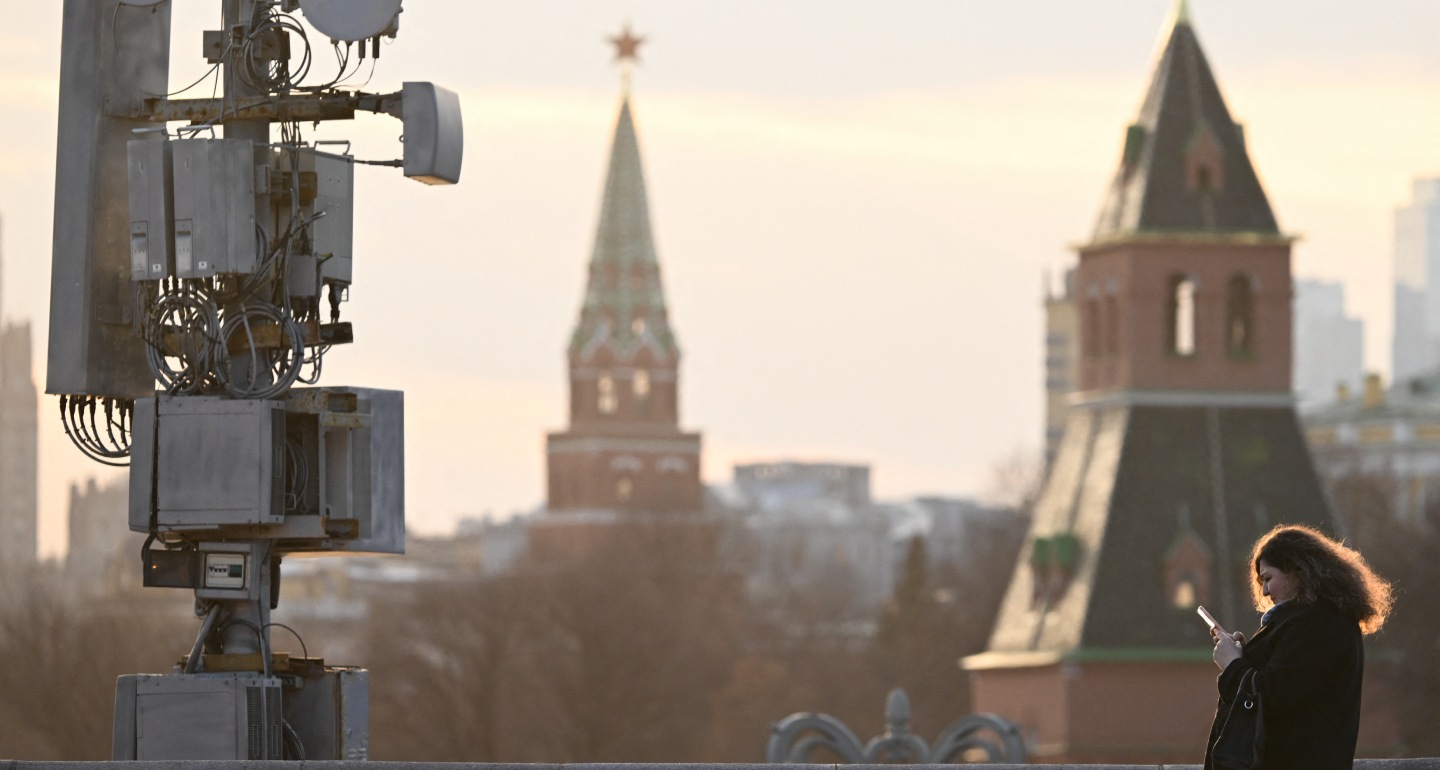
The Russian state has opted for complete ideological control of the internet and is prepared to bear the associated costs.

Maria Kolomychenko
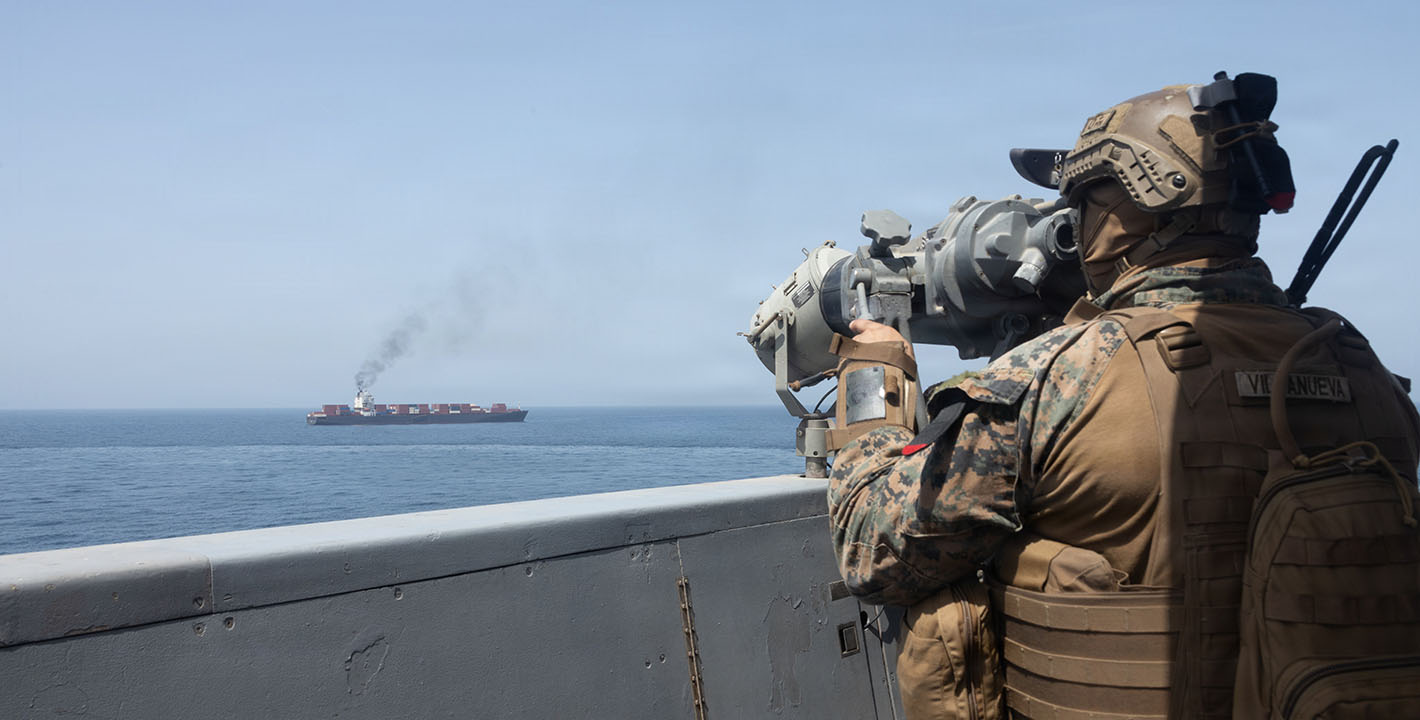
In an interview, Jim Lamson discusses the ongoing regional conflict and sees an unclear picture when it comes to winners and losers.

Michael Young
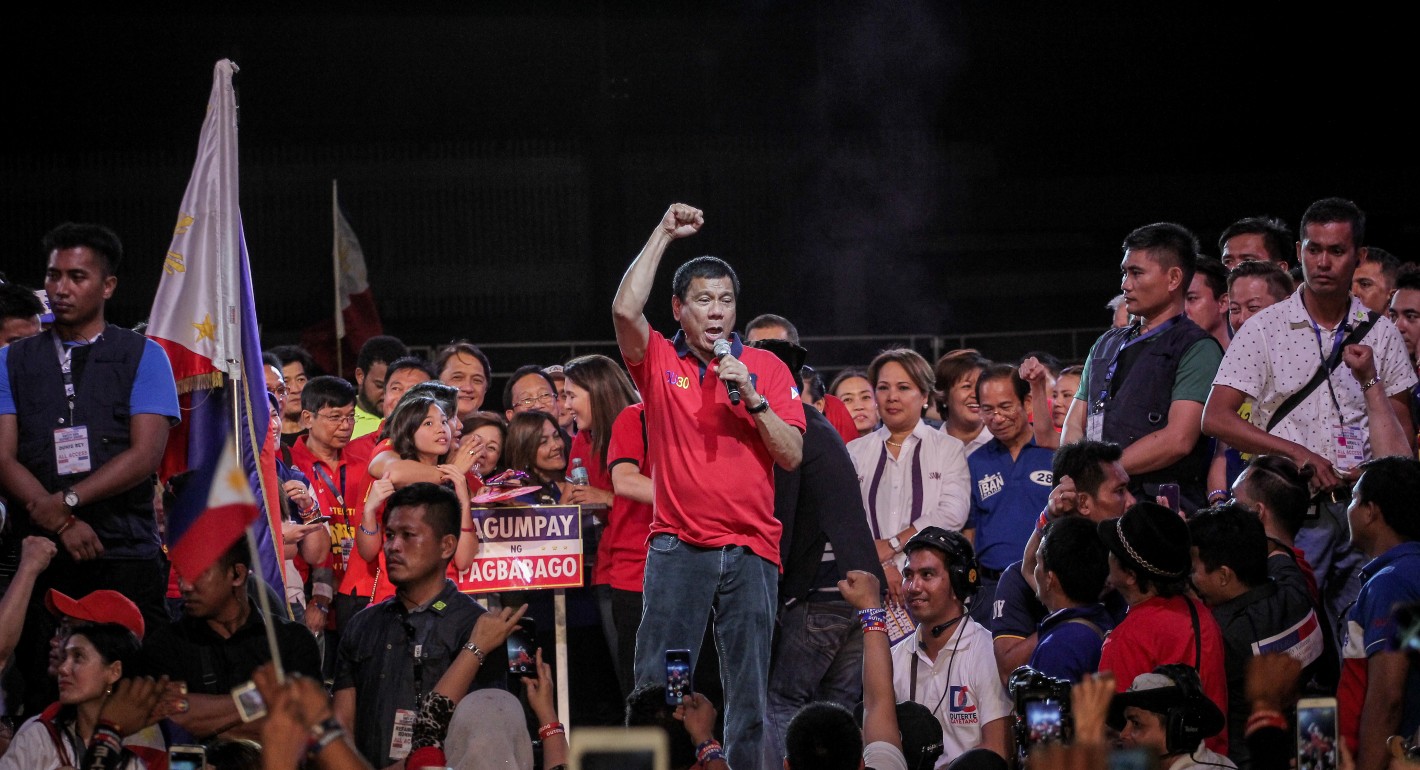
In the Philippines, Duterte-era discourse emphasizing sovereignty, anti-Western skepticism, and strongman diplomacy mirrors tenets of populist foreign policy around the world.
Aries A. Arugay
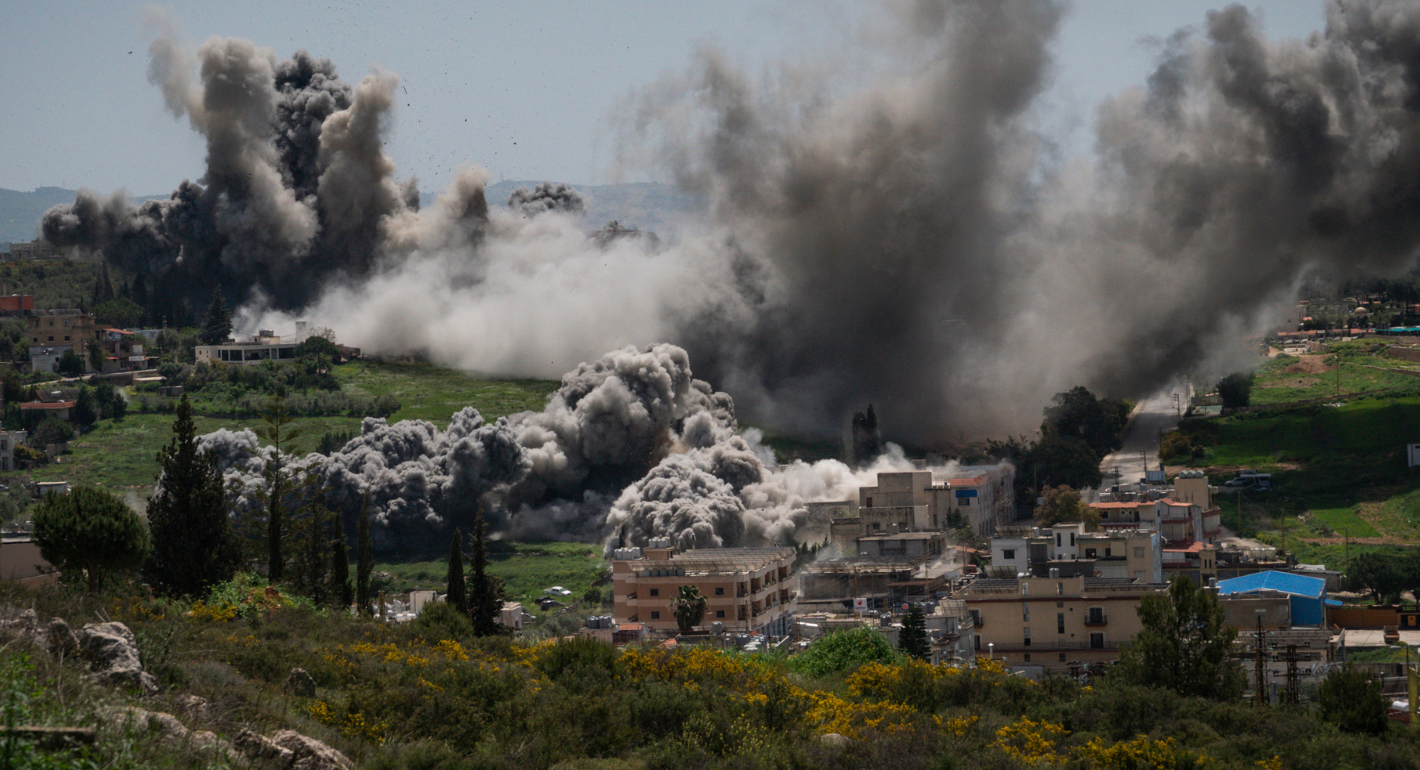
Europe has been standing by while its Southern neighborhood is being redrawn by force. To establish a path to peace between Israel and Lebanon, it’s time for Europeans to get involved with hard power.
Rym Momtaz