Commentary
Nathan J. Brown
{
  "authors": [
    "Nathan J. Brown"
  ],
  "type": "legacyinthemedia",
  "centerAffiliationAll": "dc",
  "centers": [
    "Carnegie Endowment for International Peace",
    "Malcolm H. Kerr Carnegie Middle East Center"
  ],
  "collections": [
    "Arab Awakening"
  ],
  "englishNewsletterAll": "menaTransitions",
  "nonEnglishNewsletterAll": "",
  "primaryCenter": "Carnegie Endowment for International Peace",
  "programAffiliation": "MEP",
  "programs": [
    "Middle East"
  ],
  "projects": [],
  "regions": [
    "North Africa",
    "Egypt"
  ],
  "topics": [
    "Political Reform",
    "Security",
    "Democracy",
    "Military",
    "Civil Society",
    "Foreign Policy"
  ]
}
Source: Getty
A new Egyptian antiterrorism law took effect this week, and to call it tough is an understatement.
Source: NPR’s All Things Considered
NPR's Robert Siegel interviews Nathan Brown, a nonresident Senior Associate at the Carnegie Endowment and a professor at George Washington University, about the constitutionality of the law and the concern it will be used to crackdown on political dissent.
ROBERT SIEGEL, HOST: In Egypt this week, a new antiterrorism law took effect, and to call it tough is an understatement. Belonging to a group designated a terrorist entity is an offense that could lead to 10 years in prison. Financing such a group could bring 25 years in prison, forming one is punishable by death, and terrorism cases would be heard in special courts. Reporters who contradict the authorities' version of a terror attack could be fined up to $25,000. Nathan Brown is a political scientist and Middle East specialist at the George Washington University. Welcome to the program once again.
NATHAN BROWN: Thanks for having me.SIEGEL: You're familiar with Egyptian law and the Egyptian constitution. By Egyptian standards, is this law constitutional?
BROWN: Well, that will be for the constitutional court to decide. And the problem is, it will take a long time for any case to find its way to the court. There are certainly aspects of the law that could be challenged on constitutional grounds, but there's going to be an awful lot of activity that can be prosecuted before that point.
SIEGEL: Give us a sense of the context in which President el-Sisi has promulgated this law.
BROWN: Well, there certainly has been an upsurge of political violence in Egypt, and some of that can be considered terrorism. The government really feels it has to be tough and it has to send a very strong message. And President el-Sisi himself has said that one of the problems is that the courts are just too slow in handling it and the judiciary needs to step up to the plate and really prosecute terrorism.
SIEGEL: Egypt is engaged in a counterinsurgency against a militant Islamist group in the northern Sinai, and I know that group is regarded as a terrorist entity by the authorities. Is the Muslim Brotherhood, which won Egypt's first free election, is that also regarded as a terrorist entity?
BROWN: Not by most observers, no. There are certainly members of the Brotherhood who have engaged in political violence, but certainly as an organization as a whole does not have a terrorist record in recent decades.
SIEGEL: But could this law be invoked against the Muslim Brotherhood?
BROWN: Oh, absolutely. Some of its provisions seem to be really designed in order to paint the definition of terrorism so broadly that the Brotherhood could very much find itself targeted.
SIEGEL: Since the Arab Spring, we've gone from the old regime of President Mubarak to the Muslim Brotherhood President Mohammed Morsi, who was ousted, and now President General el-Sisi. How do things today compare with the old days in Egypt?
BROWN: Well, in some ways it may be a re-creation not of the old regime under Mubarak, but a little bit more of that that existed in the '60s under Nasser. It's a little bit more authoritarian. Also, under Mubarak, the country and the regime did care about the international reputation of Egypt. This new regime seems basically to be undertaking actions that give Egypt a black eye internationally and doesn't really seem to care.
SIEGEL: Do you think that President Sisi and this new law generally enjoy the support of the average Egyptian?
BROWN: It's very, very difficult to say what the average Egyptian thinks because the space for politics and political expression has been so severely constrained. What I would say is that you're beginning to hear some intellectuals and some political activists complain a little bit about the regime's conduct. But it is still the case that in terms of public debate in Egypt, most of it still seems to be supportive of the president.
SIEGEL: Do you get the sense that it's having a chilling effect on journalists in Egypt - independent journalists?
BROWN: This law in particular will probably have a little bit of that effect, but the climate since the overthrow of Morsi in 2013 has been so intolerant of dissident voices, and there have been enough journalists who have been blamed for, in essence, encouraging terrorism, reporting false news and so on, and there have been some who have been arrested and some even killed, that I think what this new law will be will be a drop in the bucket to what is already a fairly restrictive environment for journalism.
SIEGEL: Professor Brown, thanks for talking with us today.
BROWN: Thanks for having me.
SIEGEL: Nathan Brown, a professor of political science at the George Washington University in Washington, D.C.
This interview was originally held on NPR's All Things Considered.

Nonresident Senior Fellow, Middle East Program
Nathan J. Brown, a professor of political science and international affairs at George Washington University, is a distinguished scholar and author of nine books on Arab politics and governance, as well as editor of five books.
Recent Work
Nathan J. Brown
Nathan J. Brown
Carnegie does not take institutional positions on public policy issues; the views represented herein are those of the author(s) and do not necessarily reflect the views of Carnegie, its staff, or its trustees.
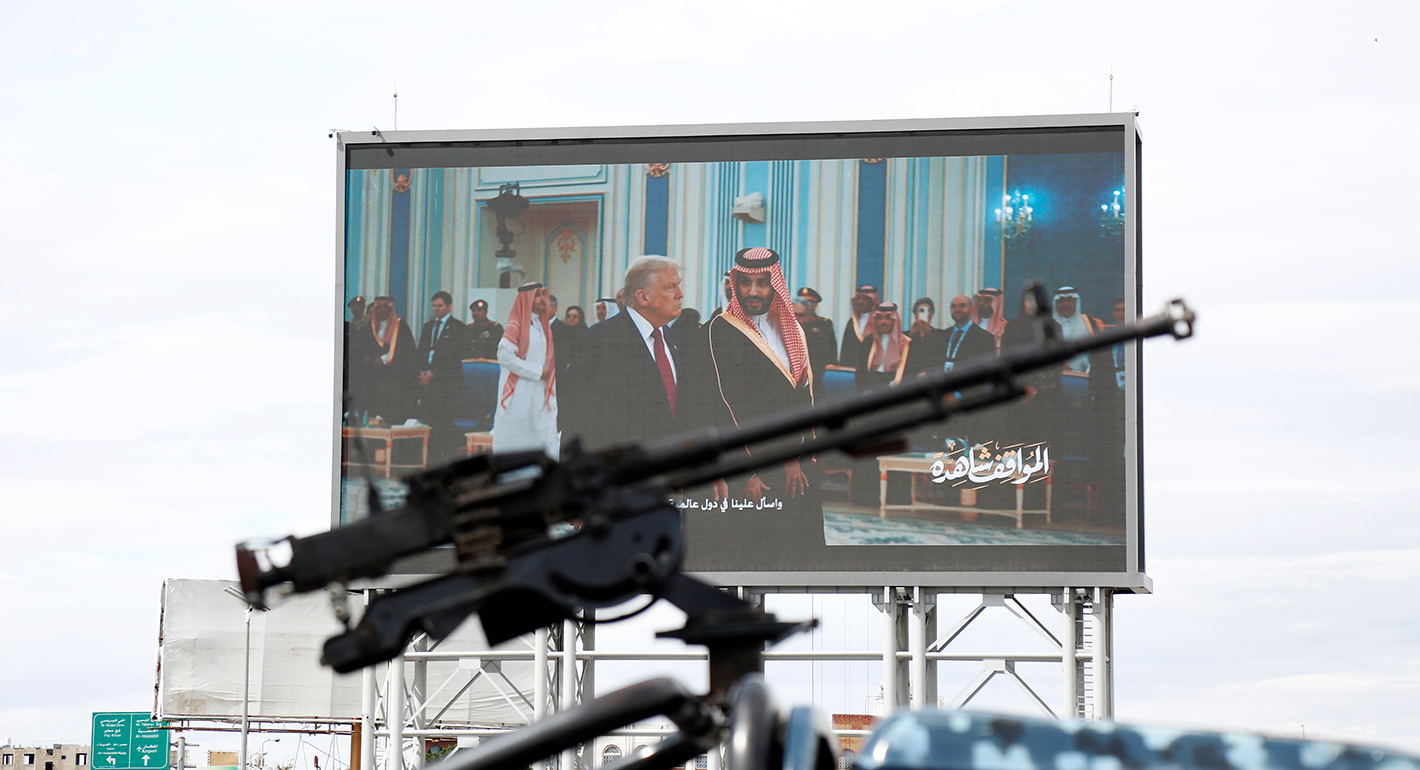
As the war between the United States, Israel, and Iran continues, Carnegie scholars contribute cutting-edge analysis on the events of the war and their wide-reaching implications. From the impact on Iran and its immediate neighbors to the responses from Gulf states to fuel and fertilizer shortages caused by the effective shutdown of the Strait of Hormuz, the war is reshaping Middle East alliances and creating shockwaves around the world. Carnegie experts analyze it all.
The return of war as the organizing factor in Middle Eastern politics has predictable consequences: governments are prioritizing regime stability and becoming averse to political and social reform.


Sarah Yerkes, Amr Hamzawy

Central Asia’s digital ambitions are achievable, but only if policy is aligned with the region’s physical constraints.

Aruzhan Meirkhanova
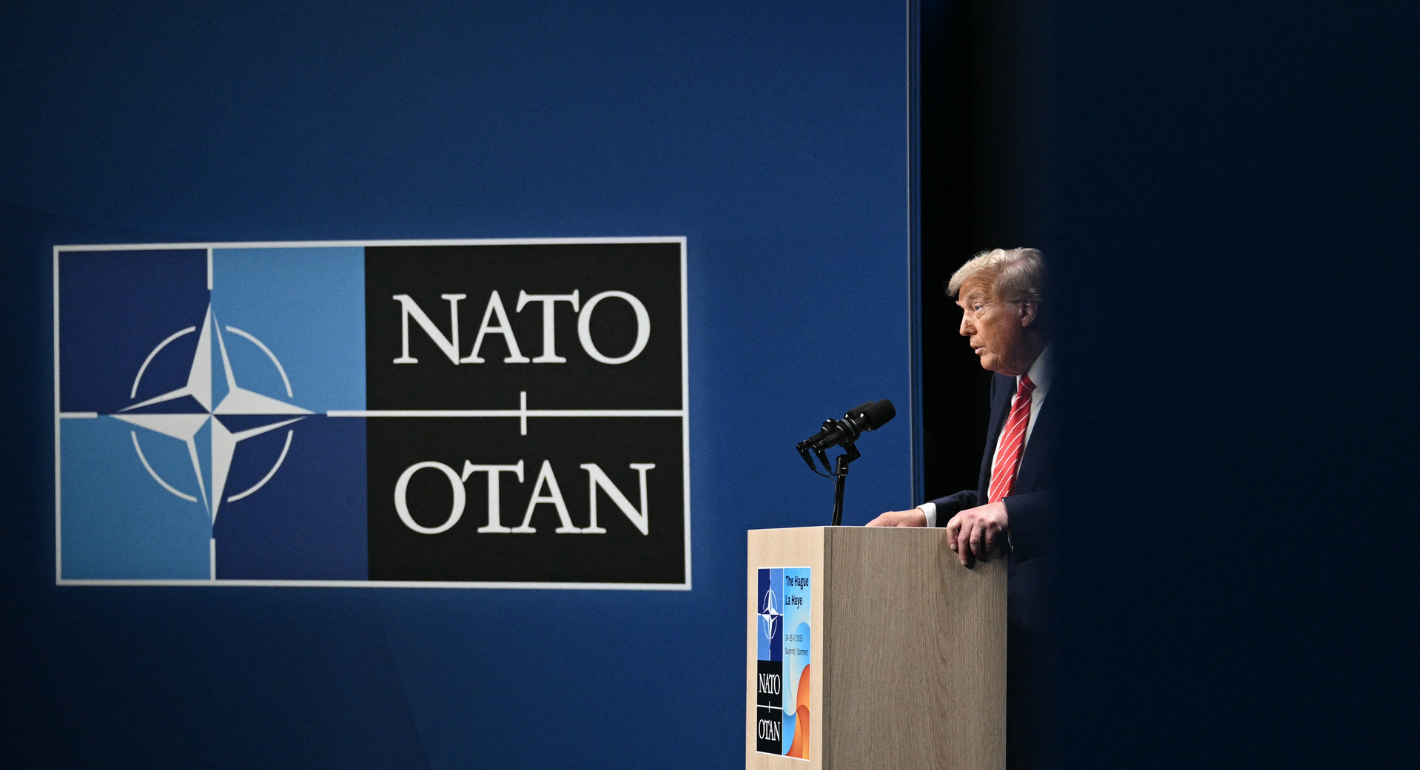
Donald Trump has repeatedly bashed NATO and European allies, threatening to annex Canada and Greenland and deploring their lack of enthusiasm for his war of choice in Iran. Is this latest round of abuse the final straw?

Rym Momtaz, ed.
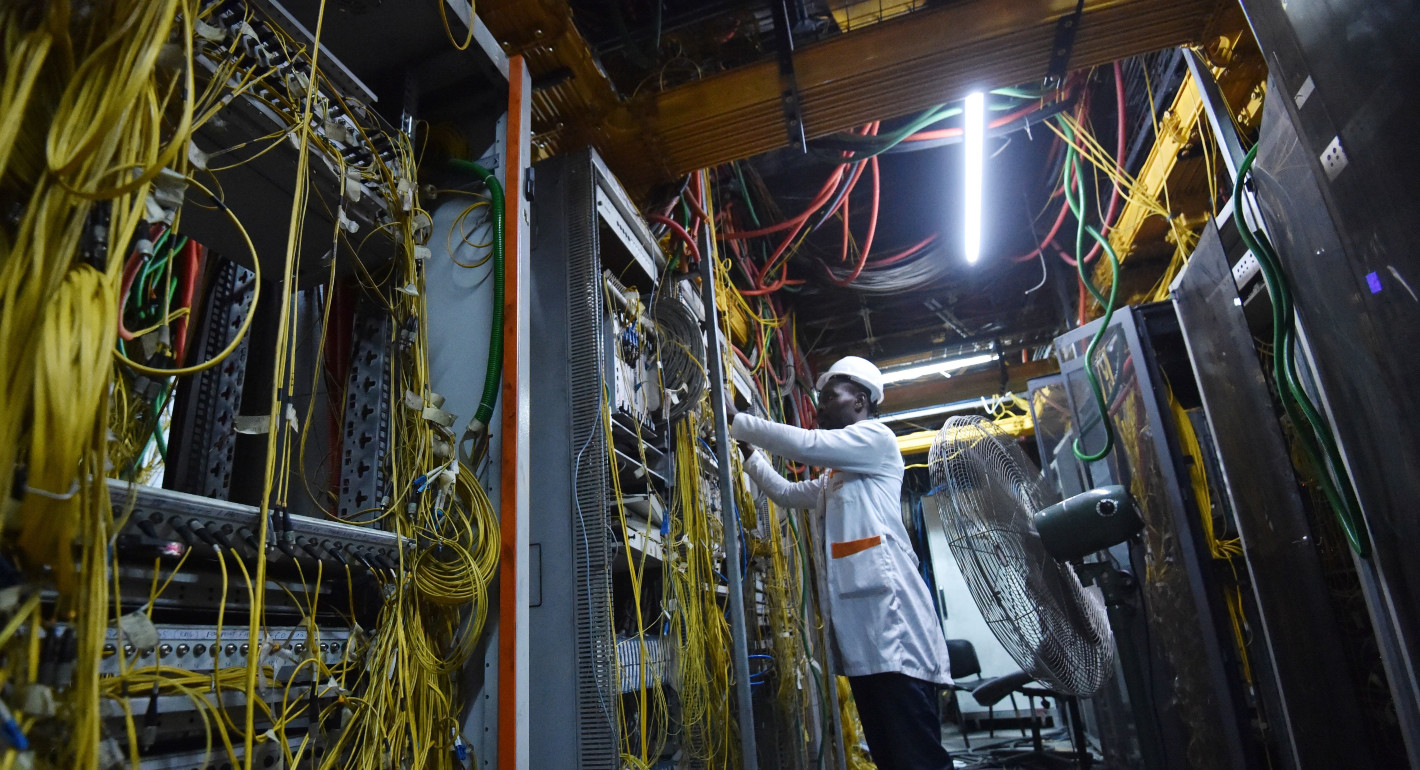
The Africa Technology Policy Tracker reveals policymakers’ priorities for the continent’s digital transformation.
Jane Munga