

Research
- +10
Jarrett Blanc, Thomas de Waal, Karim Sadjadpour, …
{
  "authors": [
    "Jarrett Blanc"
  ],
  "type": "commentary",
  "centerAffiliationAll": "dc",
  "centers": [
    "Carnegie Endowment for International Peace",
    "Malcolm H. Kerr Carnegie Middle East Center"
  ],
  "collections": [],
  "englishNewsletterAll": "americanStatecraft",
  "nonEnglishNewsletterAll": "",
  "primaryCenter": "Carnegie Endowment for International Peace",
  "programAffiliation": "ASP",
  "programs": [
    "American Statecraft"
  ],
  "projects": [],
  "regions": [
    "North America",
    "United States",
    "Middle East",
    "Türkiye"
  ],
  "topics": [
    "Political Reform",
    "Economy",
    "Trade",
    "Foreign Policy"
  ]
}
Source: Getty
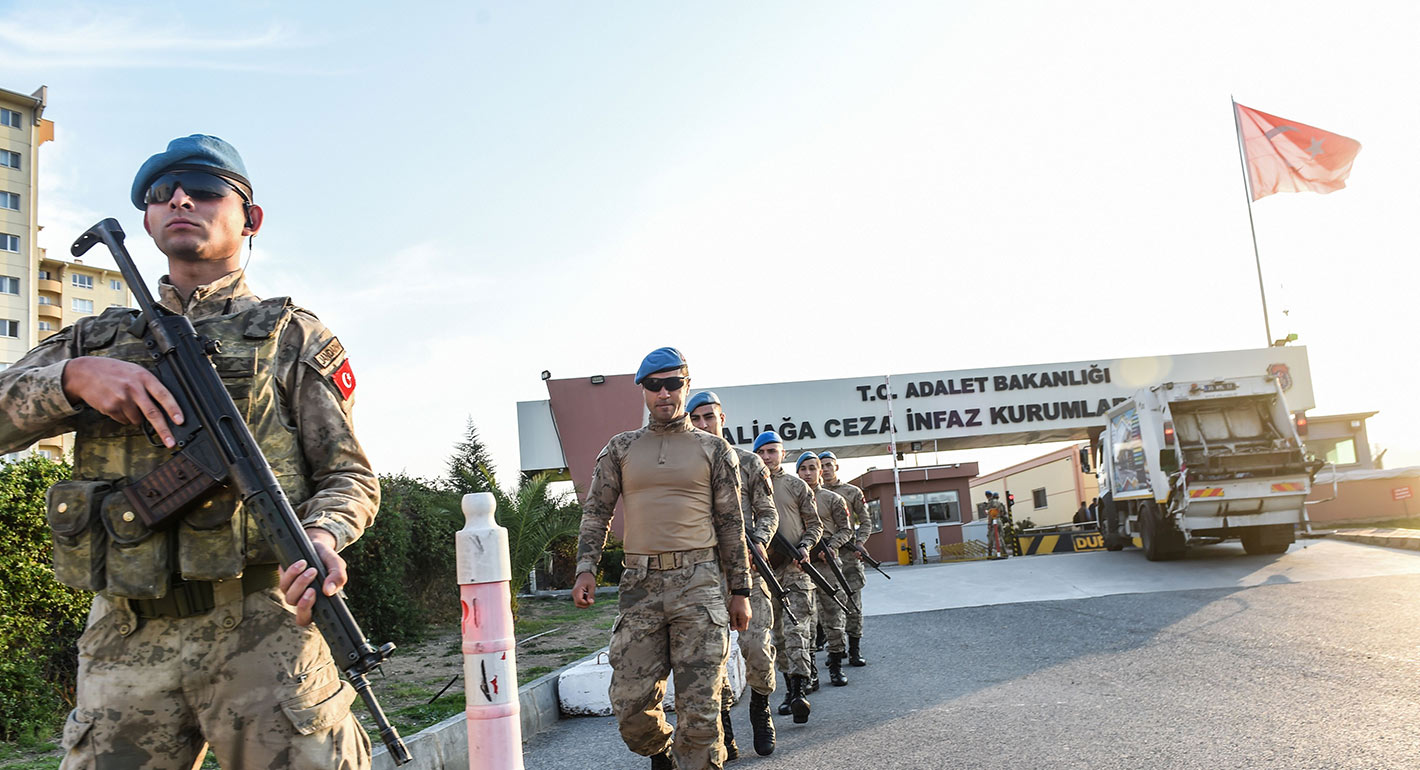
U.S. President Donald Trump has suggested that the United States can devastate Turkey economically. Is he right?
Probably. Economic sanctions are more powerful when targeted at allies than adversaries, because there are more (and more important) economic ties between allies. For example, the United States is Turkey’s fourth-largest source of imports and fifth-largest source of exports—just two measures of the links between the Turkish and U.S. economies.
U.S. economic power was on full display last summer. Trump threatened, via tweet, “large sanctions” unless Turkey released a U.S. clergyman implausibly accused of involvement in Turkey’s failed 2016 coup attempt. Immediately, the Turkish lira fell 4.5 percent against the dollar. After the administration sanctioned two Turkish cabinet ministers—an unprecedented step against allied senior officials—the lira fell another 10 percent.
What happened next was even weirder than sanctioning an ally. Rather than responding to a potential currency crisis with well-developed tools to stabilize the situation and prevent the spread of financial instability to other emerging markets, Trump announced that the United States would double tariffs on Turkish steel and aluminum (again by tweet, replete with gloating about the lira moving “rapidly downward against our very strong Dollar”). The lira’s slide turned into a rout, with the currency dropping more than 18 percent in a single day.
The United States did not push the issue further. The U.S. clergyman was released, and the lira stabilized. In the meantime, the cost of borrowing increased, confidence decreased, and growth slowed dramatically from 5.3 percent in the second quarter to 1.6 percent in the third.
This story reflects the fragility of Turkey’s economy. Turkish President Recep Tayyip Erdoğan has become increasingly autocratic and eccentric. He has grabbed power from Turkey’s nominally independent Central Bank and has insisted on keeping interest rates down despite increasing inflation—a problem given the Turkish private sector’s dependence on foreign debt in foreign currencies. His attacks on institutions after the failed 2016 coup —ranging from the courts to the press to schools—have reduced confidence in the country as a business partner and investment target. Appointing his forty-year-old son-in-law finance minister in July only aggravated the business community’s fears.
Under these conditions, the United States could do damage with a couple of sanctions and a tariff announcement. It has many more sanctions and other corrosive economic tools available, should it choose to use them.
Turkey can respond to U.S. pressure with a range of political steps—anything from refusing to cooperate on policies toward Syria, Iraq, or Iran to limiting operations at İncirlik Air Base (where the United States, inexplicably, stores nuclear weapons).
And there is always the unforeseen. When the United States sanctioned the Turkish ministers of justice and the interior in August, Washington could not have imagined that it would depend on Turkish security and law enforcement agencies to understand Saudi Arabia’s murder of journalist and U.S. resident Jamal Khashoggi in October.
More than this, though, there is the risk of overreach in U.S. sanctions policy forcing allies and partners to find ways to work around the U.S. banking system. Officials in Europe and other global economic powers are already nervous that the United States is abusing its dominant banking position with capricious sanctions on Iran, Russia, and others. Targeting a NATO ally will surely push partners and adversaries to look harder for financial structures that bypass the United States and minimize the risks associated with U.S. sanctions
Former Senior Fellow, Geoeconomics and Strategy Program
Jarrett Blanc was a senior fellow in the Geoeconomics and Strategy Program at the Carnegie Endowment for International Peace.
Recent Work


Jarrett Blanc, Thomas de Waal, Karim Sadjadpour, …


Dan Baer, Rosa Balfour, Jarrett Blanc, …
Carnegie does not take institutional positions on public policy issues; the views represented herein are those of the author(s) and do not necessarily reflect the views of Carnegie, its staff, or its trustees.

Despite public disputes over trade and immigration, the strategic partnership’s foundations remain sturdy.

Sameer Lalwani
It signals a new era of tech diffusion and warfare.

Steve Feldstein

With its public finances in shambles, the far right polling at 35 percent ahead of the 2027 presidential election, and a growing protest movement, is France’s crisis a threat to the EU’s geopolitical awakening?

Rym Momtaz, ed.

Putin’s conservative staffing policies and search for ever greater control have cemented parliament’s transformation into a bureaucratic appendage of the executive branch.

Andrey Pertsev

Ahead of a tough winter for Ukraine, Donald Trump’s swing back toward Russia bodes ill. But instead of panicking, Kyiv’s European allies are focusing on action.
Rym Momtaz