

Commentary
Chung Min Lee
{
  "authors": [
    "Chung Min Lee"
  ],
  "type": "legacyinthemedia",
  "centerAffiliationAll": "dc",
  "centers": [
    "Carnegie Endowment for International Peace"
  ],
  "collections": [],
  "englishNewsletterAll": "asia",
  "nonEnglishNewsletterAll": "",
  "primaryCenter": "Carnegie Endowment for International Peace",
  "programAffiliation": "AP",
  "programs": [
    "Asia"
  ],
  "projects": [],
  "regions": [
    "North America",
    "United States",
    "East Asia",
    "North Korea"
  ],
  "topics": [
    "Foreign Policy",
    "Nuclear Policy",
    "Arms Control"
  ]
}
Source: Getty
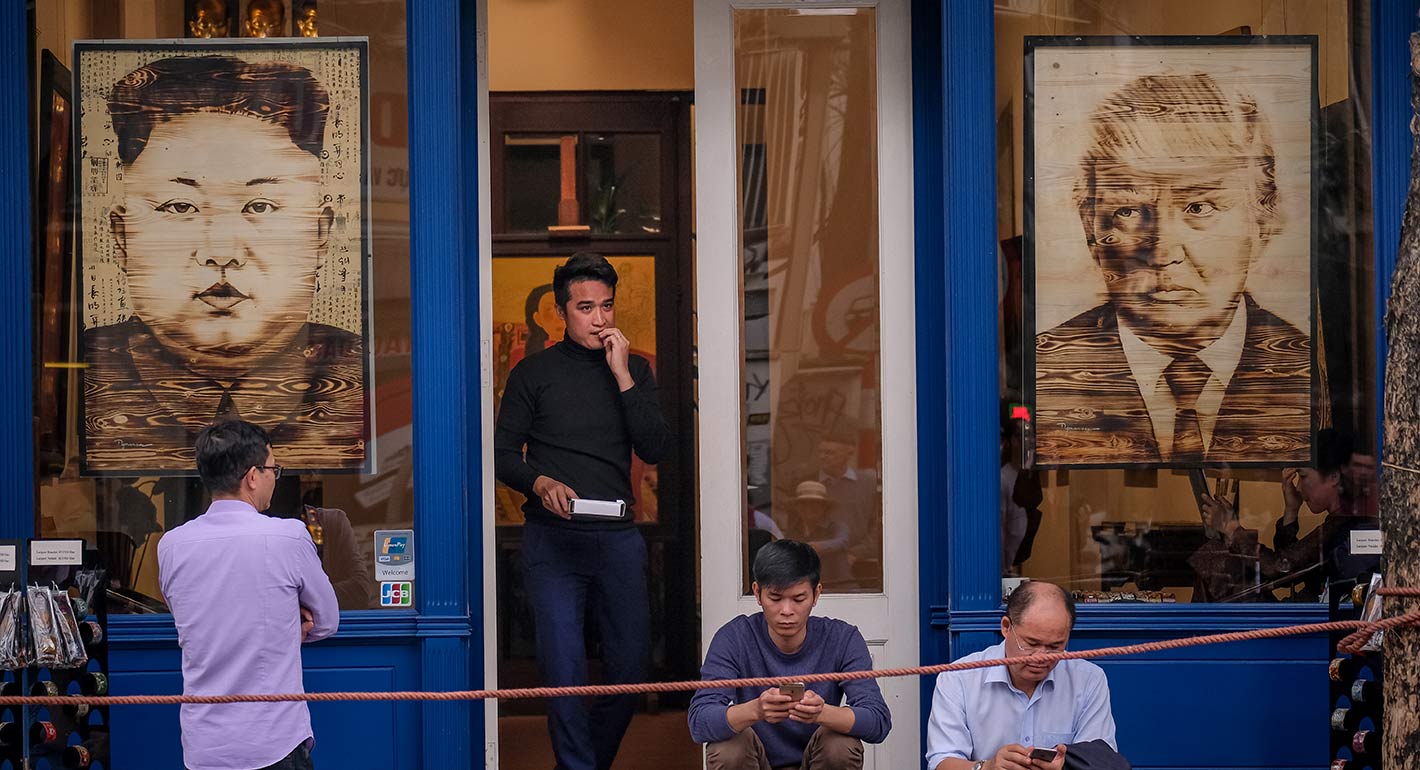
U.S. President Donald Trump’s meeting with North Korean leader Kim Jong Un has enfeebled an increasingly toothless military alliance between the U.S. and South Korea.
The good news is that U.S. President Donald Trump has walked away from a potentially disastrous deal with North Korea’s Kim Jong Un. The bad news is that Trump is unlikely to change his leadership style, downplay his negotiating prowess, or stop relying on his instincts to guide him through very treacherous waters.
More about what happened during the February 27–28 Hanoi summit will trickle out over the next several weeks. Trump’s national security team will assess lessons learned and strategize their next moves. Regardless of how Trump’s team opts to handle future negotiations with North Korea, however, Pyongyang has already made gains that will last through the end of Trump’s first term. What’s more, the actions of Trump and his South Korean counterpart, Moon Jae-in, have likely weakened South Korea’s security posture.
Three moments reaffirmed Trump’s signature tendencies. First, he continues to take autocrats and dictators at their word, which means there will always be inherent limitations in his dealings with them. He did this with Russian President Vladimir Putin when he accepted Putin’s word that Russia didn’t intervene in the 2016 U.S. presidential election. And Trump also believed Saudi Crown Prince Mohammad bin Salman when he claimed the royal family had nothing to do with the assassination of journalist Jamal Khashoggi.
In a remarkable press conference in Hanoi after the talks collapsed, Trump was asked if he asked Kim Jong Un about the torture and death of American college student Otto Wambier while he was a prisoner in North Korea. Trump replied that “[Kim] felt badly about it. I did speak to him. He felt very badly. But he knew the case very well, but he knew it later. And, you know, you got a lot of people. A big country. A lot of people. And in those prisons and those camps, you have a lot of people. And some really bad things happened to Otto. Some really, really bad things. But he tells me that he didn’t know about it, and I will take him at his word.”
Second, valuable information was provided by the same U.S. intelligence community that Trump consistently criticizes and berates. Trump stated that the North Korean side “were surprised that we knew” about the second uranium enrichment plant, intimating that he caught Kim off guard. As negotiations continue with North Korea over denuclearization, announcing an end of war statement, and initial steps toward normalization of relations, Trump is going to need every bit of real-time intelligence he can get it. Given that he instinctively disdains intelligence officials when their findings do not fit into his perception of reality, it’s critical to ask where else he will get his information from.
Third, Trump’s tendency to see relationships, including alliances, as transactional has already weakened the U.S. military presence and defense posture in South Korea. Trump said that he would maintain a freeze on U.S. military exercises in South Korea. He explained that “well, you know, the military exercises, I gave that up quite a while ago because it costs us $100 million every time we do it. . . . I was, sort of, of the opinion that South Korea should help us with that. You know, we’re protecting South Korea. I think they should help us with that. . . . And I’m not saying it’s not necessary, because at some levels it is, but at other levels, it’s not.” Just as risky, Moon Jae-in has already taken steps to tone down South Korea’s posture toward North Korea in an effort to placate Pyongyang by acting independently of the United States—although the North Korean military position remains unchanged.
Coupled with Trump’s obsession with squeezing every dollar from U.S. allies (in Asia or NATO) and his belief that military exercises are threatening and costly, the net result is that South Korea will be less able to respond effectively to North Korea’s growing nuclear arsenal. In the meantime, China’s leverage over North Korea—and, for that matter, over South Korea—will continue to grow, because Beijing, Pyongyang, and Seoul all want U.S. forces to start pulling out of South Korea and, over time, withdraw entirely. The South Korean government continues to say that it believes in a strong U.S.–South Korea alliance and that the U.S. forces in Korea are separate from ongoing nuclear talks. But in reality, by joining with Kim Jong Un to create a so-called irreversible peace regime, Seoul is already dancing to Pyongyang’s tune.
Senior Fellow, Asia Program
Chung Min Lee is a senior fellow in Carnegie’s Asia Program. He is an expert on Korean and Northeast Asian security, defense, intelligence, and crisis management.
Recent Work
Chung Min Lee
Carnegie does not take institutional positions on public policy issues; the views represented herein are those of the author(s) and do not necessarily reflect the views of Carnegie, its staff, or its trustees.
Congress should ask tough questions about the agreement’s more unique features and whether they advance U.S. interests or compromise them.

Jane Darby Menton

To remain effective, organizations need to master new media and legitimacy markers to make a once-in-a-century shift.
Renée DiResta, Rachel Kleinfeld, Margot Treadwell
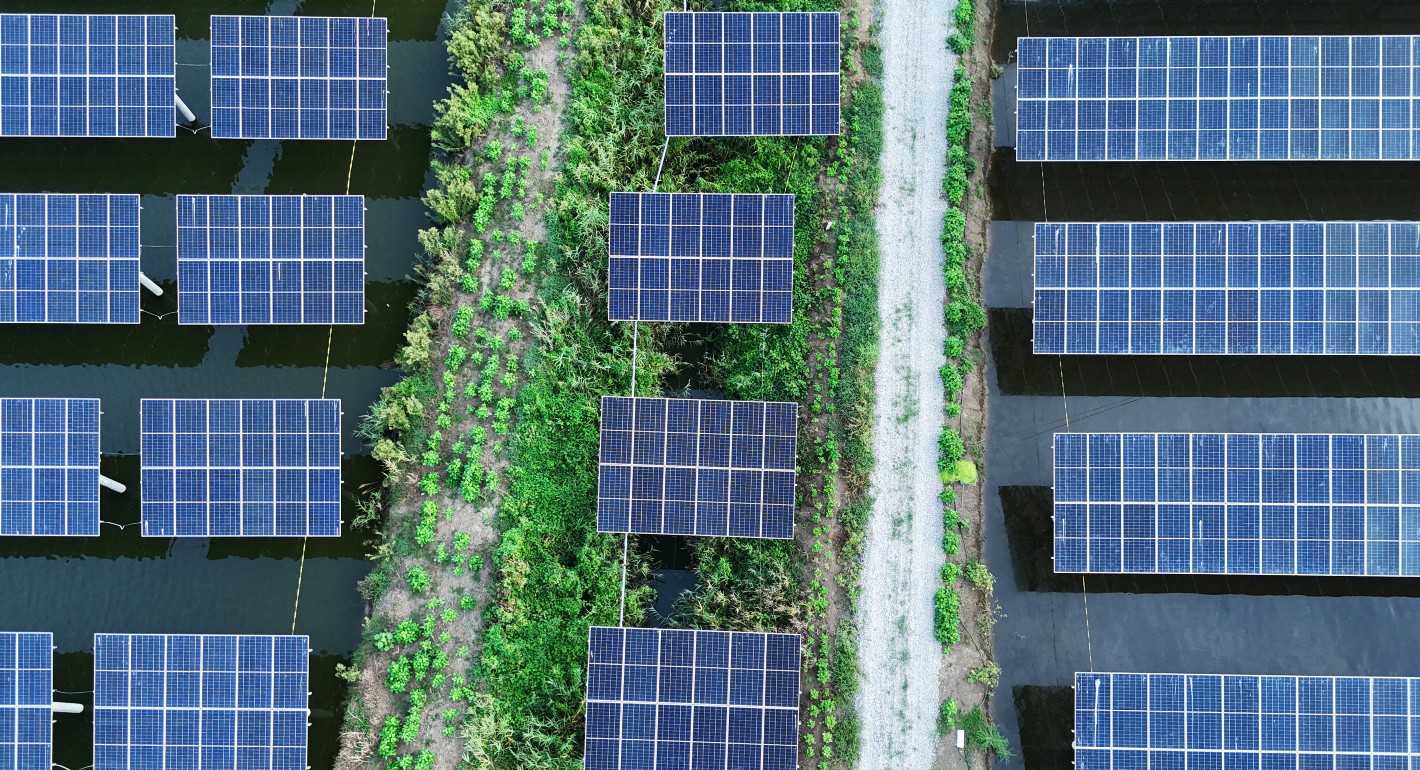
Congress needs to step up and make EXIM a low-carbon financing powerhouse.
Jesse Young
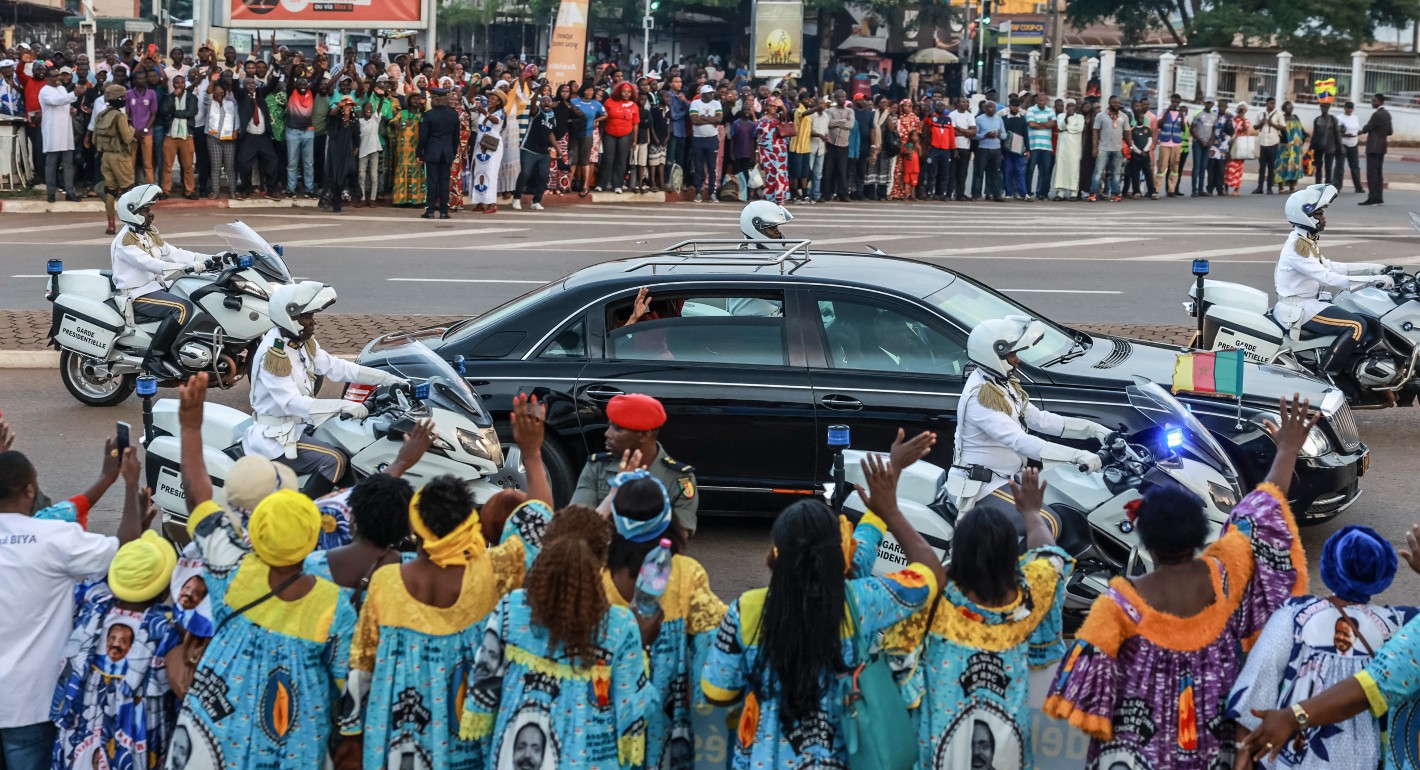
The ninety-three-year-old Biya’s absence and refusal to name a vice president threaten to upend domestic and regional stability.

Lesley Anne Warner

With the growth in points of friction between the great powers, organizations like the SCO will continue to play a role in the strategic adaptation of the smaller powers caught between them.

Temur Umarov