

In The Media
Jessica Tuchman Mathews
{
  "authors": [
    "Jessica Tuchman Mathews"
  ],
  "type": "legacyinthemedia",
  "centerAffiliationAll": "",
  "centers": [
    "Carnegie Endowment for International Peace"
  ],
  "collections": [],
  "englishNewsletterAll": "",
  "nonEnglishNewsletterAll": "",
  "primaryCenter": "Carnegie Endowment for International Peace",
  "programAffiliation": "",
  "programs": [],
  "projects": [],
  "regions": [
    "North America",
    "United States",
    "East Asia",
    "North Korea"
  ],
  "topics": [
    "Security",
    "Foreign Policy",
    "Nuclear Policy",
    "Global Governance"
  ]
}
Source: Getty
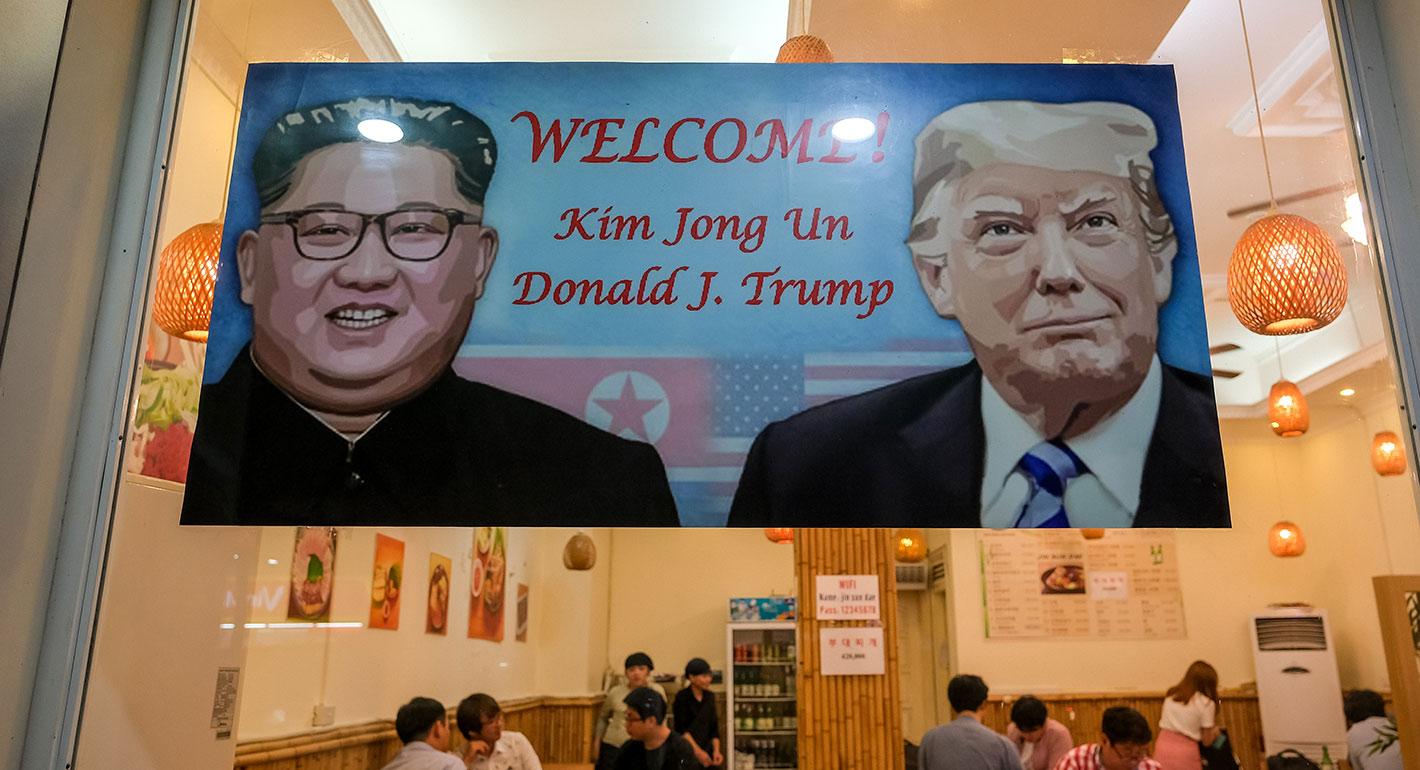
Shortly after the success of The Art of the Deal (1987) made Donald Trump a supposed expert on negotiation, he lobbied the George H.W. Bush administration to put him in charge of arms reduction talks with the Soviet Union.
Source: New York Review of Books
Shortly after the success of The Art of the Deal (1987) made Donald Trump a supposed expert on negotiation, he lobbied the George H.W. Bush administration to put him in charge of arms reduction talks with the Soviet Union. The position went instead to Richard Burt, an experienced diplomat and arms control expert. When the two men met at a New York social event, Trump pulled Burt aside to tell him what he would have done—and what Burt should do—to start off the negotiations. Greet the Soviets warmly, he said. Let the delegation get seated and open their papers. Then stand up, put your knuckles on the table, lean over, say “Fuck you,” and walk out of the room.
This article was originally published by the New York Review of Books.

Distinguished Fellow
Mathews is a distinguished fellow at the Carnegie Endowment for International Peace. She served as Carnegie’s president for 18 years.
Recent Work
Jessica Tuchman Mathews
Jessica Tuchman Mathews
Carnegie does not take institutional positions on public policy issues; the views represented herein are those of the author(s) and do not necessarily reflect the views of Carnegie, its staff, or its trustees.
The truth of the strategic situation is that Europe and Russia are extremely unlikely to be able to “turn the page” on their confrontation within the next two decades.
Arkady Moshes

Despite public disputes over trade and immigration, the strategic partnership’s foundations remain sturdy.

Sameer Lalwani

It signals a new era of tech diffusion and warfare.

Steve Feldstein

With its public finances in shambles, the far right polling at 35 percent ahead of the 2027 presidential election, and a growing protest movement, is France’s crisis a threat to the EU’s geopolitical awakening?

Rym Momtaz, ed.
International law has a PR problem.

Federica Du Pasquier, Oona A. Hathaway, Stewart Patrick