• Research
  • Emissary
  • About
  • Experts
Carnegie Global logoCarnegie lettermark logo
DemocracyIran
  • Donate
{
  "authors": [
    "Rose Gottemoeller",
    "Anatoly Antonov"
  ],
  "type": "legacyinthemedia",
  "centerAffiliationAll": "dc",
  "centers": [
    "Carnegie Endowment for International Peace"
  ],
  "collections": [
    "U.S. Nuclear Policy"
  ],
  "englishNewsletterAll": "ctw",
  "nonEnglishNewsletterAll": "",
  "primaryCenter": "Carnegie Endowment for International Peace",
  "programAffiliation": "NPP",
  "programs": [
    "Nuclear Policy"
  ],
  "projects": [],
  "regions": [
    "North America",
    "United States",
    "Russia"
  ],
  "topics": [
    "Economy",
    "Security",
    "Foreign Policy",
    "Nuclear Policy"
  ]
}

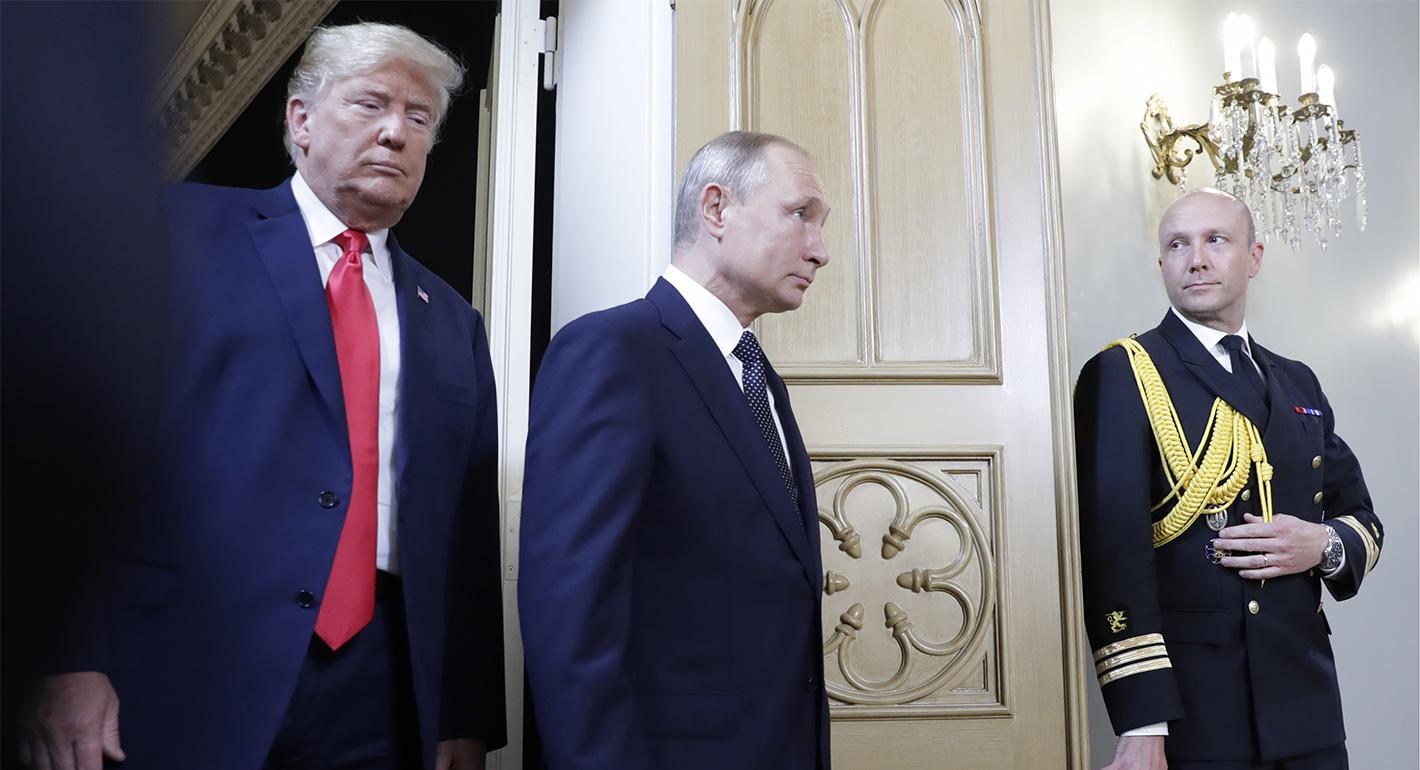
Source: Getty

In The Media

Keeping Peace in the Nuclear Age

New START has played a central role in keeping the peace and preventing a dangerous arms race between the two countries that together possess 90 percent of the world’s nuclear weapons.

Link Copied
By Rose Gottemoeller and Anatoly Antonov
Published on Apr 29, 2020
Program mobile hero image

Program

Nuclear Policy

The Nuclear Policy Program aims to reduce the risk of nuclear war. Our experts diagnose acute risks stemming from technical and geopolitical developments, generate pragmatic solutions, and use our global network to advance risk-reduction policies. Our work covers deterrence, disarmament, arms control, nonproliferation, and nuclear energy.

Learn More

Source: Foreign Affairs

Ten years ago, the United States and Russia signed the New START treaty—a nuclear arms control agreement that we, as the heads of our governments’ respective delegations, helped negotiate. Since then, New START has played a central role in keeping the peace and preventing a dangerous arms race between the two countries that together possess 90 percent of the world’s nuclear weapons.

Read the Full Text

This article was orignally published by Foreign Affairs.

About the Authors

Rose Gottemoeller

Nonresident Senior Fellow, Nuclear Policy Program

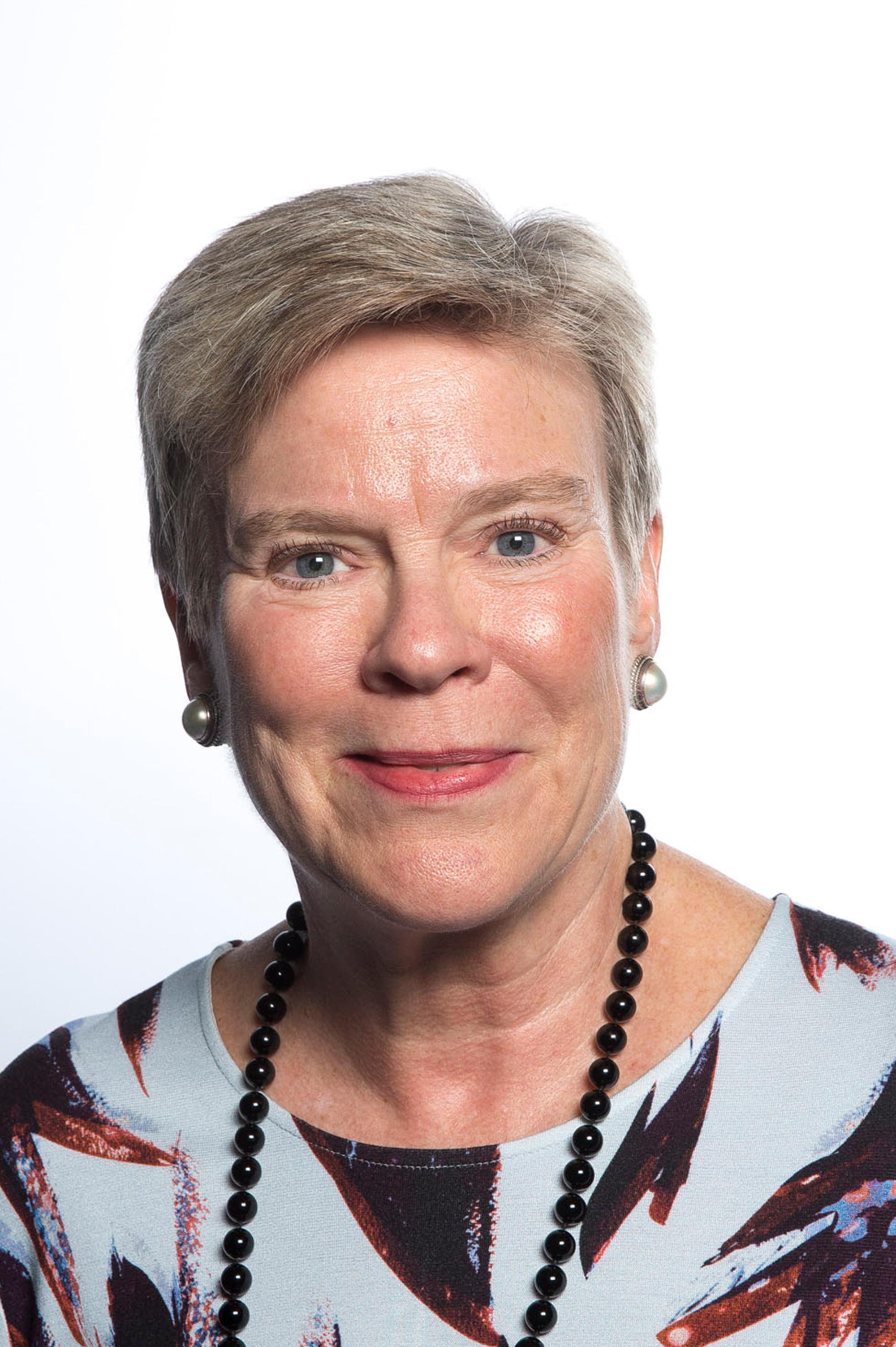
Rose Gottemoeller is a nonresident senior fellow in Carnegie’s Nuclear Policy Program. She also serves as lecturer at Stanford University’s Freeman Spogli Institute for International Studies and is a research fellow at the Hoover Institution. Ambassador Gottemoeller served as the deputy secretary general of NATO from 2016 to 2019. 

Anatoly Antonov

Anatoly Antonov is Russian Ambassador to the United States. He was Russia’s Deputy Foreign Minister from 2016 to 2017 and Deputy Defense Minister from 2011 to 2016.

Authors

Rose Gottemoeller
Nonresident Senior Fellow, Nuclear Policy Program
Rose Gottemoeller
Anatoly Antonov

Anatoly Antonov is Russian Ambassador to the United States. He was Russia’s Deputy Foreign Minister from 2016 to 2017 and Deputy Defense Minister from 2011 to 2016.

EconomySecurityForeign PolicyNuclear PolicyNorth AmericaUnited StatesRussia

Carnegie does not take institutional positions on public policy issues; the views represented herein are those of the author(s) and do not necessarily reflect the views of Carnegie, its staff, or its trustees.

More Work from Carnegie Endowment for International Peace

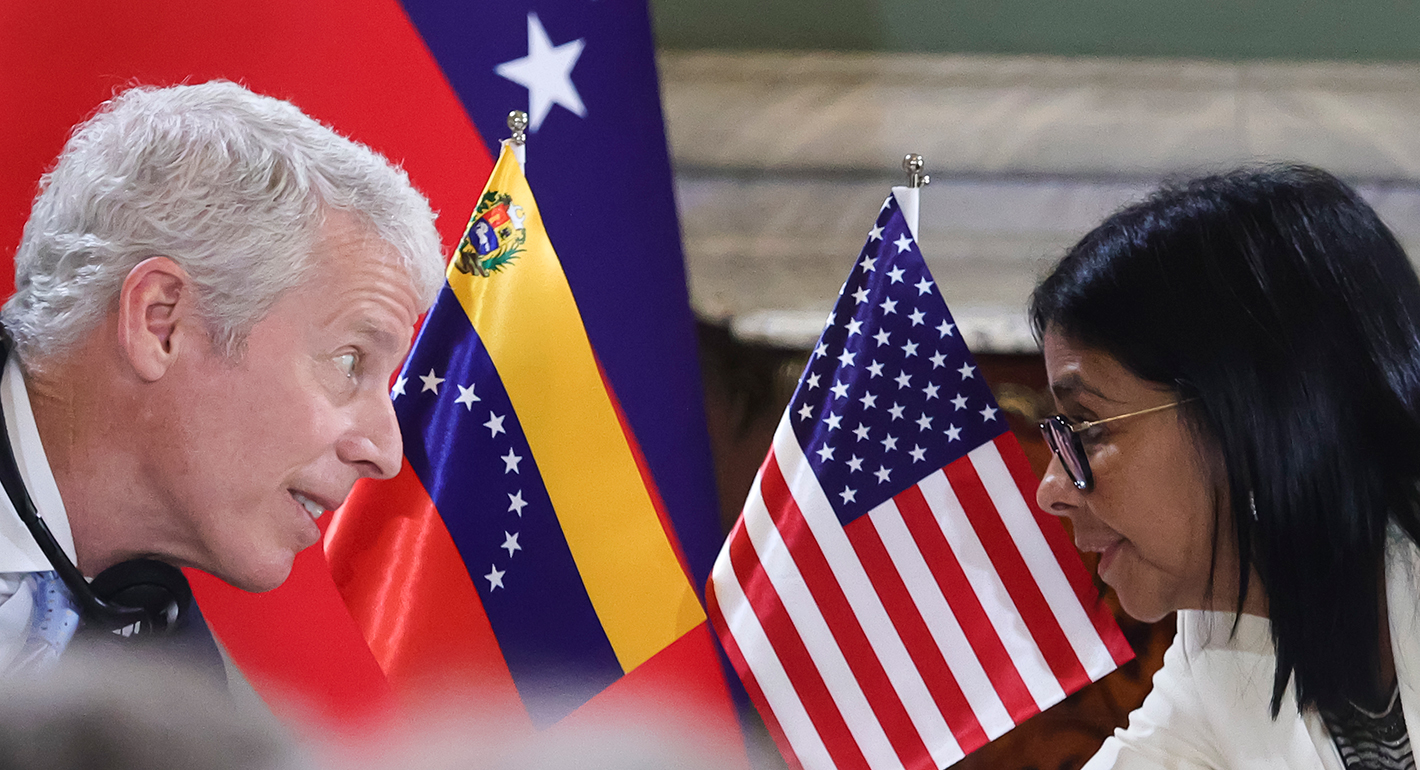
  • .S. Secretary of Energy Chris Wright speaks with Venezuela's interim president, Delcy Rodríguez during a press conference regarding the oil agreement reached by the US government and Venezuela on September 2, 2026 in Caracas, Venezuela.
    Paper
    Recasting American Power in Latin America

    Washington needs to recognize that influence in the Western Hemisphere comes from presence, delivery, and reliability. It also must recognize that while the United States remains the key external actor, it no longer operates in a permissive environment and cannot presume deference from regional players who have other options, namely China.

      Juan S. Gonzalez

  • Commentary
    Carnegie Politika
    Have U.S.-Belarusian Negotiations Stalled?

    Minsk clearly expected the dialogue with Washington to yield more results, in particular the lifting of EU sanctions and permission to export potash.

      Artyom Shraibman

  • Ukraine Russia Black Sea Food
    Commentary
    Strategic Europe
    A Black Sea Truce Is About Global Food Security, Too

    A summer of escalation in the Black Sea has hurt Ukraine economically and is exacerbating world food security. A truce is needed—as is a broader reframing of Europe’s Ukraine strategy.

      Thomas de Waal

  • Commentary
    Diwan
    Three Ruptures and the End of Pax Americana in the Middle East

    As the U.S. stumbles in its war with Iran, we are likely to see an acceleration of its disengagement from the region.  

      Michael Young

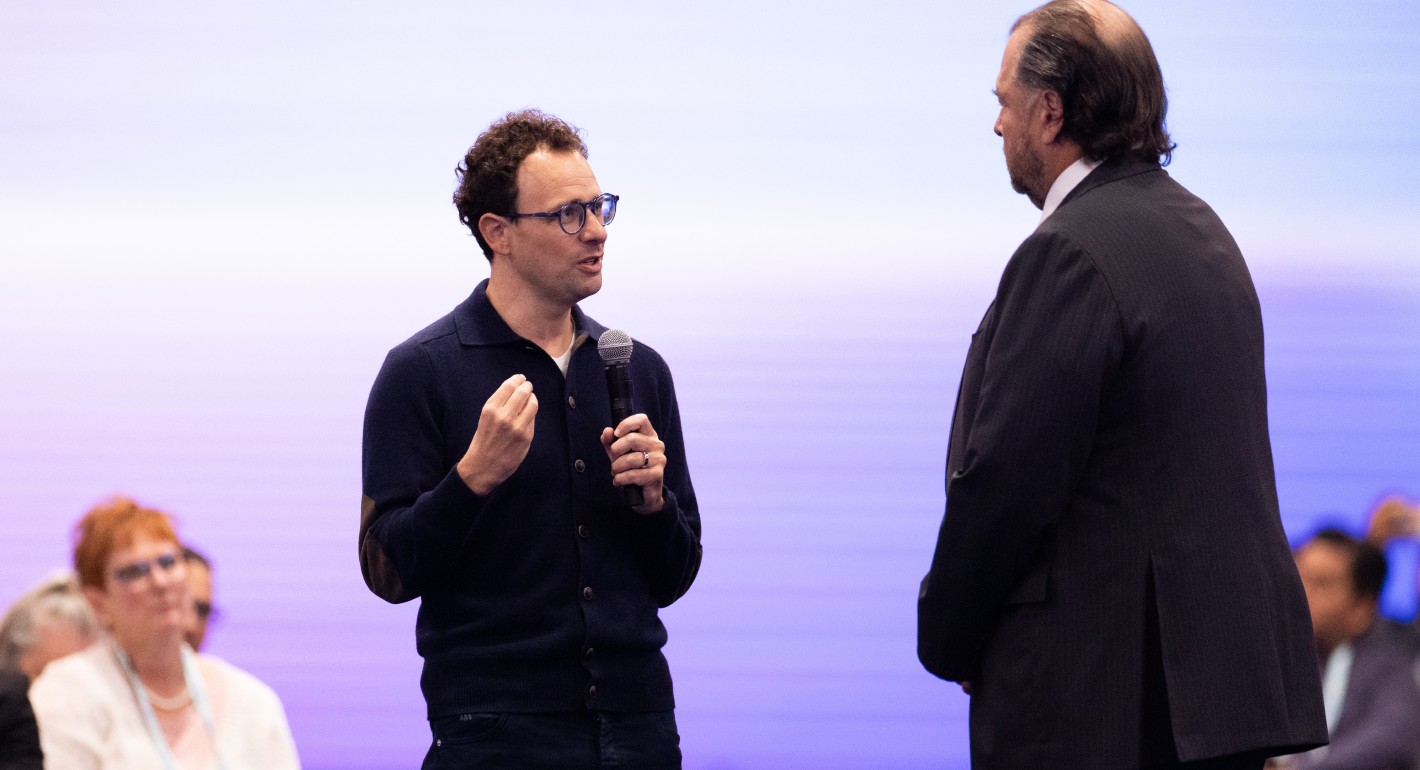
  • Two men speaking
    Commentary
    Emissary
    Who Puts Guardrails on AI?

    Why governance of rapidly evolving technology will be distributed and complex.

      Stewart Patrick, Scott Singer

Get more news and analysis from
Carnegie Endowment for International Peace
Carnegie global logo, stacked
1779 Massachusetts Avenue NWWashington, DC, 20036-2103Phone: 202 483 7600
  • Research
  • Emissary
  • About
  • Experts
  • Donate
  • Programs
  • Events
  • Blogs
  • Podcasts
  • Contact
  • Annual Reports
  • Careers
  • Privacy
  • For Media
  • Government Resources
Get more news and analysis from
Carnegie Endowment for International Peace
© 2026 Carnegie Endowment for International Peace. All rights reserved.