• Research
  • Emissary
  • About
  • Experts
Carnegie Global logoCarnegie lettermark logo
DemocracyIran
  • Donate
{
  "authors": [
    "David Whineray"
  ],
  "type": "other",
  "centerAffiliationAll": "dc",
  "centers": [
    "Carnegie Endowment for International Peace"
  ],
  "collections": [],
  "englishNewsletterAll": "ctw",
  "nonEnglishNewsletterAll": "",
  "primaryCenter": "Carnegie Endowment for International Peace",
  "programAffiliation": "EP",
  "programs": [
    "Europe"
  ],
  "projects": [],
  "regions": [
    "North America",
    "United States",
    "East Asia",
    "China",
    "Iran"
  ],
  "topics": [
    "Political Reform",
    "Democracy",
    "Foreign Policy"
  ]
}
Source: Getty

Other

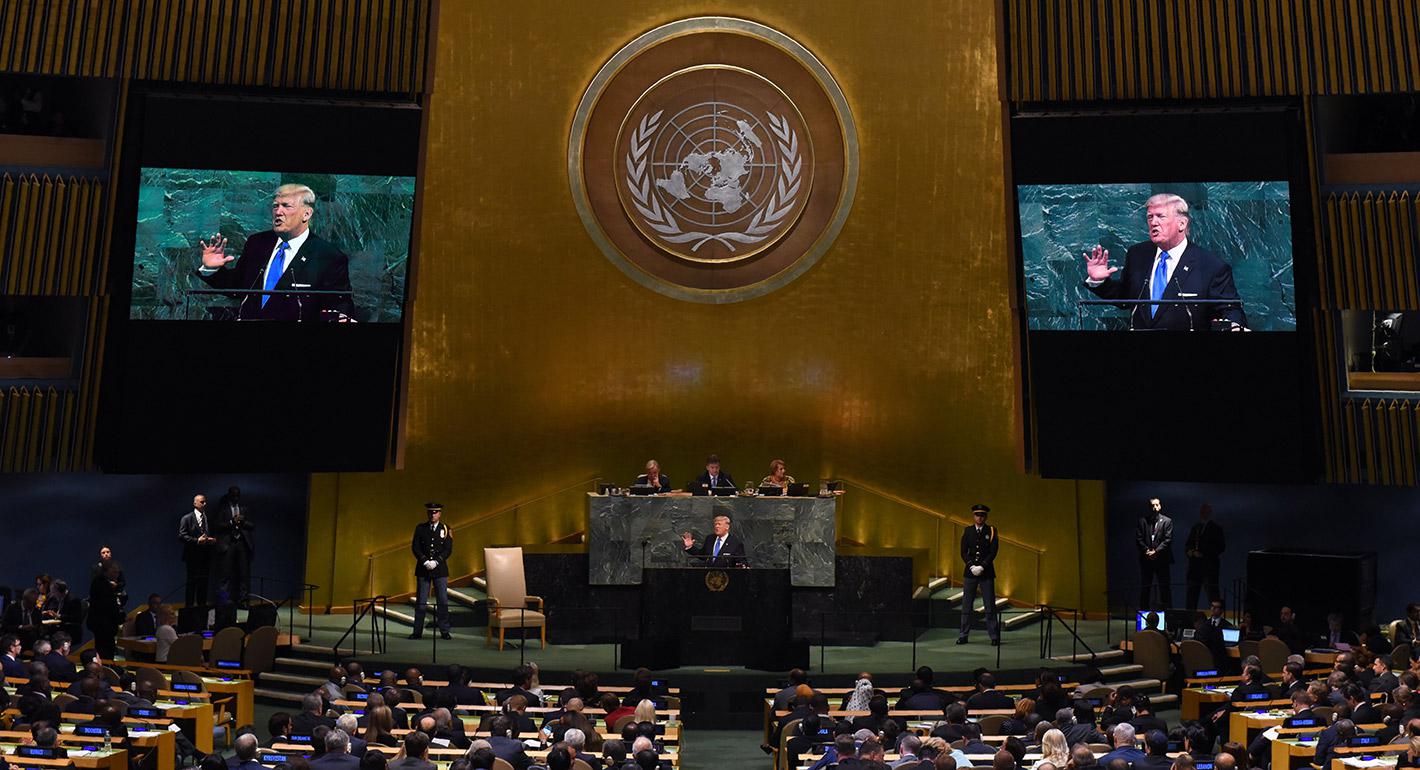
The G2 at the UN: The United States and the People’s Republic of China at the United Nations Before COVID-19

The role and powers of the World Health Organization (WHO), for example, have emerged as a canvas onto which a variety of actors have projected their visions of the future of multilateralism.

Link Copied
By David Whineray
Published on May 1, 2020
Program mobile hero image

Program

Europe

The Europe Program in Washington explores the political and security developments within Europe, transatlantic relations, and Europe’s global role. Working in coordination with Carnegie Europe in Brussels, the program brings together U.S. and European policymakers and experts on strategic issues facing Europe.

Learn More

Source: United Nations Center for Policy Research

Events surrounding the COVID-19 crisis have brought into focus the extent to which multilateralism generally, and the United Nations specifically, will be a central theatre for engagement between the United States and China in the years ahead. The role and powers of the World Health Organization (WHO), for example, have emerged as a canvas onto which a variety of actors have projected their visions of the future of multilateralism. However, to see how these engagements will play out, it is important to first have an understanding of the deeper, longerterm trendlines regarding US-China engagement at the UN before COVID-19 hit. This study aims to assist in providing that context.

Read the Full Text

This article was originally published by the Financial Times.

About the Author

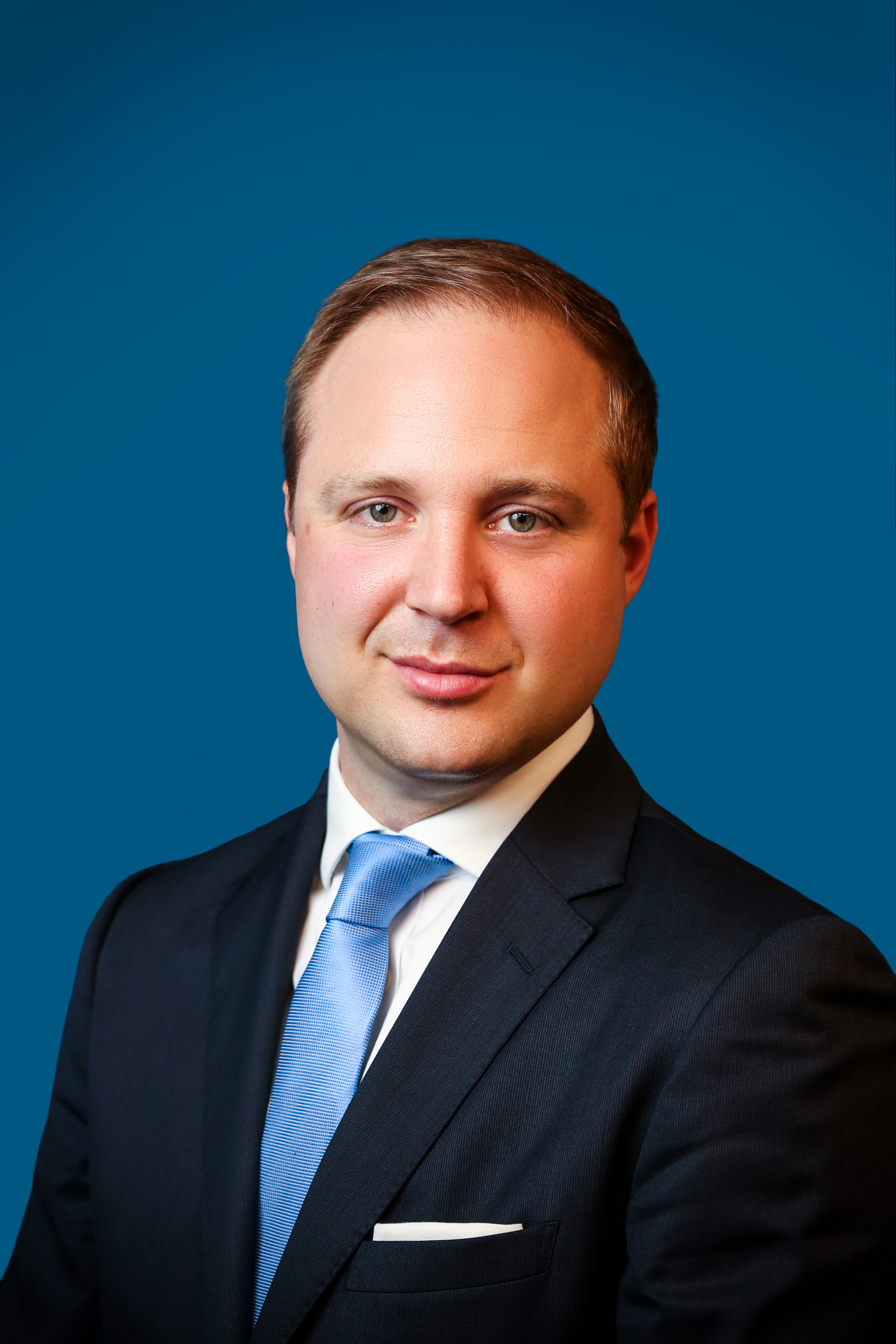
David Whineray

Former Nonresident Fellow, Europe Program

David Whineray was a nonresident fellow in the Europe Program at the Carnegie Endowment for International Peace in Washington, DC.

    Recent Work
  • Article
    How Europe Views Transatlantic Relations Ahead of the 2020 U.S. Election

      Erik Brattberg, David Whineray

  • Commentary
    The Pros and Cons of a European Security Council

      David Whineray

David Whineray
Former Nonresident Fellow, Europe Program
Political ReformDemocracyForeign PolicyNorth AmericaUnited StatesEast AsiaChinaIran

Carnegie does not take institutional positions on public policy issues; the views represented herein are those of the author(s) and do not necessarily reflect the views of Carnegie, its staff, or its trustees.
More Work from Carnegie Endowment for International Peace

  • Commentary
    Diwan
    Pushing Beirut into an Armed Conflict With Hezbollah Is Insane

    The party’s domestic and regional roles have changed, so Lebanon should devise a disarmament strategy that encompasses this.

      Michael Young

  • Article
    Continental Asia and the Rise of Portfolio Politics

    “Central Asia” as an analytical category is itself part of the problem. The term is a Soviet administrative inheritance, drawn along lines that served the convenience of Moscow. The Central Asian states the Soviets named no longer see themselves through this category alone and are not aligning across political blocs but are instead building external partnerships sector by sector, assigning different partners to different functions.

      Jennifer B. Murtazashvili

  • Members of the National Democratic Alliance (NDA) attend a meeting along with Bhartiya Janta Party (BJP) President Amit Shah and Indian designated Prime Minister Narendra Modi (C) at the central hall of the parliament, in New Delhi on May 25, 2019.
    Paper
    Delimitation After Defeat: India’s Unfinished Debate Over Representation

    The battle over representation and regional power has been delayed—not resolved—and will shape the future of India’s federal balance.

      • Louise Tillin
      • Andy Robaina

      Louise Tillin, Milan Vaishnav, Andy Robaina

  • San Francisco Skyline
    Paper
    California’s Global Trade Cities: Driving Local and National Outcomes

    Cities across the United States facilitate investment in American communities. Yet, because global attention remains focused on U.S. trade policy, their distinctive and bold local approaches to international trade and investment promotion are often underappreciated.

      • Wyatt Frank
      • Marissa Jordan

      Wyatt Frank, Marissa Jordan

  • Commentary
    The Unresolved Challenges in U.S.–India Semiconductor Cooperation

    The U.S.–India semiconductor cooperation story is well-stocked with top-level strategic intent. What remains unresolved, however, are some underlying challenges that will determine whether the cooperation actually functions. Three such friction points stand out.

      Shruti Mittal

Get more news and analysis from
Carnegie Endowment for International Peace
Carnegie global logo, stacked
1779 Massachusetts Avenue NWWashington, DC, 20036-2103Phone: 202 483 7600
  • Research
  • Emissary
  • About
  • Experts
  • Donate
  • Programs
  • Events
  • Blogs
  • Podcasts
  • Contact
  • Annual Reports
  • Careers
  • Privacy
  • For Media
  • Government Resources
Get more news and analysis from
Carnegie Endowment for International Peace
© 2026 Carnegie Endowment for International Peace. All rights reserved.