

Q&A
Paul Haenle, Philippe Le Corre
{
  "authors": [
    "Philippe Le Corre"
  ],
  "type": "other",
  "centerAffiliationAll": "dc",
  "centers": [
    "Carnegie Endowment for International Peace"
  ],
  "collections": [],
  "englishNewsletterAll": "asia",
  "nonEnglishNewsletterAll": "",
  "primaryCenter": "Carnegie Endowment for International Peace",
  "programAffiliation": "AP",
  "programs": [
    "Asia"
  ],
  "projects": [],
  "regions": [
    "East Asia",
    "China",
    "Western Europe"
  ],
  "topics": [
    "Foreign Policy"
  ]
}
Source: Getty
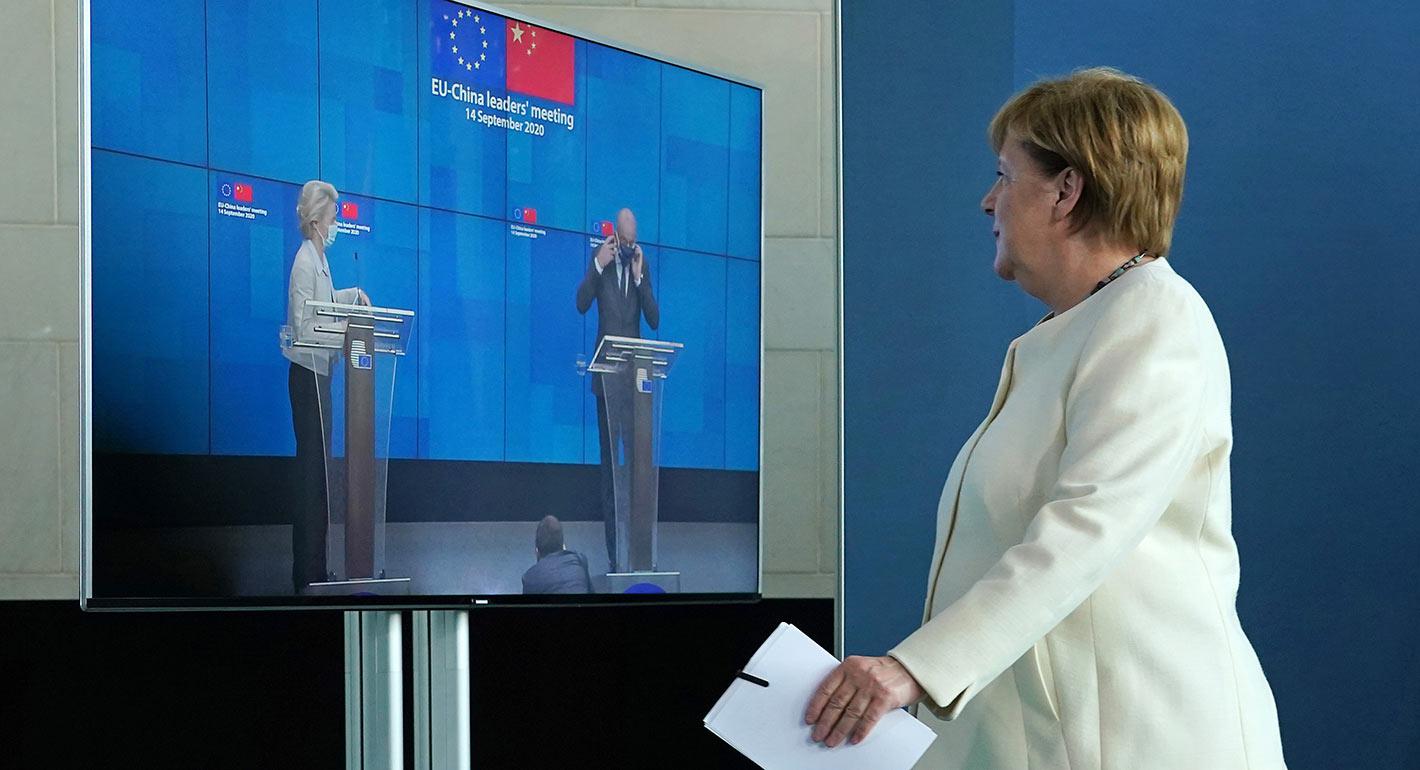
Despite China’s apparent enthusiasm, the “year of Sino-European friendship” has brought more challenges than successes, due to a mix of promise fatigue on the European side; growing Chinese assertiveness on the international stage; and increasing Chinese propaganda and controversies around the Covid-19 pandemic.
Source: Echo Wall
Both China and the European Union enjoy anniversary years, and 2020, marking the 45th anniversary of their diplomatic relations, was meant to be a special one. From early 2019, Chinese government think-tanks and media started publishing lengthy reports on the state of the EU and its members, praising a flourishing bilateral relationship and calling for further steps. Chinese analysts were especially keen on stressing that relations with China’s largest export market were at their height – quite unlike the Sino-American relationship, which had sunk into acrimony under the Trump administration.
Despite China’s apparent enthusiasm, the “year of Sino-European friendship” has brought more challenges than successes, due to a mix of promise fatigue on the European side (with regard to a better access to the Chinese market for European companies in particular); growing Chinese assertiveness on the international stage; and increasing Chinese propaganda and controversies around the Covid-19 pandemic. In addition, Europeans have started to realize that China is not just an aspiring global power, it has become one. President Xi Jinping’s assertion that, “This new era will see China moving closer to center stage and making greater contributions to mankind,” has turned into reality. China has in fact already moved to center stage. In a year marked by a global pandemic, however, China’s double approach towards the EU and its members has thus far been unsuccessful.
Former Nonresident Senior Fellow, Europe Program
Philippe Le Corre was a nonresident senior fellow in the Europe Program at the Carnegie Endowment for International Peace.
Recent Work

Paul Haenle, Philippe Le Corre

Erik Brattberg, Philippe Le Corre, Paul Stronski, …
Carnegie does not take institutional positions on public policy issues; the views represented herein are those of the author(s) and do not necessarily reflect the views of Carnegie, its staff, or its trustees.
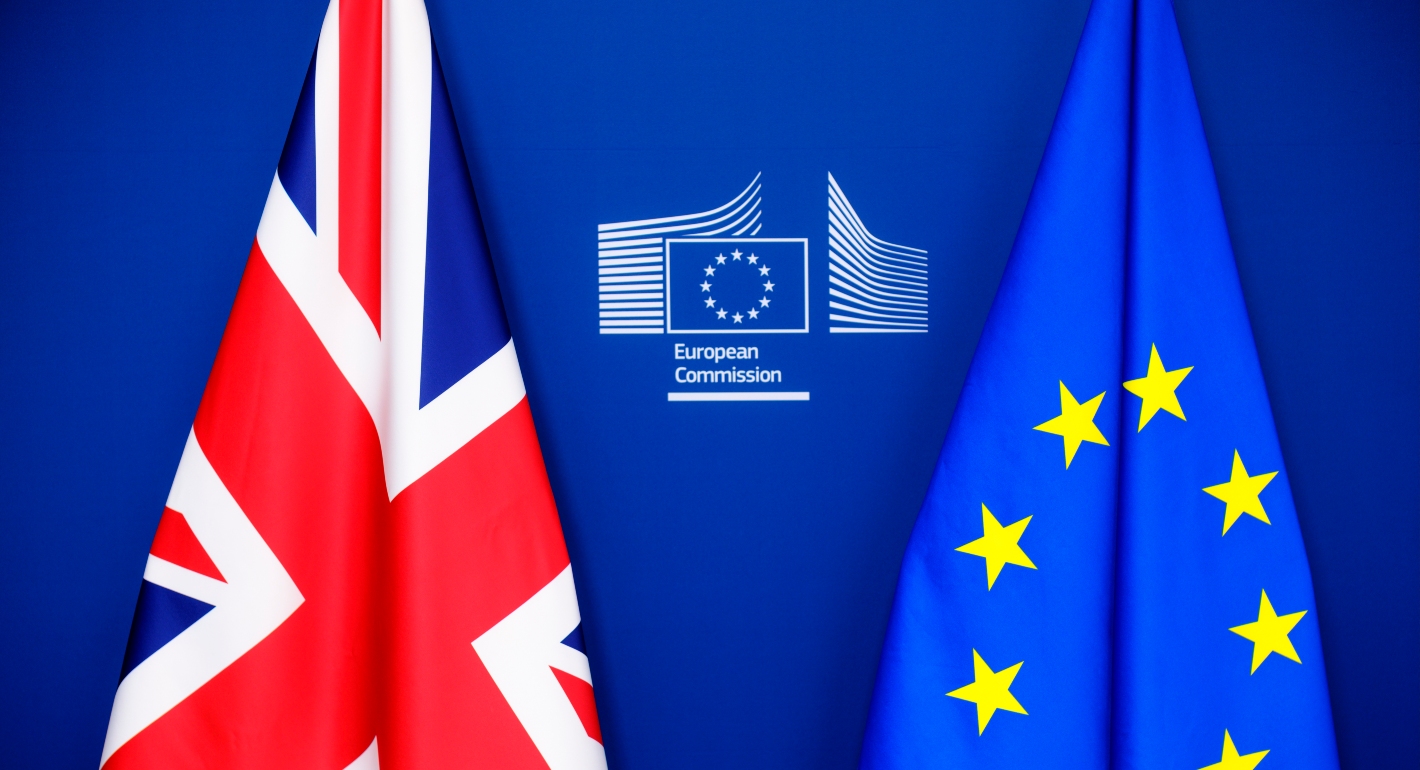
Closer EU-UK ties could help address urgent European concerns. But is the EU ready for rapprochement with the United Kingdom?

Rym Momtaz, ed.
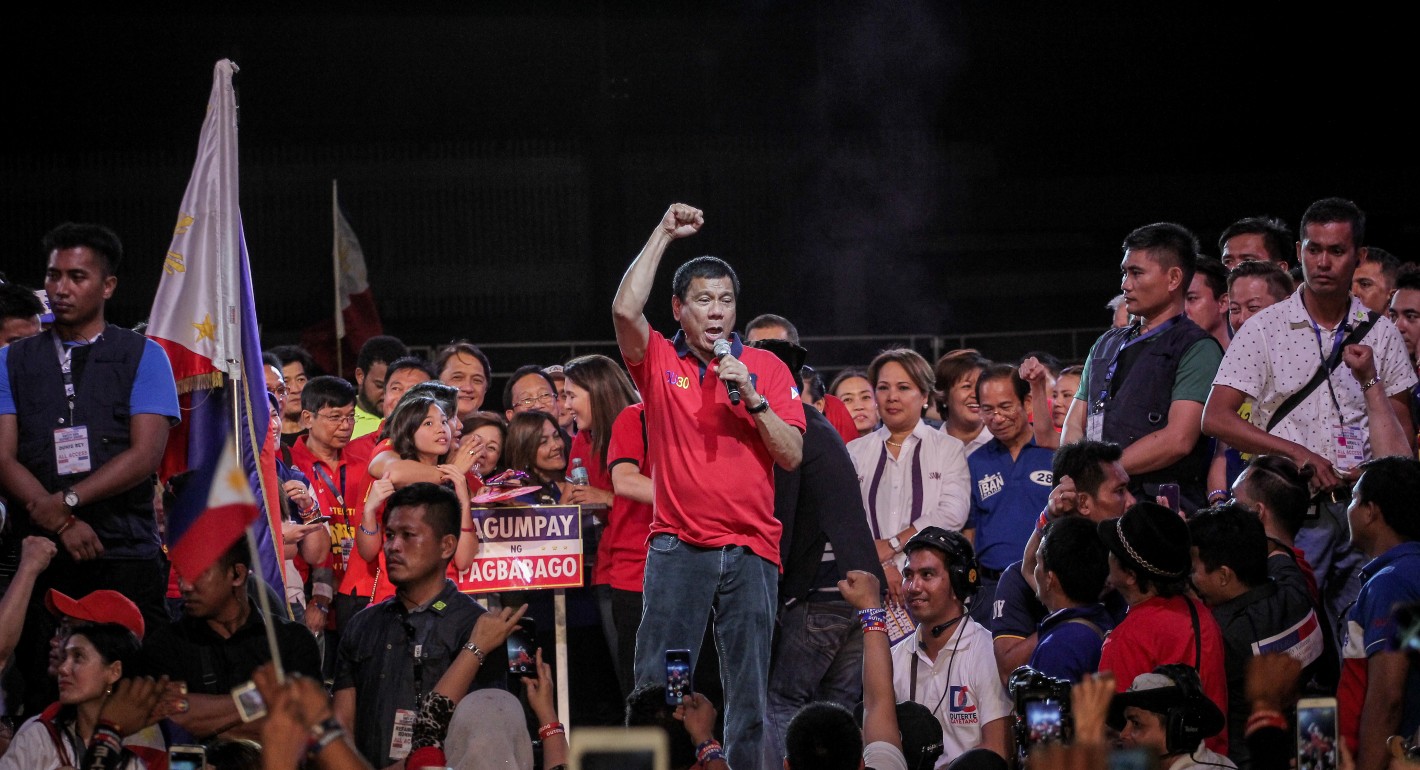
In the Philippines, Duterte-era discourse emphasizing sovereignty, anti-Western skepticism, and strongman diplomacy mirrors tenets of populist foreign policy around the world.
Aries A. Arugay
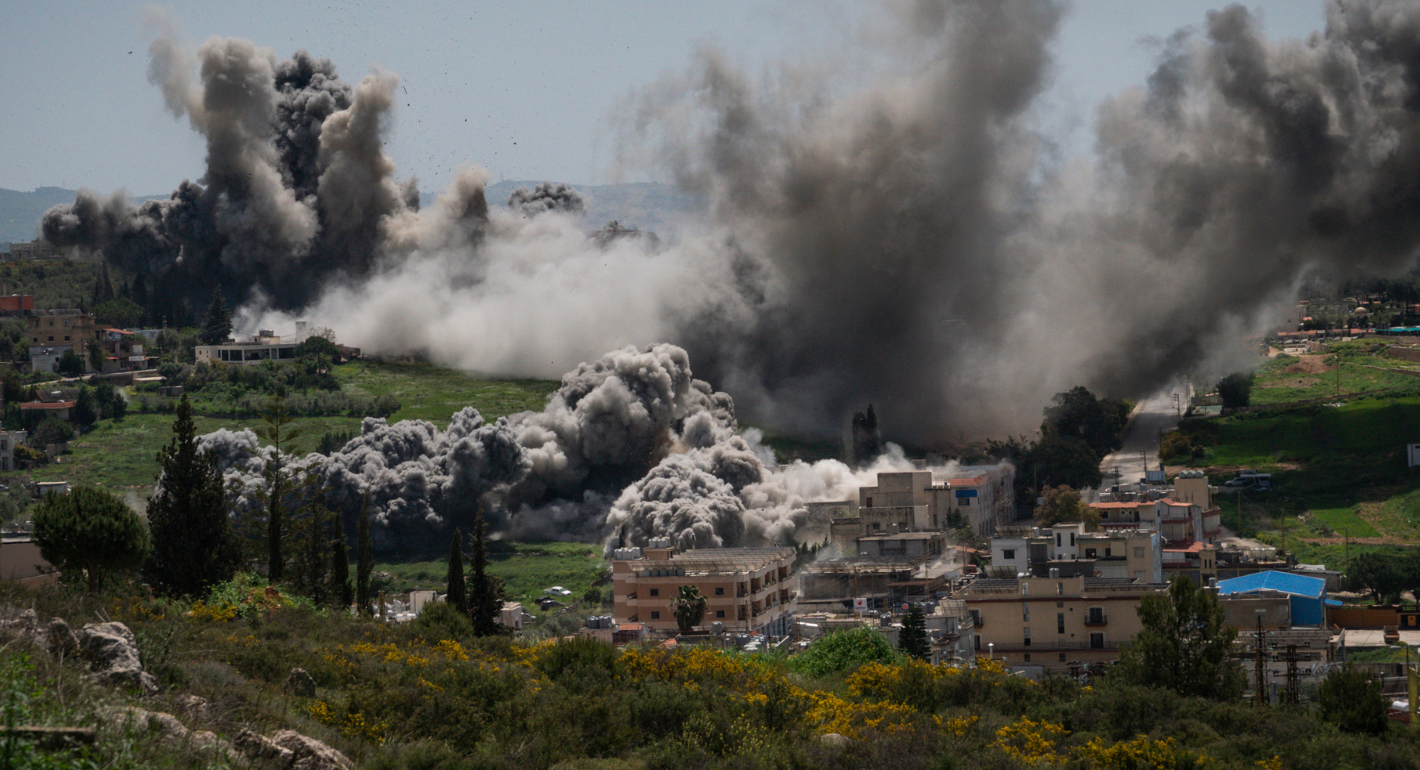
Europe has been standing by while its Southern neighborhood is being redrawn by force. To establish a path to peace between Israel and Lebanon, it’s time for Europeans to get involved with hard power.
Rym Momtaz
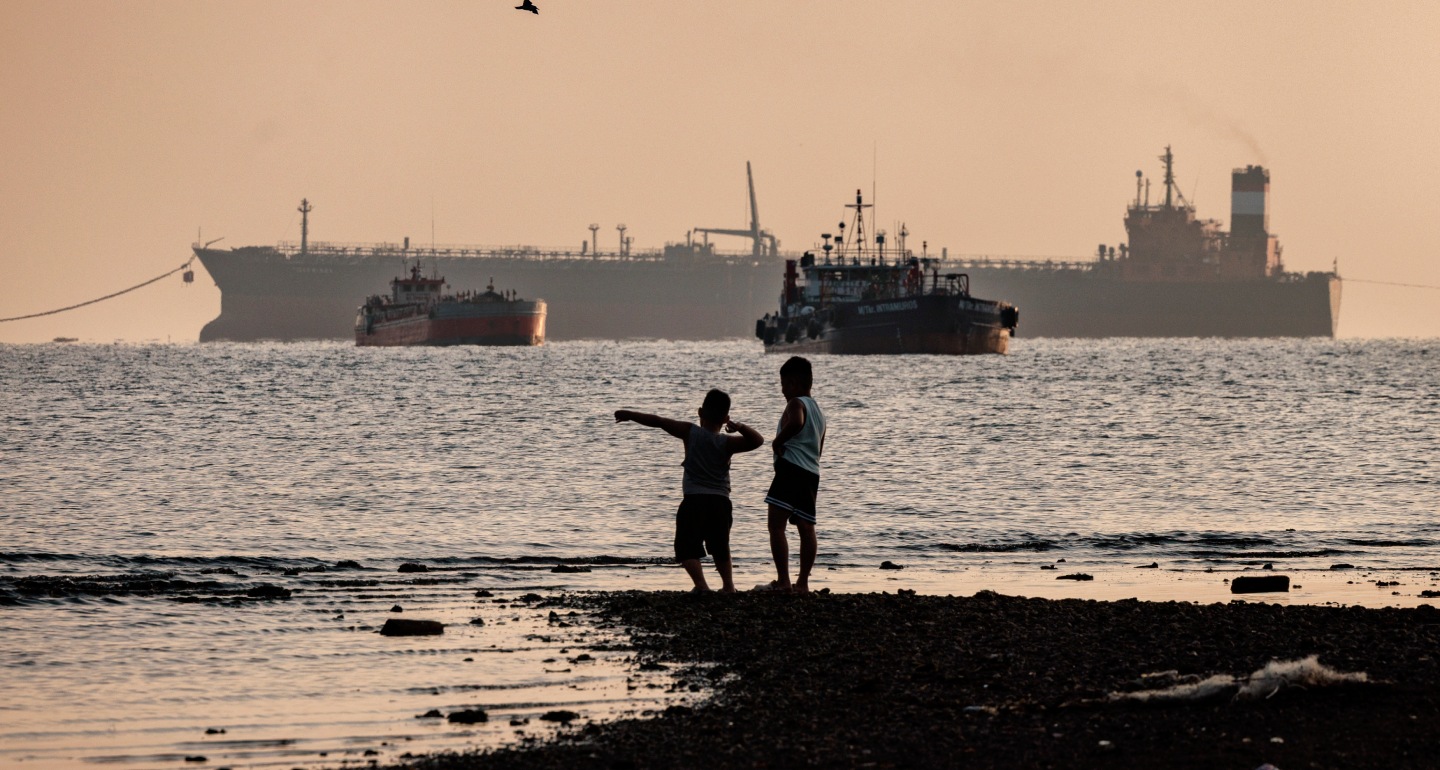
Although Ukrainian strikes have led to a noticeable decline in the physical volume of Russian oil exports, the rise in prices has more than made up for it.

Sergey Vakulenko
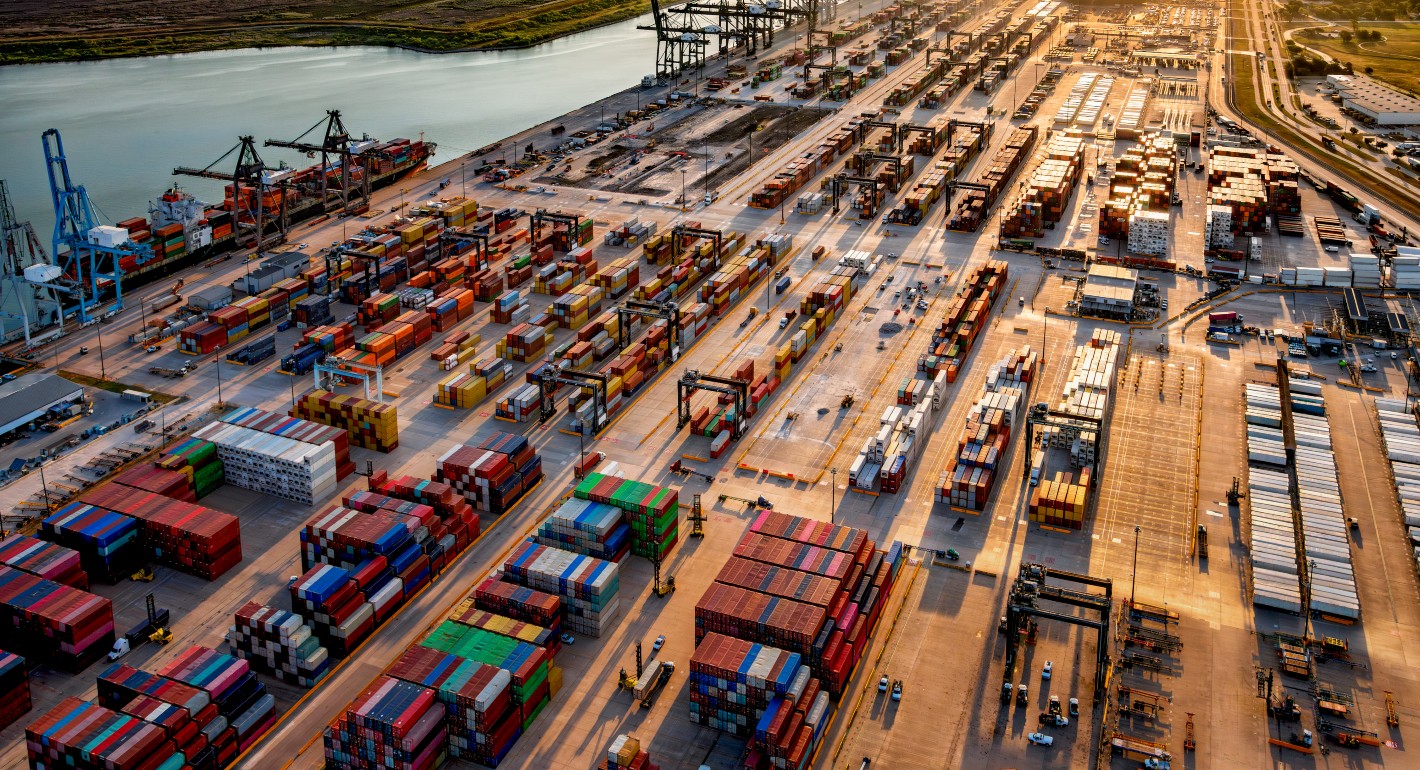
Five problems—and solutions—to make it actually work as a tool of great power competition.

Afreen Akhter