What's driving all the conspiracies and disinformation around Hurricanes Helene and Milton?
We don’t yet have analysis of these storms, but it’s clear from past incidents that foreign adversaries have figured out that disasters are fertile ground to undermine faith in government and divide Americans. Former president Donald Trump has added to and amplified these claims, which have spread via platforms such as X.
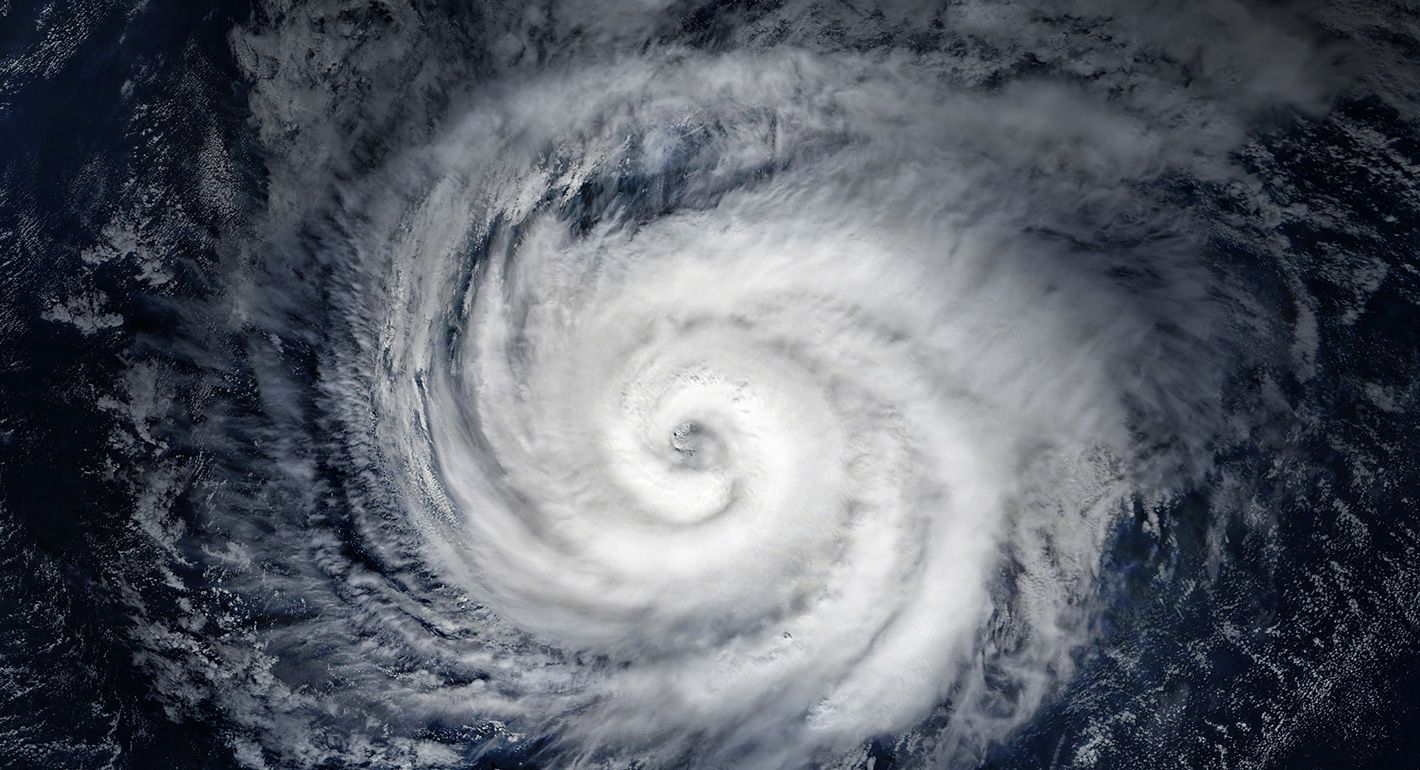
After the 2023 wildfires in Hawaii, China ran a disinformation campaign that pushed the falsehood that the fires were caused by a government-funded “weather weapon.” This sounds very similar to the current conspiracy theory that Helene was engineered by the government, though the origin of the falsehood remains unknown. (To be clear, Helene was the result of warm air and warm water combining offshore.)
After the 2023 train derailment in Ohio, Russia ran a campaign through X-verified bots that falsely claimed that the United States was sending social services to Ukraine before Ohio and that scientists en route to the disaster site had been killed in a plane crash. This campaign echoes in many of the wildly untrue rumors currently circulating on social media, including that the Federal Emergency Management Agency (FEMA) is blocking or seizing aid in North Carolina.
So I don’t think Helene and Milton are unusual in attracting this attention. Instead, they’re such significant storms that they are absolutely dominating the news in a way that’s increasingly rare in our media environment. As Amy Westervelt wrote in her Drilled newsletter, “All a conspiracy has to do is the thing that scientists and facts and figures cannot: tap into the fear and desperation people are feeling and give them a target to hurl it at.” People feel alone and scared when facing disasters, and there's clearly a playbook to move into that space.
Many of the Helene-related conspiracy theories have involved FEMA, such as false claims of agents seizing land. Why is FEMA in particular such a target?
I think we’re seeing FEMA being targeted, along with anti-Semitic attacks on elected officials, because the playbook is first and foremost about undermining confidence in government.
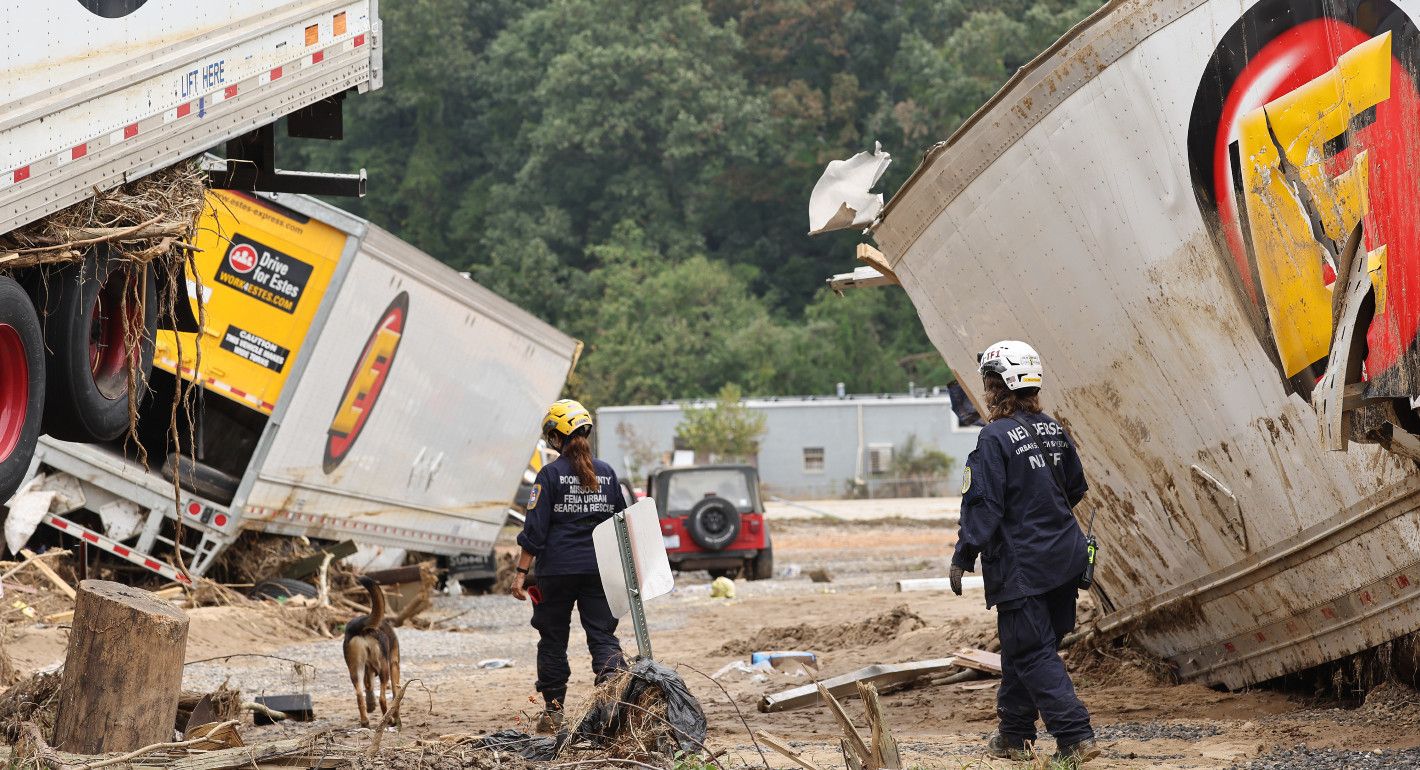
Some of the rumors start from a kernel of truth. Private developers do swoop in after a disaster and buy up land and houses at cheap prices, often displacing affordable housing. At the same time, FEMA inspectors really do need to come to people’s houses to assess the damage and determine grant amounts for households. But when people are scared and don’t have great cell service and are being fed deliberate lies on their social feeds, it’s easy to see how FEMA can become a kind of boogeyman that’s a satisfying target for people’s legitimate fears.
If attacks on officials and FEMA are the “sow distrust in government” part of the playbook, attacks on immigrants speak to the “drive division in American society” chapter. Early on in the Helene recovery, Trump was spreading messages that FEMA had somehow redirected disaster money to immigrants. Again, there’s a kernel of truth here, except that it was Trump who raided $155 million from the disaster fund in 2019 to build shelters in Mexico for migrants. It’s a one-two punch of undermining government officials who are trying to deliver life-saving aid and further dividing and polarizing American society.
What's actually available for FEMA assistance?
One of the most widely circulated falsehoods, largely pushed by Trump, is that FEMA is only offering $750 to Helene victims.
I live in Houston and am no stranger to disasters. The government’s disaster recovery system is far from perfect, but it’s more comprehensive than giving a few hundred dollars to people who lost everything. The way the disaster recovery system in the United States is supposed to work is that the federal government partners with state and local governments, charities, the insurance industry, and banks. FEMA is never going to cover all households’ losses, but it’s a key piece of recovery.
FEMA has a few different programs for survivors, including a $750 payment for emergency supplies, $42,500 for rebuilding or repairing a disaster-affected home, and up to eighteen months of rental assistance. According to my research on disaster funding, which I compiled into the Disaster Dollar Database, survivors receive an average of just under $6,000 from FEMA through its Individuals and Households Program (IHP). North Carolina households have received an average of $4,169 in FEMA IHP since 2015, and Florida households have received an average of $4,279.
One of the things that’s hard to see in the immediate aftermath of a storm is just how long recovery takes and how many different agencies are involved. In Houston, seven years after Hurricane Harvey, we’re still spending federal recovery dollars. Some of these funds are from a part of FEMA that’s really significant but not well known: the Public Assistance Program. This program reimburses jurisdictions for spending on search-and-rescue efforts, first responder overtime, rebuilding roads and wastewater treatment plants, repairing school buildings, and related disaster expenses. Across 170 disasters from 2015 through April of this year, FEMA spent $12 billion for IHP and $52 billion in public assistance.
Helene and Milton are stretching the limits of the disaster ecosystem and what it needs to meet this moment over the medium- and long-term. Congress has so far declined to come back in October to make an emergency appropriation for recovery.
What is FEMA doing to combat misinformation?
At a news conference earlier this week, the FEMA administrator Deanne Criswell pushed back on falsehoods and noted that people only hurt themselves by not applying for assistance.
FEMA has set up pages dedicated to debunking rumors, including for Helene. The White House set up a Reddit account this week to discuss the government’s response to Helene and Milton and to combat falsehoods. At the news conference, Criswell noted the toll the rhetoric has taken on FEMA’s workers in the region, calling it “demoralizing.”
On Thursday, Criswell noted that support from governors, members of Congress, and other local leaders was crucial to pushing back on misinformation before Milton. “We did see a decrease, even though there were still some voices out there trying to spread these lies, which is really unfortunate,” she said.
However, the sad reality is that while FEMA and other government figures are doing a lot, it’s not enough to protect people against misinformation and lies.
What lessons from Helene should the government try to apply to its Milton response?
The thing that’s working really well about the rumors and lies is that they’re emotional and informal. I would like to see the White House and FEMA collaborating to leverage authentic, community-driven messages for good.
In August, the White House held its first conference for digital creators. Now would be a great time for the White House to leverage those contacts and go beyond official communication channels to encourage messages that echo and validate FEMA’s messages from nongovernment sources whom people trust.