

Commentary
Marwan Muasher
{
  "authors": [
    "Marwan Muasher"
  ],
  "type": "legacyinthemedia",
  "centerAffiliationAll": "dc",
  "centers": [
    "Carnegie Endowment for International Peace"
  ],
  "collections": [
    "Arab Awakening"
  ],
  "englishNewsletterAll": "menaTransitions",
  "nonEnglishNewsletterAll": "",
  "primaryCenter": "Carnegie Endowment for International Peace",
  "programAffiliation": "MEP",
  "programs": [
    "Middle East"
  ],
  "projects": [],
  "regions": [
    "Middle East",
    "North Africa",
    "Egypt",
    "Jordan"
  ],
  "topics": [
    "Political Reform"
  ]
}
Source: Getty
Important first steps toward political transformation are occurring throughout the Arab world, as evidenced by the trial of deposed Egyptian President Hosni Mubarak and the amendments proposed for the Jordanian constitution.
Source: BBC's Impact

Egyptians are eager to move away from the Mubarak regime to a new system, but establishing due process during this transformation is critical. According to Muasher, “it is important not just for Egypt but as a precedent for the rest of the Arab world.”
Turning to Jordan, Muasher added that the recently proposed constitutional amendments represent a vital first step, but “are not the end of the road.” Elected governments are going to take some time to materialize in Jordan. In the meantime, Muasher concluded, the monarchy must engage in serious efforts to restore the credibility gap between itself and the people.

Vice President for Studies
Marwan Muasher is vice president for studies at Carnegie, where he oversees research in Washington and Beirut on the Middle East. Muasher served as foreign minister (2002–2004) and deputy prime minister (2004–2005) of Jordan, and his career has spanned the areas of diplomacy, development, civil society, and communications.
Recent Work
Marwan Muasher



James M. Acton, Saskia Brechenmacher, Cecily Brewer, …
Carnegie does not take institutional positions on public policy issues; the views represented herein are those of the author(s) and do not necessarily reflect the views of Carnegie, its staff, or its trustees.

Stakeholders must demand major restructuring of the Board of Peace and robust oversight and transparency before engaging with it. Until then, rights-respecting existing platforms and mechanisms for multilateral peacemaking should be supported.

Zaha Hassan, Charles H. Johnson
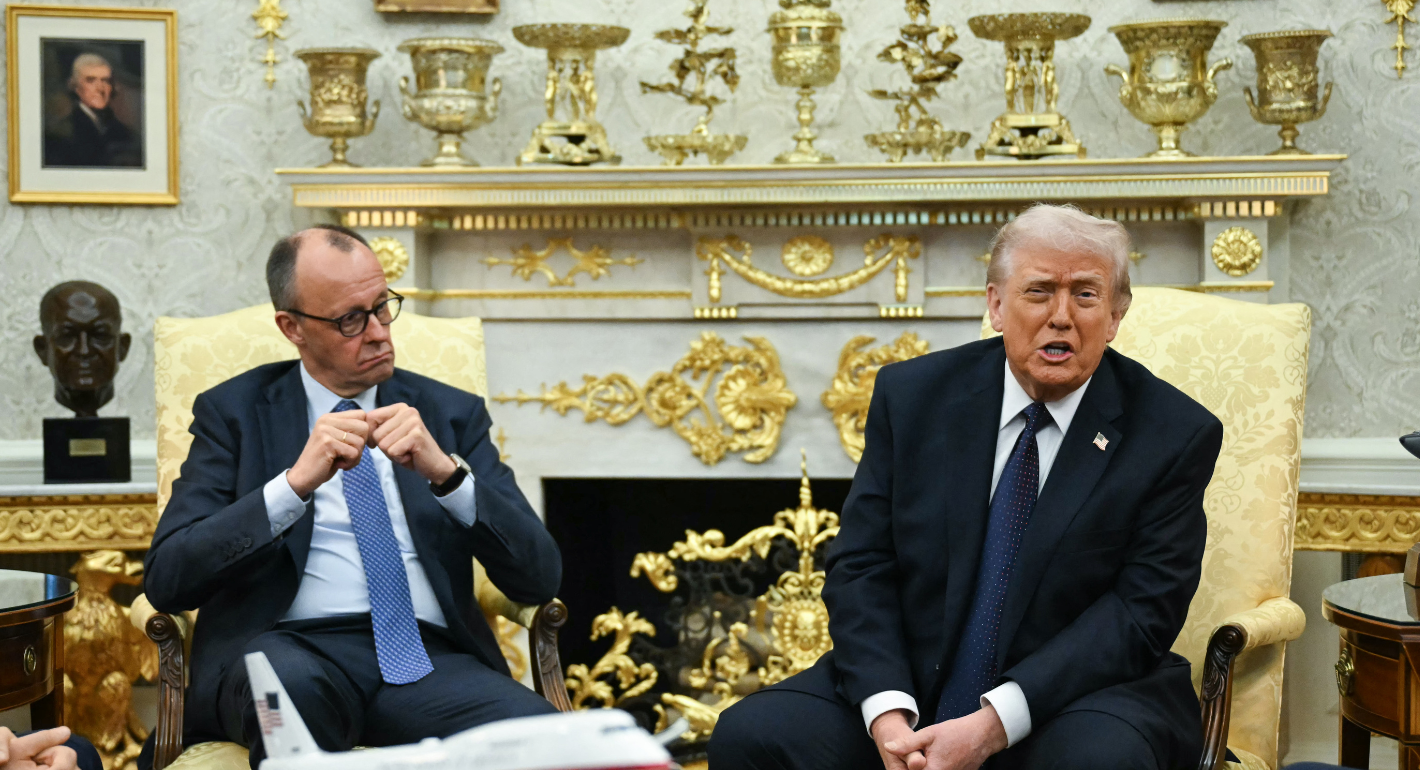
European reactions to the war in Iran have lost sight of wider political dynamics. The EU must position itself for the next phase of the crisis without giving up on its principles.

Richard Youngs
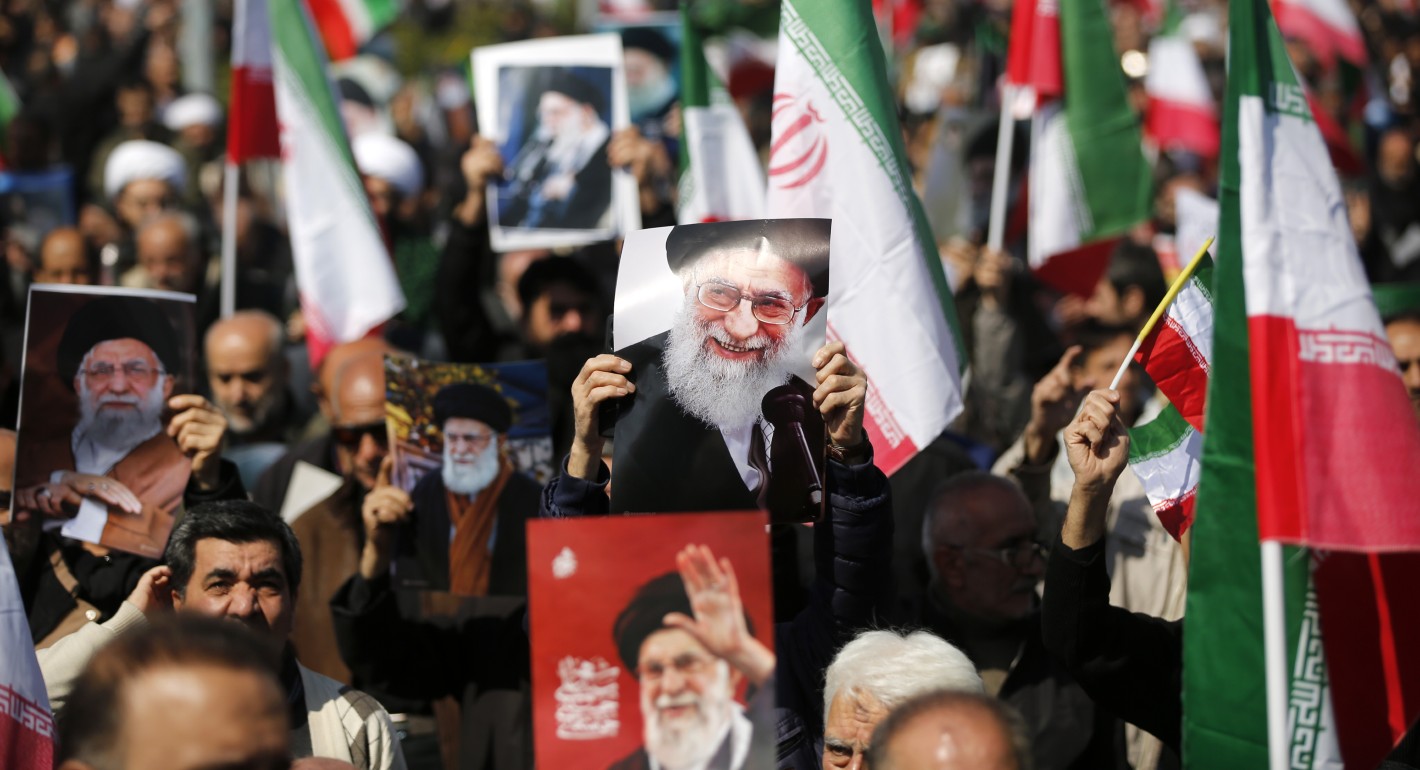
If the succession process can be carried out as Khamenei intended, it will likely bring a hardliner into power.

Eric Lob

Just look at Iraq in 1991.
Marwan Muasher
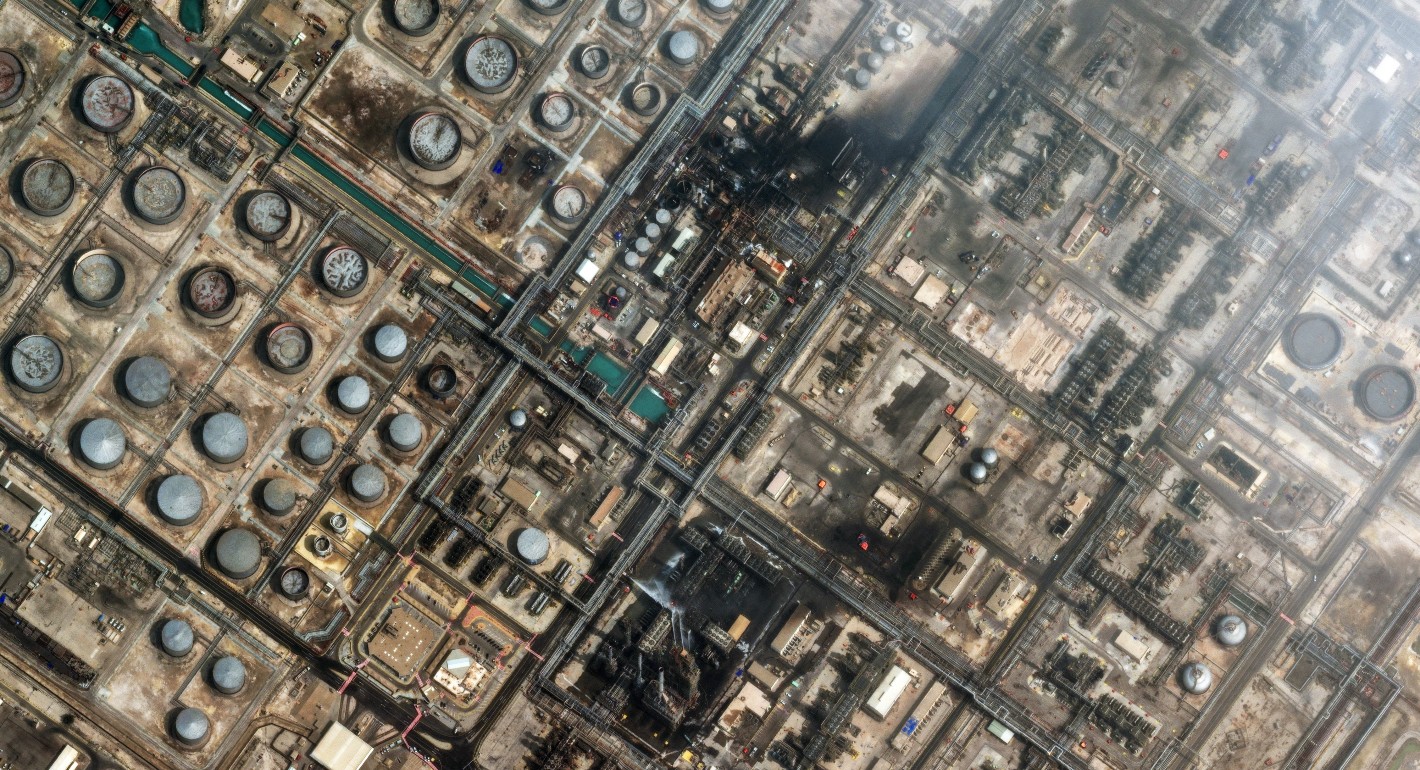
Tehran’s attacks are reshaping the security situation in the Middle East—and forcing the region’s clock to tick backward once again.

Amr Hamzawy