• Research
  • Emissary
  • About
  • Experts
Carnegie Global logoCarnegie lettermark logo
DemocracyIran
  • Donate
{
  "authors": [
    "Marina Ottaway"
  ],
  "type": "legacyinthemedia",
  "centerAffiliationAll": "dc",
  "centers": [
    "Carnegie Endowment for International Peace",
    "Malcolm H. Kerr Carnegie Middle East Center"
  ],
  "collections": [
    "Arab Awakening"
  ],
  "englishNewsletterAll": "menaTransitions",
  "nonEnglishNewsletterAll": "",
  "primaryCenter": "Carnegie Endowment for International Peace",
  "programAffiliation": "MEP",
  "programs": [
    "Middle East"
  ],
  "projects": [],
  "regions": [
    "North Africa",
    "Egypt"
  ],
  "topics": [
    "Political Reform"
  ]
}
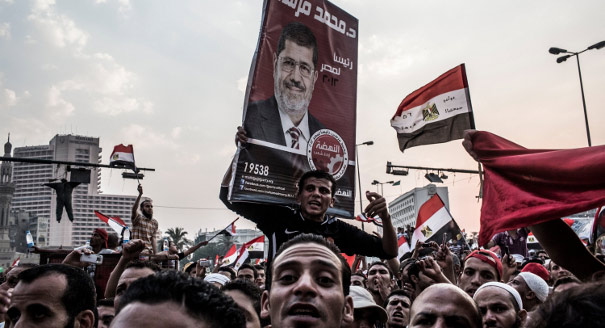
Source: Getty

In The Media

President Morsi's Effect on Egyptian Foreign Policy

Despite fears in the United States, Egyptian foreign policy under President Morsi has been marked by continuity rather than a fundamental paradigm shift.

Link Copied
By Marina Ottaway
Published on Sep 27, 2012
Program mobile hero image

Program

Middle East

The Middle East Program in Washington combines in-depth regional knowledge with incisive comparative analysis to provide deeply informed recommendations. With expertise in the Gulf, North Africa, Iran, and Israel/Palestine, we examine crosscutting themes of political, economic, and social change in both English and Arabic.

Learn More

Source: KPCC Southern California Public Radio

The rise to power of the Muslim Brotherhood in Egypt and the presidency of Mohammed Morsi stoked fears in the United States that Egypt, long a linchpin of American foreign policy, would dramatically alter the balance of power in region. However,  noted Carnegie's Marina Ottaway on KPCC Southern California Public Radio, “So far, we have no reason to expect dramatic changes. While there is a lot of anxiety in the U.S. and elsewhere, if you are looking for concrete policy changes, it’s difficult to see any at this point.” At his UN General Assembly speech, Morsi did not announce any fundamental changes in policy, Ottaway added. Rather, he confirmed that Egypt would continue to respect international treaties—crucially, including Camp David—and called for the international community to accept its responsibility to further the peace process. Egypt has also attempted to forge a solution to the Syrian crisis through its convening of Turkey, Iran, and Saudi Arabia. Ultimately, Egyptian foreign policy to this point under Morsi has been bereft of fundamental policy changes, Ottaway concluded.

About the Author

Marina Ottaway

Former Senior Associate, Middle East Program

Before joining the Endowment, Ottaway carried out research in Africa and in the Middle East for many years and taught at the University of Addis Ababa, the University of Zambia, the American University in Cairo, and the University of the Witwatersrand in South Africa.

    Recent Work

  • Article
    Reactions to the Syrian National Initiative

      Marina Ottaway, Omar Hossino

  • Article
    Slow Return to Normal Politics in Egypt

      Marina Ottaway

Marina Ottaway
Former Senior Associate, Middle East Program
Marina Ottaway
Political ReformNorth AfricaEgypt

Carnegie does not take institutional positions on public policy issues; the views represented herein are those of the author(s) and do not necessarily reflect the views of Carnegie, its staff, or its trustees.
More Work from Carnegie Endowment for International Peace

  • Commentary
    Strategic Europe
    The EU Needs a Third Way in Iran

    European reactions to the war in Iran have lost sight of wider political dynamics. The EU must position itself for the next phase of the crisis without giving up on its principles.

      Richard Youngs
  • Commentary
    Carnegie Politika
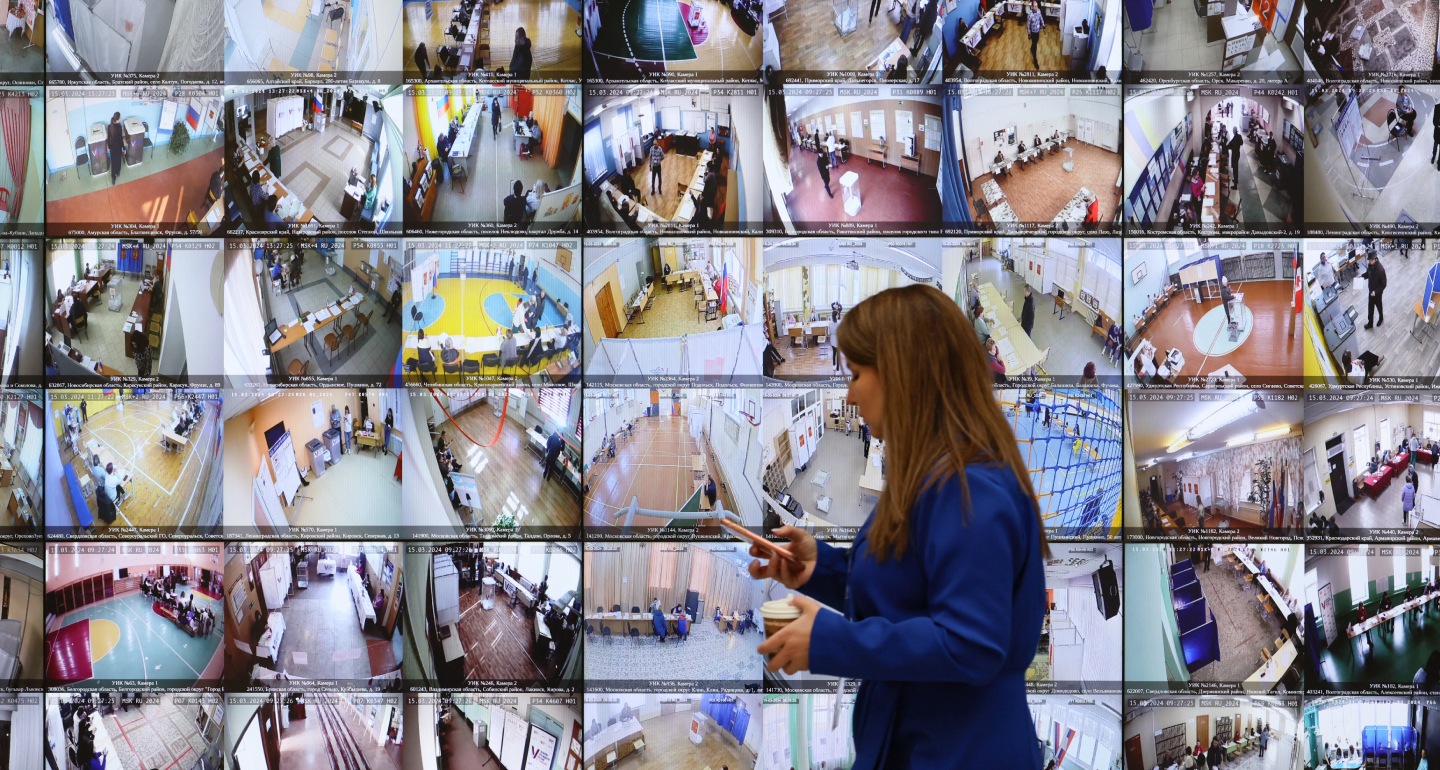
    The Kremlin Is Destroying Its Own System of Coerced Voting

    The use of technology to mobilize Russians to vote—a system tied to the relative material well-being of the electorate, its high dependence on the state, and a far-reaching system of digital control—is breaking down.

      Andrey Pertsev
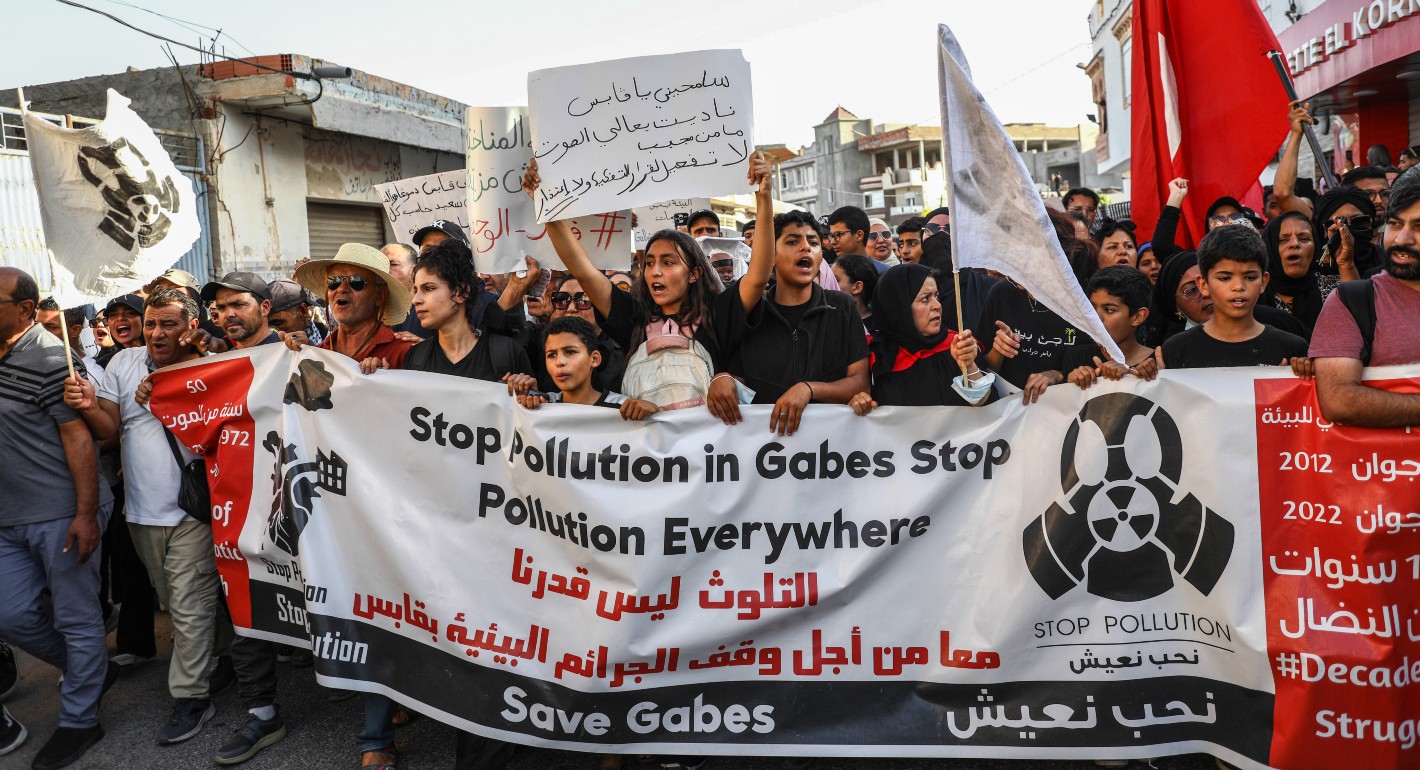
  • Teenagers hold a large banner reading "stop pollution in Gabes, stop pollution everywhere, save Gabes'' in English and Arabic
    Article
    Civil Society Restrictions in North Africa: The Impact on Climate-Focused Civil Society Organizations

    For climate-focused civil society in countries like Morocco, Algeria, and Tunisia to be most effective, organizations should work together to develop networks that extend their reach beyond their local area and connect across borders to share best practices and amplify each other’s work.
      • Sarah Yerkes

      Sarah Yerkes

  • Commentary
    Diwan
    When Football Is More Than Football

    The recent African Cup of Nations tournament in Morocco touched on issues that largely transcended the sport.


      Issam Kayssi, Yasmine Zarhloule
  • Research
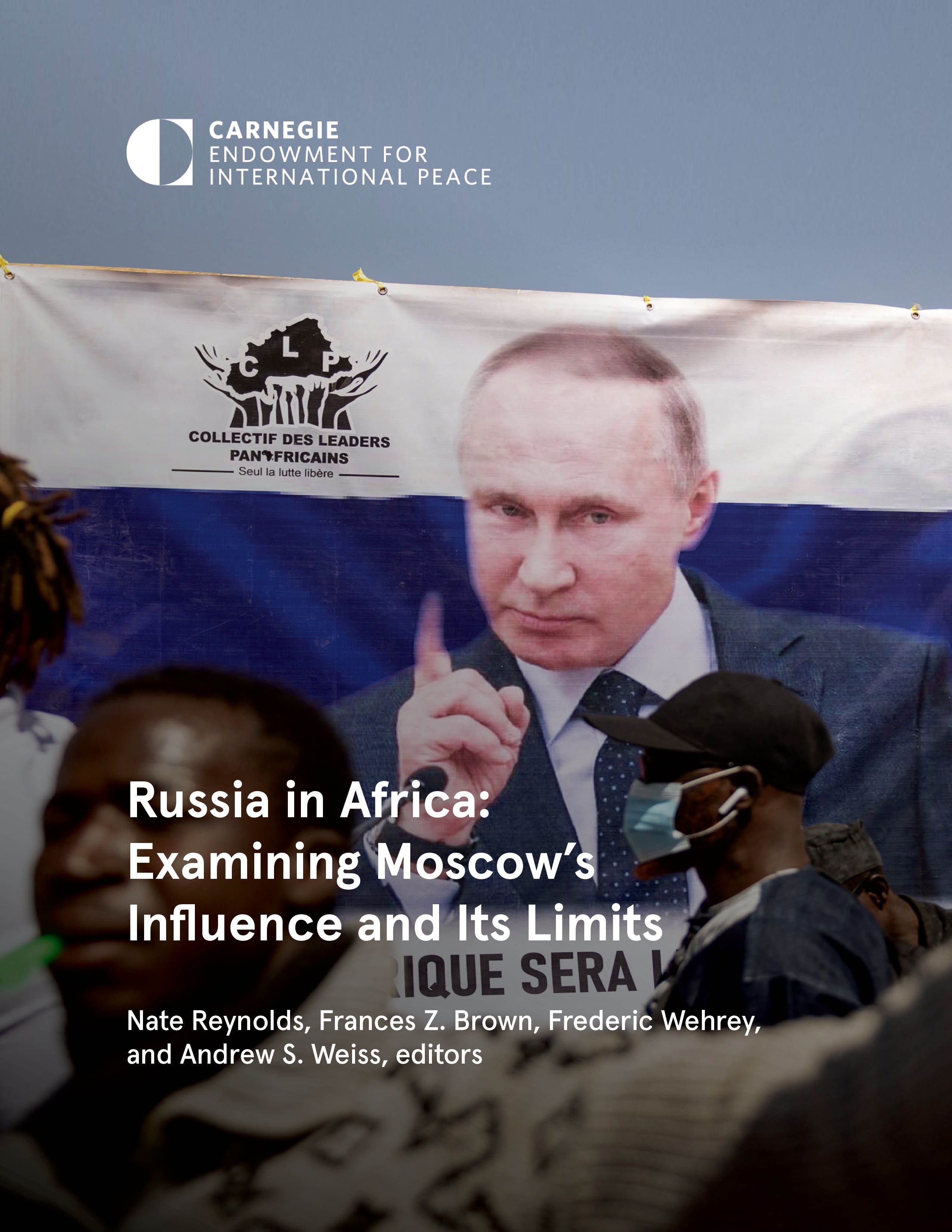
    Russia in Africa: Examining Moscow’s Influence and Its Limits

    As Moscow looks for opportunities to build inroads on the continent, governments in West and Southern Africa are identifying new ways to promote their goals—and facing new risks.
      • Nate Reynolds
      • +1

      Nate Reynolds, ed., Frances Z. Brown, ed., Frederic Wehrey, ed., …

Get more news and analysis from
Carnegie Endowment for International Peace
Carnegie global logo, stacked
1779 Massachusetts Avenue NWWashington, DC, 20036-2103Phone: 202 483 7600Fax: 202 483 1840
  • Research
  • Emissary
  • About
  • Experts
  • Donate
  • Programs
  • Events
  • Blogs
  • Podcasts
  • Contact
  • Annual Reports
  • Careers
  • Privacy
  • For Media
  • Government Resources
Get more news and analysis from
Carnegie Endowment for International Peace
© 2026 Carnegie Endowment for International Peace. All rights reserved.