

Commentary
When democracies and autocracies are seen as interchangeable targets, the language of democracy becomes hollow, and the incentives for democratic governance erode.
Sarah Yerkes, Amr Hamzawy
{
  "authors": [
    "C. Raja Mohan"
  ],
  "type": "legacyinthemedia",
  "centerAffiliationAll": "",
  "centers": [
    "Carnegie Endowment for International Peace",
    "Carnegie China",
    "Carnegie India"
  ],
  "collections": [
    "China’s Foreign Relations"
  ],
  "englishNewsletterAll": "",
  "nonEnglishNewsletterAll": "",
  "primaryCenter": "Carnegie Endowment for International Peace",
  "programAffiliation": "",
  "programs": [
    "South Asia"
  ],
  "projects": [],
  "regions": [
    "North America",
    "United States",
    "South Asia",
    "India",
    "East Asia",
    "China"
  ],
  "topics": [
    "Climate Change",
    "Security",
    "Foreign Policy",
    "Economy"
  ]
}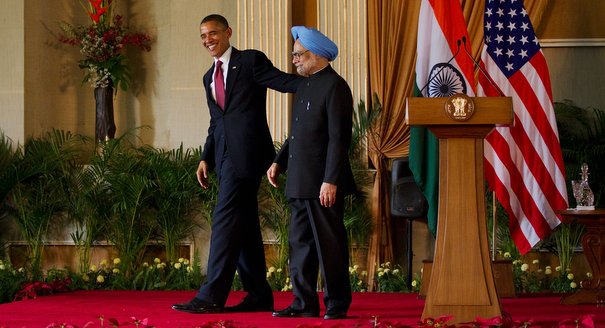
While it's hardly certain that U.S. budget cuts will force Washington out of Asia, it would be wise for India to plan for the most extreme scenario.
Source: Indian Express
In what could turn out to be a tectonic shift in global energy markets, China has overtaken the United States as the world's largest importer of oil.
According to preliminary data on world petroleum trade in December 2012, China's net oil imports surged to 6.12 million barrels per day (Mbd) while America's net imports declined to 5.98 Mbd, the lowest figure since 1992.
Although these numbers could flip back in favor of the United States during the winter months, there is no mistaking the trend line. China is all set to replace the United States as the world's largest importer of oil either this year or the next.As America's domestic oil production grows amidst the shale-gas boom, the United States is closer than ever before to reducing its massive dependence on energy imports from the OPEC countries.
The use of new technologies—most notably hydraulic fracturing or “fracking” and horizontal drilling—have opened up massive hydrocarbon resources in America.
The U.S. oil production has surged by more than 800,000 barrels per day in 2012. It is said to be the biggest annual increase in oil production since the hydrocarbon era began in the US in the late 19th century.
According to the International Energy Agency's latest report, America will overtake Saudi Arabia as the leading oil producer by about 2017 and will become a net oil exporter by 2030.
Energy independence is a popular political goal in the US and the White House recently claimed that America's dependence on foreign oil has gone down every single year since President Obama took office. As part of his strategy to increase safe, responsible oil production in the US, Obama has freed millions of new acres for oil and gas exploration.
As China replaces the United States as the largest importer of oil, might Beijing step into American shoes as the principal security guarantor of the oil-rich Persian Gulf?
Beijing is unlikely to become the gendarme of the Gulf in the near future. But the logic of its growing dependence on the region's resources is bound to compel China to seek a more decisive role in shaping Persian Gulf security.
Meanwhile, Washington might want to reconsider its longstanding role as the guarantor of regional security. If greater oil production at home and more imports from the Western hemisphere reduce the incentive for a strong American role in the Gulf, the pressures on the U.S. defense budget have begun to constrain its military presence in the region.
The Pentagon has been operating two aircraft carriers for many years in the Persian Gulf for many years. The current squeeze on spending in Washington has meant cuts of nearly $85 billion in the U.S. defense budget. This has forced the Pentagon to cancel the deployment of one carrier to the region this year.
The British Raj policed the Gulf for nearly two centuries, thanks to the massive resource base of the undivided subcontinent and its unrivalled naval primacy in the Indian Ocean.
With its power ebbing rapidly after World War II, Great Britain announced in 1968 the withdrawal of its military presence "East of Suez." Since then, it has been the burden of the US to police the waters of the oil-rich Persian Gulf. Is the United States on the verge of an East of Suez moment of its own? Not really, for it is rather easy to overstate the nature of America's relative decline.
Yet, at a time of fiscal austerity, there will be much political questioning in Washington of the logic of a significant American military presence in the Gulf.
There are many in Washington who are asking why China, Japan, India and other big oil importers should have a free ride at the expense of America, which pays for the securing of the critical sea lines of communication between the Persian Gulf and the rest of Asia.
This U.S. domestic debate will take a while to sort itself out. It might be sensible, however, for New Delhi to focus its attention on the potential consequences of a reduced American military presence in the Arabian Sea and a Chinese pivot to the Persian Gulf.
Carnegie does not take institutional positions on public policy issues; the views represented herein are those of the author(s) and do not necessarily reflect the views of Carnegie, its staff, or its trustees.
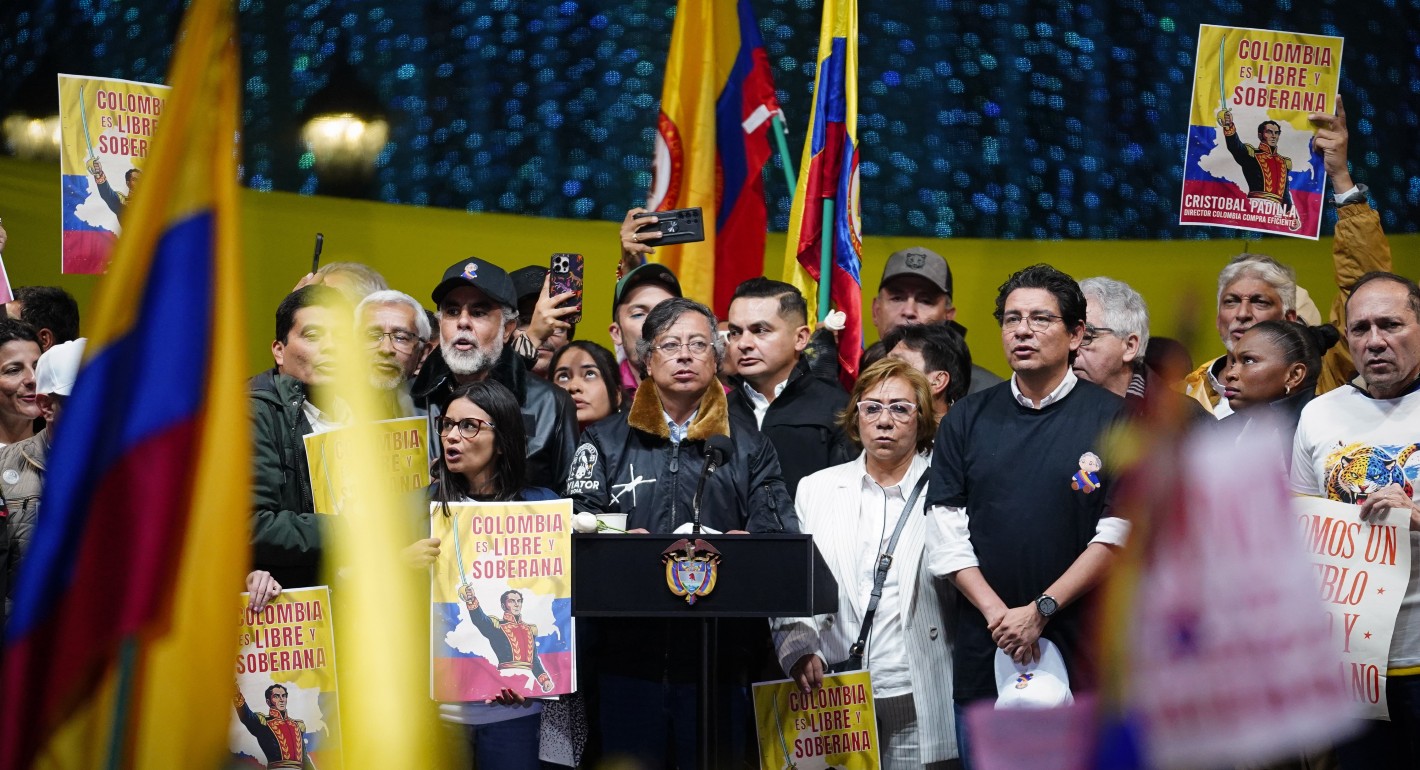
When democracies and autocracies are seen as interchangeable targets, the language of democracy becomes hollow, and the incentives for democratic governance erode.


Sarah Yerkes, Amr Hamzawy
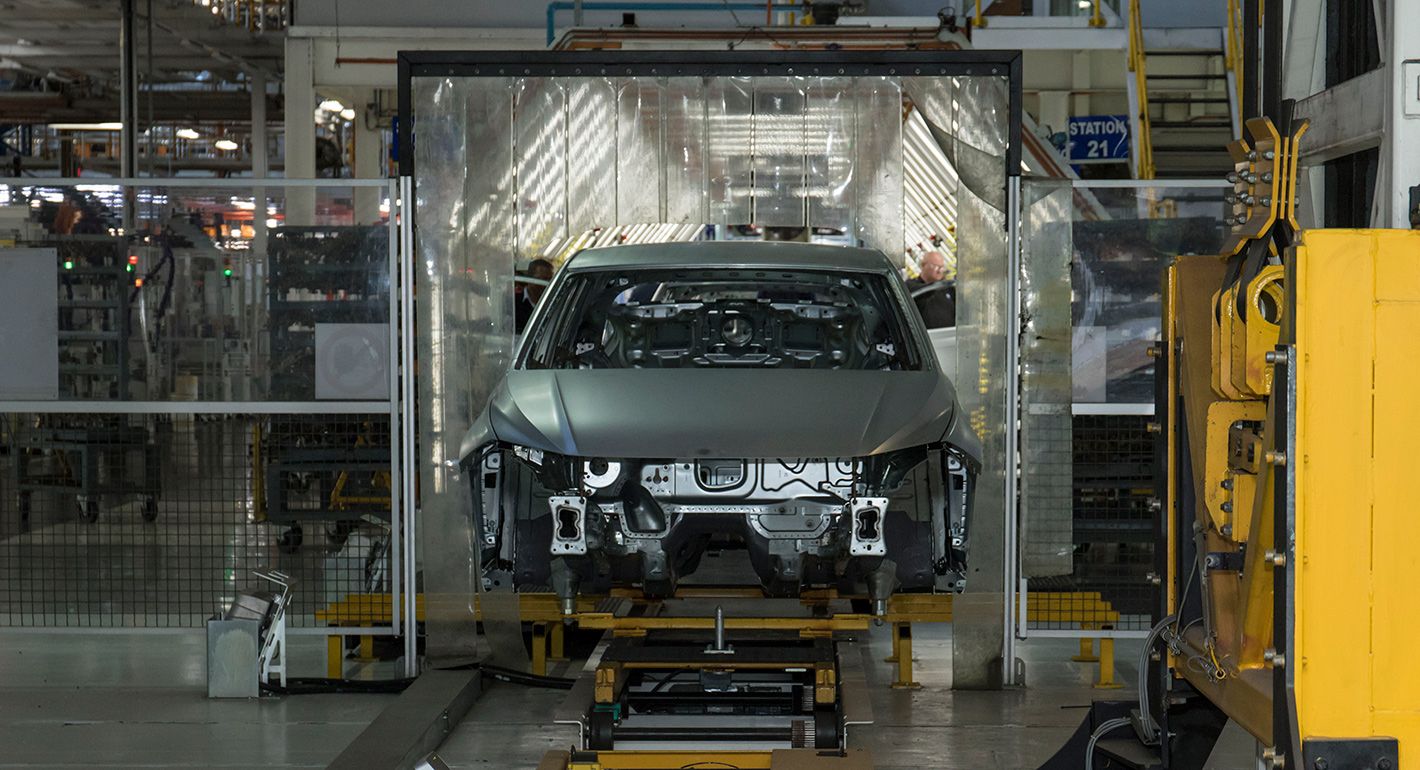
German manufacturing firms in Africa add value, jobs, and skills, while benefiting from demand and a diversification of trade and investment partners. It is in the interest of both African economies and Germany to deepen economic relations.
Hannah Grupp, Paul M. Lubeck
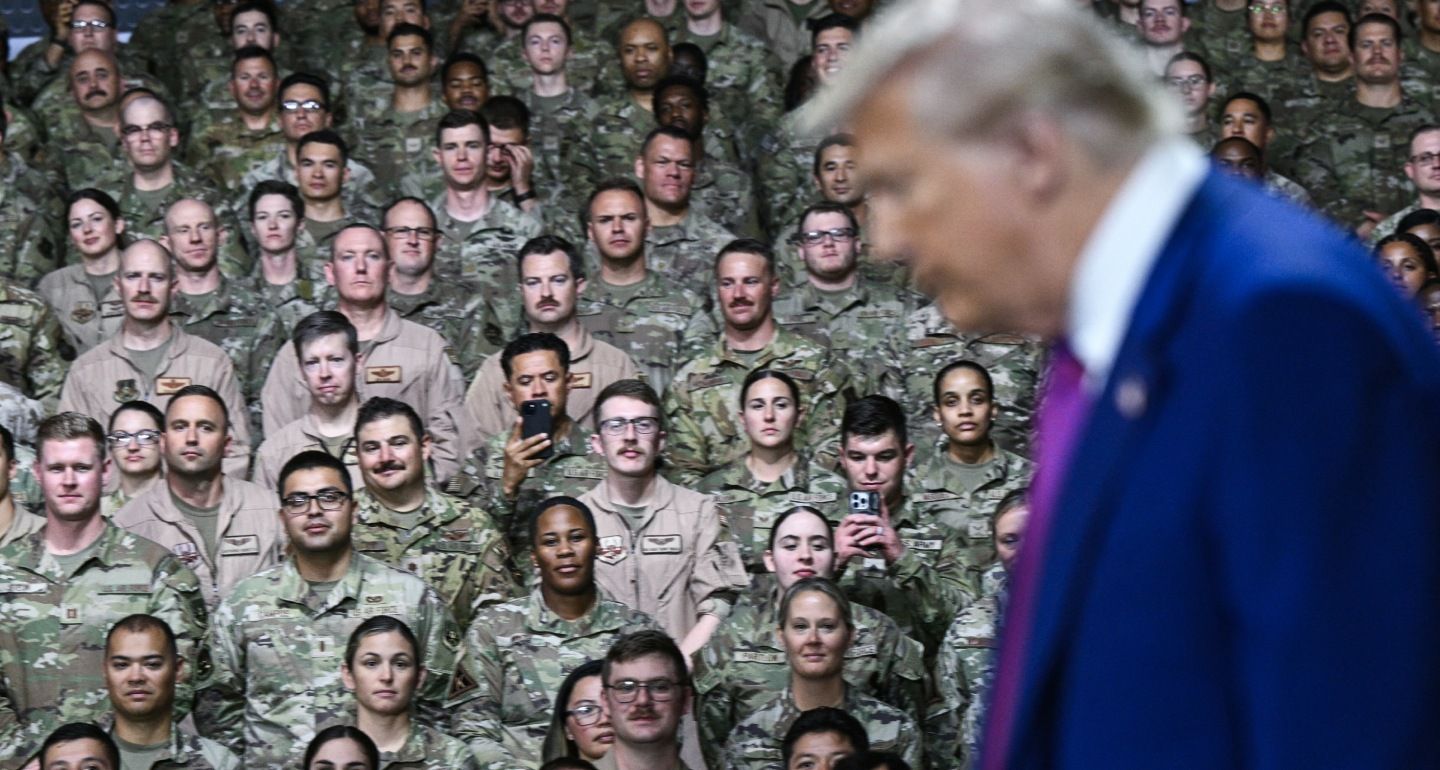
Unexpectedly, Trump’s America appears to have replaced Putin’s Russia’s as the world’s biggest disruptor.

Alexander Baunov
From Sudan to Ukraine, UAVs have upended warfighting tactics and become one of the most destructive weapons of conflict.


Jon Bateman, Steve Feldstein
And how they can respond.


Sophia Besch, Steve Feldstein, Stewart Patrick, …