

Commentary
Is Morocco’s migration policy protecting Sub-Saharan African migrants or managing them for political and security ends? This article unpacks the gaps, the risks, and the paths toward real rights-based integration.
Soufiane Elgoumri
{
  "authors": [
    "Tamer Badawi"
  ],
  "type": "commentary",
  "blog": "Sada",
  "centerAffiliationAll": "",
  "centers": [
    "Carnegie Endowment for International Peace"
  ],
  "collections": [],
  "englishNewsletterAll": "",
  "nonEnglishNewsletterAll": "",
  "primaryCenter": "Carnegie Endowment for International Peace",
  "programAffiliation": "",
  "programs": [],
  "projects": [],
  "regions": [
    "Middle East",
    "Iran",
    "Iraq",
    "Gulf",
    "Levant"
  ],
  "topics": [
    "Economy",
    "Trade"
  ]
}
Source: Getty
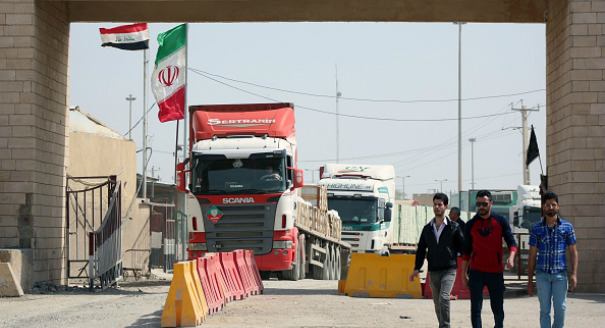
The rise of the Islamic State has created both challenges and opportunities for Iranian trade networks in Iraq.
The rise of the Islamic State (IS) and its expansion in Iraqi territory has threatened trade routes between Iran and Iraq, which have thrived over the past decade because Iraqi markets remained mostly open at a time when sanctions closed off other potential markets for Iranian exports. According to Iran’s Trade Promotion Organization (TPO), Tehran’s non-oil exports to Baghdad—including food, construction materials, and vehicles, among other items—surged from $2.3 billion in 2008 to $6.2 billion in 2015.1 At the same time, the rise of IS has also opened up new opportunities for Iranian traders: Baghdad’s trade and diplomatic relations with its other neighbors have suffered, and Iran’s increased military presence in Iraq promises future commercial rewards.
After sanctions tightened on Iran’s oil sector in 2012 and the country’s economy worsened, Supreme Leader Ali Khamenei outlined in February 2014 the principles of the “resistance economy.” This emphasized, alongside other goals, promoting non-oil exports to reduce the country’s heavy reliance on oil revenues. Iraq’s geographic proximity and its Shia population in the south made its market ideal for Iran’s attempt to access the global economy, and Iraq’s market increasingly absorbed Iranian non-oil exports, allegedly helping Iran circumvent sanctions. Tehran accordingly worked to establish free-trade zones (FTZs) in its southwestern Khuzestan province to boost trade with Baghdad. Trade between both countries reached $12 billion in 2015, including tourism, engineering services, and transited goods—that is, goods traded through a third partner and which probably include some sanctions-dodging trade. Iran aspires to scale up trade relations up to $25 billion in the coming years.
Iran’s non-oil trade with Iraq continued to grow through to the end of 2015, after the Islamic State captured Mosul in June 2014, though at a slower pace than before the IS expansion and global oil price slump. As IS took more territory in northern Iraq and trade routes between Turkey and Iraq were cut, Iran benefited from the increased border trade in basic goods. Furthermore, Baghdad’s escalated tensions with Turkey and Saudi Arabia left Iran in a better geoeconomic position than its rivals. Reportedly, in mid-2014, some Iraqi merchants began substituting Saudi commodities with Iranian ones because they believed Saudi Arabia was supporting IS. In addition, Baghdad’s City Council approved a boycott to import commodities from Turkey a few days after Ankara deployed forces in Mosul for training exercises on December 5, 2015.
However, Iraqi imports from Iran are also facing potential geopolitical risks. Iranian non-oil exports mostly access the Iraqi market through seven border checkpoints, and 80 percent of Iran’s non-oil exports to Iraq pass through the northern half of the border. According to Mahdi Najat-Nia, the spokesman for Iraqi affairs office in Iran’s Trade Promotion Organization, $3.5 billion worth of commodities entered Iraq via the northern Parviz Khan border checkpoint between March and December 2015, out of $4.5 billion Iranian exports to Iraq during this period. This trade route was particularly vulnerable to the initial IS expansion northeast toward the Kurdistan Region of Iraq and Iran’s western borders, threatening the inflow of Iran’s non-oil exports. It is partly as a response to this economic threat—and not only the security threat—that Tehran stepped up its military presence in Iraq in 2014 and coordinated with the Iraqi Kurdish Peshmerga forces to counter the Islamic State’s expansion.
By contrast, Iraq’s southern provinces have become more attractive to Iranian traders looking for reliable routes for export. The Islamic State’s advancement in northern and central Iraq obstructed trade between Turkey and southern Iraq, increasing demand for Iranian commodities as a substitute. Because Iranian trade had prioritized northern routes through the Kurdistan Region of Iraq, road-freight and storage capacities in the predominately Shia Iraqi south have not been developed enough to accommodate all the non-oil exports Iran wants to send there. The commodities traded through Shalamcheh checkpoint, located between Basra and Khuzestan, reached $1 billion in Persian year 1394 (March 21, 2015 to March 20, 2016) out of $6.2 billion total Iranian exports to Iraq that year. Iran’s policymakers are therefore prioritizing diversification of road-freight routes away from the northwest to reduce security risks and expand their market in southern Iraq.
In addition, Iranian contractors are optimistic about their potential opportunities to pursue projects in Iraq in the future. Advances made by the Iranian-backed Popular Mobilization Forces (Hashd) against IS in Iraq over the past two years sends a positive sign to Iranian producers and contractors that Tehran will have a stake in the country’s post-conflict reconstruction plans.
However, Iranian exports to Iraq and the magnitude of the Iranian stake in the reconstruction process depend on the political configurations of the Shia camp in Iraq, which have presented new political risks over the past few months. Since Iraq’s cabinet was stormed in April 2016, ongoing populist and anti-Iran rhetoric has risen, and there is increased pressure on Iraq’s new parliament to push protectionist measures against Iran’s non-oil exports. Protectionist trade measures (tariff and non-tariff barriers) were previously enforced amid the oil price slump, for example increasing the tariffs on selected Iranian imports. Shahla Amuri, the head of the Ahvaz chamber of commerce, expressed further concern about Iraqi protectionism in June 2016 that tripling the tariff barriers on some imports, especially construction materials, decreased Iran’s overall exports to Iraq.
Such measures have particularly affected the cement trade. Baghdad issued two executive orders in 2013 and 2015 to halt the importation of cement (aside from “exceptional cases”) to protect domestic production. Though the orders were likely not implemented strictly, due to political disputes and corruption, Iranian cement producers have felt the repercussions. Amid the Iranian housing sector’s stagnation, there is weak domestic demand for cement, and producers are heavily reliant on the Iraqi market, whose cement import ban meant Iran’s cement exports decreased by 20 percent in 2015. Yet according to Abdolreza Sheikhan, the secretary of the Iranian Association for Cement Producers, 50 to 70 percent of Iran’s exports of cement went to Iraq from March 2014 to March 2016 (Persian years 1393-94), estimating that regardless of the new measures, Iraq will still run a cement deficit of around 7-8 million tons per year that will be need to be covered through imports. He further predicted that cement exports to Iraq might resume after Ramadan in mid-July.
In response to increased Iraqi protectionism, and following a 6 percent decrease in Iran’s exports to Iraq in the first three months of the current Persian year, Iran declared in May 2016 that an FTZ will be established at the Shalamcheh checkpoint as part of the wider Arvand Free Zone. Simultaneously, Iran will continue to lobby Baghdad for fewer tariffs on its exported goods.
A stable Iraq favorable to Shia powers might enable Iran to gain greater economic leverage, not only in Iraq but perhaps even in a post-conflict Syria via more secure and diversified road-freight routes. Faltering industrial capacities in both Iraq and Syria would boost Iran’s non-oil economy and export sectors to overcome its unresolved unemployment problem. Amid turmoil, trade interests will continue to play an important role in shaping Iran’s political and security relationship with its western neighbor.
Tamer Badawi is a researcher specializing in the political economy of the Middle East and focusing on Iran. Follow him on Twitter @TamerBadawi1.
1. The dates referred to here—2008 and 2015—are not exact, but only close approximations of the Persian years of 1387 (March 20, 2008–March 20, 2009) and 1394 (March 20, 2015–March 20, 2016). Since official statistics in Iran use the Persian calendar, all other dates in this document follow a similar logic of approximation when official figures are cited.
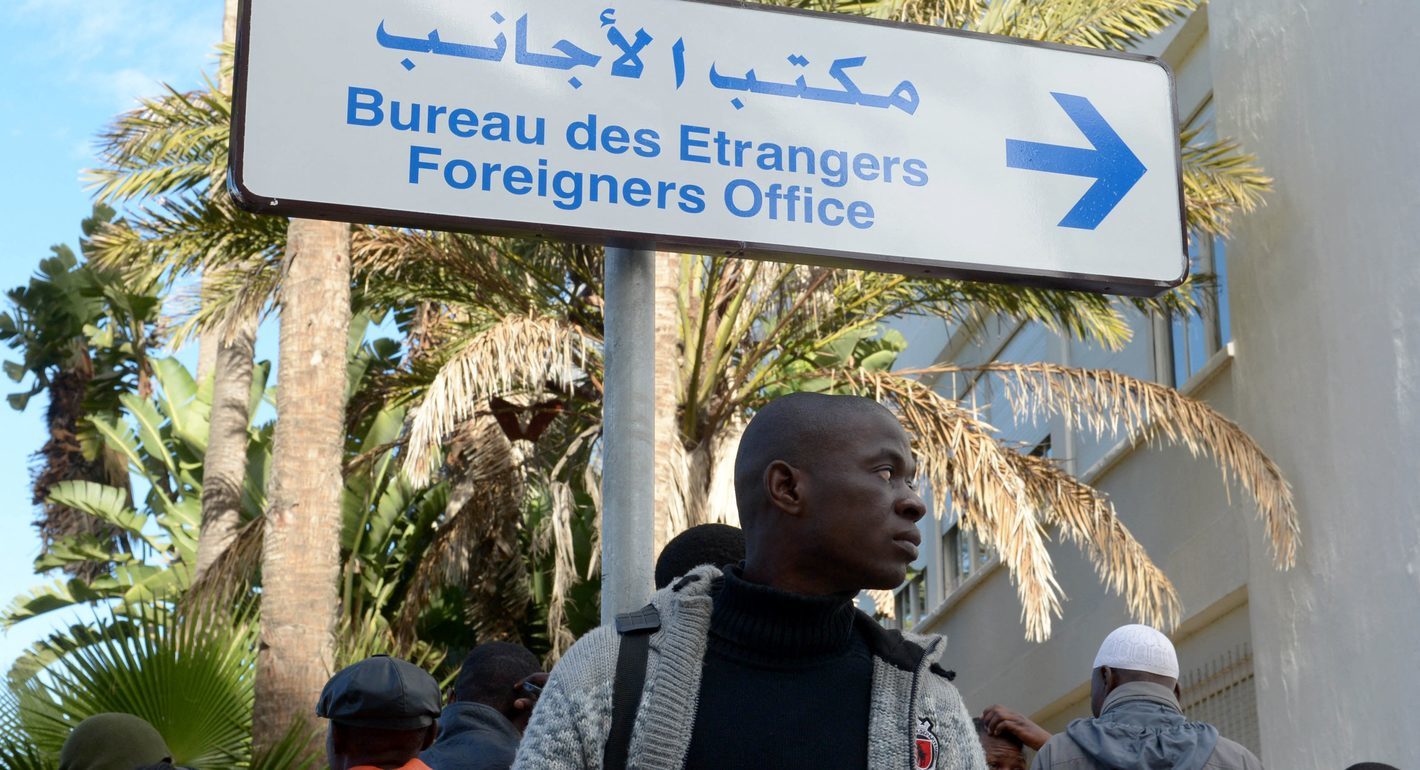
Is Morocco’s migration policy protecting Sub-Saharan African migrants or managing them for political and security ends? This article unpacks the gaps, the risks, and the paths toward real rights-based integration.
Soufiane Elgoumri
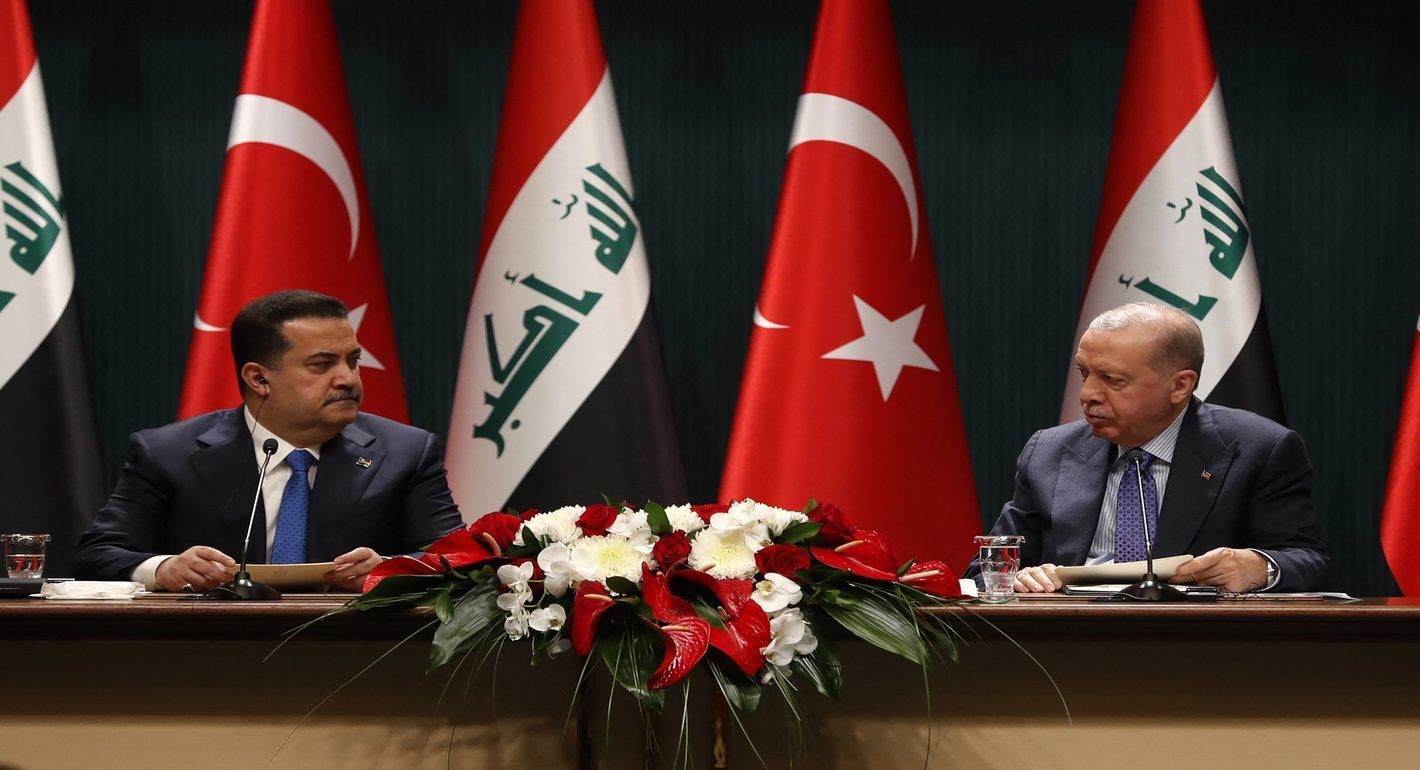
Iraq’s foreign policy is being shaped by its own internal battles—fractured elites, competing militias, and a state struggling to speak with one voice. The article asks: How do these divisions affect Iraq’s ability to balance between the U.S. and Iran? Can Baghdad use its “good neighbor” approach to reduce regional tensions? And what will it take for Iraq to turn regional investments into real stability at home? It explores potential solutions, including strengthening state institutions, curbing rogue militias, improving governance, and using regional partnerships to address core economic and security weaknesses so Iraq can finally build a unified and sustainable foreign policy.
Mike Fleet
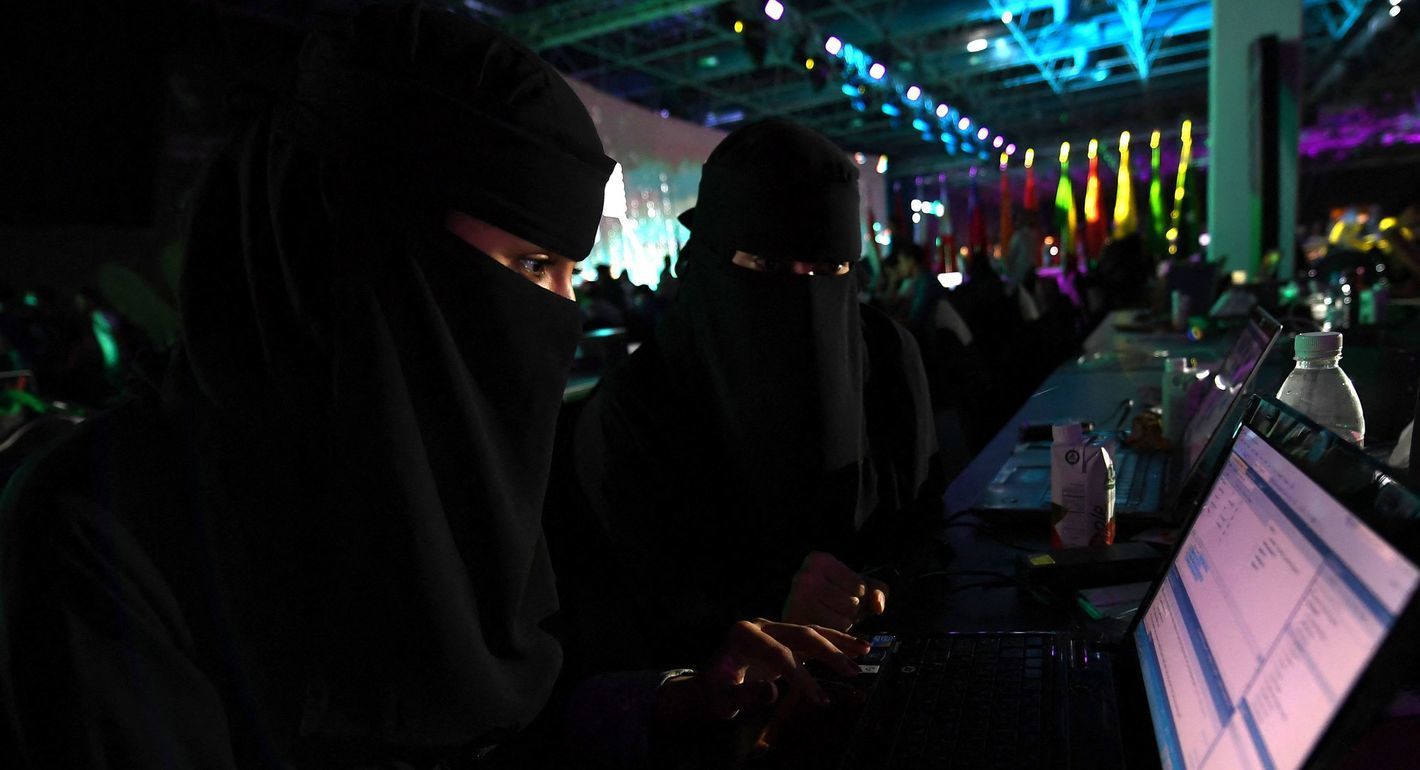
How can Saudi Arabia turn its booming e-commerce sector into a real engine of economic empowerment for women amid persistent gaps in capital access, digital training, and workplace inclusion? This piece explores the policy fixes, from data-center integration to gender-responsive regulation, that could unlock women’s full potential in the kingdom’s digital economy.
Hannan Hussain
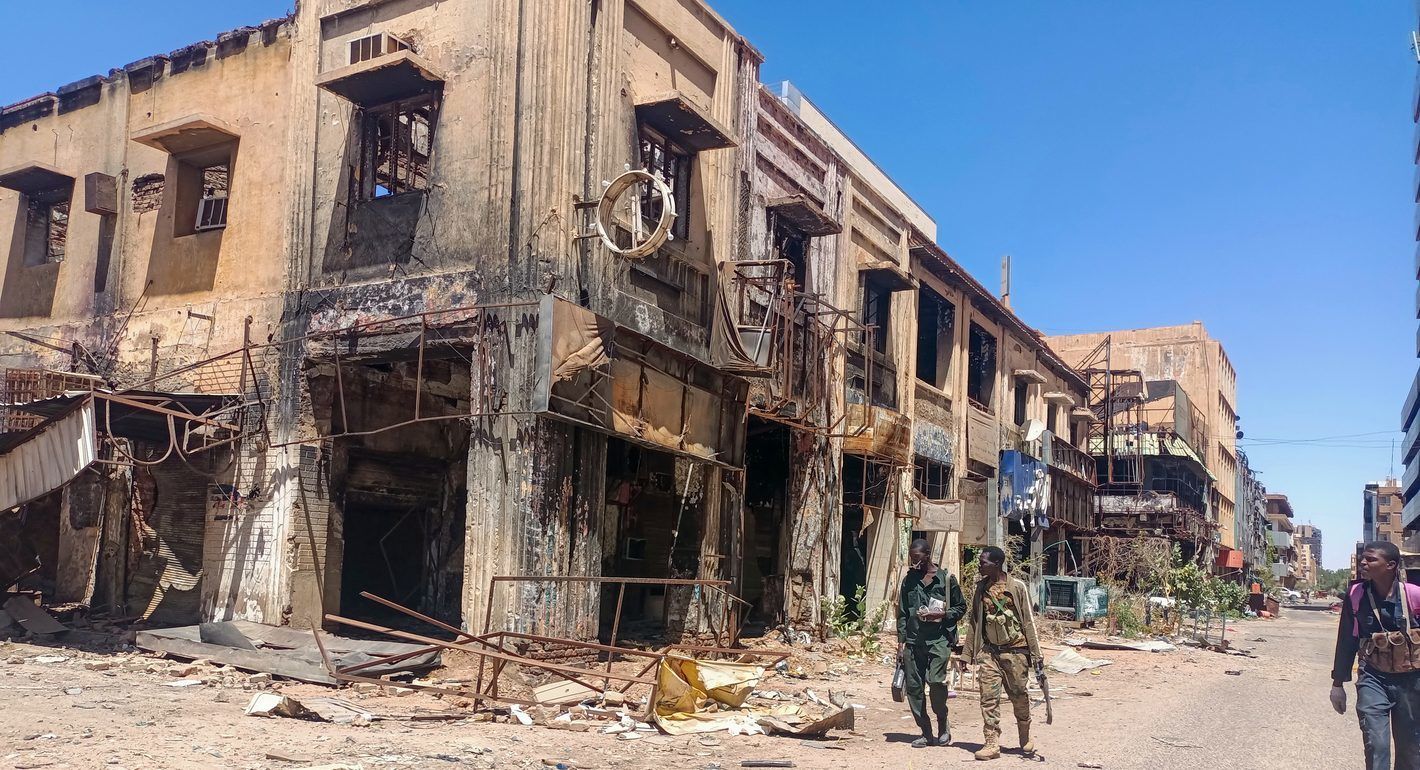
Hate speech has spread across Sudan and become a key factor in worsening the war between the army and the Rapid Support Forces. The article provides expert analysis and historical background to show how hateful rhetoric has fueled violence, justified atrocities, and weakened national unity, while also suggesting ways to counter it through justice, education, and promoting a culture of peace.
Samar Sulaiman
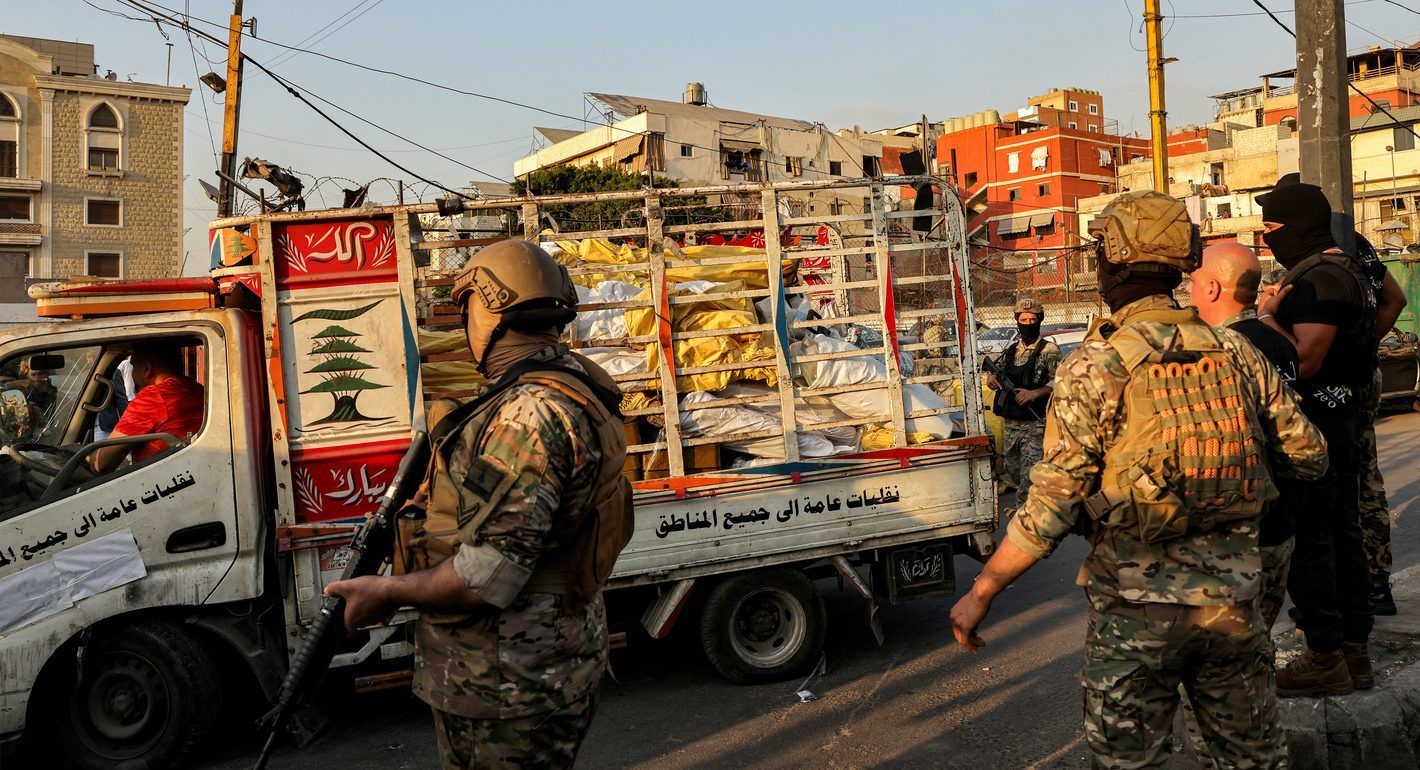
The August 2025 government decision to restrict weapons to the Lebanese state, starting with Palestinian arms in the camps, marked a major test of Lebanon’s ability to turn a long-standing slogan into practical policy. Yet the experiment quickly exposed political hesitation, social gaps, and factional divisions, raising the question of whether it can become a model for addressing more sensitive files such as Hezbollah’s weapons.
Souhayb Jawhar