

Report
Mr. Husain Haqqani, Ashley J. Tellis
{
  "authors": [
    "Husain Haqqani"
  ],
  "type": "legacyinthemedia",
  "centerAffiliationAll": "dc",
  "centers": [
    "Carnegie Endowment for International Peace"
  ],
  "collections": [],
  "englishNewsletterAll": "ctw",
  "nonEnglishNewsletterAll": "",
  "primaryCenter": "Carnegie Endowment for International Peace",
  "programAffiliation": "russia",
  "programs": [
    "Russia and Eurasia"
  ],
  "projects": [],
  "regions": [
    "South Asia",
    "India",
    "Pakistan"
  ],
  "topics": [
    "Political Reform",
    "Foreign Policy"
  ]
}
REQUIRED IMAGE
Source: Carnegie
Originally appeared in the International Herald Tribune, October 10, 2002
As Pakistan prepares to hold its first general election in five years this Thursday, it has once again conducted tit-for-tat missile tests. Tests last week were carried out by Pakistan and India soon after they blamed each other for recent terrorist attacks. And Pakistan carried out a successful test of a medium-range Shaheen ballistic missile on Tuesday.
Mutual accusations and saber rattling have characterized India-Pakistan relations for most of the last 50 years. But this latest round is fraught with danger because it could provide terrorists in the region with cover to stoke tensions at a time when India and Pakistan are in a military face-off in Kashmir and have nuclear weapons and the means to deliver them.
Al Qaeda and other terrorist groups would like nothing better than to stay under the radar as India and Pakistan blame each other's security services for terrorist acts. India and Pakistan ought to recognize the peril of global terrorism and help each other to face its consequences.
The opposite is happening. When a recent shootout at a Hindu temple in Gujarat left 30 pilgrims and three terrorists dead, Deputy Prime Minister Lal Kishan Advani accused Pakistan of training and arming the attackers, who had not yet even been identified. Pakistani officials claimed that India was orchestrating terrorism in Pakistan when nine Christian charity workers were killed in Karachi. Interior Minister Moinuddin Haider accused India of complicity in most of the 200 or so acts of terrorism that have taken place in Pakistan in the last three years, although he offered no proof. He absolved Al Qaeda of suspicion when he said that its members had "come to Pakistan as fugitives, not to carry out attacks."
The relationship between Islamabad and New Delhi has reached a point where both sides consider themselves victims and use each other's failings to justify their own misconduct. India's Hindu nationalist government is holding elections in Kashmir that are unlikely to restore stability. Religious rioting in Gujarat, characterized by some Indian writers as a pogrom against Muslims, has also antagonized India's large Muslim minority.
Unhappy Kashmiris and angry Gujarati Muslims are potential recruits for terrorist groups. Pakistan's fishing in these troubled waters does not absolve India of responsibility for addressing the flaws in its policy toward Kashmir and its mishandling of religious minorities. Pakistan has allowed its territory to be used by Islamic militants in the past as part of its strategy to confront India by all means available. Its support of the Taliban in Afghanistan was justified on grounds that it needed a friendly regime in Afghanistan to provide "strategic depth" against India.
A year has passed since President Pervez Musharraf abandoned the Taliban, disavowed state sponsorship of Islamic militancy and aligned his government with the United States. But Pakistan remains vulnerable to blowback from its involvement in the anti-Soviet resistance in Afghanistan and from subsequent hospitality offered to the Islamists. The absence of democratic governance and the dominance of decision-making by the military, which built the alliance with Islamists in the first place, do not help.
The United States has drawn India and Pakistan back from the brink of war twice since December. But the Bush administration is now distracted by its plans for disarming Iraq and may not be able to stay engaged in South Asia with the same intensity as before.
Hawks in India and Pakistan are using this distraction to rattle sabers. Hindu nationalists and the military regime in Pakistan want both countries to see each other as enemies.
The United States should not let them play this blame game and permit terrorists to operate with impunity. It can provide independent intelligence on the Islamic extremists in both countries. This would take the thunder away from officials on both sides.
The Bush administration should not hesitate to admonish India for human rights violations and denial of self-determination in Kashmir. But it should also reprimand Musharraf for not fulfilling his promises to curb Islamic militancy and restore democracy.
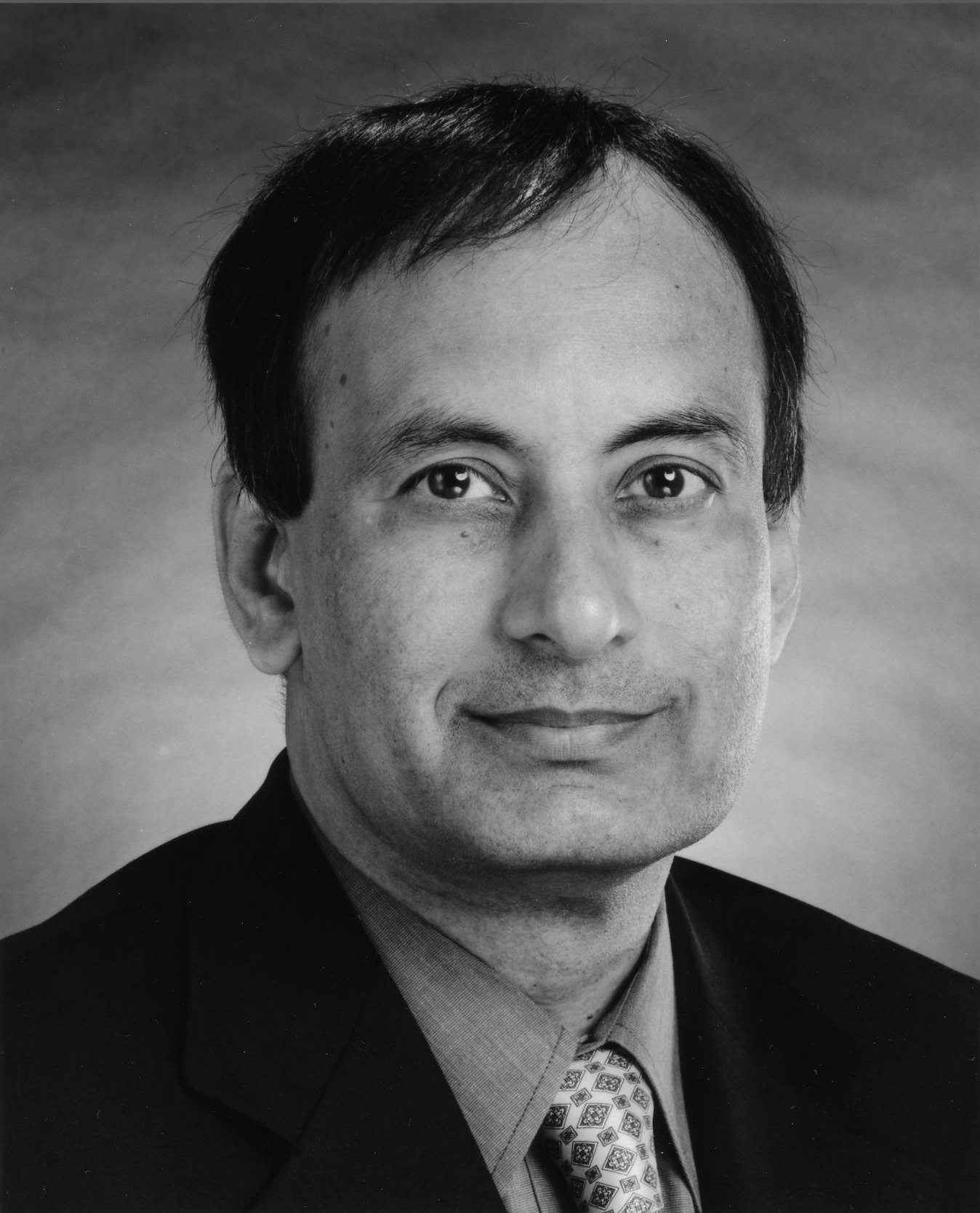
Former Visiting Scholar
Recent Work
Mr. Husain Haqqani, Ashley J. Tellis
Mr. Husain Haqqani
Carnegie does not take institutional positions on public policy issues; the views represented herein are those of the author(s) and do not necessarily reflect the views of Carnegie, its staff, or its trustees.

China’s political future will be shaped between now and next October. As the Communist Party enters its intense “campaign season” to prepare for a major political transition in 2027, reading Beijing's actions and responses may become more difficult as domestic politics weigh on its behavior more than usual.

Damien Ma

The EU can impose sanctions but struggles to enforce them without the United States. With Washington increasingly disinterested in backing European interests, the bloc must now fend for itself.


Nicu Popescu, Tiago Antunes
Global and rising powers will need to engage with Africa’s priorities and agency in order to secure the continent’s increasingly attractive partnerships.
Fonteh Akum

Rubio’s recent visit brought welcome attention, but more capital requires governance changes that may be a hard sell for regional governments.

Jennifer B. Murtazashvili
America’s foreign-policy objectives have grown more demanding while Americans have demanded greater focus on their own affairs.

Stephen Wertheim