

Other
Mr. Shlomo Avineri
{
  "authors": [
    "Shlomo Avineri"
  ],
  "type": "legacyinthemedia",
  "centerAffiliationAll": "dc",
  "centers": [
    "Carnegie Endowment for International Peace"
  ],
  "collections": [],
  "englishNewsletterAll": "democracy",
  "nonEnglishNewsletterAll": "",
  "primaryCenter": "Carnegie Endowment for International Peace",
  "programAffiliation": "DCG",
  "programs": [
    "Democracy, Conflict, and Governance"
  ],
  "projects": [],
  "regions": [
    "Middle East"
  ],
  "topics": []
}
REQUIRED IMAGE
Source: Carnegie
The Jerusalem Post, November 1, 2000
In the mutual recriminations which began after the collapse of the Camp David negotiations and the uncontrolled violence that followed, a much deeper explanation for the crisis has been overlooked.
At Camp David, Prime Minister Ehud Barak - aided and abetted by US President Bill Clinton - aimed too high in trying to find a conclusive and definite end to the Israeli-Palestinian conflict. They pulled the rug from under what might have been achieved had they lowered their expectations.
Barak was elected on a peace platform, and as a former military man he is a problem solver. One can only understand his desire to achieve what has eluded all former Israeli leaders: not another stop-gap agreement, another step in a lengthy and inconclusive series of steps following other steps - but an agreement to end all agreements.
If the term "Final Solution" had not been polluted by Nazi ideology, one would have said that Barak's ambition was to find a final solution to the Israeli-Palestinian conflict - and thus also to the Arab-Israeli conflict.
The 1993 Oslo agreements, which explicitly called for "final status" negotiations within a set framework, gave both urgency and legitimacy to this wish.
But the road to catastrophe is paved with the best of intentions.
Anyone even vaguely familiar with Middle Eastern affairs would know that final status negotiations would entail reaching an agreement on Jerusalem. And this is, for the time being, an intractable problem. Even the most moderate Israeli position on Jerusalem does not parallel the most moderate Palestinian position on the issue: in Jerusalem, all the political, demographic, emotional, historical, strategic, ideological and theological issues of the conflict are intertwined. Jerusalem is an historical minefield, sowed and nurtured by 3,000 years of battles and victories, destruction and hope, exile and return, death and resurrection.
This also means that if you touch Jerusalem and fail, you also fail on all other issues, and you end up with a major crisis on your hands.
This is exactly what happened at Camp David. It appears that Barak and Palestinian Authority Chairman Yasser Arafat were able to agree on Palestinian statehood, on most of the territorial issues, on some almost intractable security arrangements, and even on some aspects of the 1948 refugee problem. But the whole edifice collapsed when an agreement on Jerusalem could not be reached.
Israelis would say Arafat was unrelenting. Palestinians would say Barak was not generous enough. It doesn't matter: Jerusalem brought down the chance to take a great step forward.
This is what Barak should have offered: accept Palestinian statehood and independence; hand over 90% of the West Bank to the Palestinians; find a mutually acceptable formula for the refugee problem. But leave Jerusalem for further negotiations.
Would Arafat accept? Possibly. Surely, it would be an enormous achievement
for him and his people: Israel accepts a Palestinian state; most Palestinians
would no longer be under Israeli military occupation; and Israel would accept
that Jerusalem, after all, has to be negotiated in the future and that the unilateral
annexation of 1967 is
not the Israelis' final word on the matter.
Even if the proposal was rejected by Arafat, this would avoid making Jerusalem the central issue, thereby avoiding the dead-end discussion which Jerusalem always prompts.
There is an old Hebrew saying encapsulated in an emblematic word called teiku. It is untranslatable, but it roughly means that you must leave some problems for the future, save something for the Redeemer to tackle when he arrives.
This was Barak's conceptual mistake.
The next step may have to be a series of Israeli unilateral moves that would try to disengage, in the absence of an agreement, Israel from the territories that remain under Israeli occupation.
The lesson for future leaders? Lower your sights; don't aim for the sky; don't imagine you are smarter than all those who came before you. Be humble, even if you are a born and bred problem solver.
Former Visiting Scholar
Recent Work
Mr. Shlomo Avineri
Mr. Shlomo Avineri
Carnegie does not take institutional positions on public policy issues; the views represented herein are those of the author(s) and do not necessarily reflect the views of Carnegie, its staff, or its trustees.

The Horn of Africa countries are among those facing a new security calculus.


Andrew Leber, Lesley Anne Warner

As the U.S. stumbles in its war with Iran, we are likely to see an acceleration of its disengagement from the region.

Michael Young
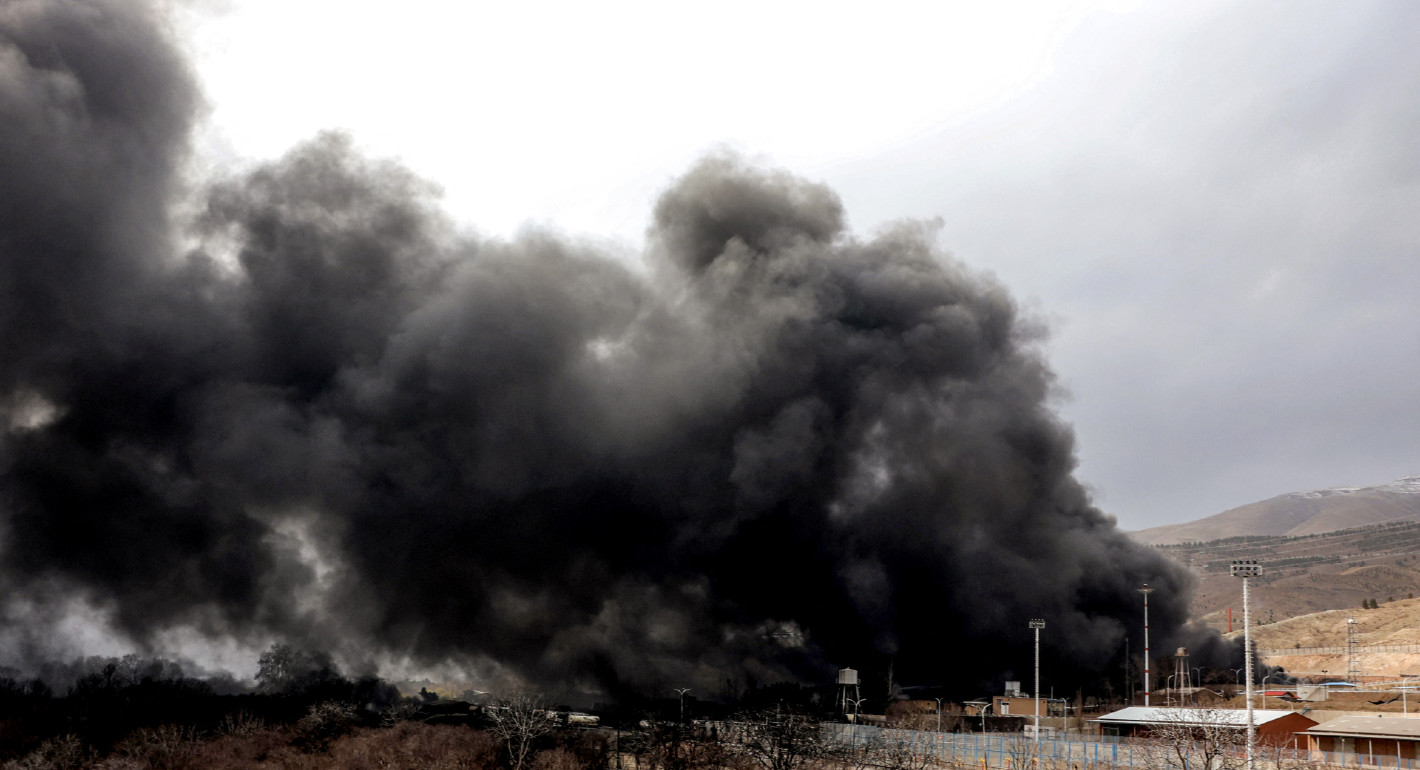
Understanding the climatic pain points is necessary for policymakers hoping to minimize the war’s negative environmental consequences.


Alejandro Martin Rodriguez, Joy Arkeh, Sarah Yerkes

The books, podcasts, and films that explain the world it made.
Andrew Leber
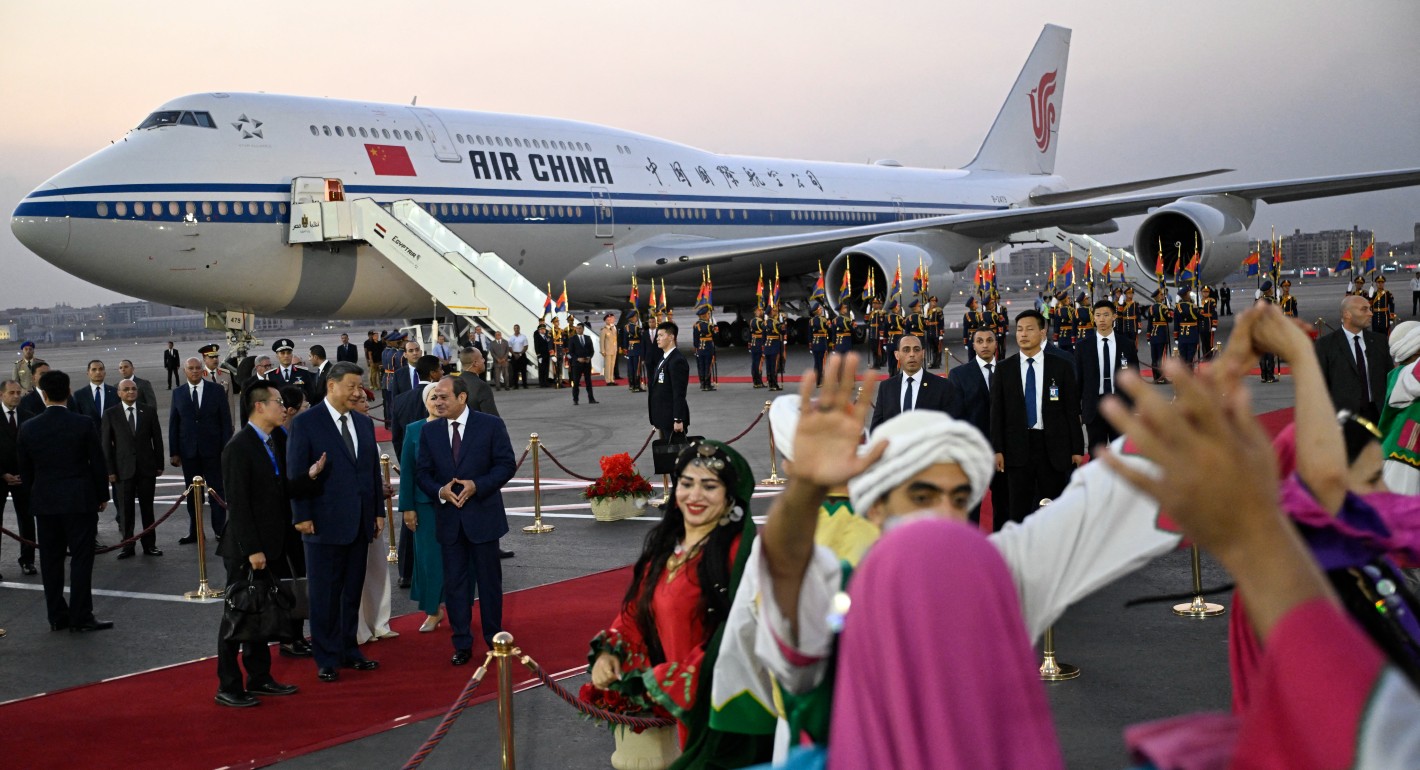
Amid celebrations of bilateral ties was a deeper focus on stability in the Middle East.

Amr Hamzawy