• Research
  • Emissary
  • About
  • Experts
Carnegie Global logoCarnegie lettermark logo
Democracy
  • Donate
Podcast Episode
Carnegie India

(Interpreting) India at 75

Against the backdrop of India’s developmental journey through the seventy-five years post independence, Carnegie India scholars reflect on their respective areas of work to talk about how far India has come and where it is going.

Link Copied
By Suyash Rai, Anirudh Burman, Konark Bhandari, Rudra Chaudhuri, Deep Pal, Shibani Mehta, Priyadarshini D., Rahul Bhatia
Published on Dec 9, 2022

Subscribe on

SpotifyApple PodcastsAmazon MusicYoutube

Additional Links

Listen to the Episode

EPISODE SUMMARY

In this episode, seven Carnegie India scholars—Anirudh Burman, Deep Pal, Konark Bhandari, Priyadarshini D, Rahul Bhatia, Rudra Chaudhuri, and Shibani Mehta—join Suyash Rai to share insights from their work. Against the backdrop of India’s developmental journey through the seventy-five years post independence, each scholar reflects on their respective area of work to talk about how far India has come and where it is going.

EPISODE NOTES

How far has India come since independence, and where is it going? What are the opportunities and challenges it has witnessed in the past, and what all awaits it in the near future? In this episode, Suyash Rai invites his colleagues who have previously hosted episodes of Interpreting India to share insights from their work. Anirudh Burman talks about land markets and policy framework for India’s new technology sectors. Konark Bhandari explicates India’s role in semiconductor supply chains and commercialization of space. Rahul Bhatia sheds light on the indigenization of defense manufacturing. Shibani Mehta and Deep Pal discuss India’s relationship with China, and Priyadarshini D. elucidates the future of digital currencies. Rudra Chaudhuri gives a broader perspective of key transitions in India’s foreign policy regime and the role of think tanks in the modern times. Finally, Suyash Rai gives an overview of India’s growth experience and how he sees the present moment.

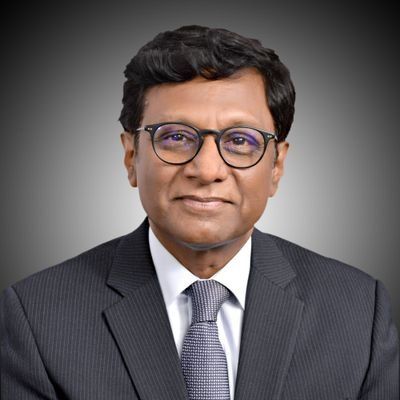
Hosted by

Suyash Rai
Former Fellow, Carnegie India
Suyash Rai
Anirudh Burman
Former Associate Research Director and Fellow, Carnegie India
Anirudh Burman
Konark Bhandari
Fellow, Technology and Society Program
Konark Bhandari
Rudra Chaudhuri
Former Director, Carnegie India
Rudra Chaudhuri
Deep Pal
Former Visiting Scholar, Asia Program
Deep Pal
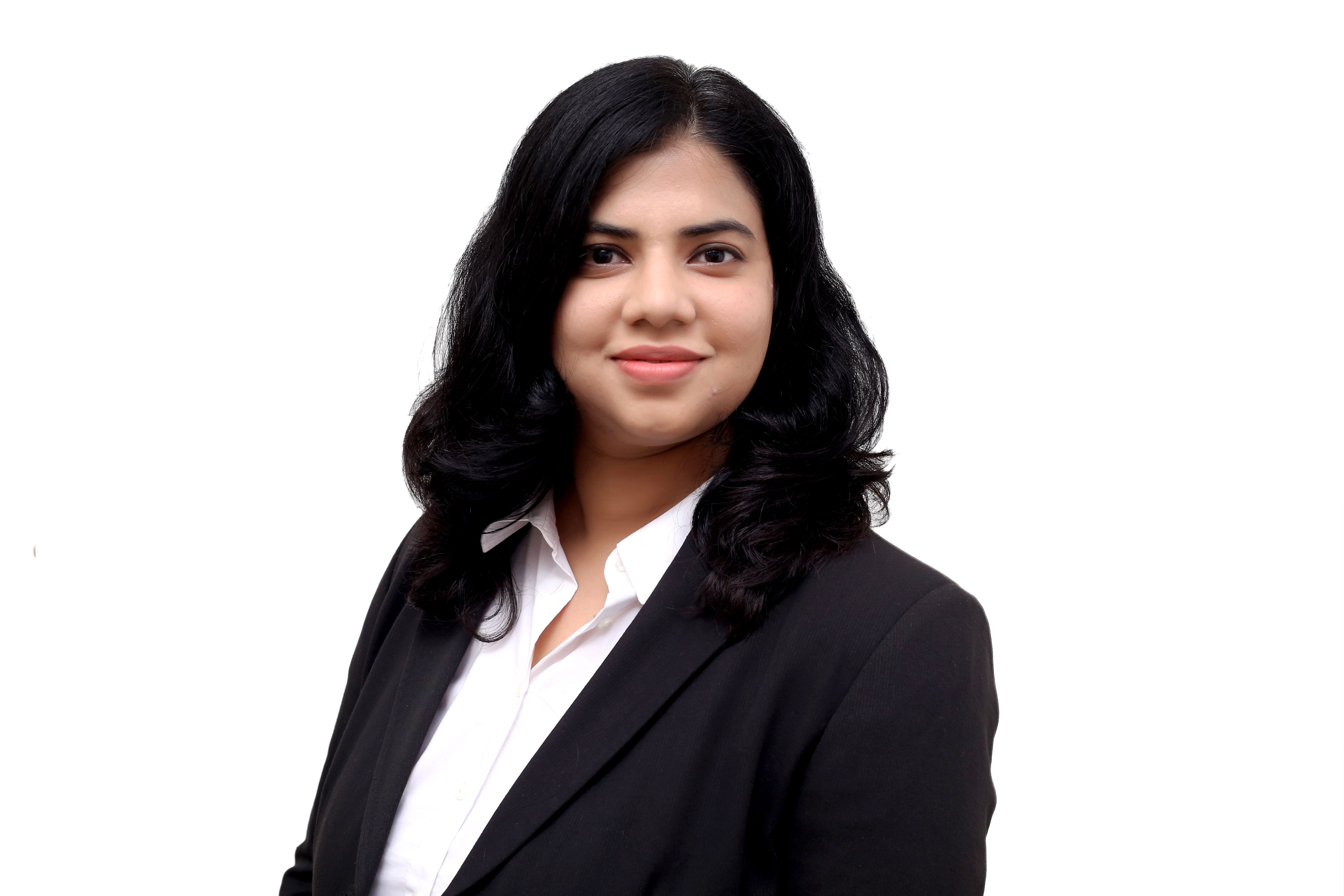
Shibani Mehta
Former Senior Research Analyst, Security Studies Program
Shibani Mehta
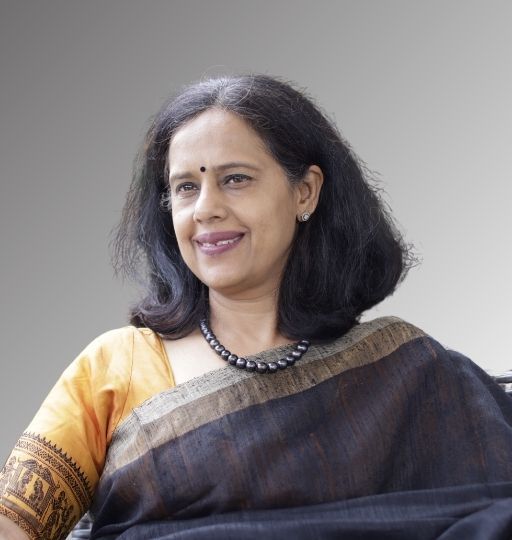
Priyadarshini D.
Former Associate Fellow, Carnegie India
Priyadarshini D.
Rahul Bhatia
Former Research Analyst Carnegie India
Rahul Bhatia

Carnegie does not take institutional positions on public policy issues; the views represented herein are those of the author(s) and do not necessarily reflect the views of Carnegie, its staff, or its trustees.

More Work from Interpreting India

  • Podcast Episode
    Deciphering the “Mother of All Trade Deals”: The India–EU FTA

    In this episode of Interpreting India, Dinakar Peri is joined by Mohan Kumar, former Indian Ambassador to France and a veteran trade negotiator, to unpack the newly concluded India–EU Free Trade Agreement and why he describes it as the “mother of all trade deals” for India. Kumar explains why the agreement is strategically significant, why the timing matters, and what it signals about India’s trade posture, competitiveness, and broader alignment between trade, technology, and security.

      Dinakar Peri, Mohan Kumar

  • Podcast Episode
    AI Adoption Journey for Population Scale: The UCAF Framework

    In this episode of Interpreting India, Nidhi Singh is joined by Shalini Kapoor, chief strategist for Data and AI at the EkStep Foundation, and Tanvi Lall, director for strategy at People+ai. They unpack why so many AI initiatives get stuck after impressive demos, and what it takes to move from pilots to real, sustained adoption. Drawing on research spanning 1,000+ use cases across 25 countries, the guests introduce the Use Case Adoption Framework (UCAF) and explain how India can translate AI ambition into population-scale impact—especially across public services, agriculture, health, and other high-priority sectors.

      Nidhi Singh, Shalini Kapoor, Tanvi Lall

  • Podcast Episode
    Scarcity, Sovereignty, Strategy: Mapping the Political Geography of AI Compute

    In this episode of Interpreting India, Adarsh Ranjan is joined by Zoe Jay Hawkins, co-founder and deputy executive director of the Tech Policy Design Institute. They explore the evolving idea of AI sovereignty, the geopolitics of compute, and how countries are navigating access to the foundational infrastructure that powers artificial intelligence. Drawing from her research at the Oxford Internet Institute, Zoe unpacks the political geography of AI compute, the rising concentration of AI chips and data centers, and what this means for both developed and developing economies.

      Adarsh Ranjan, Zoe Jay Hawkins

  • Podcast Episode
    Cybersecurity in Outer Space: A Growing Concern

    In this episode of Interpreting India, host Tejas Bharadwaj is joined by P. J. Blount, an assistant professor of space law at Durham University. Together, they delve into the critical topic of cybersecurity in outer space, exploring the challenges and implications of protecting space-based assets amidst rising geopolitical tensions and technological advancements. Blount shares insights from his extensive research in international space law and cyberspace governance, highlighting the complexities of legal attribution and the evolving landscape of space security.

      Tejas Bharadwaj, P. J. Blount

  • Podcast Episode
    Unbundling AI Openness: Beyond the Binary

    In this episode of Interpreting India, host Shruti Mittal speaks with Chinmayi Sharma, associate professor of law at Fordham Law School. Together, they explore the evolving and often misunderstood debate on openness in artificial intelligence. Drawing from her forthcoming paper, Unbundling AI Openness, in the Wisconsin Law Review, Sharma explains why the traditional “open versus closed” framing oversimplifies the reality of modern AI development.

      Shruti Mittal, Chinmayi Sharma

Get more news and analysis from
Carnegie Endowment for International Peace
Carnegie global logo, stacked
1779 Massachusetts Avenue NWWashington, DC, 20036-2103Phone: 202 483 7600Fax: 202 483 1840
  • Research
  • Emissary
  • About
  • Experts
  • Donate
  • Programs
  • Events
  • Blogs
  • Podcasts
  • Contact
  • Annual Reports
  • Careers
  • Privacy
  • For Media
  • Government Resources
Get more news and analysis from
Carnegie Endowment for International Peace
© 2026 Carnegie Endowment for International Peace. All rights reserved.