• Research
  • Emissary
  • About
  • Experts
Carnegie Global logoCarnegie lettermark logo
DemocracyIran
  • Donate
Podcast Episode

A Conversation With Michael McFaul

McFaul sat down in the DiploPod studio with Lauren Dueck to discuss his new book, U.S.-Russian relations, and where Putin’s foreign policy is headed. (Runtime - 12:08)

Link Copied
By Lauren Dueck and Michael McFaul
Published on May 11, 2018

Subscribe on

YoutubeSpotifyApple PodcastsOvercastPlayer FM

Ambassador Michael McFaul helped launch the Obama administration’s reset in U.S.-Russian relations, which fostered new and unprecedented collaboration between the two countries. As U.S. ambassador to Russia from 2012 to 2014, he had a front-row seat as the relationship began to unravel in the wake of Vladimir Putin’s return to the presidency. In his new book, From Cold War to Hot Peace, he talks about what happened and what went wrong. McFaul sat down in the DiploPod studio with Lauren Dueck to discuss his new book, U.S.-Russian relations, and where Putin’s foreign policy is headed.

Hosted by

Lauren Dueck
Former Senior Communications Manager and Executive Producer, Carnegie Podcasts
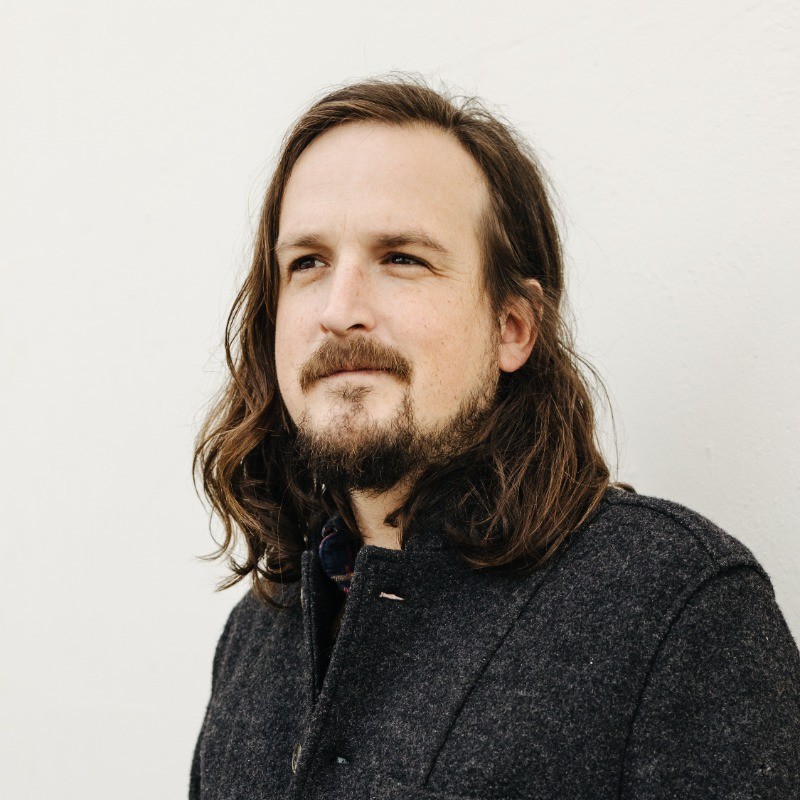
Michael McFaul
Former Senior Associate
Michael McFaul

Carnegie does not take institutional positions on public policy issues; the views represented herein are those of the author(s) and do not necessarily reflect the views of Carnegie, its staff, or its trustees.

More Work from The World Unpacked

  • Podcast Episode
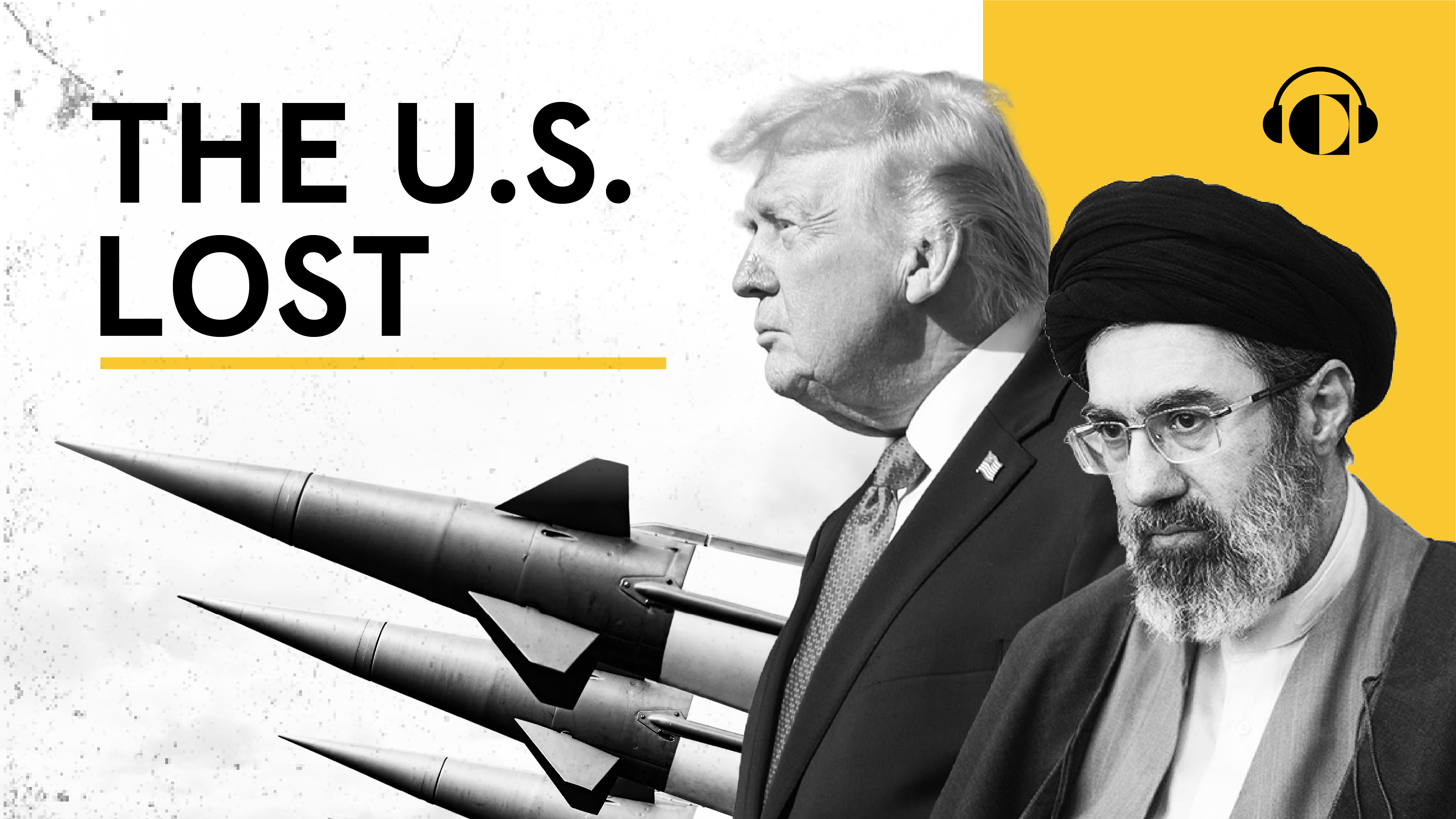
    Trump’s Two-Front Battle with Europe and Iran

    Daniel Drezner, Professor of International Politics at The Fletcher School at Tufts University is a leading scholar of global politics, makes sense of these dizzying crises on a new episode of The World Unpacked. He joined Jon Bateman to explain why Europe and the U.S. are still so obsessed with each other, whether Trump’s Venezuela playbook could work in Iran, and how Substack has changed foreign policy decision-making. 

      • Jon Bateman

      Jon Bateman, Daniel Drezner

  • Podcast Episode
    Epstein’s America: How Modern Corruption Works

    Sarah Chayes, who lived in and studied the world’s most corrupt nations, warns that the U.S. is walking the same path. In this episode of The World Unpacked, Sarah tells host Jon Bateman why systemic corruption looks nothing like how we picture it, how anti-corruption advocates are co-opted as enablers, and what to say if someone asks you for a bribe. 

      • Jon Bateman

      Jon Bateman, Sarah Chayes

  • Podcast Episode
    How a Progressive POTUS Would Change the World

    Matt Duss, a former advisor to Bernie Sanders, is a leading figure in progressive foreign policy. On this episode of The World Unpacked, Matt lays out a global vision based on solidarity and harm reduction.

      • Jon Bateman

      Jon Bateman, Matthew Duss

  • Podcast Episode
    Oren Cass: How Economists Failed America

    Oren Cass is driving these debates as one of the most influential conservative thinkers of the Trump era. Cutting against traditional GOP orthodoxy, he has long argued for more tariffs, trade barriers, and worker protections—anticipating and influencing many of Trump’s policies. Oren joined Jon Bateman on The World Unpacked to explore the China shock, AI disruption, and Alexander Hamilton. 


      • Jon Bateman

      Jon Bateman, Oren Cass

  • Jeff Stern
    Podcast Episode
    How Smart Bombs Enable Dumb Wars

    The Paveway bomb, invented by Texas Instruments in the 1970s, was the first truly precise munition.  It revolutionized America’s air campaign in Vietnam and allowed whole new kinds of “limited” U.S. wars in Libya, Iraq, Serbia, and beyond. 

      • Jon Bateman
      • Jeff Stern

      Jon Bateman, Jeffrey E. Stern

Get more news and analysis from
Carnegie Endowment for International Peace
Carnegie global logo, stacked
1779 Massachusetts Avenue NWWashington, DC, 20036-2103Phone: 202 483 7600Fax: 202 483 1840
  • Research
  • Emissary
  • About
  • Experts
  • Donate
  • Programs
  • Events
  • Blogs
  • Podcasts
  • Contact
  • Annual Reports
  • Careers
  • Privacy
  • For Media
  • Government Resources
Get more news and analysis from
Carnegie Endowment for International Peace
© 2026 Carnegie Endowment for International Peace. All rights reserved.