• Research
  • Emissary
  • About
  • Experts
Carnegie Global logoCarnegie lettermark logo
Democracy
  • Donate
Podcast Episode

Douglas H. Paal on the Upcoming Meeting Between the United States and North Korea

Paal discusses the upcoming meeting between U.S. President Donald Trump and North Korean Supreme Leader Kim Jong-un. (Runtime - 20:18)

Link Copied
By Jen Psaki and Douglas H. Paal
Published on Mar 16, 2018

Subscribe on

YoutubeSpotifyApple PodcastsOvercastPlayer FM

In the latest episode of DiploPod, Jen Psaki sits down with Douglas Paal to discuss the upcoming meeting between U.S. President Donald Trump and North Korean Supreme Leader Kim Jong-un. They examine what the North Koreans might want from talks, what expectations and concerns regional actors including China, Japan, and South Korea may have, and how Trump’s decision on whether to stick with the Iran nuclear deal could complicate possible diplomacy with Pyongyang.

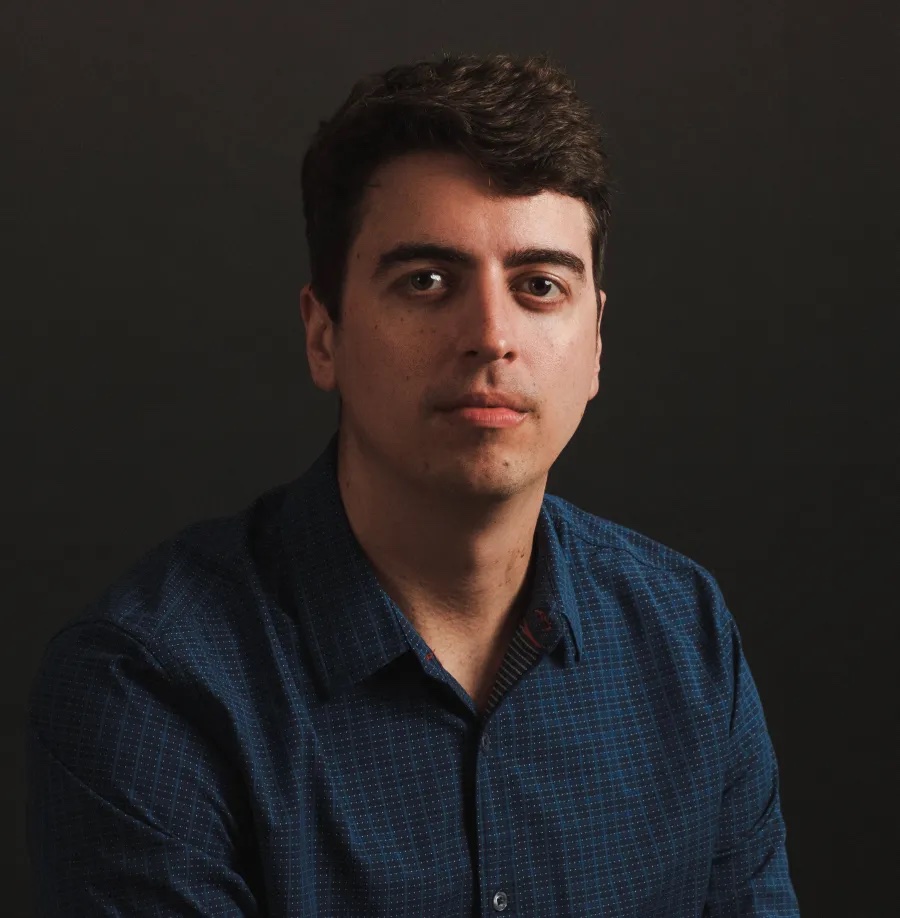
Douglas H. Paal is vice president for studies at the Carnegie Endowment for International Peace. He was an unofficial U.S. representative to Taiwan as director of the American Institute in Taiwan (2002–2006) and on the National Security Council staffs of presidents Reagan and George H. W. Bush between 1986 and 1993 as director of Asian affairs and then as senior director and special assistant to the president.

Hosted by

Jen Psaki
Former Nonresident Scholar
Jen Psaki
Douglas H. Paal
Distinguished Fellow, Asia Program
Douglas H. Paal

Carnegie does not take institutional positions on public policy issues; the views represented herein are those of the author(s) and do not necessarily reflect the views of Carnegie, its staff, or its trustees.
More Work from The World Unpacked

  • Podcast Episode
    Epstein’s America: How Modern Corruption Works

    Sarah Chayes, who lived in and studied the world’s most corrupt nations, warns that the U.S. is walking the same path. In this episode of The World Unpacked, Sarah tells host Jon Bateman why systemic corruption looks nothing like how we picture it, how anti-corruption advocates are co-opted as enablers, and what to say if someone asks you for a bribe. 

      • Jon Bateman

      Jon Bateman, Sarah Chayes

  • Podcast Episode
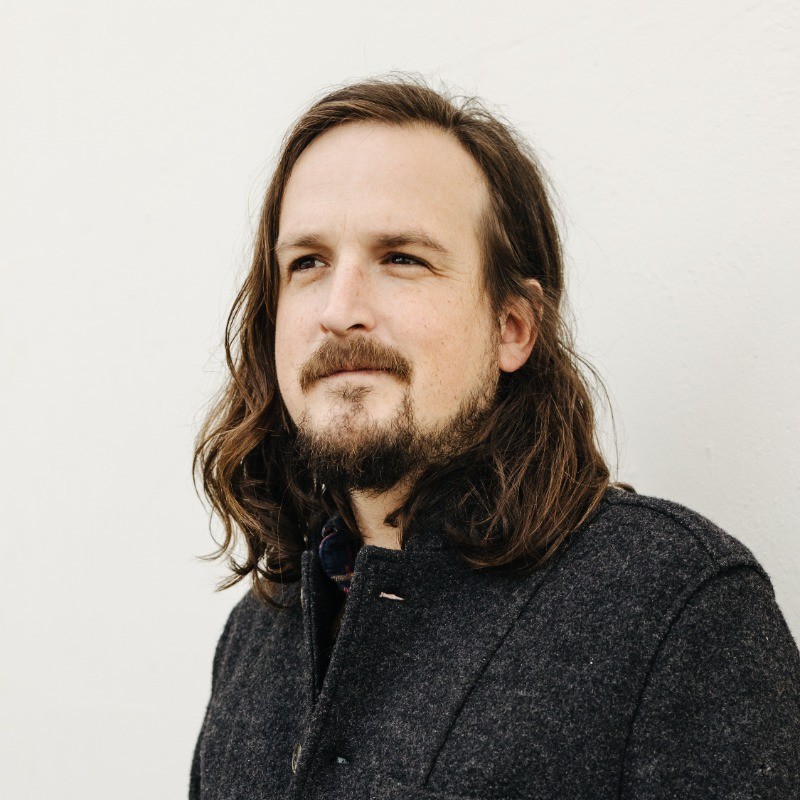
    How a Progressive POTUS Would Change the World

    Matt Duss, a former advisor to Bernie Sanders, is a leading figure in progressive foreign policy. On this episode of The World Unpacked, Matt lays out a global vision based on solidarity and harm reduction.

      • Jon Bateman

      Jon Bateman, Matthew Duss

  • Podcast Episode
    Oren Cass: How Economists Failed America

    Oren Cass is driving these debates as one of the most influential conservative thinkers of the Trump era. Cutting against traditional GOP orthodoxy, he has long argued for more tariffs, trade barriers, and worker protections—anticipating and influencing many of Trump’s policies. Oren joined Jon Bateman on The World Unpacked to explore the China shock, AI disruption, and Alexander Hamilton. 


      • Jon Bateman

      Jon Bateman, Oren Cass

  • Jeff Stern
    Podcast Episode
    How Smart Bombs Enable Dumb Wars

    The Paveway bomb, invented by Texas Instruments in the 1970s, was the first truly precise munition.  It revolutionized America’s air campaign in Vietnam and allowed whole new kinds of “limited” U.S. wars in Libya, Iraq, Serbia, and beyond. 

      • Jon Bateman
      • Jeff Stern

      Jon Bateman, Jeffrey E. Stern

  • Podcast Episode
    The Global Race to Reinvent Meat
      • Jon Bateman
      • Bruce Friedrich

      Jon Bateman, Bruce Friedrich

Get more news and analysis from
Carnegie Endowment for International Peace
Carnegie global logo, stacked
1779 Massachusetts Avenue NWWashington, DC, 20036-2103Phone: 202 483 7600Fax: 202 483 1840
  • Research
  • Emissary
  • About
  • Experts
  • Donate
  • Programs
  • Events
  • Blogs
  • Podcasts
  • Contact
  • Annual Reports
  • Careers
  • Privacy
  • For Media
  • Government Resources
Get more news and analysis from
Carnegie Endowment for International Peace
© 2026 Carnegie Endowment for International Peace. All rights reserved.