• Research
  • Emissary
  • About
  • Experts
Carnegie Global logoCarnegie lettermark logo
Democracy
  • Donate
Podcast Episode

Will America’s Next President Bring Real Change in Foreign Policy?

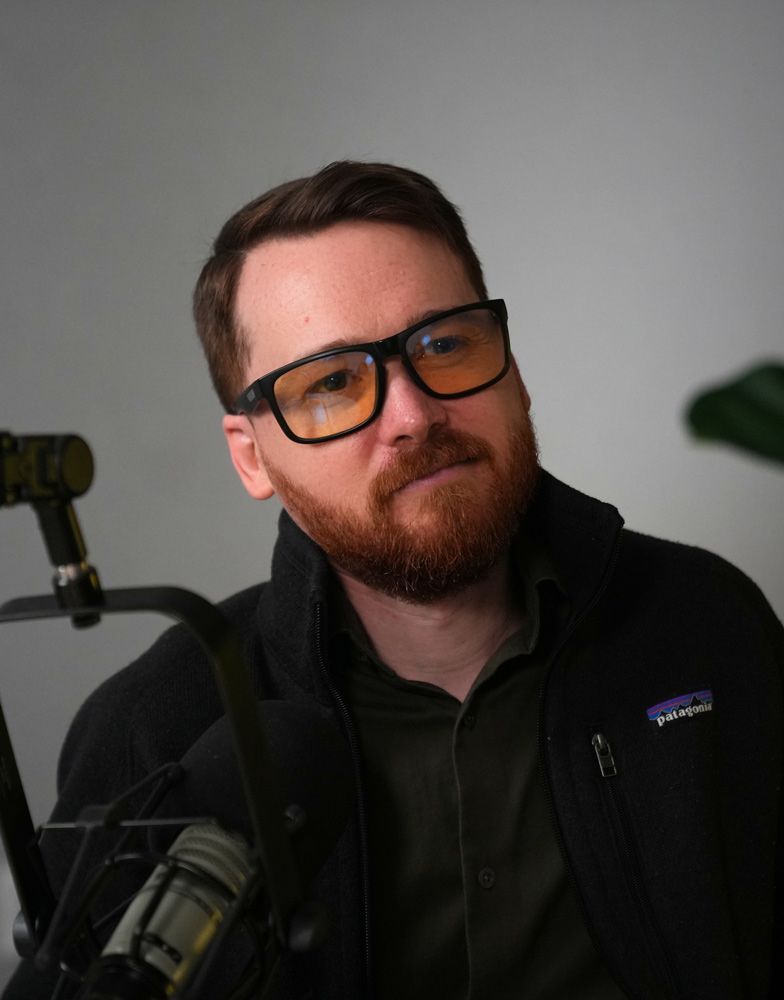
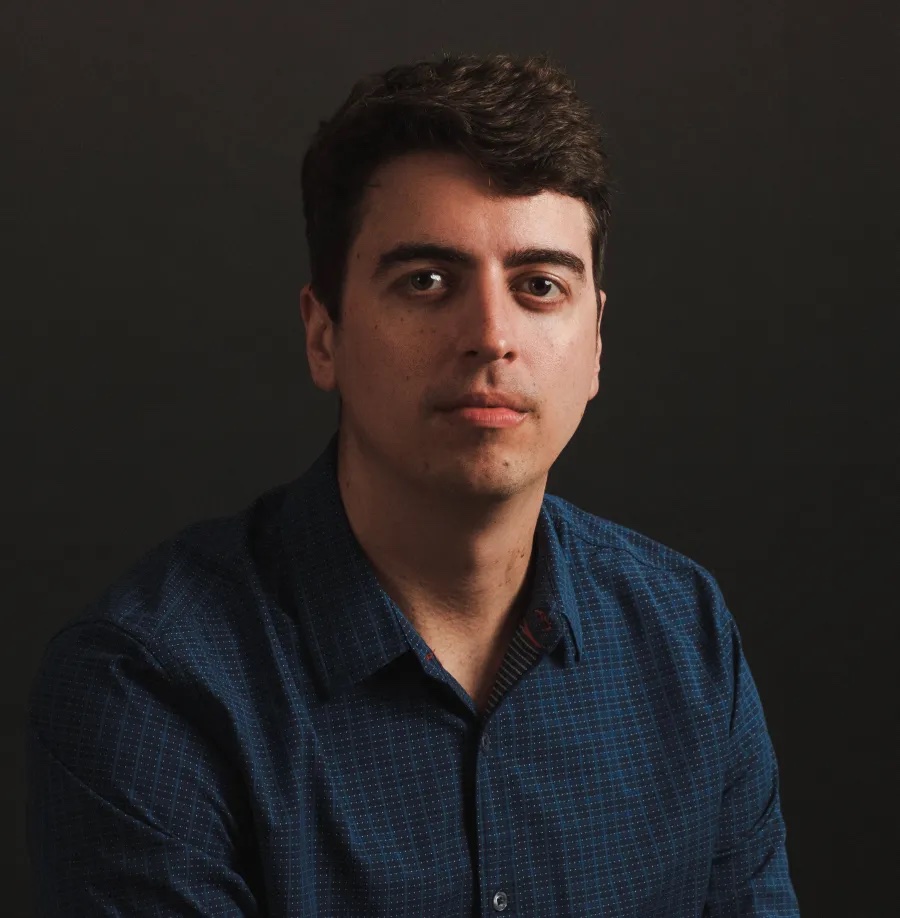
Sophia Besch sits down with Chris Chivvis and Stephen Wertheim to discuss why meaningful change in U.S. foreign policy is so difficult to achieve—and what it would take for the next American president to make such a change happen.

Link Copied
By Sophia Besch, Christopher S. Chivvis, Stephen Wertheim
Published on Oct 24, 2024

Subscribe on

YoutubeSpotifyApple PodcastsOvercastPlayer FM

Why is meaningful change in U.S. foreign policy is so difficult to achieve? This question is especially relevant with the U.S. presidential election just weeks away now, and analysts and policy makers all over the world are discussing how a Trump or Harris presidency might shift American foreign policy in the years to come.

But how likely is it that we will see meaningful change at all? Historically, it has been incredibly challenging for presidential administrations to break away from entrenched foreign policy paths —even when the need for change seems obvious. Presidencies often start with a declaration of pivots and major strategic reorientation, these then get ground down by powerful bureaucracy, political pressures and human tendency to preserve the status quo. When change does happen, leaders often pay a high political price for it. Take, for instance, the example of the withdrawal from Afghanistan. In the end, it took two decades and much internal pushback before President Biden was able to officially make this happen - even though the decision had long had significant public support. 

In this week's episode, Sophia Besch sits down with Christopher Chivvis and Stephen Wertheim to discuss their research that dissects how strategic foreign policy change does happen despite pressures to maintain the status quo—and  what it would take for the next American president to enact such a change.

Notes:

  1. Christopher S. Chivvis et al., Strategic Change in U.S. Foreign Policy, Carnegie Endowment for International Peace, September 24, 2024.
  2. Stephen Wertheim, "How Kamala Harris Should Put America First—for Real," New York Times, October 21, 2024.
  3. Christopher S. Chivvis and Stephen Wertheim, "America's Foreign Policy Inertia: How the Next President Can Make Change in a System Built to Resist It," Foreign Affairs, October 14, 2024.
  4. Rebecca Friedman Lissner, "Wars of Revelation: The Transformative Effects of Military Intervention on Grand Strategy," Oxford University Press, 2021.

Hosted by

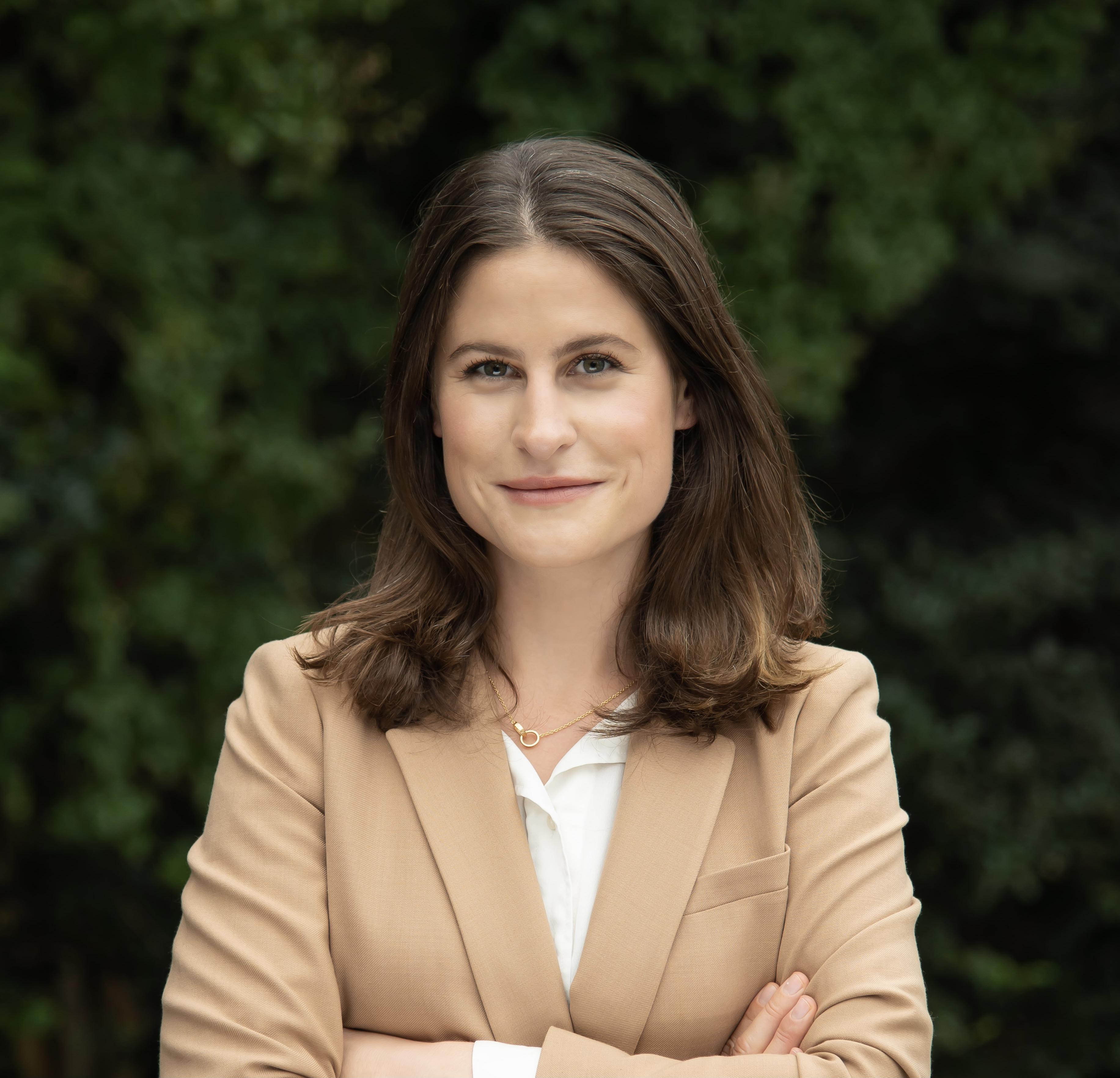
Sophia Besch
Senior Fellow, Europe Program
Sophia Besch

Featuring

Christopher S. Chivvis
Senior Fellow and Director, American Statecraft Program
Christopher S. Chivvis
Stephen Wertheim
Senior Fellow, American Statecraft Program
Stephen Wertheim

Carnegie does not take institutional positions on public policy issues; the views represented herein are those of the author(s) and do not necessarily reflect the views of Carnegie, its staff, or its trustees.

More Work from The World Unpacked

  • Podcast Episode
    Oren Cass: How Economists Failed America

    Oren Cass is driving these debates as one of the most influential conservative thinkers of the Trump era. Cutting against traditional GOP orthodoxy, he has long argued for more tariffs, trade barriers, and worker protections—anticipating and influencing many of Trump’s policies. Oren joined Jon Bateman on The World Unpacked to explore the China shock, AI disruption, and Alexander Hamilton. 


      • Jon Bateman

      Jon Bateman, Oren Cass

  • Jeff Stern
    Podcast Episode
    How Smart Bombs Enable Dumb Wars

    The Paveway bomb, invented by Texas Instruments in the 1970s, was the first truly precise munition.  It revolutionized America’s air campaign in Vietnam and allowed whole new kinds of “limited” U.S. wars in Libya, Iraq, Serbia, and beyond. 

      • Jon Bateman
      • Jeff Stern

      Jon Bateman, Jeffrey E. Stern

  • Podcast Episode
    The Global Race to Reinvent Meat
      • Jon Bateman
      • Bruce Friedrich

      Jon Bateman, Bruce Friedrich

  • Podcast Episode
    Every War Is Now a Drone War

    Steve Feldstein, a leading expert on technology and warfare, joined Jon Bateman on The World Unpacked to break down these trends.  Are drones helping defenders deter aggression, or enabling attackers to slaughter more civilians?  Why haven’t we seen full autonomy?  And has the U.S. fallen behind in the weapon class that it first pioneered? 

      • Jon Bateman

      Jon Bateman, Steve Feldstein

  • Podcast Episode
    Testing the Case for Regime Change in Venezuela

    Ambassador James B. Story most recently served as U.S. Ambassador for the Venezuela Affairs Unit, located at the United States Embassy in Bogotá, Colombia. Previously, Ambassador Story served as Chargé d’Affaires at the Venezuela Affairs Unit and, prior to mid-2019, the United States Embassy in Caracas, Venezuela.

      • Jon Bateman

      Jon Bateman, James B. Story

Get more news and analysis from
Carnegie Endowment for International Peace
Carnegie global logo, stacked
1779 Massachusetts Avenue NWWashington, DC, 20036-2103Phone: 202 483 7600Fax: 202 483 1840
  • Research
  • Emissary
  • About
  • Experts
  • Donate
  • Programs
  • Events
  • Blogs
  • Podcasts
  • Contact
  • Annual Reports
  • Careers
  • Privacy
  • For Media
  • Government Resources
Get more news and analysis from
Carnegie Endowment for International Peace
© 2026 Carnegie Endowment for International Peace. All rights reserved.