• Research
  • Emissary
  • About
  • Experts
Carnegie Global logoCarnegie lettermark logo
Democracy
  • Donate
{
  "authors": [
    "Martha Brill Olcott"
  ],
  "type": "legacyinthemedia",
  "centerAffiliationAll": "dc",
  "centers": [
    "Carnegie Endowment for International Peace"
  ],
  "collections": [],
  "englishNewsletterAll": "",
  "nonEnglishNewsletterAll": "",
  "primaryCenter": "Carnegie Endowment for International Peace",
  "programAffiliation": "russia",
  "programs": [
    "Russia and Eurasia",
    "Democracy, Conflict, and Governance"
  ],
  "projects": [],
  "regions": [
    "United States",
    "Afghanistan",
    "Central Asia",
    "Kazakhstan"
  ],
  "topics": [
    "Political Reform",
    "Democracy",
    "Security",
    "Foreign Policy"
  ]
}
REQUIRED IMAGE

REQUIRED IMAGE

In The Media

War on Terrorism in Central Asia and the Cause of Democratic Reform

Link Copied
By Martha Brill Olcott
Published on Feb 1, 2003
Program mobile hero image

Program

Russia and Eurasia

The Russia and Eurasia Program continues Carnegie’s long tradition of independent research on major political, societal, and security trends in and U.S. policy toward a region that has been upended by Russia’s war against Ukraine.  Leaders regularly turn to our work for clear-eyed, relevant analyses on the region to inform their policy decisions.

Learn More
Program mobile hero image

Program

Democracy, Conflict, and Governance

The Democracy, Conflict, and Governance Program is a leading source of independent policy research, writing, and outreach on global democracy, conflict, and governance. It analyzes and seeks to improve international efforts to reduce democratic backsliding, mitigate conflict and violence, overcome political polarization, promote gender equality, and advance pro-democratic uses of new technologies.

Learn More

Source: Carnegie

Originally published in Demokratizatsiya, the Journal of Post-Soviet Democratization, Vol. 11, No. 1, Winter 2003

Full text of the article can be accessed here.
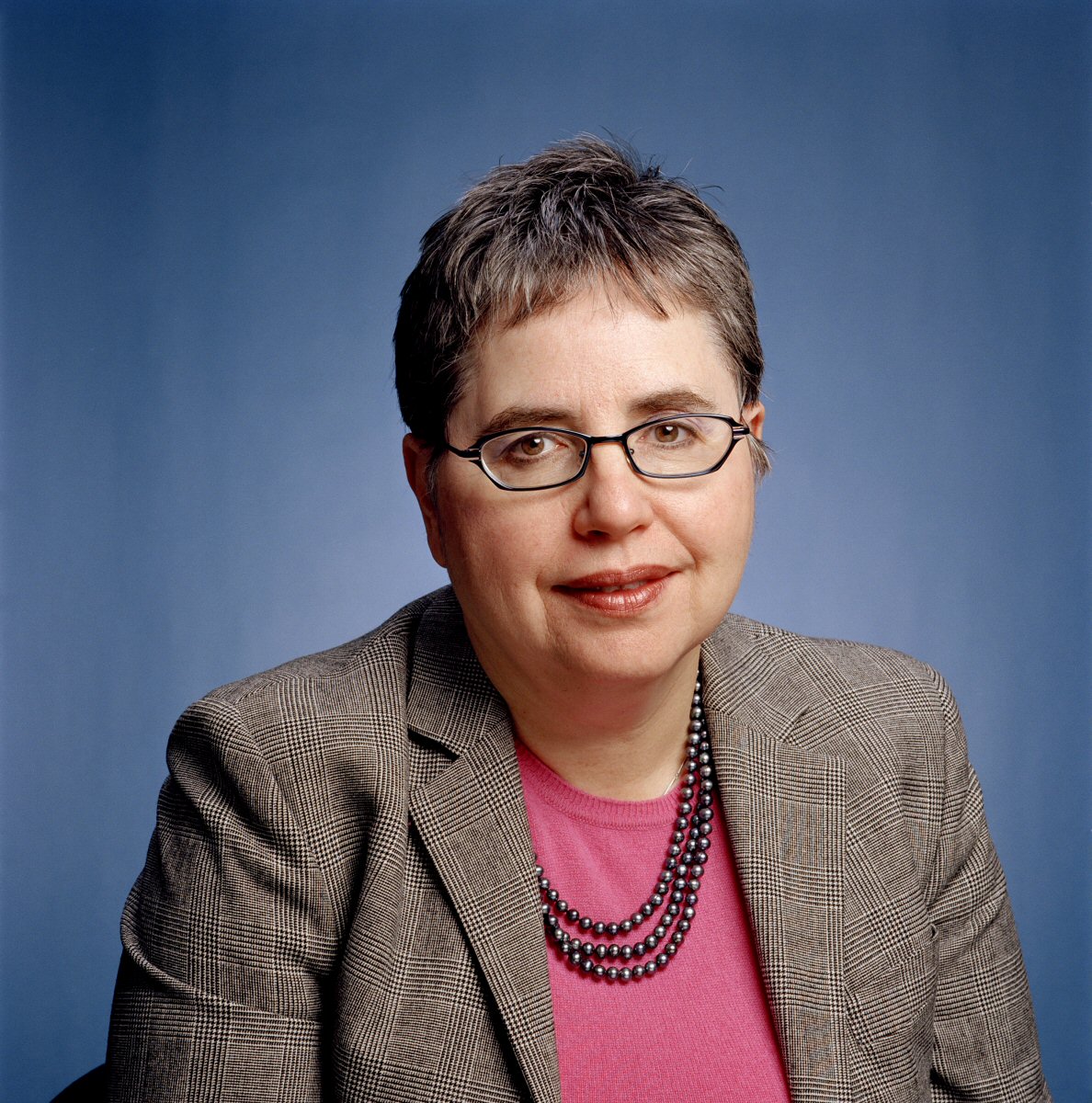
Martha Brill Olcott
Former Senior Associate, Russia and Eurasia Program and, Co-director, al-Farabi Carnegie Program on Central Asia
Martha Brill Olcott
Political ReformDemocracySecurityForeign PolicyUnited StatesAfghanistanCentral AsiaKazakhstan

Carnegie does not take institutional positions on public policy issues; the views represented herein are those of the author(s) and do not necessarily reflect the views of Carnegie, its staff, or its trustees.
More Work from Carnegie Endowment for International Peace

  • Article
    What Can the EU Do About Trump 2.0?

    Europe’s policy of subservience to the Trump administration has failed. For Washington to take the EU seriously, its leaders now need to combine engagement with robust pushback.

      Stefan Lehne

  • Commentary
    Strategic Europe
    To Survive, the EU Must Split

    Leaning into a multispeed Europe that includes the UK is the way Europeans don’t get relegated to suffering what they must, while the mighty United States and China do what they want.

      • Rym Momtaz

      Rym Momtaz

  • Commentary
    Carnegie Politika
    In Uzbekistan, the President’s Daughter Is Now His Second-in-Command

    Having failed to build a team that he can fully trust or establish strong state institutions, Mirziyoyev has become reliant on his family.

      Galiya Ibragimova

  • Trump stands in front of a blue screen reading "Board of Peace"
    Paper
    U.S. Peace Mediation in the Middle East: Lessons for the Gaza Peace Plan

    As Gaza peace negotiations take center stage, Washington should use the tools that have proven the most effective over the past decades of Middle East mediation.

      • Sarah Yerkes

      Amr Hamzawy, Sarah Yerkes, Kathryn Selfe

  • Commentary
    Carnegie Politika
    Russia’s Unspoken Condition for Ending the War Is Zelensky’s Resignation

    Insisting on Zelensky’s resignation is not just a personal vendetta, but a clear signal that the Kremlin would like to send to all its neighbors: even if you manage to put up some resistance, you will ultimately pay the price—including on a personal level.

      Vladislav Gorin

Get more news and analysis from
Carnegie Endowment for International Peace
Carnegie global logo, stacked
1779 Massachusetts Avenue NWWashington, DC, 20036-2103Phone: 202 483 7600Fax: 202 483 1840
  • Research
  • Emissary
  • About
  • Experts
  • Donate
  • Programs
  • Events
  • Blogs
  • Podcasts
  • Contact
  • Annual Reports
  • Careers
  • Privacy
  • For Media
  • Government Resources
Get more news and analysis from
Carnegie Endowment for International Peace
© 2026 Carnegie Endowment for International Peace. All rights reserved.